The Secret to Tender Slow Simmered Italian Meatballs
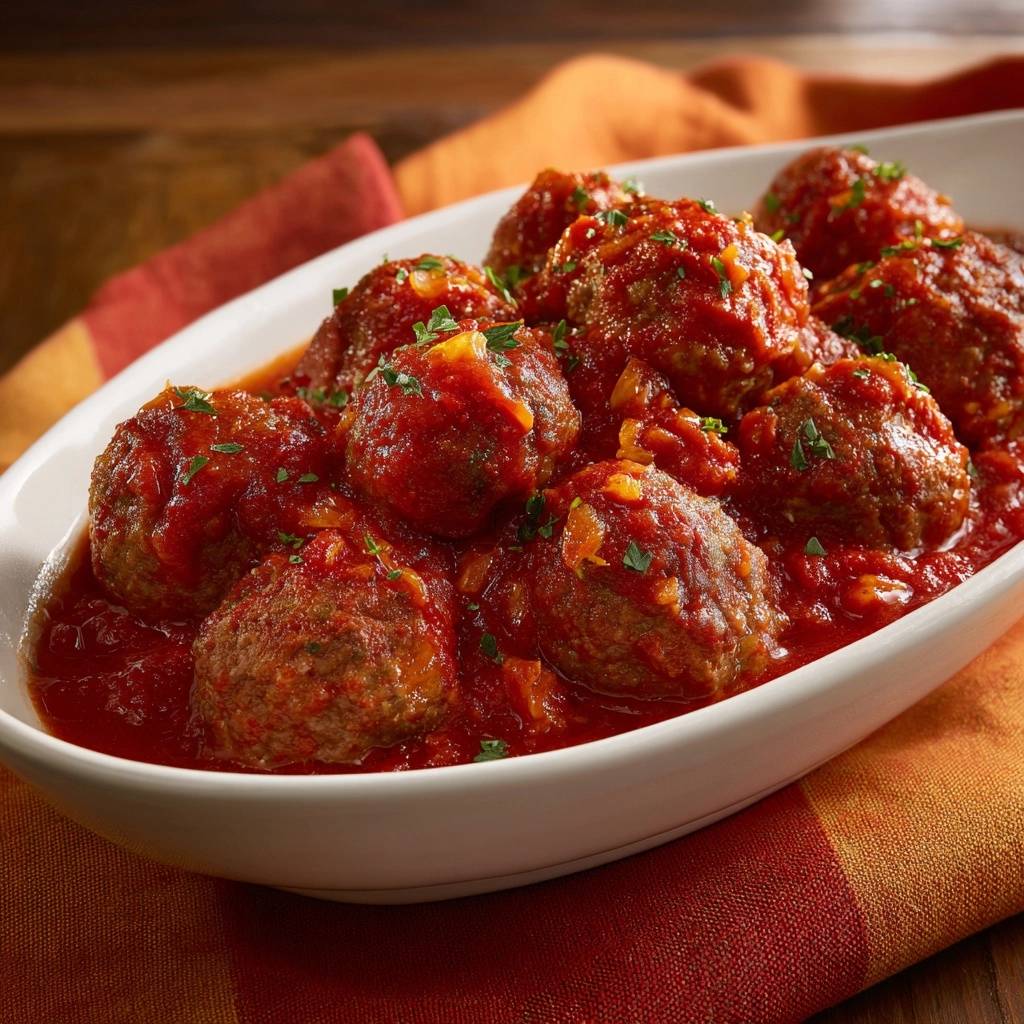
There is a certain reverence reserved for the Sunday gravy tradition in Italian-American kitchens. It is a ritual where the house fills with the scent of garlic and slow-cooking tomatoes, promising a meal that feels like a warm hug. However, many home cooks face the “Meatball Paradox.” You start with high-quality ingredients, yet you end up with dense, rubbery spheres that resemble hockey pucks more than dinner.
Restaurants consistently serve meatballs that are so tender you can cut them with the side of a fork. The difference isn’t just professional equipment; it is a simple technical solution called a panade. By changing how you incorporate moisture, you can transform your meatballs from tough to truly succulent.
The secret lies in the chemistry of the panade, a mixture of breadcrumbs and milk. This paste acts as a structural insurance policy. It prevents the meat proteins from bonding too tightly, ensuring every bite stays juicy even after a long simmer in the sauce. I’ve found that skipping this ten-minute soak is the number one reason home-cooked meatballs fail to impress.
The Science of the Panade Technique
When you mix ground meat with salt and heat it, the proteins want to link together. This process creates a tight, springy matrix that results in a tough texture. A panade interrupts this chemical reaction by physically getting in the way of those protein bonds.
The starches in the breadcrumbs absorb the milk and expand into a soft, gel-like paste. When you fold this paste into the ground beef, it coats the individual meat fibers. Therefore, as the meat cooks and tries to contract, the starch-and-protein barrier keeps the fibers separated.
This moisture barrier is far superior to simply tossing dry crumbs into the bowl. Dry crumbs actually pull moisture away from the meat as they cook. By hydrating them first, you ensure the bread is already saturated, leaving all the natural meat juices right where they belong.
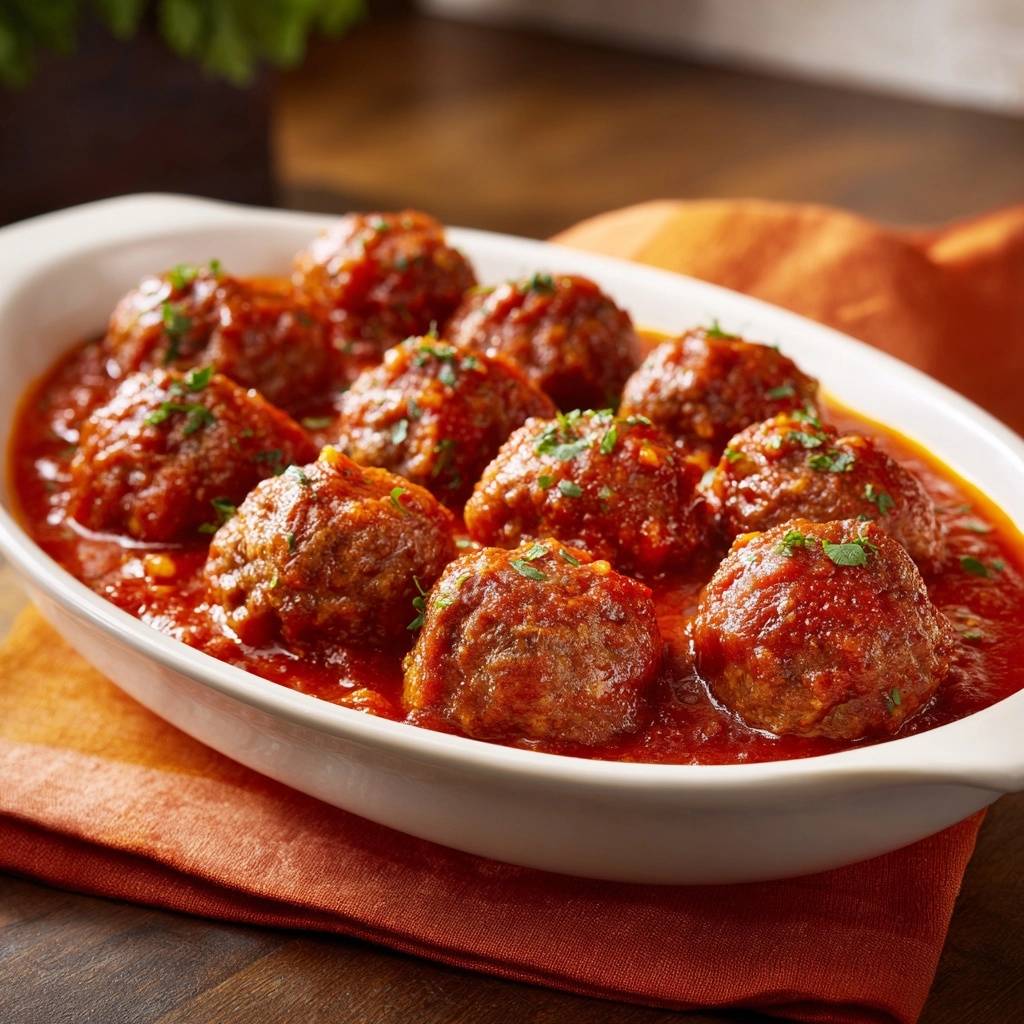
Why Meat Proteins Tighten During Cooking
The primary culprit behind a “bouncy” meatball is a protein called myosin. When you overwork meat or subject it to high heat without a buffer, myosin develops into a strong, elastic web. It is the same reason bread dough becomes chewy when you knead it.
Heat causes these muscle fibers to contract and squeeze out water like a wrung-out sponge. However, the panade acts as a lubricant within the meat mixture. It provides a soft cushion that prevents the fibers from knitting into a solid, dry mass.
Essential Components for Slow Simmered Italian Meatballs
Success starts with the right fat-to-lean ratio. I always recommend an 80/20 ground beef blend. If the meat is too lean, the meatballs will inevitably be dry, regardless of your technique. Fat provides the flavor and the “mouthfeel” that makes Italian comfort food so satisfying.
While the panade provides tenderness, the egg acts as your binder. It is important to understand the distinction. The egg holds everything together so the meatballs don’t disintegrate in the sauce, but the panade is what keeps them soft. Using both ensures a meatball that is structurally sound yet delicate.
Freshly grated parmesan cheese is another non-negotiable ingredient. It adds a salty, nutty depth that pre-shredded versions simply cannot match. The cellulose used in pre-packaged cheese prevents it from melting smoothly into the meat, which can lead to a grainy texture.
Selecting the Right Aromatics and Herbs
Instead of just mincing your onion, try using a box grater. Grated onion releases its juices directly into the meat, providing “invisible” flavor and extra hydration. You won’t bite into any crunchy raw bits, and the onion flavor permeates every single morsel.
Fresh flat-leaf parsley is also vital for that authentic brightness. Curly parsley often feels like eating grass, and dried parsley loses its aromatic oils quickly. Flat-leaf parsley has a clean, peppery finish that cuts through the richness of the beef and cheese.
The Role of Aged Cheeses in Texture
Aged cheeses like Parmesan or Pecorino Romano do more than just season the dish. They provide a massive hit of umami, which is that savory “fifth taste” that makes you want another bite. Because these cheeses are dry and finely grated, they distribute evenly throughout the mixture.
This even distribution creates tiny pockets of flavor without adding bulk. It acts as a secondary structural element. However, it doesn’t make the meatball heavy like adding extra bread would. It is the secret to a rich, complex flavor profile.
Step-by-Step: Hydrating the Breadcrumb Paste
Start by mixing your breadcrumbs and milk in a small bowl until a thick, uniform paste forms. You aren’t looking for a liquid; it should look like a heavy porridge. Let this sit for at least ten minutes before you even touch the meat.
Rushing this step is a common mistake. If the crumbs aren’t fully hydrated, they will remain hard and grainy inside the finished meatball. You want the starch to be completely saturated so it can blend seamlessly into the beef.
Once the time is up, the paste should be sturdy enough to hold its shape on a spoon. This consistency is the key to a smooth interior. It ensures that the moisture is locked in before the heat of the pan ever touches the meat.
Manual Mixing and Shaping Techniques
When it’s time to combine everything, put down the spoons and use your hands. Your fingers are the best tools for feeling the texture of the meat. You want to gently fold the ingredients together until they are just combined.
Over-mixing is the fastest way to ruin your hard work. If you squeeze the meat too hard, you warm up the fat with your body heat. This causes the fat to smear and leak out, leaving you with a dry, crumbly result. Keep your touch light and stop as soon as the streaks of egg and panade disappear.
When shaping, don’t pack the balls tightly. Think of it as gently rolling them into shape rather than compressing them. A loosely packed meatball has more surface area for the sauce to penetrate, which leads to better flavor throughout.
For perfectly tender results every time, the same shaping method works beautifully for this skillet lasagna soup.
Sizing for Even Heat Distribution
Aim for a diameter of about 1.5 to 2 inches, roughly the size of a golf ball. This is the “Goldilocks” zone for cooking. It is large enough to stay juicy in the center but small enough to brown quickly on the outside.
If they are too small, they will overcook before the sauce has a chance to develop. If they are too large, the outside will become tough before the middle is safe to eat. Consistency in size also ensures that every meatball in the pan finishes at the exact same time.
Developing Flavor Through Initial Searing
Before the meatballs hit the sauce, they need a quick sear in olive oil. This triggers the Maillard reaction, which is the chemical process that creates that deep, savory crust. Without this step, the meatballs will look gray and lack depth of flavor.
Heat your oil over medium heat and work in batches. If you crowd the pan, the temperature drops and the meat starts to steam in its own juices. You want a sizzling sound the moment the meat touches the oil, indicating a proper sear.
The meatballs should have a beautiful golden-brown crust on all sides. Don’t worry about cooking them all the way through at this stage. They will finish their journey in the simmering marinara, where they will soak up the tomato flavor.
The Low-Temperature Simmering Process
After browning, nestle the meatballs into your favorite marinara sauce. This is where the “slow simmered” part of the recipe really matters. You are essentially poaching the meat in the sauce, which is a very gentle way to cook protein.
A rolling boil is the enemy of a tender meatball. High heat causes the meat to seize up and become tough, regardless of the panade. Keep the heat on low so that only a few bubbles break the surface of the sauce occasionally.
As they simmer for 25 to 30 minutes, the fats from the meat render out and meld with the tomatoes. This creates a cohesive, velvety sauce that tastes much better than anything straight from a jar. The panade keeps the juices inside the meat while the sauce softens the exterior.
Troubleshooting Common Meatball Textures
If your meatballs are falling apart, you likely have too much moisture or not enough binder. Ensure you are using a large egg and that your panade isn’t dripping wet. Also, make sure you don’t move them too much during the initial browning phase.
If the meatballs feel dry, you might have used meat that was too lean or you simmered them for too long. Remember that 80/20 beef is your friend here. Additionally, check that your simmer was truly “low and slow” rather than a vigorous boil.
Sometimes the texture can feel “spongy” if you use too much breadcrumb. Stick to the measurements provided to maintain the perfect balance between meat and filler. The goal is a meatball that tastes like beef, not like a ball of stuffing.
Optimal Pairings for Slow Simmered Italian Meatballs
While spaghetti is the classic choice, these meatballs are versatile enough for many pairings. I love serving them over a bed of creamy polenta. The soft texture of the cornmeal complements the tender meat perfectly and soaks up the extra sauce.
A thick slice of toasted sourdough is also essential for “scarpetta,” the Italian tradition of mopping up the leftover sauce. You want a bread with a sturdy crust that can handle the weight of the marinara without falling apart.
To balance the richness of the beef and cheese, consider a side of charred broccolini or a crisp arugula salad. The bitterness of the greens provides a necessary contrast to the savory, sweet notes of the slow-cooked tomato sauce.
Storage, Freezing, and Reheating Protocols
These meatballs actually taste better the next day as the flavors have more time to marry. Store them in an airtight container in the refrigerator for up to three days. Always store them submerged in their sauce to prevent the exterior from drying out.
For freezing, you can freeze them either raw or cooked. If freezing raw, place them on a baking sheet until solid before transferring to a bag. If freezing cooked, let them cool completely first. They will stay fresh in the freezer for up to two months.
When reheating, avoid the microwave if possible. The microwave tends to make meat rubbery. Instead, place the meatballs and sauce in a small saucepan over low heat. Add a splash of water if the sauce has thickened too much, and heat until they are warmed through to the center.
Expert Troubleshooting
Can I use gluten-free bread for the panade?
Yes, you can certainly use gluten-free breadcrumbs or even a slice of gluten-free white bread. The goal is the starch content, which remains present in gluten-free options. Just ensure the crumbs are finely ground so they can absorb the milk effectively and form a smooth paste.
Why is my sauce greasy after simmering?
Because we use 80/20 ground beef, some fat will naturally render into the sauce. This is actually where a lot of the flavor lives! However, if it looks excessive, you can use a wide spoon to gently skim the orange oil off the surface of the sauce before serving.
Can I make the mixture the night before?
It is best to mix and cook the meatballs on the same day. If the raw meat sits with the salt and aromatics for too long, the salt begins to cure the meat. This can change the texture and make the meatballs feel more like a firm sausage rather than a tender meatball.
What if I don’t have whole milk?
You can substitute whole milk with heavy cream for an even richer result. If you need to avoid dairy, you can actually use water or beef broth for the panade. While you lose the softening proteins found in milk, the hydration of the breadcrumbs will still provide a significant boost in tenderness.
How do I know when the meatballs are fully cooked?
The best way to check is with an instant-read thermometer. You are looking for an internal temperature of 165°F. If you don’t have a thermometer, you can take one meatball out and cut it in half; it should be opaque throughout with no bright pink in the center, and the juices should run clear.
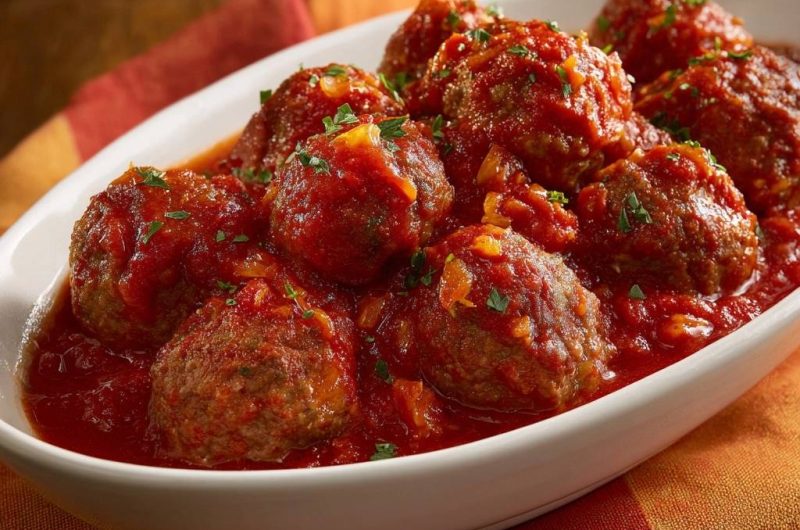
Italian Meatballs
Course: Main CourseCuisine: Italian-AmericanDifficulty: medium6
servings20
minutes45
minutes550
kcal65
MinutesThese Italian meatballs use a traditional panade technique—soaking breadcrumbs in milk—to create a moisture barrier that keeps the meat tender. Simmered slowly in marinara sauce, they are flavorful, juicy, and never rubbery.
Ingredients
1 pound ground beef (80/20 lean-to-fat ratio)
1/2 pound ground beef (80/20, for added fat and tenderness)
1/2 cup plain breadcrumbs
1/3 cup whole milk
1 large egg, beaten
1/2 cup grated parmesan cheese
3 cloves garlic, minced
1/2 small yellow onion, finely grated or minced
1/4 cup fresh parsley, finely chopped
1 teaspoon salt
1/2 teaspoon black pepper
1/2 teaspoon dried oregano
28 ounces high-quality marinara sauce
3 tablespoons olive oil
Directions
- In a small bowl, combine the breadcrumbs and milk. Stir until it forms a thick paste and let it sit for 10 minutes. This panade is the essential step to ensure your meatballs stay tender and never get tough.
- In a large mixing bowl, combine the ground beef, the soaked breadcrumb panade, egg, parmesan, garlic, grated onion, parsley, salt, pepper, and oregano.
- Mix the ingredients using your hands just until combined. Do not overwork the meat; over-mixing develops too much myosin, which is the leading cause of toughness.
- Shape the mixture into 1.5 to 2-inch balls. Do not pack them too tightly.
- Heat the olive oil in a large, deep skillet or Dutch oven over medium heat. Working in batches to avoid crowding, brown the meatballs on all sides for about 8 to 10 minutes. They should have a deep golden-brown crust but will still be raw in the center.
- Remove excess grease from the pan, leaving about a tablespoon. Pour the marinara sauce over the meatballs.
- Bring the sauce to a very gentle simmer, then reduce heat to low. Cover and simmer for 25 to 30 minutes. The gentle poaching in the sauce allows the panade to lock in the juices while the fats from the beef render into the sauce. Cook until no pink remains and it reaches 160°F (71°C).
- Garnish with extra fresh parsley and a sprinkle of parmesan. Serve warm in a deep dish with the thickened sauce.
Notes
- The panade is the essential step to ensure meatballs stay tender. Avoid over-mixing the meat to prevent toughness caused by protein development.