Classic Beef Lasagna
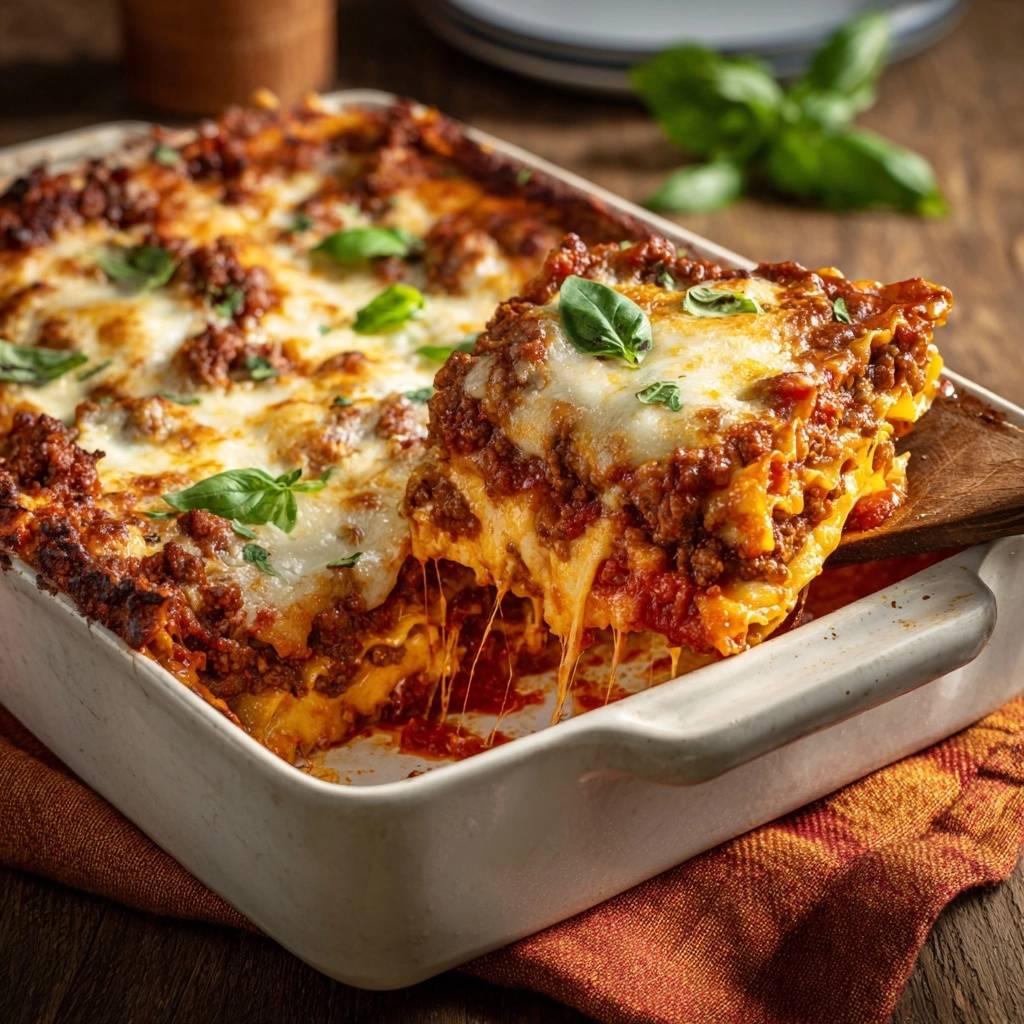
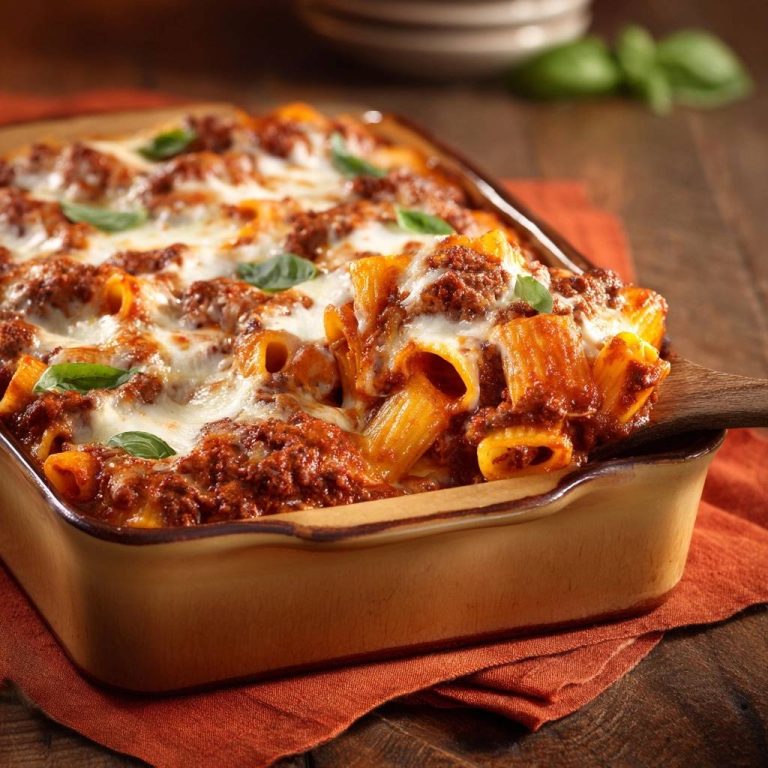
Nothing ruins lasagna night like slicing into a watery mess. You’ve been there, right? Those soupy layers that slide everywhere instead of holding firm. This classic beef lasagna fixes that frustration with a ricotta-draining trick and sauce-simmering step. You’ll get perfect, sliceable perfection every time.
Therefore, it serves 8-10 people. Prep takes 30 minutes, baking runs 50 minutes plus a 15-minute rest. Each slice clocks in around 450 calories. In addition, it nods to Italy’s layered tradition without the modern pitfalls.
Here’s the expertise pro tip: drain that ricotta over a strainer with a sprinkle of salt for 15 minutes. It pulls out whey through osmosis, so your layers stay firm. No more pooling liquid, just restaurant-quality slices.
Why Classic Beef Lasagna Demands Precision Layers
Classic beef lasagna traces back to Emilia-Romagna in Italy. It started with flat pasta sheets in 14th-century cookbooks, then evolved into the hearty layered casserole we crave today. Beef ragu brings rich savoriness, while cheeses add creamy balance. That’s the true definition of classic.
However, many home versions turn watery from excess moisture in ricotta and sauce. This recipe masters the techniques to avoid that. You’ll build excitement as each layer sets perfectly. Get ready for that first clean slice.
For the best results when layering, check out this guide to making a classic beef lasagna with perfect texture.
Building Blocks for Firm Classic Beef Lasagna
Ground Beef and Aromatics Foundation
Start with 1 pound of ground beef, ideally 80/20 lean for juicy flavor without dryness. Finely chop 1 onion and mince 3 garlic cloves. They build the aromatic base. Always drain the fat after browning to prevent greasy layers.
Grass-fed beef adds a subtle sweetness compared to conventional. It elevates the ragu. Brown it well for deeper taste through Maillard reaction.
Tomato Sauce Components for Thickened Ragu
Grab 28 ounces crushed tomatoes, 15 ounces tomato sauce, and 2 tablespoons tomato paste. San Marzano tomatoes offer better acidity balance than standard ones. Paste concentrates umami and thickens fast.
These create a ragu that clings to noodles. No thin sauce here. Simmer them together for perfection.
Herbs and Cheeses That Bind Layers
Use 1 tablespoon each dried oregano and basil. For fresh, triple the amount since dried packs more punch. Salt and pepper season to taste. Then, 15 ounces ricotta gets drained first, a game-changer.
Next, 2 cups shredded mozzarella (low-moisture melts best), 1 cup grated Parmesan, and 1 egg as binder. These cheeses fuse layers. Freshly grated Parmesan avoids that waxy pre-shredded feel.
Noodles and Finishing Touches
Boil 12 lasagna noodles al dente. No-boil types soak up too much moisture and turn gummy. Par-cook to prevent starch issues. Finish with fresh basil leaves for garnish. It adds bright color and aroma.
Science of Sauce Simmering in Beef Lasagna
Brown the beef first for Maillard reaction, creating those savory flavors. Then simmer with tomatoes, sauce, paste, herbs, salt, and pepper for 20 minutes. Evaporation cuts water content by 30-40%. Stir occasionally as it thickens.
This step locks in structure. Tomatoes’ pH prevents cheese separation. Moisture migration stops, so no pooling liquid at the bottom. Your lasagna holds firm. It’s physics you can taste.
Pro tip: wide skillet maximizes surface area for faster reduction. Taste midway and adjust seasoning. Perfect ragu every time.
Ricotta Draining Trick for Non-Soupy Lasagna
Place 15 ounces ricotta in a fine-mesh strainer over a bowl. Sprinkle 1/2 teaspoon salt and drain 15 minutes. Gently press with a spoon to remove whey. Osmosis pulls out 80% water content, drying it 20-30%.
Undrained ricotta weeps liquid during baking. Drained version stays creamy yet firm. Mix it with 1 egg, 1 cup mozzarella, and Parmesan for stability. Dollop evenly later.
Your layers transform from sloppy to sliceable. This trick guarantees success.
Equipment Essentials for Perfect Beef Lasagna
Skillet Size for Even Sauce Reduction
Choose a 12-inch wide skillet. It boosts evaporation surface area. Nonstick releases beef easily, while stainless adds fond for flavor. Even heat prevents scorching.
Baking Dish and Foil Technique
A 9×13-inch metal dish browns edges better than glass. Grease it first. Heavy-duty foil covers tightly to steam without drying out.
Strainer and Pressing Tools
Fine-mesh strainer catches whey best over cheesecloth. Use a spoon or weighted plate to press gently. You’ll see liquid drip away fast.
Layering Sequence for Stable Classic Beef Lasagna
Base Sauce and First Noodle Layer
Preheat oven to 375°F and grease your dish. Spread 1 cup meat sauce on the bottom for adhesion. Lay 4 noodles edge-to-edge, no overlaps. Picture it like bricks in a wall for stability.
Distributing Ricotta and Mozzarella Evenly
Dollop half the ricotta mix over noodles, then spread gently with a spatula. Add 1/3 remaining sauce and scatter 1/2 cup mozzarella. Repeat once for symmetry. Even distribution prevents dry spots.
Topping and Final Assembly
Top with last 4 noodles, all remaining sauce for full coverage, and 1/2 cup mozzarella. It melts into a golden peak. Ready for the oven.
Two-Phase Baking for Golden Beef Lasagna
Cover with foil and bake 30 minutes at 375°F. This steams layers tender. Uncover for 20 more minutes until bubbly and golden. Internal temp hits 165°F safely.
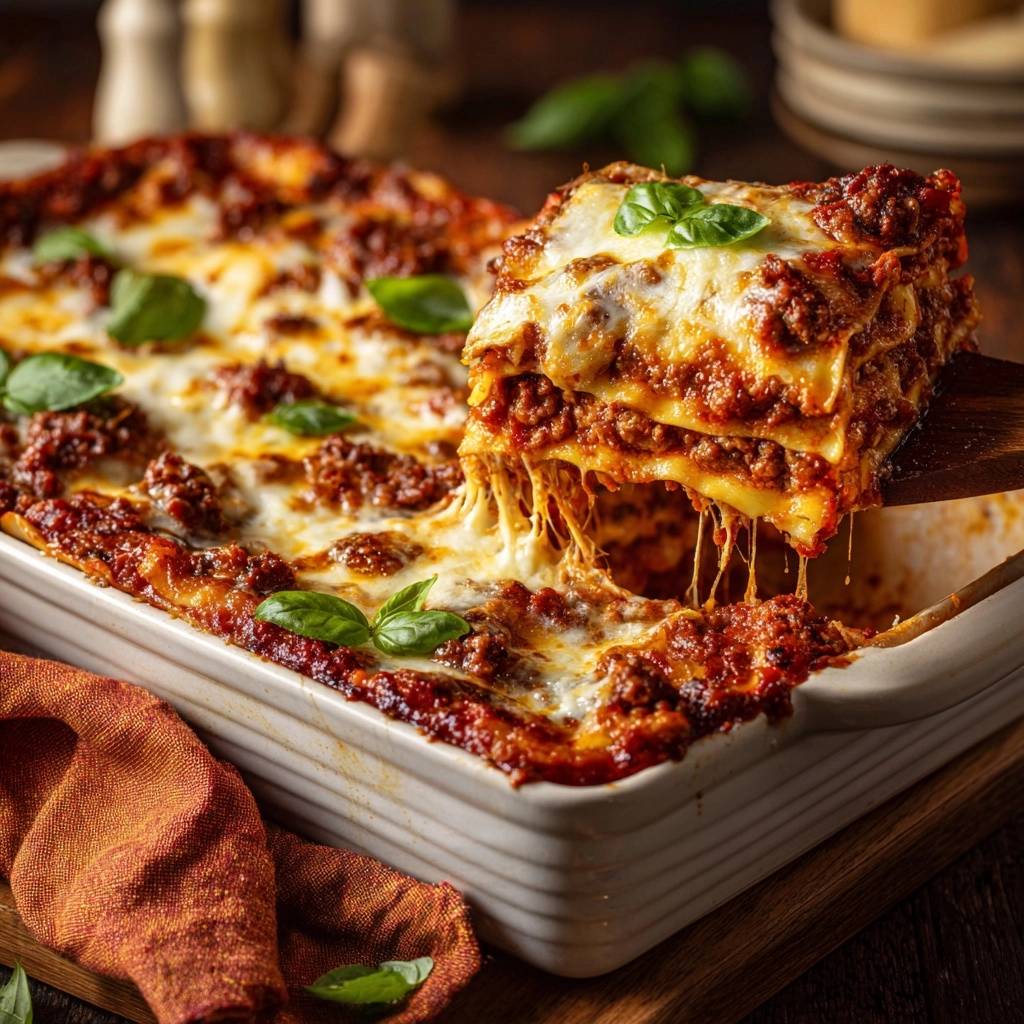
Rest 15 minutes uncovered. Cooling sets starch gelatinization and collagen. Slices come out clean. Hot lasagna falls apart, but rested it’s perfect.
Make-Ahead and Freezing Beef Lasagna Guide
Assemble-and-Bake Strategies
Assemble up to 24 hours ahead in the fridge. Flavors meld beautifully. Add 10 minutes bake time straight from cold. Portion into singles for easy meals.
Freezer Storage for 3 Months
Line dish with foil, assemble, and wrap double. Freeze unbaked up to 3 months. Thaw overnight in fridge, bake as directed. For reheating, crisp under broiler. Keeps quality high.
Avoiding Pitfalls in Classic Beef Lasagna
Preventing Watery Ricotta Layers
Undrained ricotta or short simmer causes pooling. Skip salt drain at your peril. Extend sauce simmer 10 minutes if needed. Firm layers await.
Fixing Undercooked Noodles or Dry Edges
Test noodles al dente before layering. Tent foil over edges if browning fast. Place extra mozzarella there for moisture. Even cooking guaranteed.
Resting for Sliceable Structure
15 minutes rest is non-negotiable. Starch sets fully. Cut too soon and it slides. Patience pays off in perfect portions.
Pairing Sides with Classic Beef Lasagna
A crisp green salad with vinaigrette cuts through the richness. Try focaccia brushed with olive oil instead of garlic bread. Caesar salad adds crunch without overpowering.
Sparkling red grape juice pairs nicely. Chianti works too if you prefer. These sides balance the hearty beef perfectly. Dinner feels complete.
Troubleshooting Classic Beef Lasagna Issues
Sauce Too Thin? Quick Fixes
Stir in extra tomato paste or a cornstarch slurry. Simmer longer to reduce. Thickens right up.
Cheese Not Melting Evenly
Shred fresh low-moisture mozzarella. Finish under broiler for even gold. Melts smoothly.
Lasagna Falling Apart on Slice
Rest longer, use a sharp serrated knife. Slight noodle overlap helps bind. Holds together.
Too Salty or Bland Sauce
Taste and add acid like a sugar pinch for balance. Incremental seasoning wins. Perfect flavor.
Vegetarian Swaps for Beef Lasagna
Lentils or mushrooms mimic beef texture. Use plant-based ricotta. Keeps it classic yet meat-free.
How do I store leftovers of Classic Beef Lasagna?
Cool completely, then portion into airtight containers. Refrigerate up to 4 days. Reheat covered at 350°F for 20-25 minutes until hot. Freezes well unbaked or baked; wrap tightly for 2-3 months. Thaw in fridge overnight before reheating. Avoid refreezing after thawing for best texture.
Why is my lasagna watery and how do I fix it?
Most often from undrained ricotta or insufficient sauce simmer. Whey releases during baking, pooling liquid. Always drain ricotta 15 minutes with salt press, and simmer sauce 20+ minutes to evaporate 30-40% moisture. If it happens, bake uncovered longer next time or blot excess before serving. Firm slices guaranteed.
Can I substitute ingredients in Classic Beef Lasagna?
No ricotta? Blend cottage cheese, drained similarly. Ground turkey works for beef, but add olive oil for fat. Fresh herbs? Use 3 tablespoons each oregano and basil. Gluten-free noodles need extra sauce moisture. Low-moisture mozzarella is key; fresh makes it soupy. These keep structure intact.
Why rest lasagna before cutting?
Resting 15 minutes lets starch gelatinize and meat/cheese collagen firm up. Steam escapes, setting layers. Cutting hot causes sliding and mess. Use this time to toss salad. Results in clean, restaurant-style slices that hold shape on plates.
Can I use no-boil noodles for this recipe?
Possible but risky; they absorb moisture unevenly, often staying crunchy or making layers gummy. If trying, increase sauce by 1/2 cup and ensure full coverage. Boiled al dente gives better control and texture. Stick to traditional for foolproof results.
How do I know when lasagna is fully cooked?
After uncovered bake, edges bubble vigorously and cheese turns golden. Internal temp reaches 165°F in center (use thermometer). Knife inserts easily with no resistance. If doubtful, bake 5 more minutes. Rest confirms doneness as it sets.
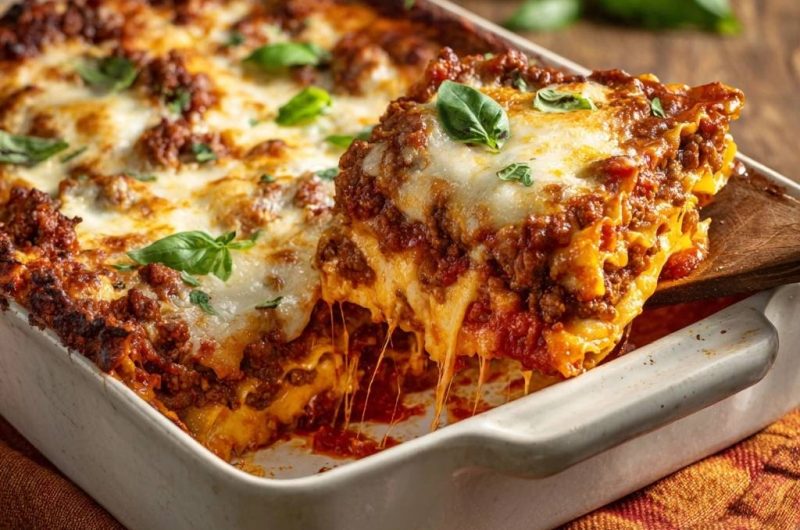
Beef Lasagna
Course: Main CourseCuisine: ItalianDifficulty: medium12
servings30
minutes1
hour450
kcal90
MinutesTired of lasagna that turns into a watery mess? This recipe fixes it with a simple ricotta-draining trick and sauce-simmering step that locks in perfect structure every time, no pooling liquid.
Ingredients
1 pound ground beef
1 onion, finely chopped
3 cloves garlic, minced
28 ounces crushed tomatoes
15 ounces tomato sauce
2 tablespoons tomato paste
1 tablespoon dried oregano
1 tablespoon dried basil
Salt and pepper to taste
15 ounces ricotta cheese
2 cups shredded mozzarella cheese, divided
1 cup grated Parmesan cheese
1 egg
12 lasagna noodles, cooked al dente
Fresh basil leaves for garnish
Directions
- Preheat oven to 375 degrees F. Grease a 9×13-inch baking dish.
- In a large skillet over medium heat, cook ground beef and onion until browned, about 8 minutes. Drain fat. Add garlic and cook 1 minute. Stir in crushed tomatoes, tomato sauce, tomato paste, oregano, basil, salt, and pepper. Simmer 20 minutes, stirring occasionally, until thickened. This reduces excess moisture for firm layers. Cook until no pink remains and it reaches 160°F (71°C).
- Meanwhile, place ricotta in a fine-mesh strainer over a bowl. Sprinkle with 1/2 teaspoon salt and let drain 15 minutes, gently pressing with a spoon to remove whey. This is the key trick, no more soupy layers. Stir drained ricotta with egg, 1 cup mozzarella, and Parmesan.
- Spread 1 cup meat sauce in baking dish. Layer 4 noodles, half the ricotta mixture, 1/3 remaining sauce, and 1/2 cup mozzarella. Repeat layers once. Top with 4 noodles, remaining sauce, and 1/2 cup mozzarella.
- Cover with foil and bake 30 minutes. Uncover and bake 20 minutes more until bubbly and golden. Let rest 15 minutes before slicing, this sets the structure perfectly. Garnish with fresh basil.
Notes
- Key tricks: Drain ricotta to remove whey and simmer sauce to thicken for no soupy layers. Let rest 15 minutes after baking to set structure perfectly.