Easy Garlic Sesame Bok Choy: Perfect Tender-Crisp Every Time
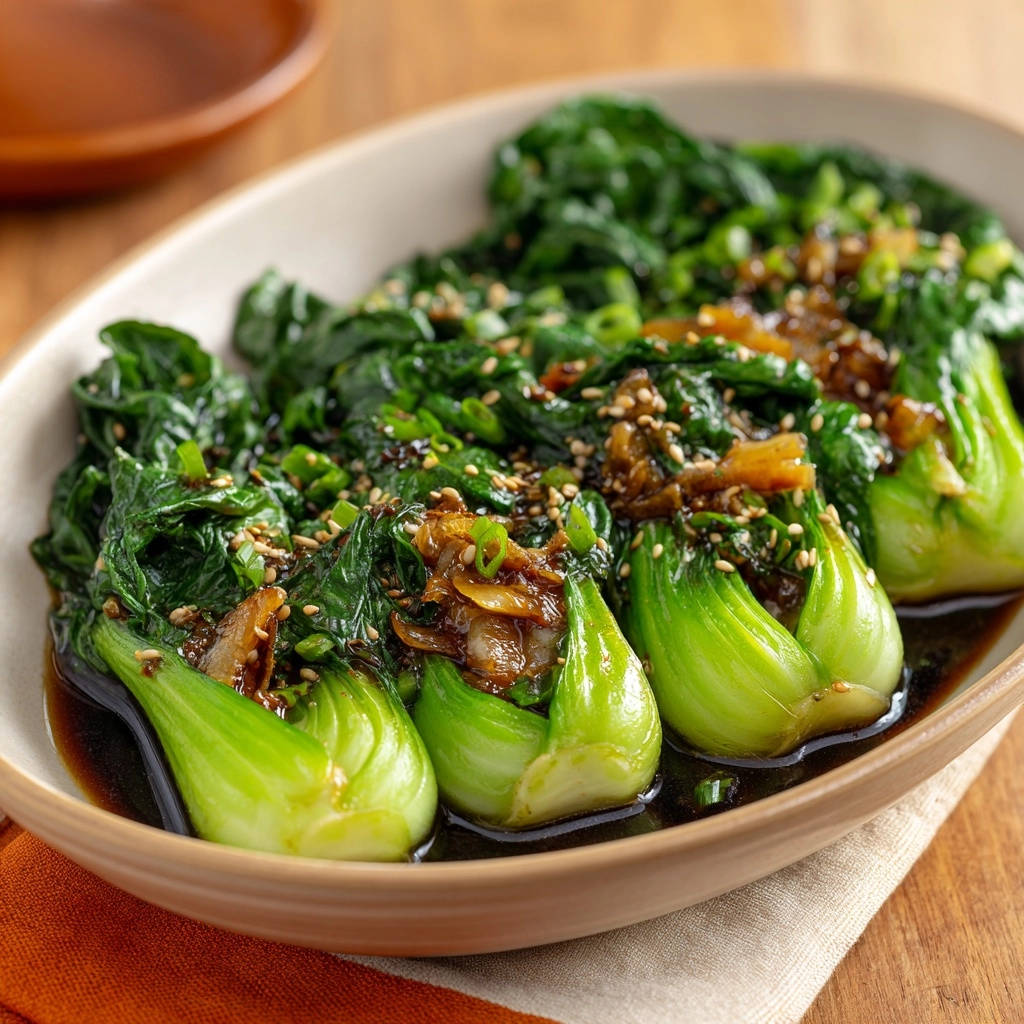
I remember a time when making bok choy at home always resulted in a sad, soggy mess, completely lacking that restaurant-quality crunch. That’s why I’m so excited to share my go-to recipe for Easy Garlic Sesame Bok Choy, which consistently delivers perfectly tender-crisp results.
This dish transforms humble bok choy into a vibrant, flavorful side, making it an absolute weeknight lifesaver you’ll quickly master.
Why Our Easy Garlic Sesame Bok Choy Will Be Your Weeknight Hero
Unlock the Secret to Tender-Crisp Perfection
The key to exceptional bok choy lies in precision cooking, avoiding the common pitfall of overcooking. Our method uses a quick blanching technique that locks in vibrant color and ensures that coveted crisp-tender bite every single time.
This approach elevates the texture, making your bok choy truly shine and never soggy.
Lightning Fast & Flavor-Packed Simplicity
This recipe is designed for busy schedules, coming together in mere minutes from start to finish. With a handful of pantry staples and fresh bok choy, you can create a dish bursting with savory, aromatic flavor.
It’s a truly effortless way to add a healthy, delicious vegetable to any meal.
Versatile Side Dish, Stellar Standalone
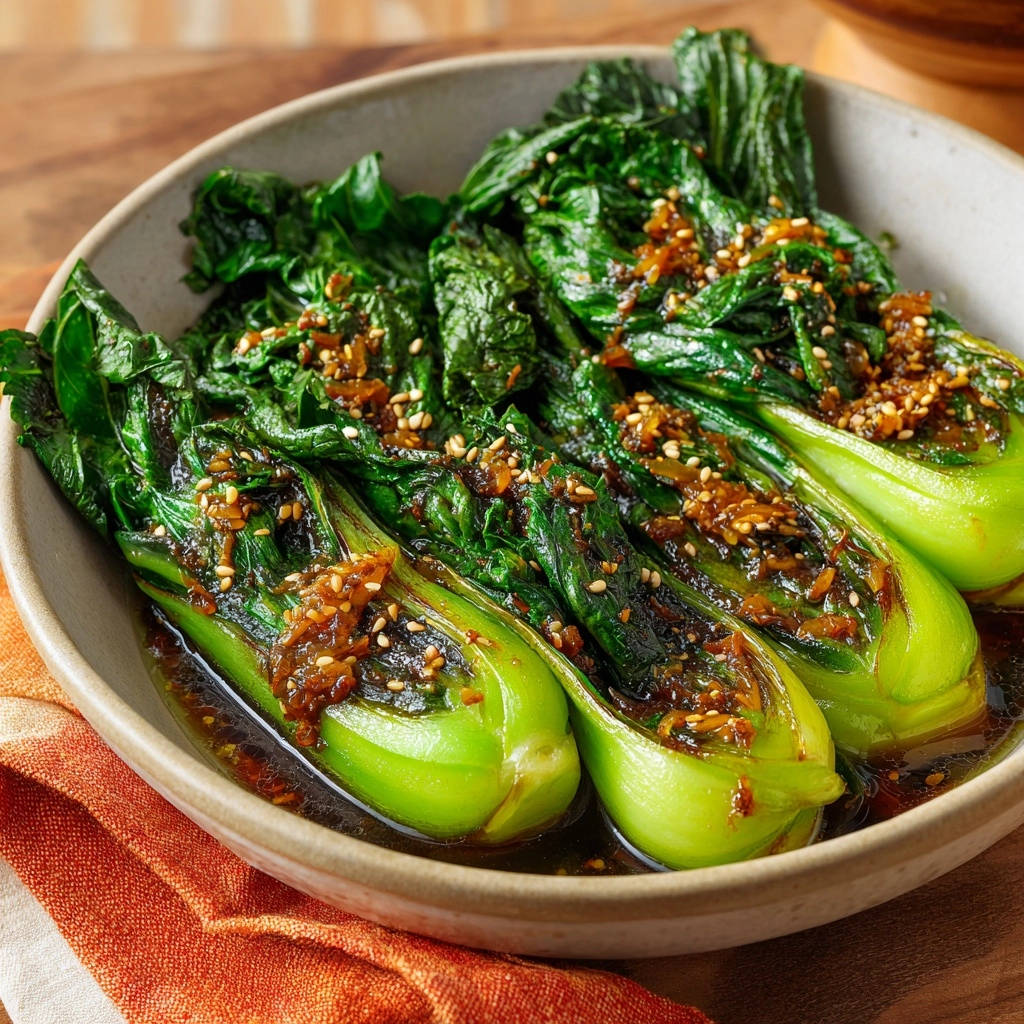
Our Easy Garlic Sesame Bok Choy is incredibly versatile, pairing beautifully with almost any main course. It complements grilled meats, fish, tofu, or even acts as a light, satisfying meal on its own.
Its delicate flavor and delightful texture make it a crowd-pleaser for any occasion.
For a perfect pairing, try our Spicy Sesame Wakame Salad: Crisp Texture Mastery.
The Simple Ingredients Behind Your Flavorful Bok Choy
Fresh Baby Bok Choy: Selecting the Best
Choose baby bok choy with crisp, vibrant green leaves and firm, pale white stalks. Avoid any heads with yellowing leaves, bruising, or slime, as these are signs of spoilage.
Baby bok choy is preferred for its tender texture and quicker cooking time, making it ideal for this recipe.
Aromatic Powerhouses: Garlic & Ginger
Freshly minced garlic provides a pungent, savory base that forms the backbone of our sauce. Grated ginger, while optional, adds a warm, zesty note that brightens the entire dish.
These aromatics are crucial for building deep, authentic flavor in your garlic sesame sauce.
The Umami-Rich Sesame Sauce Essentials
Low-sodium soy sauce delivers the essential umami depth without excessive saltiness. A touch of sugar balances the savory notes, while sesame oil contributes a distinct nutty aroma.
Cornstarch mixed with cold water creates a glossy, thick sauce that coats the bok choy beautifully, enhancing both flavor and texture.
Garnishes for the Perfect Finish
Toasted sesame seeds add a delightful crunch and nutty flavor, along with visual appeal. Thinly sliced green onions provide a fresh, mild oniony bite and a vibrant pop of color.
These garnishes aren’t just for looks; they enhance the overall experience of your Easy Garlic Sesame Bok Choy.
Tools for Your Bok Choy Culinary Journey
Large Pot: Essential for quickly blanching the bok choy. A spacious pot ensures even cooking and prevents overcrowding.
Wok or Large Skillet: Ideal for creating the fragrant sauce. Its wide surface allows for quick cooking and easy tossing of the bok choy.
Small Bowl & Whisk: Necessary for preparing the sauce and ensuring the cornstarch slurry is lump-free.
Mastering Easy Garlic Sesame Bok Choy: A Step-by-Step Guide
Preparation: From Farm to Flavor
Begin by thoroughly rinsing each head of baby bok choy under cold running water. Pay close attention to the base and between the leaves, as dirt can often accumulate there.
Trim off the very end of the root, then cut each head in half lengthwise. If using larger bok choy, separate the white stalks from the green leaves for more uniform cooking.
The Quick Blanch: Your Texture Secret Revealed
Bring a medium pot of water to a rolling boil. Carefully add the prepared bok choy halves (or separated stalks/leaves) to the boiling water.
Cook for just 1 to 2 minutes. The stalks should turn a brighter green and be slightly tender, but still retain a noticeable crisp bite. Do not overcook!
Immediately remove the bok choy from the hot water and drain it very well. You can place it on a clean kitchen towel or paper towels to ensure it’s completely dry and not watery, which is crucial for optimal texture and sauce adherence.
Crafting the Savory Sesame Sauce
In a small bowl, whisk together the low sodium soy sauce, water or vegetable broth, sugar, and sesame oil until well combined. Set this flavorful sauce mixture aside.
Infusing the Aromatics
Heat the cooking oil in a large skillet or wok over medium heat until shimmering. Add the minced garlic and grated ginger (if using) to the hot oil.
Cook for about 30 seconds, stirring constantly, until they become wonderfully fragrant. Be very careful not to burn the garlic, as it can quickly turn bitter.
Achieving That Perfect Sauce Thickness
Give the cornstarch slurry a quick stir right before using it to re-mix if it has settled. Pour the prepared sauce mixture from step 3 into the skillet with the aromatics and bring it to a gentle simmer.
Slowly whisk in the cornstarch slurry, stirring constantly, until the sauce thickens to a beautiful, glossy consistency. This process usually takes less than a minute.
The Final Toss & Plating Perfection
Add the well-drained bok choy directly into the skillet with the thickened sauce. Toss gently for about 30 seconds, ensuring the bok choy is evenly coated with the luscious sauce.
Transfer the Easy Garlic Sesame Bok Choy to a serving dish. Garnish generously with sesame seeds and sliced green onions for a final flourish before serving immediately.
Chef’s Secrets: Elevate Your Easy Garlic Sesame Bok Choy
Don’t Overcook: The Golden Rule for Crispness
The single most important factor for tender-crisp bok choy is precise blanching time. Overcooking even by a minute can result in a soggy texture.
Set a timer and have a colander ready to drain immediately once the bok choy turns bright green and is just slightly tender.
Optimizing Your Cornstarch Slurry
Always mix your cornstarch with cold water before adding it to hot liquid to prevent lumps. Whisk it vigorously just before pouring, as cornstarch can settle quickly.
Add the slurry slowly while whisking constantly into the simmering sauce until your desired thickness is achieved; you might not need all of it.
Flavor Boosters & Variations
Add a pinch of red pepper flakes with the garlic and ginger for a subtle kick of heat.
A dash of rice vinegar (1 teaspoon) can be added to the sauce for a brighter, more acidic profile.
Experiment with different oils; toasted sesame oil for cooking (used sparingly) can intensify the sesame flavor, or use avocado oil for higher smoke point.
Prepping Ahead for Busy Evenings
You can wash and halve the bok choy a day in advance and store it in an airtight container in the refrigerator. The sauce mixture can also be whisked together and refrigerated until ready to use.
This allows for even quicker assembly when dinnertime rushes in.
Common Questions & Quick Fixes for Your Bok Choy
Why Is My Bok Choy Soggy?
This is almost always due to overcooking during the blanching stage. Ensure you only cook it for 1-2 minutes and drain it immediately.
Not draining the bok choy thoroughly after blanching can also contribute to sogginess, so pat it dry if needed.
My Sauce Isn’t Thickening!
Ensure your cornstarch slurry was well-mixed and hasn’t settled. Also, make sure the sauce is at a gentle simmer when you add the slurry, as heat is needed to activate the cornstarch.
If it’s still too thin, you can whisk in another half teaspoon of cornstarch mixed with a tablespoon of cold water, then bring it back to a simmer.
The Garlic Tastes Burnt
Garlic burns very quickly, especially in a hot pan. Reduce your heat to medium and cook the garlic and ginger for only about 30 seconds, or until just fragrant, watching it carefully.
Pairing & Preserving Your Delicious Bok Choy
What to Serve With This Versatile Side
This Easy Garlic Sesame Bok Choy makes an excellent side dish for Asian-inspired meals. It pairs wonderfully with steamed rice and proteins like sheet pan lemon herb white fish, grilled chicken, or pan-seared tofu.
For a perfect pairing, try our Savory Garlic Mushroom Bok Choy Stir-Fry: Crispy Greens!.
It also complements heartier dishes like our crispy glazed chicken bites, balancing rich flavors with a fresh, vibrant vegetable.
Storing Leftovers for Freshness
Store any leftover garlic sesame bok choy in an airtight container in the refrigerator for up to 2-3 days. Its texture might soften slightly upon reheating, but the flavors will remain delicious.
Can I Make This Ahead?
While best served immediately for optimal crispness, you can prepare the bok choy (blanch and drain) and the sauce (whisked) separately ahead of time. Store them refrigerated.
When ready to serve, quickly heat the sauce, then add the blanched bok choy for a quick toss. This minimizes reheating time and preserves texture.
Your Easy Garlic Sesame Bok Choy Questions Answered
Can I use mature bok choy instead of baby bok choy?
Yes, you can, but adjust your preparation. For mature bok choy, separate the white stalks from the green leaves. Blanch the stalks for 2-3 minutes, then add the leaves for the last minute, as they cook faster. Chop the stalks into smaller, bite-sized pieces if preferred.
Is this recipe gluten-free?
The recipe can be made gluten-free by ensuring you use a certified gluten-free low-sodium soy sauce. All other ingredients are typically naturally gluten-free.
How can I make this spicier?
To add heat, incorporate 1/4 to 1/2 teaspoon of red pepper flakes with the garlic and ginger when cooking the aromatics. You could also drizzle a tiny bit of chili oil over the finished dish.
What if I don’t have fresh ginger?
While fresh ginger provides the best flavor, you can substitute with 1/4 teaspoon of ground ginger powder if absolutely necessary. Add it to the sauce mixture rather than cooking it with the garlic, as ground ginger can burn easily.
Can I add other vegetables to this dish?
Absolutely! This recipe is adaptable. Thinly sliced carrots, snow peas, or sliced mushrooms can be added with the bok choy during the blanching phase, or even quickly stir-fried with the aromatics before adding the sauce.
Ready to Enjoy Your Perfect Easy Garlic Sesame Bok Choy?
With these expert tips and a clear, concise guide, you’re now equipped to create the most incredible Easy Garlic Sesame Bok Choy right in your own kitchen. Say goodbye to soggy greens and hello to tender-crisp perfection!
What to Serve with Your Bok Choy
This garlic sesame bok choy has a light, savory crunch that pairs well with richer, protein-heavy dishes. Here are two options that share similar Asian-inspired flavors and crisp textures.
- For a complete meal with contrasting textures, top your bok choy with Crispy Salmon Sushi Bites for a protein boost and golden crunch.
- Soak up the garlic-sesame sauce from the bok choy with Crispy Grilled Rice Balls for a satisfying, chewy side that also brings a toasted exterior.
Give this recipe a try tonight and discover your new favorite side dish. We’d love to hear how it turns out for you!
Garlic Sesame Bok Choy
Course: Side DishCuisine: AsianDifficulty: easy4
servings10
minutes5
minutes240
kcal15
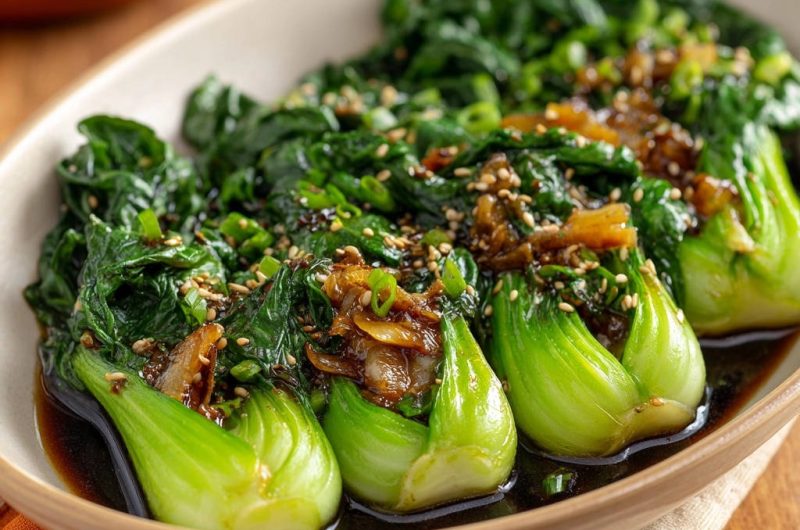
minutesTransform sad, soggy bok choy into a tender-crisp delight with this simple recipe. Achieve restaurant-quality perfection with an easy garlic-sesame sauce, making it a perfect weeknight staple. Quick to prepare and bursting with flavor.
Ingredients
4 heads baby bok choy
1 tablespoon cooking oil (like vegetable or canola)
2 cloves garlic, minced
1/2 inch ginger, grated (optional, but adds great flavor)
1/4 cup low sodium soy sauce
2 tablespoons water or vegetable broth
1 teaspoon sugar
1 teaspoon sesame oil
1 tablespoon cornstarch mixed with 2 tablespoons cold water (cornstarch slurry)
1 tablespoon sesame seeds, for garnish
2 green onions, thinly sliced, for garnish
Directions
- Prepare the bok choy: Rinse each head of baby bok choy thoroughly under cold running water, especially between the leaves, to remove any dirt. Trim off the very end of the root, then cut each head in half lengthwise. If using larger bok choy, you can separate the white stalks from the green leaves.
- Achieve perfect texture: Bring a medium pot of water to a boil. Carefully add the bok choy halves (or separated stalks/leaves). Cook for just 1 to 2 minutes. The stalks should turn a brighter green and be slightly tender, but still have a crisp bite. Do not overcook! Immediately remove the bok choy from the hot water and drain well. You can place it on a clean kitchen towel or paper towels to ensure it’s well-drained and not watery.
- Prepare the sauce: In a small bowl, whisk together the soy sauce, water or vegetable broth, sugar, and sesame oil. Set aside.
- Cook the aromatics: Heat the cooking oil in a large skillet or wok over medium heat. Add the minced garlic and grated ginger (if using) and cook for about 30 seconds until fragrant, being careful not to burn the garlic.
- Thicken the sauce: Give the cornstarch slurry a quick stir to re-mix if it has settled. Pour the prepared sauce mixture into the skillet and bring it to a gentle simmer. Slowly whisk in the cornstarch slurry, stirring constantly until the sauce thickens to a glossy consistency.
- Combine and serve: Add the well-drained bok choy to the skillet with the sauce. Toss gently for about 30 seconds to coat the bok choy evenly with the sauce.
- Transfer the bok choy to a serving dish. Garnish generously with sesame seeds and sliced green onions before serving immediately.
Notes
- Do not overcook bok choy; ensure it’s well-drained for best results.