Easy Pesto Pasta: The Secret to Perfectly Coated Noodles
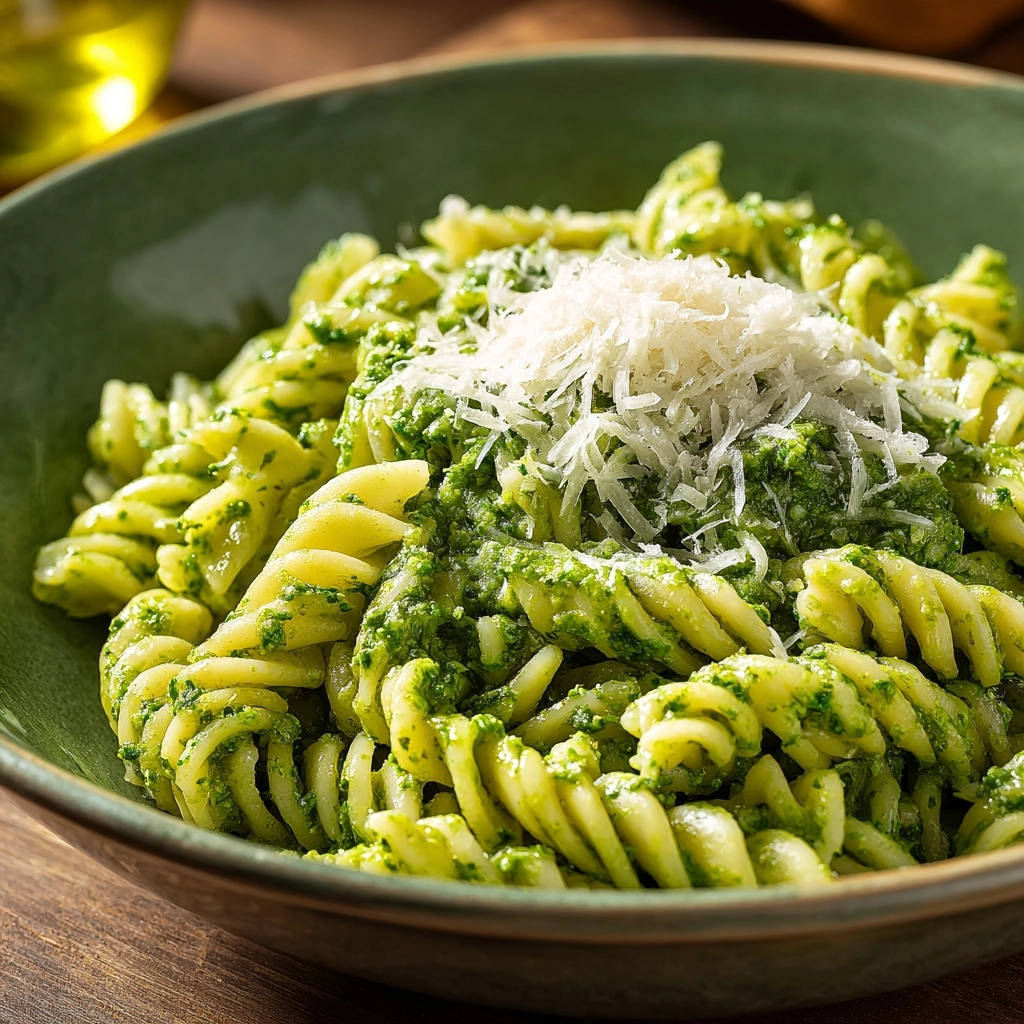
Few things are as frustrating as a beautiful bowl of pesto pasta where the sauce just pools at the bottom, stubbornly refusing to cling to your noodles.
I know the struggle well, but after countless batches, I discovered the game-changing secret to transform your Easy Pesto Pasta into a vibrant, perfectly coated masterpiece every single time.
If you enjoy working with green sauces like pesto, you might like this bright broccoli green sauce for orecchiette.
This recipe focuses on a simple, brilliant trick that guarantees restaurant-quality results for a creamy, clinging basil pesto sauce.
Why This Easy Pesto Pasta Will Be Your New Favorite
The Game-Changing Trick for Sauce That Truly Clings
The secret lies in harnessing the starchy pasta water, transforming a simple pesto into a luscious, emulsified sauce.
This method ensures every single noodle is beautifully enveloped, preventing that disappointing watery residue.
Quick, Flavorful, and Family-Friendly Weeknight Wonder
This Easy Pesto Pasta comes together in minutes, making it an ideal choice for busy weeknights.
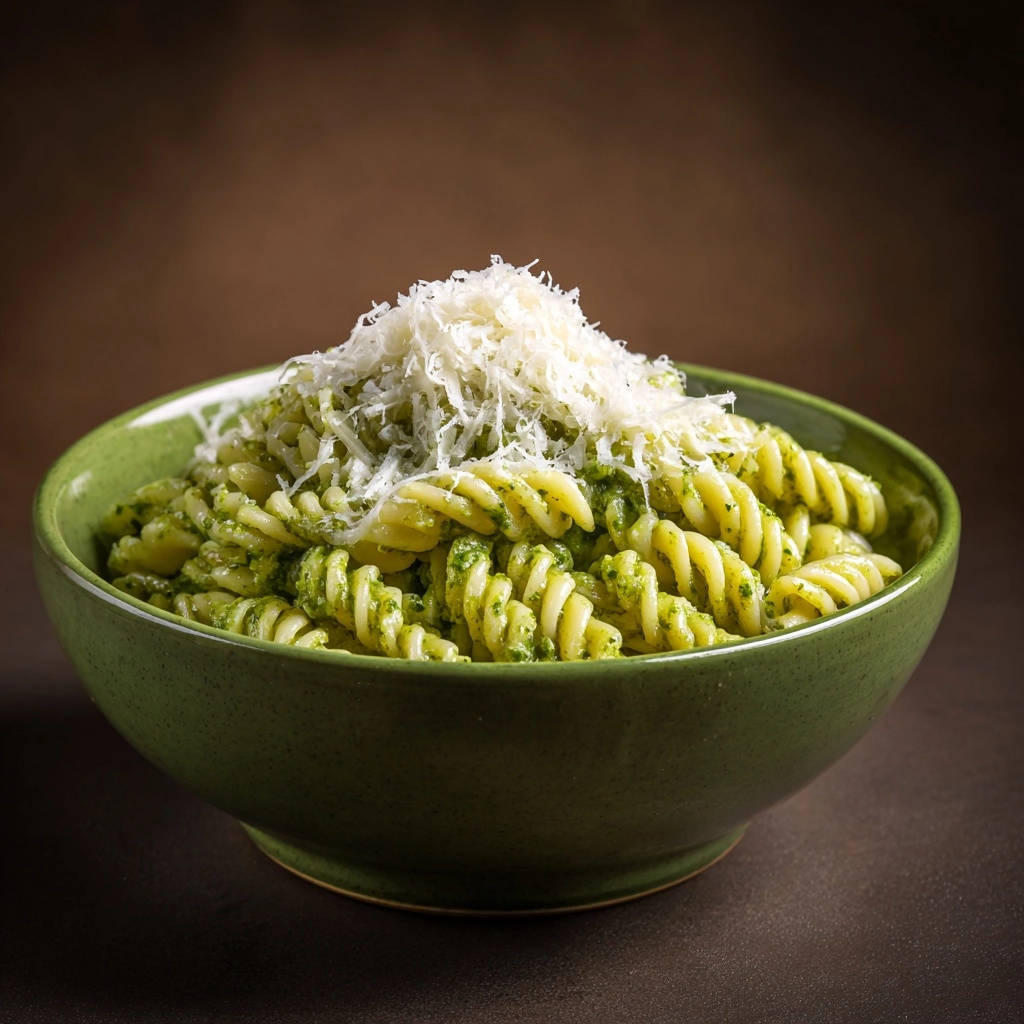
It’s a universally loved dish that satisfies cravings for fresh, herbaceous flavors without a fuss.
From Pantry to Plate: Simple Ingredients, Stunning Results
You only need a handful of readily available ingredients to create a truly delicious and satisfying meal.
The quality of these few components shines through, delivering maximum flavor with minimal effort.
Gather Your Goodness: What You’ll Need for Easy Pesto Pasta
The Pasta Perfected: Choosing Your Noodle Base
Fusilli, with its spiral shape, is exceptional for catching and holding the rich pesto sauce.
Other great options include penne, rotini, or even spaghetti for a classic twist.
Your Pesto Powerhouse: Store-Bought vs. Homemade
High-quality store-bought basil pesto makes this recipe incredibly quick and convenient.
If you have time, homemade pesto offers an unparalleled fresh and vibrant flavor profile.
The Parmesan Factor: Elevating Flavor and Texture
Freshly grated Parmesan cheese melts beautifully into the sauce, adding a salty, umami depth.
It contributes to the creamy texture and provides a perfect finishing touch when serving.
Liquid Gold: The Role of Olive Oil and Starchy Pasta Water
Extra virgin olive oil adds a beautiful richness and sheen to the finished dish.
The starchy pasta water is the emulsifying agent, binding the pesto and cheese into a velvety, clinging sauce.
Essential Tools for Your Easy Pesto Pasta Journey
Large Pot for Boiling Pasta: Essential for ample water, allowing pasta to cook evenly and preventing clumping.
Colander for Draining: Necessary to efficiently separate cooked pasta from the water, retaining precious starchy liquid.
Measuring Cups and Spoons: For accurate ingredient quantities, ensuring consistent results every time.
Large Serving Bowl or the Original Pot: Provides ample space to toss the pasta with the sauce without making a mess.
Tongs or Large Spoon for Tossing: Facilitates even coating of the pasta with the pesto, cheese, and starchy water.
Your Path to Easy Pesto Pasta Perfection: A Detailed Guide
- Boil the Pasta:
Bring a large pot of heavily salted water to a rolling boil.
Add the fusilli pasta and cook according to package directions until al dente, ensuring it’s still firm to the bite.
- Harvest the Secret Weapon:
Before draining, scoop out about 1 cup of the starchy pasta cooking water and set it aside.
This cloudy, starchy liquid is crucial for emulsifying your sauce.
- Drain, Don’t Rinse:
Drain the pasta thoroughly, but DO NOT rinse it.
The residual starch on the pasta surface is vital for the sauce to adhere properly.
- Combine Hot Pasta and Ingredients:
Immediately transfer the hot, drained pasta back into the empty pot or a large serving bowl.
Add the prepared basil pesto and the 1/2 cup of grated Parmesan cheese.
- Emulsify and Toss:
Begin to toss the pasta with the pesto and cheese.
Gradually add a few tablespoons of the reserved starchy pasta water, one spoonful at a time, as you toss.
The heat from the pasta will help emulsify the pesto with the starchy water, creating that luscious, creamy coating.
- Achieve Perfect Consistency:
Continue adding pasta water until the sauce reaches your desired consistency, generously clinging to all the noodles without being watery or pooling.
- Final Richness:
Drizzle with 2 tablespoons of olive oil for extra richness and a beautiful shine, then toss one last time to incorporate.
- Serve and Savor:
Serve your perfectly coated easy pesto pasta immediately, topped with extra grated Parmesan cheese for garnish.
Elevate Your Easy Pesto Pasta: Chef’s Tips & Tricks
The Starchy Water Principle: Why It Works
The starch released from the pasta creates a natural emulsifier when combined with the pesto and heat.
This allows the oil-based pesto to bind with water, forming a thick, creamy sauce that truly adheres.
Choosing Your Pesto Wisely: Quality Matters
Invest in a good quality basil pesto for the best flavor foundation, whether store-bought or homemade.
Taste your pesto beforehand and adjust seasoning if needed before adding it to the pasta.
Al Dente Perfection: The Foundation of Great Pasta
Cooking your pasta al dente ensures it has a pleasant chew and won’t become mushy when tossed with the hot sauce.
Slightly undercooked pasta also has more surface starch, which aids in sauce adhesion.
Don’t Rinse! Preserving the Pasta’s Stickiness
Rinsing pasta washes away the precious starch coating that helps the sauce cling.
Always drain thoroughly without rinsing for the best texture and sauce adherence.
Adjusting Seasoning for Peak Flavor
Always taste the finished Easy Pesto Pasta before serving and adjust salt or pepper as necessary.
A little extra fresh Parmesan can also brighten the flavors beautifully.
Beyond the Basic Bowl: Serving Ideas & Personal Touches
Perfect Pairings: What to Serve Alongside
A simple green salad with a light vinaigrette offers a refreshing counterpoint to the rich pasta.
Crusty garlic bread is perfect for soaking up any extra sauce.
Make It Your Own: Easy Customization Ideas
Stir in sun-dried tomatoes or cherry tomatoes for bursts of sweetness and color.
A squeeze of fresh lemon juice at the end can brighten the whole dish.
Protein Boosters for a Heartier Meal
Add grilled chicken, pan-seared shrimp, or flaked salmon for a complete protein-packed meal.
Sautéed chickpeas or white beans also offer a delicious vegetarian protein option.
Planning Ahead: Storing & Enjoying Leftover Easy Pesto Pasta
Best Practices for Refrigeration
Store any leftover Easy Pesto Pasta in an airtight container in the refrigerator for up to 3-4 days.
Ensure it cools completely before sealing to prevent condensation.
Reheating for Optimal Flavor and Texture
Gently reheat leftovers in a skillet over low heat, adding a splash of water or broth to loosen the sauce.
Microwaving is an option, but stir frequently and add liquid to prevent drying out.
Can You Make Pesto Pasta Ahead of Time?
While best fresh, you can prep components like pesto and cook pasta al dente in advance.
It’s always best to combine the pasta and sauce just before serving to maintain optimal texture and cling.
Solving Common Pesto Pasta Puzzles
Why is my sauce watery and sliding off the pasta?
This usually happens if you rinse your pasta, removing the essential surface starch.
It can also occur if you don’t add enough starchy pasta water to create a stable emulsion, or if the pasta isn’t hot enough to help emulsify.
My pesto doesn’t taste vibrant enough.
The quality of your pesto is key; ensure it’s fresh and flavorful.
A little fresh lemon juice, extra Parmesan, or a pinch of red pepper flakes can often awaken the flavors.
The pasta is clumping together after draining.
This can happen if you don’t use enough water in your pot or if you let the pasta sit too long before saucing.
Immediately tossing the hot, drained pasta with the pesto and cheese helps prevent clumping.
Your Easy Pesto Pasta Questions, Answered!
What kind of pasta works best for pesto?
Short, shaped pastas like fusilli, penne, or rotini are excellent as their crevices trap the sauce.
Long pasta like spaghetti or linguine also works beautifully, creating a silky, satisfying coating.
Can I use frozen pesto for this recipe?
Absolutely! Thaw your frozen basil pesto in the refrigerator overnight or gently in a bowl of warm water.
Ensure it’s well-mixed after thawing, as the oils can sometimes separate.
Is it okay to add cream to pesto pasta?
While this recipe achieves creaminess through emulsion, a touch of heavy cream can be added for extra richness.
Stir it in with the pesto and Parmesan before adding the pasta water for a decadent twist.
How long does pesto pasta last in the fridge?
When stored properly in an airtight container, Easy Pesto Pasta will remain delicious for 3 to 4 days in the refrigerator.
Can I make this recipe gluten-free or dairy-free?
Yes, simply substitute regular pasta with your favorite gluten-free pasta option.
For a dairy-free version, use a dairy-free pesto and omit the Parmesan cheese, or use a plant-based Parmesan alternative.
Ready to Impress? Share Your Perfectly Coated Pesto Pasta!
Now that you know the secret to achieving that coveted, perfectly clinging sauce, there’s nothing stopping you from creating the most delicious Easy Pesto Pasta.
This recipe is a testament to how simple techniques can elevate everyday dishes to extraordinary meals, guaranteed to impress anyone at your table.
Go ahead, try this game-changing trick, and share your vibrant, beautifully coated pesto pasta creations!
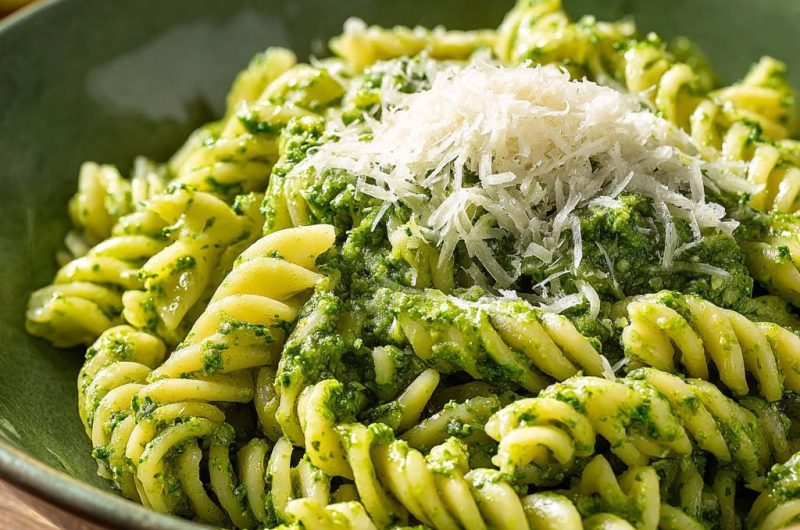
Pesto Pasta
Course: Main CourseCuisine: ItalianDifficulty: easy4
servings10
minutes10
minutes650
kcal20
minutesDiscover the secret to perfectly coated pesto pasta where every noodle is hugged by vibrant sauce. This game-changing trick ensures a rich, flavorful bite without any pooling at the bottom. Quick, easy, and incredibly satisfying!
Ingredients
1 pound fusilli pasta
1 and 1/2 cups prepared basil pesto
1/2 cup grated Parmesan cheese, plus more for serving
2 tablespoons olive oil
Salt for pasta water
Directions
- Bring a large pot of salted water to a rolling boil. Add the fusilli pasta and cook according to package directions until it is al dente, meaning still firm to the bite.
- Before draining, here’s the game changing trick for clinging sauce: Scoop out about 1 cup of the starchy pasta cooking water and set it aside. This cloudy, starchy water is your secret weapon!
- Drain the pasta well, but do not rinse it. The residual starch on the pasta helps the sauce adhere.
- Immediately transfer the hot, drained pasta back into the empty pot or a large serving bowl.
- Add the prepared basil pesto and the 1/2 cup of grated Parmesan cheese to the hot pasta.
- Begin to toss the pasta with the pesto and cheese. As you toss, gradually add a few tablespoons of the reserved pasta water, one spoonful at a time. The heat from the pasta will help emulsify the pesto with the starchy water, creating a luscious, creamy sauce that beautifully coats every spiral of the fusilli.
- Continue adding pasta water until the sauce reaches your desired consistency and generously clings to all the noodles without being watery or pooling at the bottom.
- Drizzle with 2 tablespoons of olive oil for extra richness and shine, then toss one last time.
- Serve immediately, topped with extra grated Parmesan cheese. Enjoy your perfectly coated pesto pasta!
Notes
- The secret to clinging sauce is using reserved starchy pasta water to emulsify the pesto.