Honey Balsamic Roasted Beets: The Secret to Loving Beets
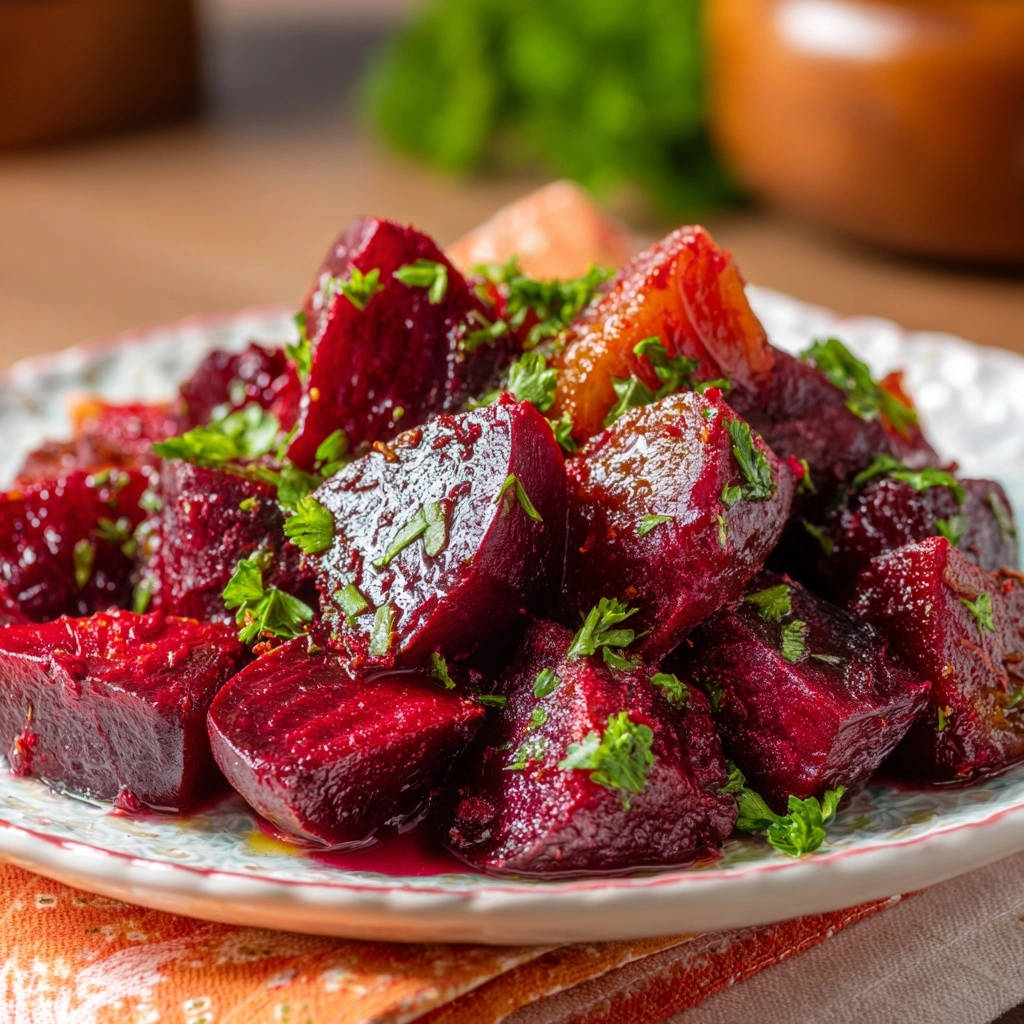
For years, I believed beets and I just weren’t meant to be, always finding their earthy flavor a challenge to truly enjoy. Then, I perfected this Honey Balsamic Roasted Beets recipe, which completely transformed my perception and made me a true beet enthusiast.
This simple method unlocks an incredible sweetness and tender texture, proving that even the strongest skeptics can fall in love with this vibrant vegetable. Prepare for irresistibly tender, sweet, and tangy beets that will become a go-to side dish.
From Beet Skeptic to Enthusiast: Discovering Your New Favorite Side
If you’ve ever shied away from beets, this recipe is your invitation to a culinary revelation. These Honey Balsamic Roasted Beets aren’t just good; they’re genuinely transformative, turning a polarizing vegetable into an irresistible delight.
What Makes These Roasted Beets a Game Changer?
This recipe delivers an unparalleled texture and flavor profile that challenges every preconceived notion about beets. You’ll find them incredibly tender, not tough or fibrous.
The perfect balance of sweet and tangy notes creates an addictive glaze, enhancing their natural flavors rather than overpowering them. This combination truly elevates them beyond a simple root vegetable.
Beyond Earthy: The Flavor Transformation Explained
The magic happens with the careful interplay of balsamic vinegar and honey during the roasting process. Balsamic vinegar introduces a complex tang and acidity that brightens the beets, cutting through any overwhelming earthiness.
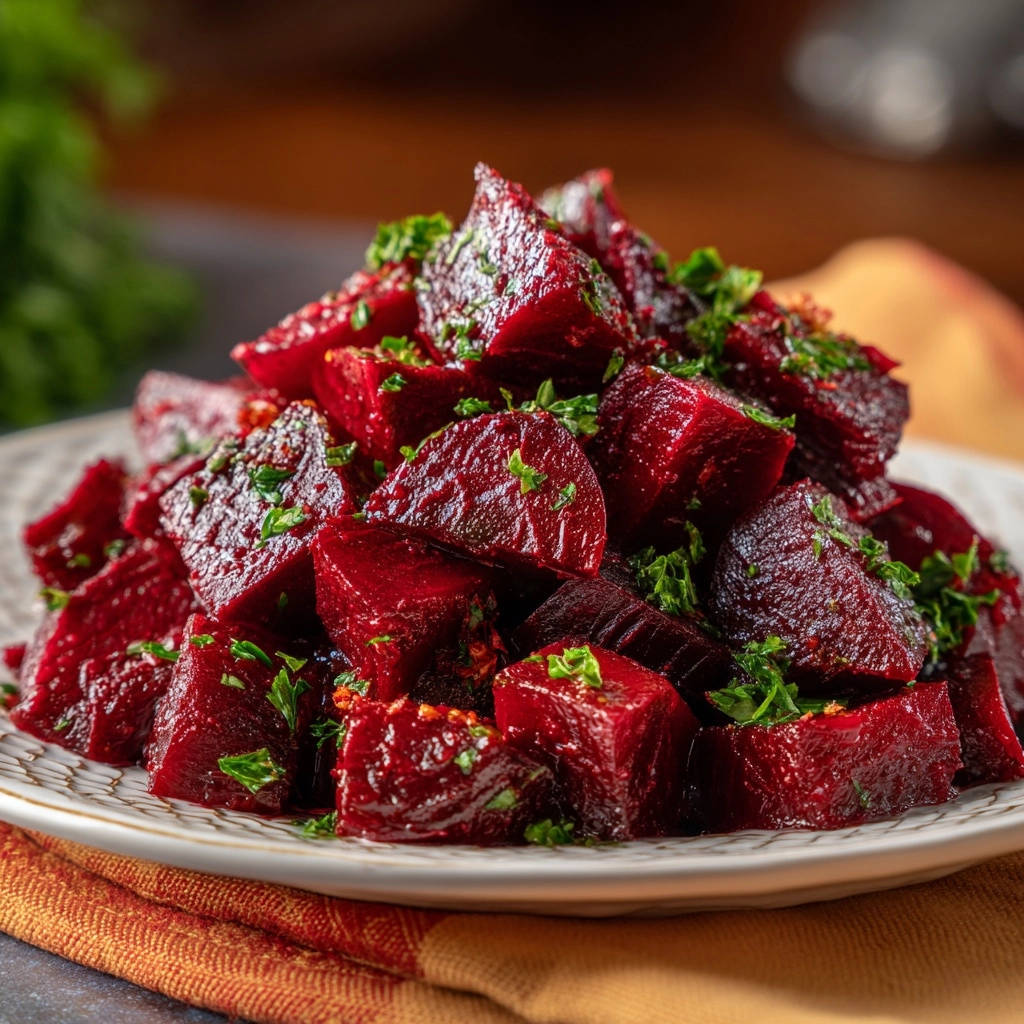
Honey (or maple syrup) provides a gentle, natural sweetness that caramelizes beautifully, further mellowing the beets’ robust flavor. Roasting itself concentrates their sugars, bringing out an inherent sweetness you might not have known existed.
Gather Your Vibrant Palette: Essential Ingredients for Roasting
Crafting delicious Honey Balsamic Roasted Beets starts with quality ingredients. Each component plays a vital role in achieving that perfect balance of flavor and texture.
The Star: Selecting and Preparing Your Beets
Choose fresh, firm beets with smooth skin and vibrant color; avoid any with soft spots or blemishes. Medium-sized beets are ideal, as they roast more evenly and offer a good balance of sweetness.
Thoroughly wash your beets to remove any dirt, ensuring a clean canvas for roasting. This simple step is key to a delightful dish.
The Sweet & Tangy Embrace: Honey Balsamic Dressing
Olive oil acts as a crucial fat, helping to conduct heat, prevent sticking, and promote even caramelization. It also ensures the dressing adheres beautifully to each beet piece.
Balsamic vinegar provides the essential tang and acidity, transforming the beets’ inherent earthiness into a rich, complex flavor. Its depth is irreplaceable in this sweet and tangy beets recipe.
Honey (or maple syrup) introduces a natural sweetness that balances the balsamic and encourages delicious caramelization. It’s vital for creating that irresistible, slightly sticky glaze.
Seasonings and Fresh Finishers: The Flavor Amplifiers
Salt enhances all the flavors, drawing out the natural sweetness of the beets and creating a more cohesive taste experience. Black pepper adds a subtle warmth and a touch of piquant contrast.
Fresh chopped parsley, added at the very end, brightens the dish with a burst of herbaceous freshness. Its vibrant color also provides a beautiful visual contrast, making your roasted beets recipe even more appealing.
Equipping Your Kitchen: Must-Have Roasting Tools
You don’t need a gourmet kitchen for these Honey Balsamic Roasted Beets. Just a few basic tools will ensure a smooth and successful cooking experience.
Baking Sheets & Parchment: The Foundation for Success
A sturdy baking sheet is essential for even heat distribution, allowing your beets to roast perfectly. Using a large sheet prevents overcrowding, which is crucial for caramelization.
Lining your baking sheet with parchment paper is a non-negotiable step for easy cleanup. It also prevents the delicious honey balsamic glaze from sticking, ensuring every caramelized bit makes it to your plate.
Mixing Bowls & Whisk: Crafting the Perfect Coating
A large mixing bowl provides ample space to thoroughly coat your beets in the dressing without making a mess. This ensures every piece is bathed in flavor.
A whisk is perfect for combining the olive oil, balsamic, honey, and seasonings into a smooth, emulsified dressing. A well-combined dressing guarantees an even coating and consistent flavor throughout your honey balsamic roasted beets.
Achieving Beet Perfection: A Step-by-Step Roasting Guide
Follow these precise steps to create the most tender, flavorful Honey Balsamic Roasted Beets. Each instruction builds towards culinary perfection.
Prep & Preheat: Setting the Stage for Flavor
Preheat your oven to 400°F (200°C) to ensure a hot cooking environment from the start. This rapid heat jump-starts the roasting process, creating beautiful caramelization.
Line a large baking sheet with parchment paper. This simple step prevents sticking and makes cleanup incredibly easy, especially with the sticky honey balsamic glaze.
The Art of the Cut: Transforming Beets for Even Roasting
Wash the beets thoroughly, scrubbing off any dirt. Trim off the beet greens and the root end, leaving a small piece of the stem attached; this helps prevent the vibrant color from bleeding excessively during roasting.
Cut the beets into uniform 1-inch pieces. For medium beets, quartering them or cutting them into chunky wedges works perfectly, ensuring consistent cooking times and optimal texture.
Whisking Wonders: Crafting the Balsamic Glaze
In a large bowl, combine the olive oil, balsamic vinegar, honey (or maple syrup), salt, and black pepper. This forms the foundation of your delicious glaze.
Whisk these ingredients together until they are well combined and emulsified. A thoroughly mixed dressing ensures every beet receives a balanced coating of sweet, tangy, and savory flavors.
Coating & Spreading: Ensuring Every Beet is Bathed in Flavor
Add the chopped beets to the bowl with the prepared dressing. Toss everything together vigorously, ensuring the beets are evenly coated from every angle.
Spread the coated beets in a single layer on the prepared baking sheet. It is crucial not to overcrowd the pan; use two sheets if necessary to allow them to roast beautifully rather than steam.
The Roast: Watching the Magic Unfold in Your Oven
Roast for 30 to 40 minutes, or until the beets are tender when pierced with a fork. You’ll notice slight caramelization around the edges, indicating enhanced sweetness and depth of flavor.
Give them a gentle stir halfway through the cooking time. This promotes even cooking and encourages consistent caramelization on all sides, ensuring perfectly roasted beets.
The Grand Finale: Garnish and Serve
Once roasted, carefully remove the tender beets from the oven and transfer them to a serving dish. The aroma alone will be incredible!
Sprinkle generously with fresh chopped parsley before serving. The vibrant green adds a burst of freshness and a beautiful visual contrast to the deep red of the Honey Balsamic Roasted Beets.
Chef’s Secrets: Elevate Your Honey Balsamic Roasted Beets
Beyond the basic steps, these expert tips will help you achieve truly exceptional Honey Balsamic Roasted Beets every time. These insights come from years of culinary practice.
Preventing “Bleeding”: Smart Beet Prep Techniques
To minimize color bleeding and retain more of the beet’s vibrant hue, leave a small piece of the stem attached during initial preparation. This acts as a natural seal, locking in their beautiful pigments.
While some bleeding is natural, this simple trick ensures your finished dish looks as appealing as it tastes. It’s a small detail that makes a big difference in presentation.
The Golden Rule of Roasting: Don’t Overcrowd the Pan
This is arguably the most critical roasting tip: overcrowding your baking sheet turns roasting into steaming. Beets will release moisture, and without enough space, they’ll sit in that moisture.
Ensure your beets are spread in a single layer with a little space between each piece. This allows for proper air circulation, leading to beautifully caramelized, tender, and not soggy, Honey Balsamic Roasted Beets.
Achieving Perfect Tenderness and Caramelization
Perfectly roasted beets should be fork-tender with a pleasant bite, not mushy. Look for slightly darkened, sticky-sweet edges as a sign of ideal caramelization.
If they feel firm after 30 minutes, continue roasting in 5-minute increments until they reach your desired tenderness. The caramelization adds a deep, complex sweetness to your healthy beet recipe.
Customizing Your Sweetness and Tang: Flavor Adjustments
The beauty of this balsamic glazed beets recipe is its flexibility. Taste the dressing before adding the beets and adjust to your preference.
If you prefer a sweeter flavor, add another teaspoon of honey or maple syrup. For more tang, a splash more balsamic vinegar will do the trick, ensuring the dish perfectly suits your palate.
More Than a Side: Creative Ways to Enjoy Your Roasted Beets
Honey Balsamic Roasted Beets are incredibly versatile and can elevate many dishes beyond just a simple side. Their vibrant color and flavor make them a culinary powerhouse.
Pairing Perfection: What Dishes Complement Beets Best?
These sweet and tangy beets are a fantastic accompaniment to roasted chicken, beef tenderloin, or pan-seared salmon. Their bright flavor cuts through richer proteins beautifully.
If you love this honey balsamic combo, try a similar approach with these balsamic glazed beets and carrots.
They also pair wonderfully with other roasted vegetables like carrots or sweet potatoes for a colorful and nutritious medley. Consider serving them alongside a creamy goat cheese for an exquisite contrast.
Salads & Bowls: Adding a Pop of Color and Flavor
Chop leftover Honey Balsamic Roasted Beets and add them to your favorite green salad for a burst of color and sweetness. They pair especially well with feta cheese, walnuts, and a light vinaigrette.
Incorporate them into grain bowls with quinoa, farro, or brown rice for a hearty and nutritious meal. They bring a delightful chewiness and sweet-savory punch to any power bowl.
Try these same roasting techniques with other vegetables by checking out this guide to crisp roasted root vegetables.
Unexpected Uses: Beyond the Dinner Plate
Puree roasted beets with a little vegetable broth for a vibrant and earthy soup. The balsamic and honey notes will add depth to the broth, creating a unique and comforting dish.
Roughly mash them with some cream cheese or goat cheese for a delicious spread or dip, perfect for crackers or crostini. This offers a creative way to enjoy the incredible flavors of your easy beet side dish.
Plan Ahead for Flavor: Storing and Reheating Tips
Preparing your Honey Balsamic Roasted Beets can be a joyful experience, and knowing how to store and reheat them ensures you enjoy their deliciousness for days.
What to Serve with Honey Balsamic Roasted Beets
The sweet-tangy glaze on these roasted beets works well with savory herb-coated meats. Both suggestions below pick up on similar balsamic-herb notes and make for a balanced plate.
- A side of Glazed Herb Chicken & Potatoes brings the same caramelized glaze technique and earthy potatoes that echo the beets’ roasted depth.
1.5 pounds fresh beets, medium size
2 tablespoons olive oil
2 tablespoons balsamic vinegar
1 tablespoon honey or maple syrup
1/2 teaspoon salt
1/4 teaspoon black pepper
2 tablespoons fresh parsley, chopped
- Preheat your oven to 400°F (200°C). Line a baking sheet with parchment paper for easy cleanup.
- Wash the beets thoroughly, scrubbing off any dirt. Trim off the beet greens and the root end, leaving a small piece of the stem attached to prevent excessive bleeding during roasting. You can leave the skins on, or peel them if preferred.
- Cut the beets into 1-inch pieces. For medium beets, quartering them or cutting them into chunky wedges works well.
- In a large bowl, combine the olive oil, balsamic vinegar, honey (or maple syrup), salt, and black pepper. Whisk these ingredients together until well combined.
- Add the chopped beets to the bowl with the dressing. Toss everything together, ensuring the beets are evenly coated. This step is crucial for developing a balanced flavor that counters the natural earthiness of the beets.
- Spread the coated beets in a single layer on the prepared baking sheet. Make sure not to overcrowd the pan; use two sheets if necessary to allow them to roast rather than steam.
- Roast for 30 to 40 minutes, or until the beets are tender when pierced with a fork and slightly caramelized around the edges. Give them a gentle stir halfway through the cooking time.
- Once roasted, remove the beets from the oven and transfer them to a serving dish. Sprinkle with fresh chopped parsley before serving. Enjoy your perfectly flavored, tender beets!
Best Practices for Storing Leftovers
Allow any leftover roasted beets to cool completely to room temperature before storing. This prevents condensation which can lead to sogginess.
Transfer the cooled beets to an airtight container and refrigerate for up to 3-4 days. Proper storage ensures they retain their flavor and texture, ready for future meals.
Reheating Roasted Beets: Keeping Them Delicious
For best results, reheat your Honey Balsamic Roasted Beets gently in the oven at 300°F (150°C) for about 10-15 minutes, or until warmed through. This helps to re-crisp the edges slightly.
Alternatively, you can warm them in a microwave, though the texture may be slightly softer. If microwaving, stir halfway through to ensure even heating.
Make-Ahead Magic: Prepping for Future Meals
You can wash, trim, and cut your beets up to 2 days in advance, storing them in an airtight container in the refrigerator. This cuts down on prep time on cooking day.
The balsamic dressing can also be whisked together ahead of time and stored in a jar in the fridge. Simply toss the prepped beets with the dressing and roast when you’re ready for fresh, healthy beet recipe.
Solving Common Beet Blunders: Your Roasting Rescue Guide
Even expert cooks encounter challenges, but with these solutions, you’ll overcome common issues and perfect your Honey Balsamic Roasted Beets every time.
Why Are My Beets Still Earthy?
If your beets still taste too earthy, it might mean they need more time for the flavors to meld, or a slight adjustment to the dressing. Ensure they are well caramelized.
For future batches, consider adding an extra splash of balsamic vinegar or a squeeze of fresh orange juice to the dressing; acidity is excellent for countering earthiness. Ensuring proper caramelization during roasting also mellows this flavor.
My Beets Aren’t Tender Enough!
Undercooked beets are often due to insufficient roasting time or pieces being too large. If they’re still firm after the recommended time, simply return them to the oven.
Continue roasting in 5-10 minute increments until they are fork-tender. Next time, double-check your beet piece size; uniformity ensures consistent cooking.
Help, My Beets Are Soggy!
Soggy beets are almost always a result of overcrowding the pan. When too many beets are packed together, they steam instead of roast, trapping moisture.
To prevent this, ensure your beets are spread in a single layer with ample space between them. If necessary, use two baking sheets. High oven temperature is also crucial for evaporating moisture quickly.
Your Burning Beet Questions Answered
Get quick answers to some of the most frequently asked questions about making the best Honey Balsamic Roasted Beets.
Do I Have to Peel Beets for Roasting?
No, you do not have to peel beets for roasting! The skin becomes tender and edible during the roasting process, and it contains valuable nutrients and fiber.
Leaving the skin on also saves prep time and helps retain the vibrant color. If you prefer a smoother texture, you can peel them after roasting when the skins slip off easily.
Can I Use Different Kinds of Beets?
Absolutely! This recipe works beautifully with golden beets, striped chioggia beets, or even baby beets. Each variety offers slightly different nuances in sweetness and earthiness.
Golden beets tend to be less earthy and sweeter, while striped beets offer a stunning visual appeal. Adjust roasting times slightly for smaller baby beets, as they will cook faster.
What if I Don’t Have Honey?
The recipe already suggests maple syrup as an excellent alternative to honey, offering a similar sweetness and sticky glaze. Brown sugar can also be used in a pinch.
If using brown sugar, dissolve it thoroughly in the wet ingredients before tossing with the beets. Both alternatives will still deliver delicious balsamic glazed beets.
Can I Roast Beets with Other Vegetables?
Yes, you can roast beets with other vegetables, but choose ones with similar cooking times and density. Root vegetables like carrots, parsnips, or sweet potatoes are good companions.
Ensure all vegetables are cut to a similar size for even cooking. You might need to adjust roasting time slightly based on the combined volume and specific vegetables used.
Embrace the Beet Revolution: Your Culinary Adventure Awaits!
You now hold the secret to unlocking the incredible potential of beets, transforming them into an absolutely irresistible dish. These Honey Balsamic Roasted Beets are more than just a recipe; they’re an experience designed to convert even the staunchest beet skeptics.
Don’t just take my word for it-try this recipe for yourself and prepare to be amazed. Embrace the vibrant flavors, the tender texture, and the sheer joy of creating something truly delicious. Share your culinary adventure with us!
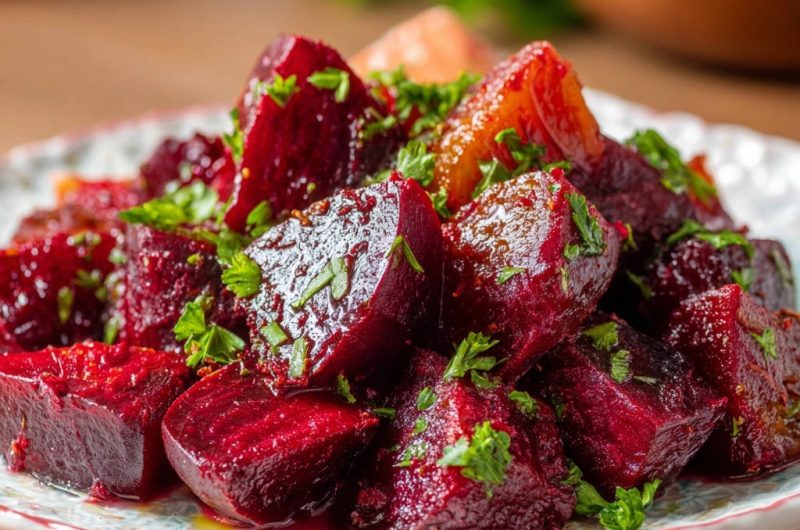
Roasted Beets
Course: Side DishCuisine: InternationalDifficulty: easy4
servings15
minutes30
minutes170
kcal45
minutesIf you think you don’t like beets, this recipe will change your mind. Simple to make, these roasted beets are irresistibly tender and sweet with a perfect balance of tang from balsamic vinegar and honey. A truly delicious way to enjoy this vibrant vegetable.
Ingredients
Directions
Notes
- Great for beet skeptics, this recipe makes beets tender, sweet, and tangy.