Gochujang Corn Ribs with No-Burn Sticky Glaze
Why Gochujang Corn Ribs Transform Summer Grilling
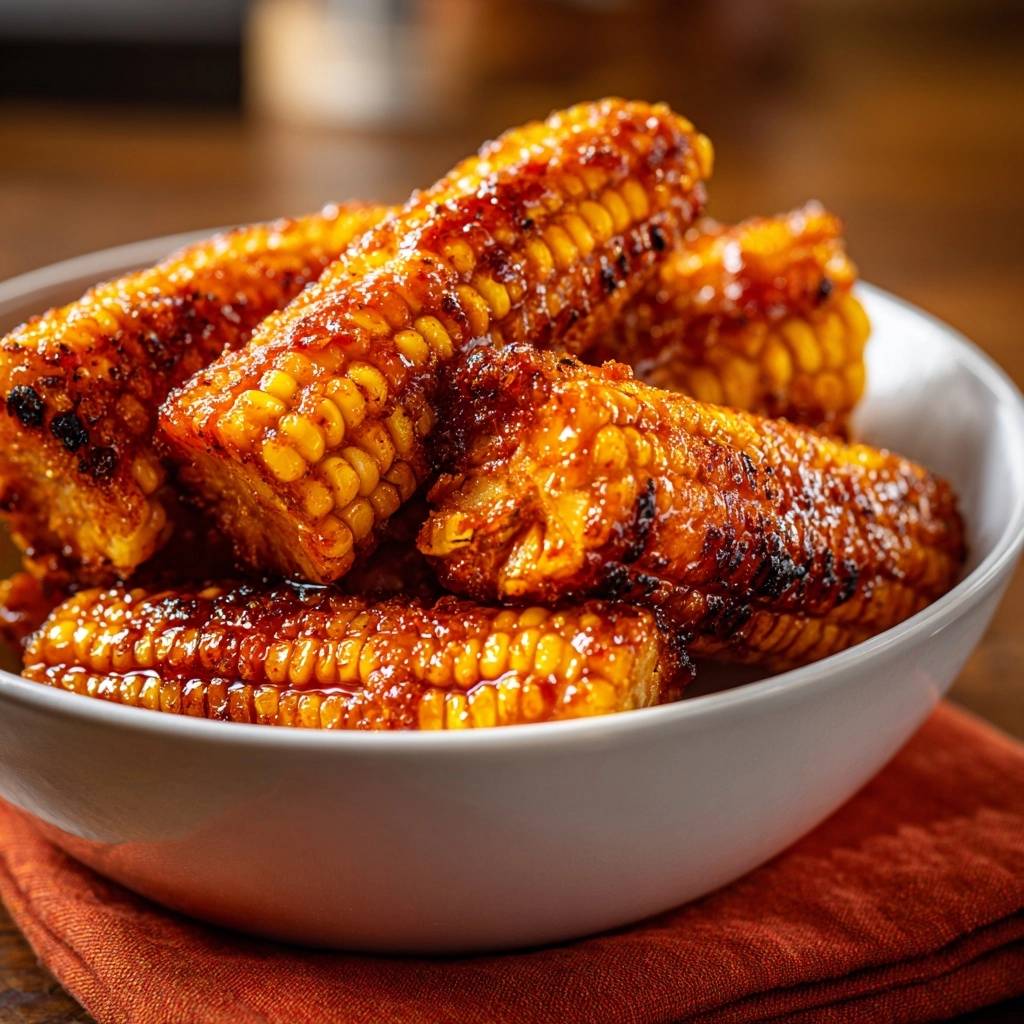
Glazes on corn always burn before the kernels hit that perfect tenderness, right? You end up scraping off charred bits or settling for soggy results. But this gochujang corn ribs method flips the script. Roast first at 400 degrees for juicy char, then broil the sticky glaze for seconds. No scorch marks, just spicy-sweet perfection.
Therefore, corn ribs went viral on TikTok for their fun, shareable shape, and now pro kitchens love them too. Gochujang’s fermented heat cuts through corn’s natural sweetness way better than plain butter. You’ll get crispy edges that snap, with a glossy glaze that clings just right.
The secret? Pre-roasting gelatinizes the starches first. That builds flavor without drying out the corn. Then the broiler caramelizes the honey and gochujang fast on a hot surface. Game-changer.
Key Ingredients for Gochujang Corn Ribs Glaze
Fresh corn on the cob brings all the moisture you need. Pick ears with tight, bright green husks and plump kernels that yield slightly under your thumb. Fresh beats frozen every time, since frozen corn releases too much water and turns mushy during roasting.
Gochujang paste delivers fermented heat and umami. It’s the star for that spicy-sweet kick. Go for brands like Bibigo for mild or Haechandle for hotter versions, and store it in the fridge for up to a year.
Honey balances the heat with caramelization power. In addition, melted unsalted butter adds richness without sogginess. Soy sauce and sesame oil amp up the savory depth, while minced garlic punches through. No maple? Honey’s floral notes work best here. Sesame seeds and green onions garnish for crunch and freshness.
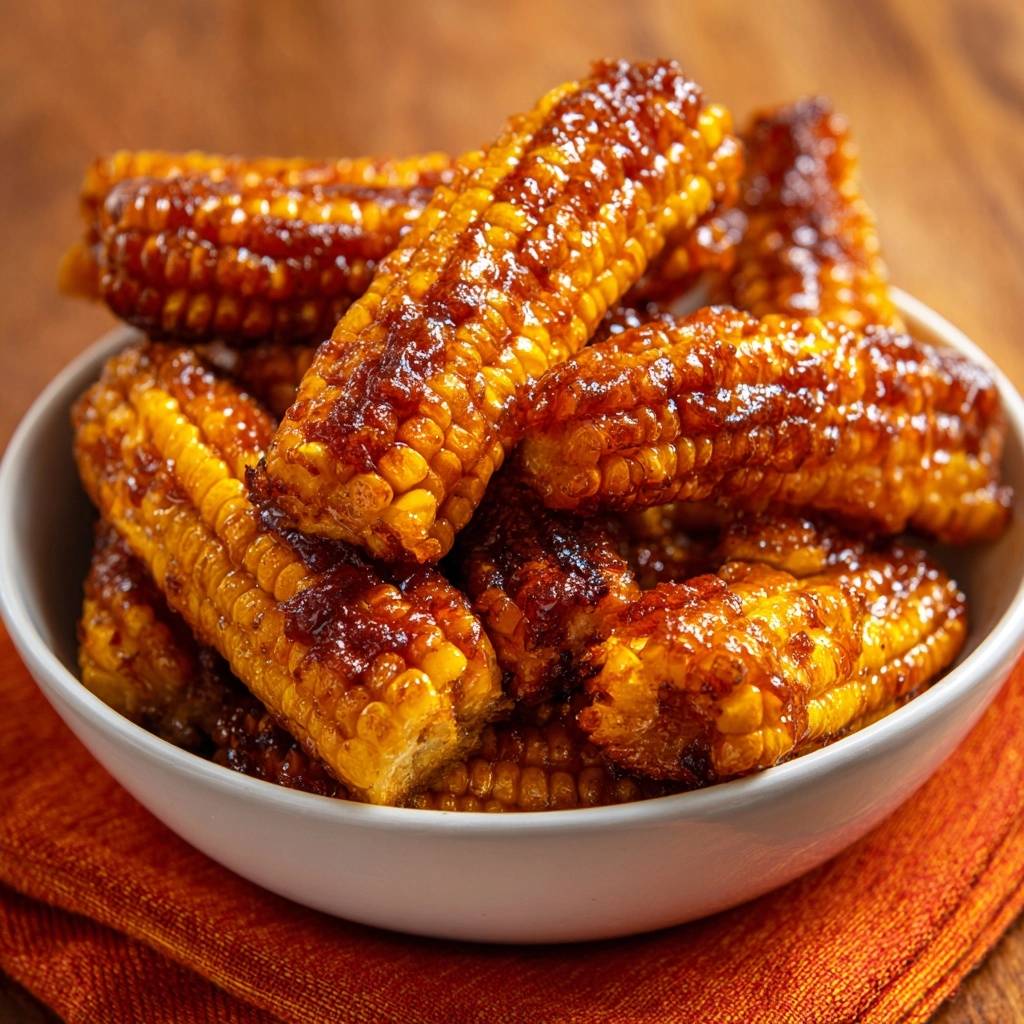
Selecting Perfect Corn for Rib-Style Cuts
Grab peak-season corn, sweet and milky inside. Peel back husks to check golden kernels without wormholes, then tug off silks completely. Stand the cob upright on a stable board. Use a sharp chef’s knife to slice lengthwise into quarters. Sharpness prevents mushy, jagged edges.
Gochujang Paste: Heat and Fermentation Notes
Fermentation in gochujang gives tangy depth that counters corn’s sweetness perfectly. Mild versions suit beginners, while hot ones thrill spice lovers. Taste a dab first, and adjust honey if needed. It lasts months in the fridge, so one tube covers many dishes.
Science of No-Burn Gochujang Glaze on Corn Ribs
The pre-roast at 400 degrees triggers the Maillard reaction for base char and tenderizes via starch gelatinization. Sugars in honey and gochujang burn fast under direct heat, so you avoid that by roasting first. Then broil hits 500 degrees plus for quick caramelization on the hot corn surface.
Soy and sesame oil’s pH balance keeps the glaze from seizing. Parchment paper prevents sticking and promotes even browning. In 15 minutes roasting plus 2-3 broiling, you get sticky shine without a hint of burn.
Essential Tools for Gochujang Corn Ribs Success
A sharp chef’s knife slices clean ribs without crushing kernels. Grab a heavy rimmed baking sheet for even heat and easy flipping. Parchment liner stops sticking cold.
Therefore, a silicone brush spreads glaze evenly. Position your oven rack 4-6 inches from the broiler. Budget sheets work fine, but pro ones heat faster. An oven thermometer ensures accuracy, since broilers vary wildly.
Step-by-Step: Pre-Roast Gochujang Corn Ribs Base
Preheat to 400 degrees F. Cut husked cobs upright into quarters. Lay ribs on parchment-lined sheet, brush lightly with oil for extra crisp edges if you like.
Roast 15 minutes, flipping at 7-8 minutes. Look for golden edges, light char, and a sweet corn aroma. This step locks in juices without steaming, so tenderness builds evenly.
Mastering Clean Corn Rib Cuts
Hold the cob steady upright. Slice straight down with firm pressure. Avoid sawing to prevent uneven quarters. If it slips, dry the board first for safety.
Whipping Up Sticky Gochujang Glaze Mixture
Melt butter first, then whisk in gochujang until smooth. Add honey to thin it out. Stir in soy sauce, sesame oil, and garlic last for a glossy emulsion.
Taste and tweak spice with more honey if needed. The butter binds everything without separating. Make ahead and fridge up to 3 days; it thickens nicely.
Broiling Gochujang Corn Ribs to Perfection
Switch to high broil, rack near the top. Toss hot corn ribs generously with glaze. Broil 2-3 minutes, rotating the pan for even bubbling.
Watch closely; pull when edges char lightly and glaze turns sticky-shiny. Pre-hot corn at 200 degrees plus means fast caramelization, no burning. Let steam escape by spacing ribs.
Garnish Timing for Sesame and Green Onions
Sprinkle sesame seeds and chopped green onions right after broiling while hot. Seeds stick better, and onions wilt slightly for contrast. Chop onions fine for even bite.
Avoiding Gochujang Corn Ribs Pitfalls
Burnt glaze happens from long broil or cold-start ovens. Fix it with a timer and pre-roasted corn. Soggy ribs? Flip halfway and avoid overcrowding; single layer spacing crisps them up.
Bland taste means weak gochujang or skimpy glaze. Double the batch and use fresh paste. Over-roasting dries them out, so stick to 15 minutes max. Before: charred mess. After: perfect char.
Flavor Twists on Gochujang Corn Ribs
Go vegan with oil instead of butter. Milder? Swap half gochujang for miso paste. Add cotija cheese post-broil for salty creaminess.
In addition, lime zest brings tang, or smoked paprika mimics BBQ. For more heat, mince fresh chiles into the glaze. Scale to 8 ears by doubling everything; keeps the ratios spot-on.
What to Serve with Gochujang Corn Ribs
These sticky, spicy corn ribs beg for more bold flavors. Try one of these Korean-inspired bites alongside for a full feast.
- For extra crunch and heat, add Crispy Korean Chicken Bites — the same gochujang kick works great on juicy chicken.
- If you want something lighter but still sticky-glossy, the Sticky Chili Garlic Shrimp Skewers share that caramelized, spicy-sweet vibe and cook just as fast.
Pairing Gochujang Corn Ribs with Sides
Cucumber salad cools the spice with crisp freshness. Rice bowls soak up every sticky drop. Grill tofu or veggies alongside for a full plate.
If you enjoy this sticky, spicy glaze, try it over these crispy chili roasted Brussels sprouts for another bold side.
Fresh herb slaw adds crunch. Crisp lagers cut the heat perfectly. Off-dry riesling balances the sweet-spicy glaze too.
If you enjoy adjusting the spice level here, this slow roasted pulled beef lets you dial in the sweetness and depth just as easily.
Make-Ahead Guide for Gochujang Corn Ribs
Cut corn ribs and fridge up to 1 day covered. Glaze keeps 5 days sealed. Roast ahead, cool, and re-broil fresh.
Freezer option: par-roast ribs, freeze 1 month flat. Thaw, glaze, broil. For parties, scale up and broil in batches to avoid crowding.
Troubleshooting Gochujang Corn Ribs Questions
How do I store Gochujang Corn Ribs leftovers?
Cool completely, then store in an airtight container in the fridge for up to 3 days. Reheat in a 400-degree oven for 5-7 minutes to crisp the glaze. Don’t freeze; the texture gets watery and loses that snap.
Why did my glaze burn anyway?
Most likely, you broiled too long or started with cold corn. Always pre-roast first, and watch like a hawk for 2-3 minutes max. Rotate the pan, and use high heat only on hot ribs to caramelize fast without scorching.
Can I make Gochujang Corn Ribs gluten-free?
Yes, swap soy sauce for tamari 1:1. It keeps the umami without gluten. Check your gochujang label too; most are naturally gluten-free, but brands vary.
What’s a less spicy version of Gochujang Corn Ribs?
Halve the gochujang to 1.5 tablespoons and boost honey to 3 tablespoons. Or mix in white miso for milder fermented flavor. Taste the glaze before broiling and adjust.
Can I grill Gochujang Corn Ribs instead of roasting?
Absolutely. Grill indirect medium heat 10-12 minutes, flipping for char. Finish direct high heat, brush on glaze, and sear 1-2 minutes per side. Keeps the no-burn magic.
Air fryer adaptation for Gochujang Corn Ribs?
Air fry at 350 degrees F for 10 minutes, shake halfway. Brush on glaze, then crank to 400 for 2 minutes. Single layer only; it mimics the roast-broil perfectly in smaller batches.
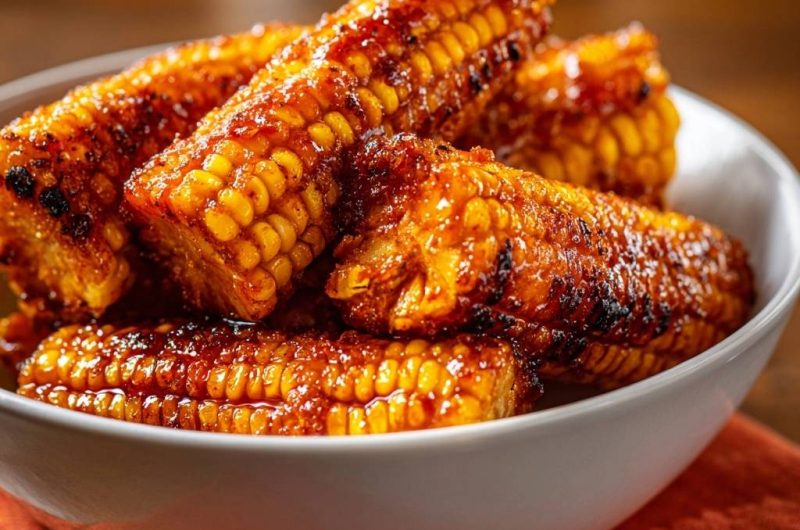
Corn Ribs
Course: Side DishCuisine: Korean FusionDifficulty: easy4
servings15
minutes20
minutes240
kcal35
MinutesTired of glazes burning before your corn is done? This foolproof method roasts the corn first for juicy tenderness and light char, then hits it with the sauce under the broiler for perfect sticky caramelization without a single scorch mark. Game-changer for crispy-edged, flavor-packed corn ribs.
Ingredients
4 ears fresh corn on the cob, husked
3 tablespoons gochujang paste
2 tablespoons honey
2 tablespoons unsalted butter, melted
1 tablespoon soy sauce
1 teaspoon sesame oil
2 garlic cloves, minced
1 tablespoon sesame seeds, for garnish
Chopped green onions, for garnish
Directions
- Preheat oven to 400 degrees F. Cut each corn cob lengthwise into quarters to make ribs (stand cob upright on a cutting board and slice down with a sharp knife).
- Place corn ribs on a parchment-lined baking sheet. Brush lightly with oil if desired. Roast for 15 minutes, flipping halfway, until tender with golden edges and light char. This pre-roast step cooks the corn evenly and builds base char without drying it out.
- While corn roasts, mix gochujang, honey, melted butter, soy sauce, sesame oil, and minced garlic in a bowl until smooth.
- Remove corn from oven. Switch to broiler on high. Brush or toss corn ribs generously with the gochujang glaze.
- Broil 2 to 3 minutes, watching closely and rotating pan if needed, until glaze bubbles, turns sticky-shiny, and chars lightly at edges. The short broil after pre-roasting prevents burning by caramelizing the sugar in the glaze fast on already-hot corn.
- Garnish with sesame seeds and green onions. Serve hot.
Notes
- Stand corn cob upright on a cutting board to slice into quarters safely. Watch closely under the broiler to prevent burning.