Crispy Korean Chicken Bites
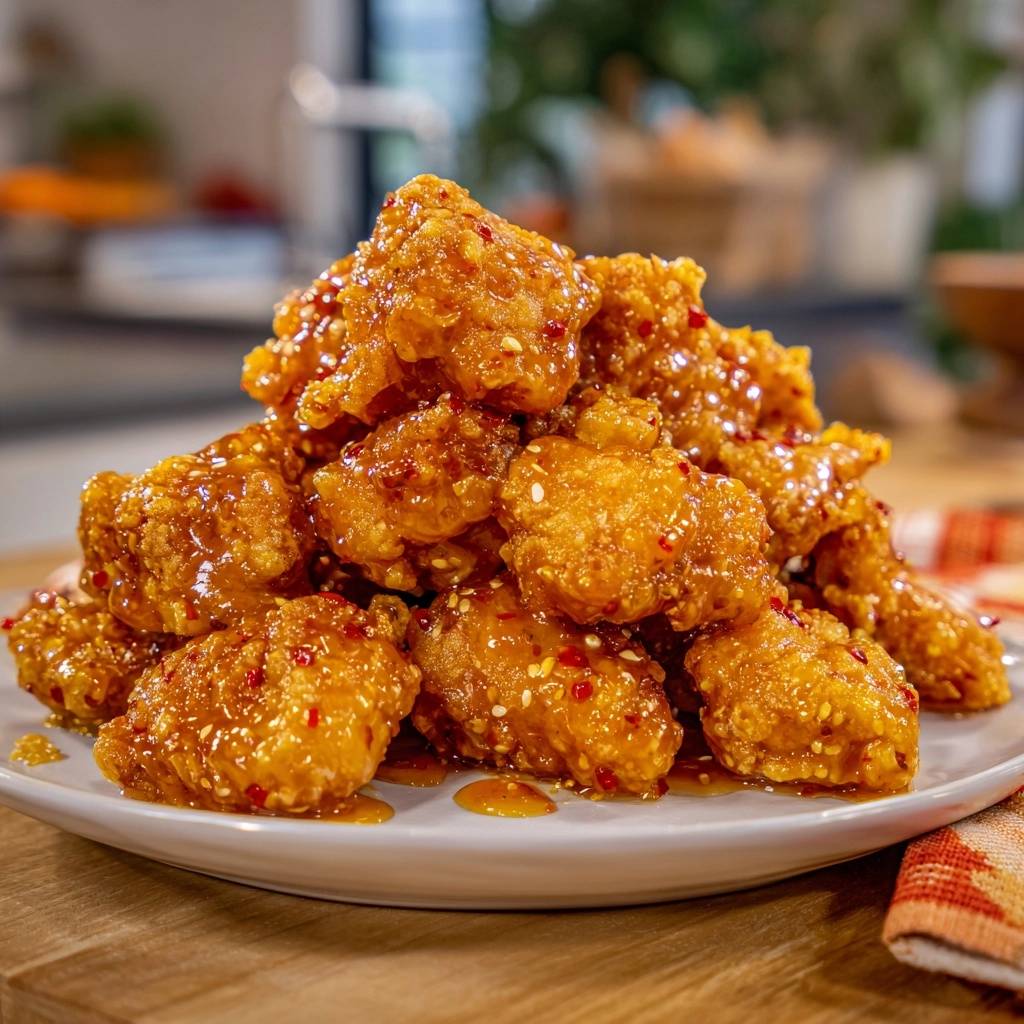
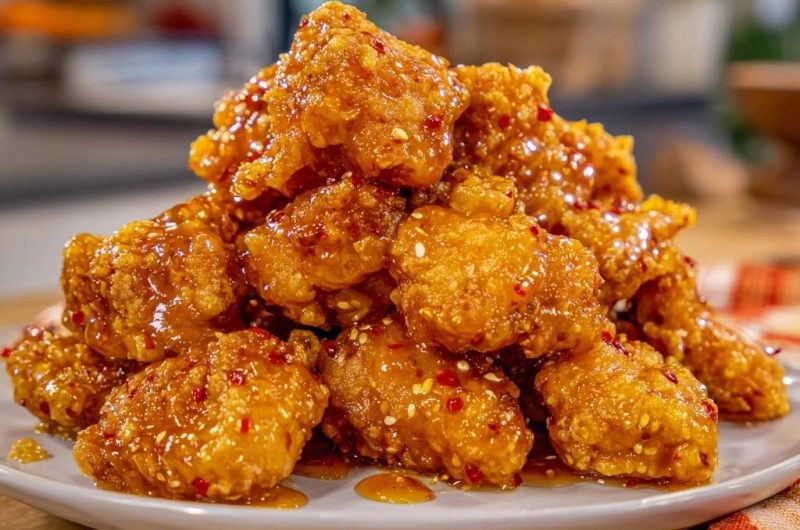
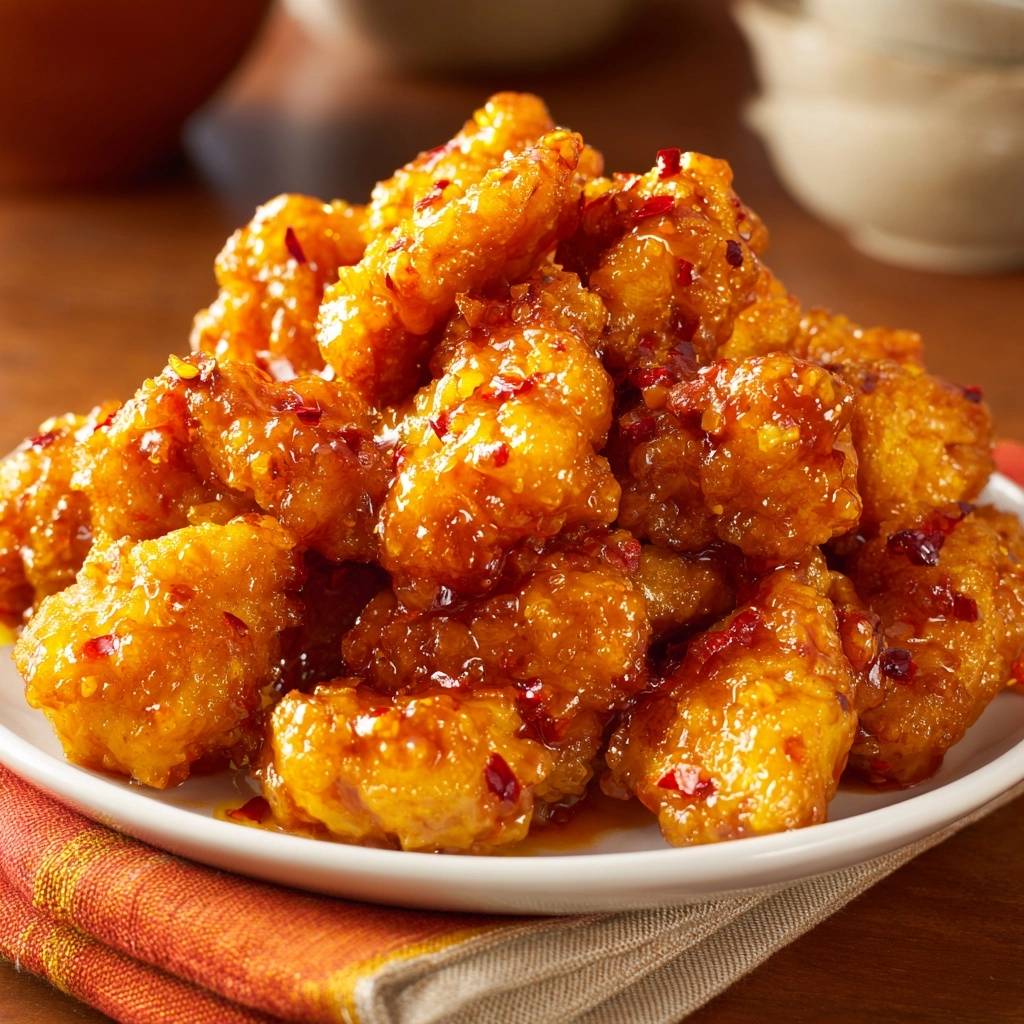
Picture this: bite-sized chicken pieces that shatter with every crunch, even after a glossy gochujang glaze coats them. No more soggy disappointment from your average fried chicken. These Crispy Korean Chicken Bites nail that street food vibe right in your kitchen, staying crisp through every saucy toss.
So why do they work so well? The double-fry method changes everything. First, a gentle fry cooks the inside without browning. Then, a hot second fry builds an unbreakable shell. You’ll get restaurant-quality results without the wait or the price tag.
Here’s the expertise kicker: always drain on a wire rack after each fry. Paper towels trap steam and soften the coating. This simple swap keeps your bites sauce-proof and insanely crunchy.
Why Double-Fry Makes Crispy Korean Chicken Bites Unbeatable
The double-fry technique transforms ordinary chicken into crunch legends. At 325F, the first fry gently cooks the meat and starts pulling out moisture. Then, cranking to 375F creates a hard shell via the Maillard reaction, that golden browning that locks in flavor and texture.
Single-fry methods fail because they don’t fully evaporate internal water. Your coating steams from the inside, turning mushy fast. However, this method builds armor-like protection. In addition, cornstarch gelatinizes perfectly at high heat, forming a barrier no sauce can penetrate.
Think of it like plating armor. The low fry sets the base, and the high fry forges the edge. Therefore, even under sticky glaze, these bites stay shatteringly crisp for minutes, not seconds.
Low-Temp Fry: Building the Foundation
Hit exactly 325F for the first fry. This temperature cooks the chicken thighs through while sealing juices inside. Thighs beat breasts here because their fat keeps everything tender and moist.
After dredging, rest the battered bites for 10 minutes. This lets the coating adhere firmly. Consequently, it won’t slip off during frying. Pat dry first too, or you’ll end up with a steamy mess.
High-Temp Fry: Locking in Shatterproof Crunch
Ramp oil to 375F for round two. This blasts away remaining moisture, crisping the starch into a rock-hard shell. Listen for intense sizzles, and watch for deep golden color.
Use a thermometer religiously. Too low, and bites turn greasy; too high, they burn outside while raw inside. Pro tip: fry in small batches to maintain temperature. That crunch should literally snap when you test it.
Essential Ingredients for Sauce-Proof Crispy Korean Chicken Bites
Start with 1 lb boneless chicken thighs, cut into 1-inch bites. Their fat content ensures juiciness post-fry. Cornstarch shines over flour alone because it absorbs less oil and crisps lighter. In addition, 1/2 cup flour plus 2 beaten eggs create the perfect bind.
More Gochujang Goodness
If you liked the sticky, spicy crunch of the Korean chicken bites, these two recipes lean into the same bold gochujang glaze for a fun table spread.
- For extra crispy chicken with an even hotter kick, toss a batch of Spicy Sticky Gochujang Chicken Wings — they share the same fermented chili paste and sticky finish.
- Balance the heat with sweet corn: try Gochujang
For the sauce, 1/4 cup gochujang delivers fermented heat and umami. Balance it with 1/4 cup honey for sticky sweetness, 2 tbsp soy sauce for savoriness, and 2 tbsp rice vinegar for tang. Minced garlic, sesame seeds, red chili flakes, and water round it out, simmering into glossy perfection.
Season with 1 tsp salt and 1/2 tsp black pepper. Fresh ingredients matter, especially gochujang from an Asian market for authentic punch. No substitutes match its depth, but for milder, cut flakes by half.
Protein and Coating Breakdown
Chicken thighs stay succulent thanks to marbled fat that renders during frying. The flour-egg-cornstarch dredge builds layers: flour for base, egg for stick, cornstarch for shatter. Salt and pepper enhance natural flavors without overpowering.
Gochujang Glaze Components
Gochujang brings spicy umami; honey clings without sogginess. Rice vinegar cuts richness, garlic adds aroma, and chili flakes control heat. Sesame seeds give nutty crunch, while water ensures pourable gloss after simmering.
Step-by-Step: Mastering the Double-Fry for Crispy Korean Chicken Bites
Grab 1 lb chicken thighs, cut into bites, and pat super dry. Season with salt and pepper. Dredge in 1/2 cup flour, dip in 2 beaten eggs, then coat in 1 cup cornstarch. Rest 10 minutes so batter sets firm.
Prep: Dredge and Rest Chicken Bites
Dry chicken absorbs coating better, preventing slips. Avoid thick layers, or they’ll burn before cooking through. After resting, you’ll see a smooth, even shell ready for oil.
First Fry: Cook Through at 325F
Heat 2 inches vegetable oil to 325F in a deep pot. Fry batches 5 minutes till light golden. Drain on wire rack immediately. Don’t overcrowd, or temperature drops and chicken steams.
Second Fry: Achieve Deep Golden Crisp at 375F
Boost to 375F. Fry again 3-4 minutes for deep gold. Double-drain on rack. Bites should crunch loudly when tapped. This evaporates moisture for sauce-proof magic.
Simmer Gochujang Sauce to Glossy Perfection
Whisk 1/4 cup gochujang, 1/4 cup honey, 2 tbsp soy, 2 tbsp rice vinegar, 3 minced garlic cloves, 1 tbsp sesame seeds, 2 tsp chili flakes, and 2 tbsp water. Simmer 3 minutes till thick. Taste and adjust sweetness if needed.
Light Toss: Sauce Without Sogginess
Toss hot chicken lightly in sauce bowl. Use just enough to coat. Serve right away so crunch endures. Portion sauce separately for extras.
If you enjoy that crispy bite, you’ll love the same technique in these honey glazed chicken tenders.
Science of Crispiness in Korean Chicken Bites
Double-frying drives starch retrogradation in cornstarch, hardening the shell as it cools. Internal moisture migrates out fully, preventing post-sauce sogginess. Sauce sticks via surface tension but can’t penetrate the barrier.
Air fryers fall short because they don’t hit frying oil’s dehydration power. Studies show oil at 375F gelatinizes starch fastest. Therefore, your bites stay crisp longer than takeout.
Moisture Evaporation Dynamics
Low fry lets steam escape slowly; high fry blasts it out. Wire racks allow air flow, unlike towels that trap vapor. Result: dry, crispy interior shell.
Coating Adhesion Under Sauce
Egg binds layers tight; cornstarch repels moisture. Glaze emulsifies on hot surface, clinging without soaking. This physics keeps every bite textured.
Equipment That Ensures Perfect Crispy Korean Chicken Bites
A deep pot or Dutch oven holds steady oil temps better than skillets. Instant-read thermometer prevents guesswork. Wire racks and slotted spoon complete the setup for airflow draining.
Budget picks work fine, like any heavy pot. Clean oil post-use by straining and storing cool. Safety first: never leave hot oil unattended.
Thermometer and Oil Temp Control
Probe thermometers clip on pots easily. Calibrate in boiling water. Skip infrared for oil; they read surfaces wrong. Precision avoids greasy or burnt results.
Wire Rack Draining Essentials
Racks fit over baking sheets for batches. They stop bottom steaming. Half-sheet size handles all your bites perfectly.
Avoiding Pitfalls in Crispy Korean Chicken Bites
Common errors include wrong temps, leading to oily or raw chicken. Over-toss in sauce drowns crunch. Skip rest time, and coating flakes off. Fixes: monitor heat, sauce lightly, refry if needed.
Reuse oil twice max, strained and cooled. Store properly to avoid rancid flavors next time.
Soggy Results and Fixes
Single fry or towel draining causes steam pockets. Always double-fry and rack-drain. Re-crisp in 400F oven if they soften.
Sauce Overload Prevention
Toss in small batches with minimal sauce. Hold extra aside. For storage, keep separate to maintain snap.
Flavor Twists on Crispy Korean Chicken Bites
Tweak for milder: halve chili flakes, add extra honey. Honey-garlic glaze swaps gochujang for garlic and butter. Scale up batter for crowds easily.
Try baked at 425F with spray oil, but expect less crunch. Pro move: broil last minute for edge.
Milder and Sweeter Glaze Options
Reduce flakes to 1 tsp for gentle heat. Stir in 1 tbsp rice vinegar with a pinch of sugar if available for subtle sweet. Tastes fresh and approachable.
Alternative Proteins and Coatings
Cauliflower florets make veggie bites; same method. Mix in panko for extra shatter. Tofu works firm and absorbs glaze well.
Pairing Sides with Crispy Korean Chicken Bites
Balance heat with cool cucumber salad or pickled radish. Kimchi fried rice soaks up sauce perfectly. Sesame greens add earthy contrast to spicy crunch.
If you enjoy that sticky, spicy crunch, this crispy General Tso’s chicken follows the same double-fry technique.
Acids cut fat, cooling the blaze. Serve over rice bowls for full meals. Ginger sparkling water refreshes alongside.
Classic Korean Side Companions
Quick kimchi: toss cabbage with gochujang and vinegar. Blanch spinach, dress with sesame oil and seeds. These banchan elevate every bite.
Crunch-Enhancing Contrasts
Fresh slaw with rice vinegar bites back. Rice bowls layer textures. Keeps the meal dynamic and satisfying.
Make-Ahead Guide for Crispy Korean Chicken Bites
Fry ahead, store fried bites fridge-ready up to 2 days. Re-crisp at 400F for 5 minutes. Keep sauce separate in jar.
Freeze fried chicken 1 month; thaw then refry. Perfect for parties: fry fresh, sauce last minute.
Troubleshooting Crispy Korean Chicken Bites
How do I store leftovers and do they freeze well?
Store cooled, unsauced bites in airtight container in fridge up to 3 days. Reheat in 400F oven 5-7 minutes to restore crunch; avoid microwave. They freeze well up to 1 month: spread on tray first to prevent sticking, then bag. Thaw overnight, refry at 375F 2-3 minutes. Sauce doesn’t freeze well, so make fresh.
Why did my coating turn soggy?
Sogginess hits from single frying, towel draining, or heavy saucing. Double-fry evaporates moisture fully, and wire racks let steam escape. If it happens, re-fry at 375F 2 minutes. Always sauce hot chicken lightly in batches to prevent overload.
Can I substitute gochujang or other ingredients?
No perfect sub for gochujang’s fermented kick, but mix 2 tbsp miso, 1 tbsp honey, 1 tsp chili powder, and dash vinegar. Swap thighs for breasts if needed, but add fat like oil to keep moist. Cornstarch is key; arrowroot works but crisps less. Gluten-free? Use rice flour blend.
Why is my chicken greasy or not crispy enough?
Oil below 325F on first fry makes it absorb fat. Use thermometer, fry small batches, and drain on racks. Cold oil also causes batter to fall off. Pat chicken extra dry pre-dredge. Test oil by dropping batter bit; it should sizzle vigorously.
Can I air fry or bake instead of deep fry?
Air fry at 400F 15-20 minutes, shaking halfway, sprayed with oil. It’ll crisp decently but won’t match double-fry shatter due to less dehydration. Bake 425F on racks 25-30 minutes, flipping. For best results, finish with quick oil fry if possible.
How do I scale this for a crowd?
Double ingredients for 8 servings, but fry in more batches to hold temp. Prep all bites first, fry ahead, hold warm in 200F oven on racks. Sauce just before serving in portions. Use bigger pot for oil efficiency.
Korean Chicken Bites
Course: Main CourseCuisine: KoreanDifficulty: mediumYields4
servingsPrep Time20
minutesCook Time20
minutesCalories450
kcalTotal Time40
MinutesTired of fried chicken turning mushy the second you add that sticky sauce? This double-fry method locks in the crunch forever, even under glossy gochujang glaze. Perfect bite-sized pieces that stay shatteringly crisp.
Ingredients
1 lb boneless chicken thighs, cut into 1-inch bites
1 cup cornstarch
1/2 cup all-purpose flour
2 eggs, beaten
1 tsp salt
1/2 tsp black pepper
Vegetable oil for frying
For the sauce:
1/4 cup gochujang (Korean chili paste)
1/4 cup honey
2 tbsp soy sauce
2 tbsp rice vinegar
3 garlic cloves, minced
1 tbsp sesame seeds
2 tsp red chili flakes
2 tbsp water
Directions
- Pat chicken bites dry with paper towels. Season with salt and pepper. Dredge in flour, dip in beaten eggs, then coat evenly in cornstarch. Let rest 10 minutes for batter to set.
- Heat 2 inches oil in a deep pot to 325F (use thermometer for precision). Fry chicken in batches for 5 minutes until light golden. Drain on wire rack. This first fry cooks the chicken without over-browning. The chicken is done when it reaches 165°F (74°C) in the thickest part.
- Increase oil to 375F. Fry again for 3-4 minutes until deep golden and ultra-crispy. Drain on wire rack. The double-fry secret: low then high heat evaporates moisture inside while crisping the shell, making it sauce-proof.
- In a saucepan over medium heat, whisk gochujang, honey, soy sauce, rice vinegar, garlic, chili flakes, sesame seeds, and water. Simmer 3 minutes until thickened and glossy.
- Toss hot chicken lightly in sauce to coat without soaking. Serve immediately for crunch that lasts.
- Pro Tip: Wire rack draining prevents steaming, keeping every bite crisp even sauced. Game-changer!
Notes
- Pro Tip: Wire rack draining prevents steaming, keeping every bite crisp even sauced. Game-changer!