Mastering Classic Spaghetti Marinara Without the Watery Mess
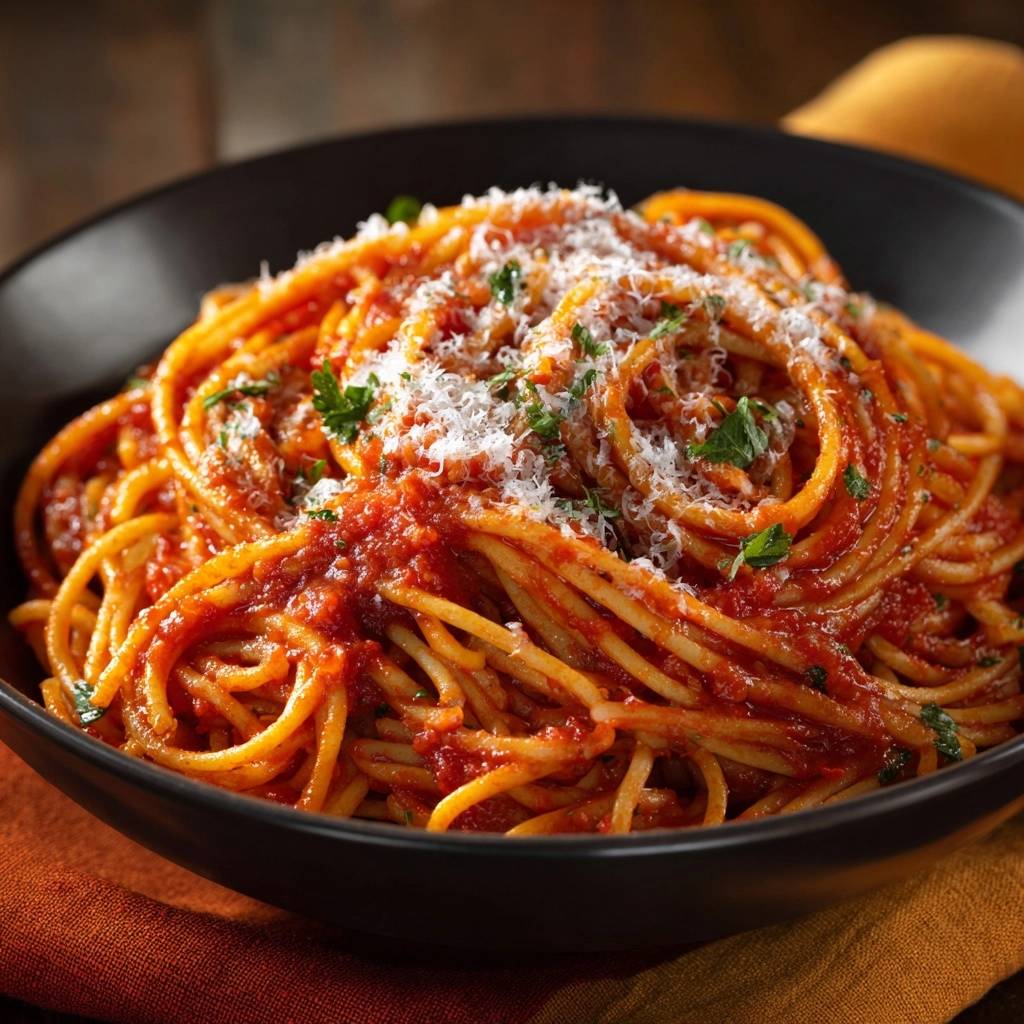
Few things are more disappointing than a plate of pasta sitting in a puddle of thin, flavorless liquid. You’ve likely experienced it: the sauce slides right off the noodles, leaving the spaghetti pale and the bottom of your bowl a watery mess. This happens because the water and fats in the sauce haven’t bonded, a common pitfall that separates home cooking from a professional kitchen result.
The secret to a restaurant-quality plate isn’t a secret ingredient, but a specific technique called emulsion. By finishing the pasta directly in the sauce with a splash of starchy liquid and a touch of butter, you create a silky, thick coating that clings to every strand. This process transforms a simple tomato base into a vibrant, glossy masterpiece that holds its integrity from the first bite to the last.
To achieve this, you must pull your pasta from the boiling water while it still has a firm, chalky center. This “thirsty” pasta finishes its cooking journey inside the sauce, absorbing the tomato flavors rather than just being covered by them. This single adjustment, combined with the starch from the pasta water, ensures your Classic Spaghetti Marinara is never watery again.
The Anatomy of a Non-Watery Marinara
Success starts with the right tomatoes, and San Marzano-style crushed tomatoes are the gold standard for a reason. They possess a natural sweetness and low acidity that creates a balanced base without needing heaps of sugar. Their thick texture provides an immediate head start in achieving a sauce that has body and weight.
Tomato paste plays a crucial role here as a thickening agent and a flavor booster. When you cook the paste in oil before adding the crushed tomatoes, it undergoes the Maillard reaction, developing a deep, savory complexity. This step removes the “raw” metallic taste often found in canned products and provides a concentrated foundation for the sauce.
Using thinly sliced garlic rather than minced garlic is a deliberate choice for flavor infusion. Slices brown more slowly and evenly, allowing the garlic to perfume the oil with a mellow, nutty sweetness. Minced garlic often burns quickly, which can turn the entire sauce bitter and ruin the delicate balance of the tomatoes.
Why High-Quality Extra Virgin Olive Oil Matters
Extra virgin olive oil (EVOO) is more than just a cooking medium; it is a primary flavor component in this 20-minute simmer. Since we are cooking over medium heat, the oil stays well below its smoke point, preserving its fruity and peppery characteristics. It acts as a vehicle, carrying the fat-soluble compounds found in the dried oregano and red pepper flakes throughout the dish.
When you use a high-quality oil, it integrates with the tomato juices to create a rich mouthfeel. Cheap oils can feel greasy or heavy, whereas a vibrant EVOO adds a bright finish that cuts through the richness of the pasta. It is the bridge that connects the sharp aromatics to the sweet tomato base.
The Secret Role of Unsalted Butter and Starch
The real magic happens when you introduce a tablespoon of unsalted butter and a splash of starchy pasta water at the very end. This isn’t just for flavor; it is a matter of chemistry. The proteins and fats in the butter act as an emulsifier, while the amylose starch in the cloudy pasta water binds the oil and water-based liquids together.
As you toss the pasta, these elements work in tandem to create a cohesive sauce that refuses to separate. The starch acts like a “glue,” helping the sauce grip the smooth surface of the spaghetti. Without this step, the sauce will always remain a separate entity from the noodle, leading to that dreaded watery pool at the bottom of your plate.
Essential Tools for Proper Pasta Emulsion
To execute a proper emulsion, you need space to move the pasta vigorously. A wide, deep skillet or a “saltapasta” pan is far superior to a deep pot for this final stage. The increased surface area allows the sauce to reduce quickly, and the sloped sides make it easier to toss the noodles without making a mess.
When it comes to the cheese, put away the pre-shredded bags and use a microplane. Grating your parmesan into a fine “snow” texture is vital because it melts instantly into the sauce. Larger shreds or clumps can become rubbery or oily, whereas finely grated cheese integrates perfectly into the emulsion, adding to the creamy, glossy finish.
Phase One: Infusing the Aromatics and Base
Start by heating your olive oil over medium heat and adding the sliced garlic and red pepper flakes. You are looking for the garlic to turn a pale, golden color while releasing a fragrant, toasted aroma. This usually takes about two minutes; stay close to the pan, as garlic can turn from perfect to burnt in a matter of seconds.
Once the garlic is golden, stir in the tomato paste. Use your wooden spoon to smear it across the pan, letting it darken slightly for about a minute. You will smell a rich, caramelized scent as the sugars in the paste concentrate. Finally, pour in the crushed tomatoes and oregano, letting the mixture simmer and thicken into a dense, fragrant base.
Phase Two: Timing the Spaghetti for Al Dente Success
The most common mistake is boiling the pasta until it is fully cooked. For this recipe, you must drain the spaghetti 2 to 3 minutes before the package says it is done. If you bite into a strand, you should see a tiny white dot in the center, indicating it is still undercooked and firm.
This “under-done” state is essential because the pasta needs to be thirsty. If the noodle is already saturated with plain water, it cannot absorb the flavorful marinara sauce. By finishing the cooking process in the skillet, the spaghetti pulls the sauce into its core, ensuring every bite is seasoned from the inside out.
Phase Three: The Emulsion Technique (The Finish)
This is the most critical part of the process. Transfer the drained pasta into the skillet with the simmering sauce and immediately add half a cup of that reserved, starchy pasta water and the butter. Increase the heat to medium-high to get the liquids bubbling and moving.
Using tongs, toss the pasta vigorously and constantly for about two or three minutes. You will actually see the transformation happen before your eyes. The sauce will shift from a matte, dark red to a vibrant, glossy orange-red. This movement is what forces the fat and starch to bond, creating that professional, velvet-like coating on every single noodle.
Troubleshooting Thin or Broken Sauces
If your sauce looks too thick or sticky, don’t panic; simply add another splash of the reserved pasta water. The starch will keep the sauce smooth even as you thin it out. However, if the sauce looks greasy or “broken,” it means you need more starch or more vigorous tossing to bring the emulsion back together.
Whatever you do, never rinse your pasta after boiling it. Rinsing washes away the very starch you need to make the sauce stick. If you find your sauce isn’t clinging, it is likely because the pasta was too wet or the sauce was too cold when they were combined. Always keep the heat active during the mixing phase.
Flavor Variations and Ingredient Swaps
While parsley is classic, you can easily swap it for fresh basil for a more traditional Italian aroma. If you want a deeper umami hit, melt two or three anchovy fillets into the oil with the garlic. They will dissolve completely, leaving behind a savory richness that doesn’t taste “fishy” but makes the tomatoes taste more like themselves.
For those who prefer a sharper, saltier kick, try using Pecorino Romano instead of Parmesan. Pecorino is made from sheep’s milk and has a tangier profile that stands up well to the red pepper flakes. You can also add a spoonful of capers or chopped olives if you want to lean into a more Mediterranean flavor profile.
What to Serve with Classic Spaghetti Marinara
Since this dish is rich and savory, it pairs beautifully with something bright or bitter. Roasted broccolini with a squeeze of lemon and a pinch of salt provides a great textural contrast. A simple arugula salad with a light vinaigrette also works well to cleanse the palate between bites of the hearty pasta.
For a perfect pairing, try our Mastering the Roasted Tomato Caprese Brie: The Anti-Soggy Technique.
Of course, you can’t go wrong with crusty sourdough bread. It is the perfect tool for mopping up any remaining sauce left on the plate. Because the sauce is so well-emulsified, it won’t soak into the bread and make it soggy; instead, it sits on top like a rich spread, allowing you to enjoy every last drop.
Make Ahead Strategies and Storage Logic
If you have leftovers, it is best to store the pasta and sauce together in an airtight container for up to three days. However, be aware that the pasta will continue to absorb moisture as it sits, which can make the noodles softer over time. For the best results, only cook as much pasta as you plan to eat immediately.
When reheating, avoid the microwave if possible, as it tends to break the emulsion and leave you with a greasy plate. Instead, place the pasta in a skillet over medium heat with a splash of water. Toss it gently as it warms up; the water will help loosen the sauce and restore that glossy, restaurant-quality texture.
Expert Tips for Restaurant-Quality Presentation
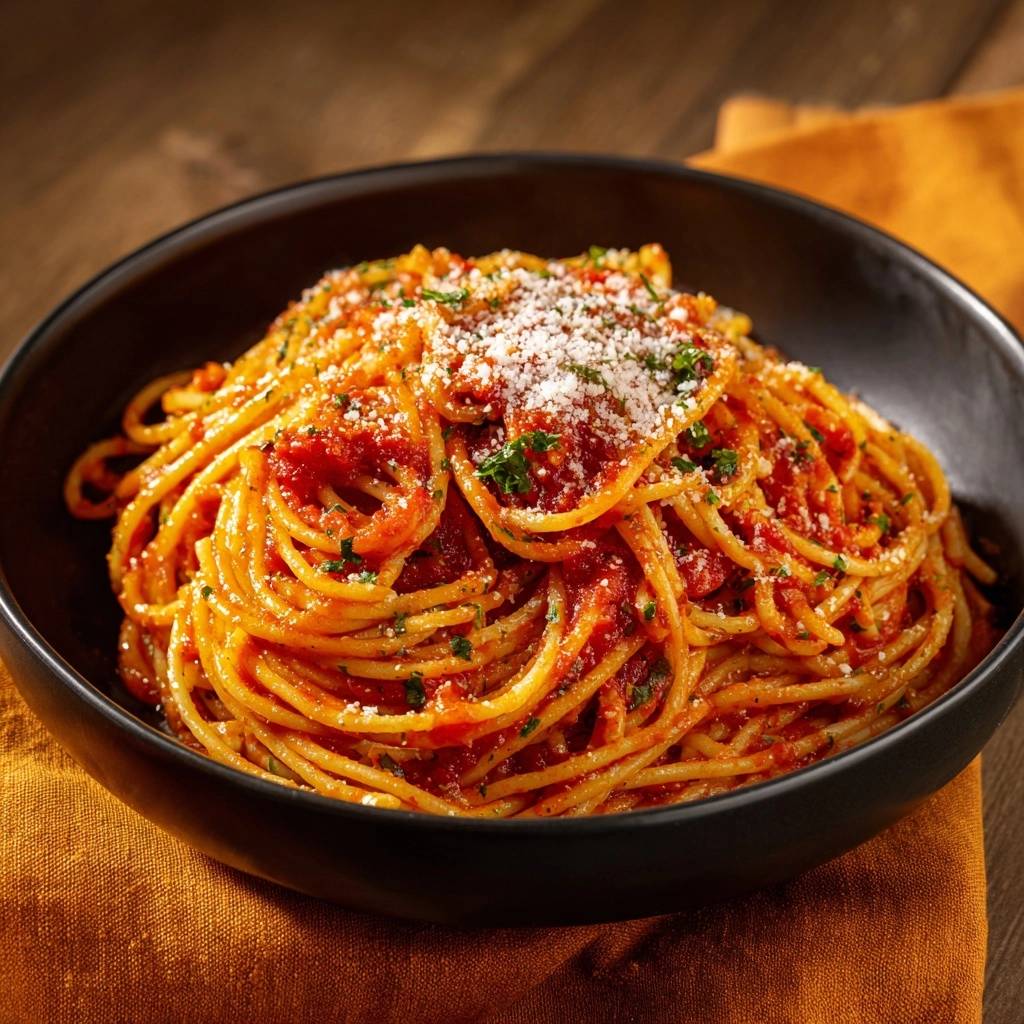
To get that perfect “twirl and stack” look you see in photos, use a large carving fork and a soup ladle. Twirl a portion of spaghetti into the ladle using the fork until it forms a tight cylinder, then gently slide it onto the plate. This creates height and keeps the heat trapped inside the pasta mound.
Always warm your bowls in a low oven or by rinsing them with hot water before serving. Cold ceramic will cause the sauce to tighten and lose its gloss almost instantly. Finish with a “mountain” of finely grated cheese and a final sprinkle of fresh parsley to make the colors pop and the dish look as good as it tastes.
Common Questions Regarding Marinara Consistency
Can I use fresh tomatoes instead of canned?
You can, but it is much harder to control the water content. Fresh tomatoes vary wildly in their liquid levels and acidity. If you use fresh, you must blanch, peel, and seed them first, then simmer them significantly longer to reach the same thick consistency as canned crushed tomatoes. For a reliable, non-watery result, high-quality canned tomatoes are actually the preferred choice of many chefs.
Why did my sauce turn orange when I tossed it?
Don’t worry, this is actually a sign of success! When you vigorously toss the pasta with the butter and starchy water, you are aerating the sauce and creating a stable emulsion. This process lightens the color from a deep blood-red to a vibrant orange-red. It indicates that the fats and liquids have successfully bonded, ensuring a creamy texture that sticks to the noodles.
Is the butter mandatory for the sauce?
While the butter provides a specific silkiness and helps the emulsion form easily, you can omit it if necessary. To get a similar effect without dairy, increase the amount of extra virgin olive oil at the end and toss even more vigorously. The starch in the pasta water is the most important factor, so as long as you have that, you can still achieve a thick sauce.
Why use dried oregano instead of fresh?
Dried oregano actually holds up better during the simmering process. Its oils are concentrated and release slowly into the tomato base, providing a consistent herbal backbone. Fresh herbs like basil or parsley are more delicate and can turn bitter or lose their flavor if cooked too long. It is best to use dried herbs for the simmer and save the fresh herbs for the final garnish.
How do I store leftovers and does it freeze well?
Store leftovers in an airtight container in the refrigerator for up to 3 days. While you can freeze the marinara sauce on its own for up to 3 months, I do not recommend freezing the assembled dish. Cooked spaghetti becomes mushy and loses its structure when frozen and thawed. For the best experience, freeze the sauce in batches and boil fresh pasta whenever you are ready to eat.
Spaghetti Marinara
Course: Main CourseCuisine: Italian-AmericanDifficulty: easy4
servings10
minutes20
minutes410
kcal30
MinutesA classic pasta dish featuring a rich tomato sauce enhanced with garlic, oregano, and a touch of butter. The secret to this recipe is finishing the pasta in the sauce with starchy water to ensure a silky, non-watery finish.
Ingredients
1 pound spaghetti
28 ounces crushed tomatoes (preferably San Marzano style)
2 tablespoons tomato paste (for depth and thickness)
4 cloves garlic, thinly sliced
3 tablespoons extra virgin olive oil
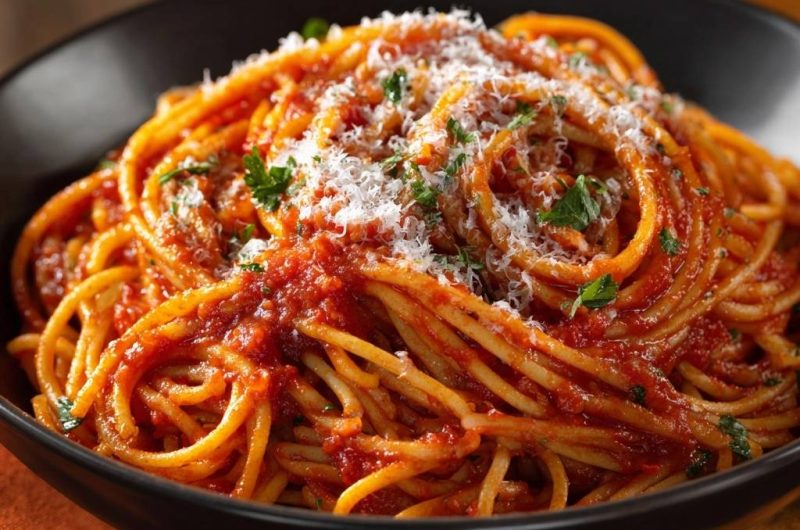
1 tablespoon unsalted butter (the secret to the glossy finish in the image)
1 teaspoon dried oregano
1/2 teaspoon red pepper flakes (optional)
1 cup reserved starchy pasta water
1/2 cup finely grated parmesan cheese (plus extra for garnish)
1/4 cup fresh parsley, chopped
Salt and black pepper to taste
Directions
- Bring a large pot of heavily salted water (it should taste like the sea) to a boil. Add the spaghetti and cook for 2-3 minutes less than the package directions. The pasta must be firm (under-done) because it will finish cooking in the sauce.
- While the pasta cooks, heat olive oil in a large, deep skillet or heavy-bottomed pan over medium heat. Add the sliced garlic and red pepper flakes. Cook for 1-2 minutes until the garlic is golden and fragrant, but not brown.
- Stir in the tomato paste and cook for 1 minute to caramelize. Pour in the crushed tomatoes and oregano. Season with a pinch of salt and pepper. Simmer on medium-low for 10 minutes to reduce and thicken the base.
- IMPORTANT STEP: Before draining the pasta, scoop out at least 1 cup of the cloudy, starchy boiling water.
- Drain the pasta and immediately transfer it into the skillet with the sauce. Pour in 1/2 cup of the reserved pasta water and add the 1 tablespoon of butter.
- Increase the heat to medium-high. Using tongs, toss the pasta vigorously and constantly for 2-3 minutes. This movement, combined with the starch and butter, creates an emulsion that binds the sauce to the noodle. If the sauce becomes too thick, add a splash more pasta water.
- Once the sauce is glossy and tightly coating every strand, remove from heat. Stir in half of the parsley and half of the parmesan cheese.
- Serve immediately in warm bowls. Top with a generous mountain of finely grated parmesan and the remaining fresh parsley to match the visual presentation.
Notes
- The secret to the glossy finish is the emulsion created by tossing the under-cooked pasta with butter and starchy water.