Ground Beef Cabbage Skillet: Crisp Texture Mastery
Why Ground Beef Cabbage Skillet Transforms Weeknights
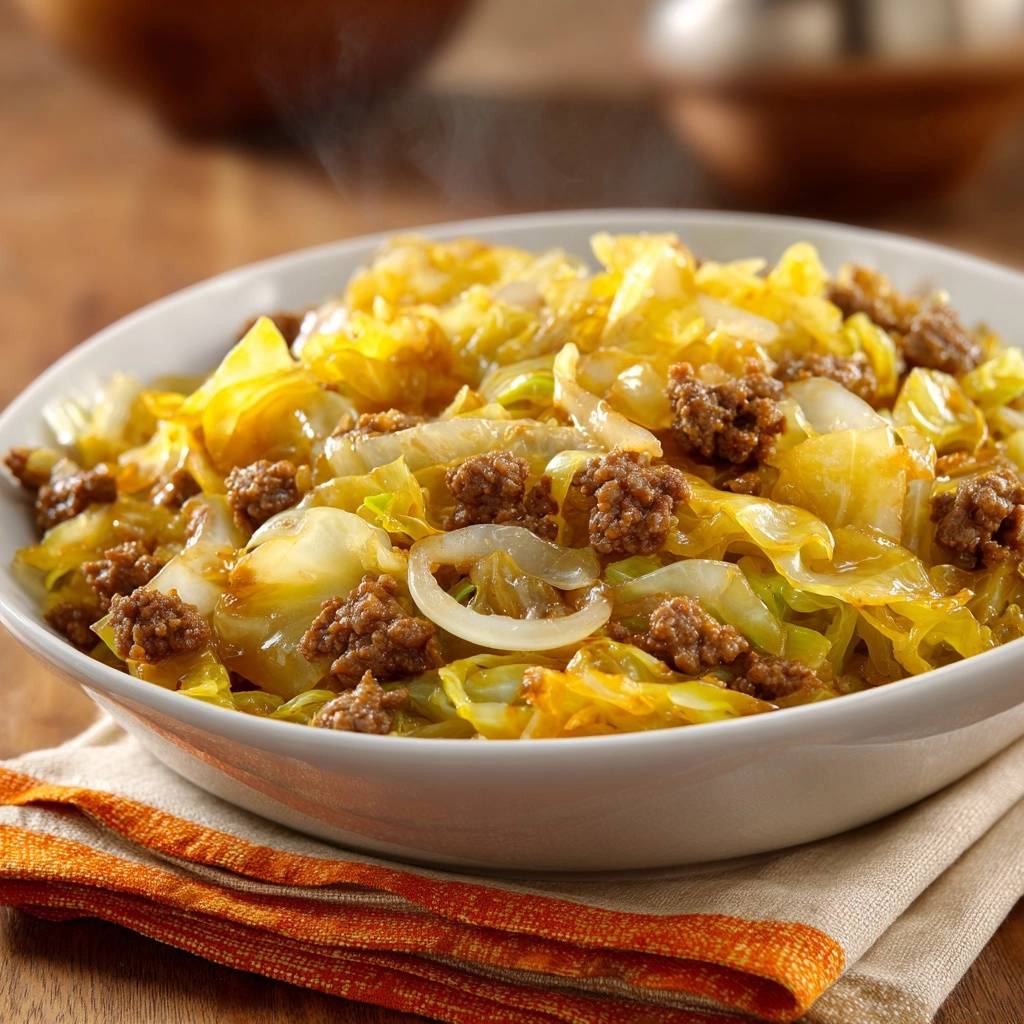
Picture this: you crave a hearty cabbage stir-fry, but it always ends up watery and limp. That’s the nightmare with cabbage’s 92% water content ruining most skillet attempts. However, this Ground Beef Cabbage Skillet fixes it all in under 30 minutes with one-pan ease.
Therefore, you’ll get tender-crisp cabbage that pairs perfectly with savory beef. It’s low-carb, high-protein, and costs under $5 per serving. Plus, no more soggy disasters at dinner.
The secret lies in the salting trick. You toss shredded cabbage with salt first, drawing out moisture via osmosis. That step guarantees crisp edges every time, unlike failed stir-fries I’ve battled before perfecting this.
Key Ingredients for Ground Beef Cabbage Skillet Success
Start with one medium head green cabbage, shredded into 8 cups. It shreds evenly for quick cooking, unlike bagged stuff that’s often too thick. Fresh green beats red here for milder flavor that lets beef shine.
Next, grab 1 pound lean ground beef. Lean cuts prevent greasy pools, so flavors absorb better. In addition, one large onion sliced thin brings natural sweetness without overpowering.
Two tablespoons vegetable oil handles high heat without smoking. Salt divides into 1/2 teaspoon for cabbage moisture pull and 1/2 for seasoning. Finally, 1 tablespoon soy sauce adds umami gloss and balances everything.
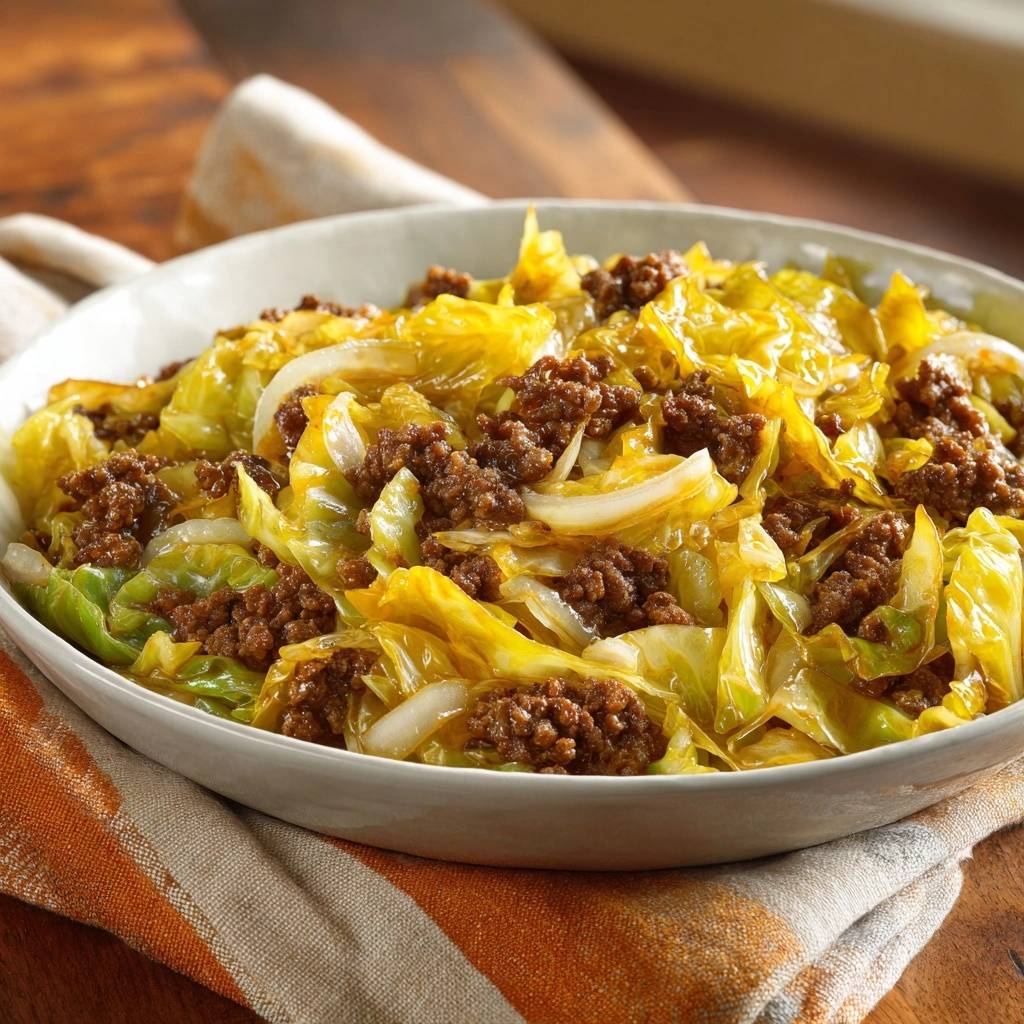
No beef? Swap ground turkey, but add extra oil since it’s leaner. Therefore, you’ll keep the dish juicy and budget-friendly.
Shredding Cabbage Right for Skillet Perfection
Slice to 1/8-inch shreds with a knife or mandoline for even bites. Thicker pieces turn mushy, so thin ensures crisp-tender results.
Ground Beef Choices: Lean vs. Regular
Lean beef (90/10) avoids excess fat that steams veggies. Regular works too, but drain slightly for better texture and flavor lock-in.
Salting Trick: Cabbage’s Moisture Extraction Secret
Toss 8 cups shredded cabbage with 1/2 teaspoon salt in a bowl. Let it sit 10 minutes, and osmosis pulls out 1-2 cups water. Rinse well to avoid bitterness, then squeeze dry with a towel three times.
Pat completely dry before cooking. This beats blanching, which doesn’t remove enough moisture. Unsalted cabbage weeps during heat, but this stays crisp with browned edges.
Therefore, high-heat searing works perfectly. You’ll smell sweet cabbage aroma, not steam.
Browning Ground Beef in Skillet Precision
Heat 1 tablespoon oil over medium-high until shimmering. Add beef and break it up with a spoon for Maillard reaction, creating nutty depth at 280°F plus.
Cook 5-7 minutes without constant stirring for caramelized edges. No need to drain fat; it coats the pan nicely. Remove beef to prevent steaming later veggies.
Therefore, flavors build without sogginess. You’ll see rich brown bits that elevate the whole dish.
High-Heat Stir-Fry: Onion and Cabbage Union
Add remaining oil, then onions with 1/2 teaspoon salt. Stir-fry 3 minutes until soft and fragrant. Onions release sweetness that clings to cabbage.
Crank heat to high, toss in dry cabbage. Stir constantly 5-7 minutes for wok-like char. Edges brown slightly, and it wilts but snaps back, thanks to evaporation.
No water pools because high heat (350°F plus) dries instantly. In addition, constant tossing prevents mush.
If you enjoy the caramelized cabbage here, you’ll love the same tender texture in this hearty beef and cabbage soup.
Final Blend: Soy Sauce and Pepper Harmony
Return beef to the skillet. Stir in 1 tablespoon soy sauce and 1/2 teaspoon pepper. Cook 2 minutes to meld flavors without softening cabbage.
Soy adds glossy shine and umami from glutamates. Taste now; pepper’s oils bloom last for bite. Therefore, serve hot for peak crispness.
Science of Crisp Ground Beef Cabbage Skillet
Cabbage cells burst water during low heat, but salting extracts it first. Beef renders fat that lubricates high-heat dehydration. At 350°F plus, moisture evaporates fast, unlike steaming traps.
Soy’s pH boosts browning via Maillard. This method beats boiling or casseroles, which trap steam. Therefore, you lock in crisp texture and beefy savoriness.
High BTUs in the skillet retain twice the heat of a pot, searing instead of simmering.
Maillard Reaction in Beef-Cabbage Dynamics
Amino acids and sugars react above 280°F for nutty flavors. Beef provides proteins; cabbage sugars fuel it during stir-fry.
High-Heat Evaporation vs. Steaming Traps
Skillet’s heat retention doubles a pot’s, evaporating water instantly. Low heat traps steam, turning crisp cabbage soggy.
Avoiding Soggy Pitfalls in Ground Beef Cabbage Skillet
Don’t skip rinsing salted cabbage; leftover salt bitters it. Overcrowding a small pan steams everything, so use 12-inch minimum. Low heat pools water, but high blasts it away.
Wet cabbage dooms crispness, so triple-dry. Overcooking mushes it, so watch for snappy wilt. Cast iron holds heat best for pro results.
Therefore, follow steps exactly. Most fails come from rushing the dry step.
For the same reasons you don’t skip the drying step, you’ll want to avoid overcooking the cabbage in this one-pan beef and cabbage skillet.
Overcrowding: Pan Size Matters
12-inch skillet fits 8 cups without steaming. Smaller pans trap moisture and soften cabbage fast.
Wet Ingredients Ruin Crisp Edges
Triple-dry cabbage cuts 20% more moisture. Towel squeeze yields drier results than shaking alone.
Flavor Variations for Ground Beef Cabbage Skillet
For Asian twist, add 1 teaspoon grated ginger with soy. Smoky? Stir in 1 teaspoon paprika and chili flakes. Taco-style needs cumin for earthiness.
Boost umami with sliced mushrooms or add carrots for crunch. Gluten-free? Use coconut aminos instead of soy. Veggie version skips beef for low-fat.
All keep cabbage crisp. Therefore, tweak to your taste without sogginess.
Asian-Inspired Soy-Ginger Upgrade
Grate 1 teaspoon ginger into cabbage step. Finish with sesame oil drizzle for nutty aroma.
Spicy Paprika Beef Cabbage Twist
Add 1 teaspoon smoked paprika with onions. Chili flakes bring heat without muddling crispness.
Make-Ahead and Freezing Ground Beef Cabbage Skillet
Prep salted, rinsed cabbage up to 2 days ahead; store dry in fridge. Cook full dish and fridge 4 days airtight. Reheat in hot skillet to crisp up.
Freeze portions 3 months; thaw overnight, pat dry, then stir-fry refresh. Skip microwave; it steams mush. Batch for 4 meals easily.
Therefore, it’s perfect for weeknight preps without quality loss.
Pairing Sides with Ground Beef Cabbage Skillet
Serve over rice or quinoa to soak juices. Top with fried egg for runny yolk richness. Yogurt sauce cools spice if varied.
Pickles add acidity punch. Avocado brings creaminess. Low-carb? Cauliflower rice absorbs perfectly.
Portions for 4: one skillet feeds all. Herbal tea pairs refreshingly clean.
What to Serve Alongside
That skillet’s hearty beef and cabbage (with its crisp edges) works well with something cool and tangy, or something bright and bean-heavy. These two options add contrast without competing.
- A side of Crunchy Creamy Southern Style Coleslaw brings the same shredded-cabbage family but with a chilled, creamy dressing that cuts the richness of the skillet.
- For a lighter, vinegar-forward counterpoint, try the Sun-Dried Tomato White Bean Salad — its tangy, herbaceous beans and umami tomato bits echo the skillet’s savory notes without repeating textures.
Ground Beef Cabbage Skillet FAQ
Can I Use Red Cabbage Instead?
Yes, red cabbage works great with milder flavor and vibrant color. Salt and dry it exactly the same to keep crisp texture. It holds up well to high heat without fading.
Substitute Ground Turkey for Beef?
Absolutely, ground turkey is leaner so add 1 teaspoon extra oil. It cooks 1 minute less to stay juicy. Flavors blend just as well with soy.
How to Keep Cabbage Extra Crispy?
High heat, no lid ever, and dry cabbage thoroughly three times. Toss constantly 5-7 minutes for char edges. Avoid stirring less; motion evaporates moisture fast.
Vegetarian Version Possible?
Yes, crumble firm tofu or cooked lentils instead of beef. Double the salting step on cabbage for balance. Add mushrooms for meaty texture.
Reheat Without Sogginess?
Skillet on medium-high with a splash of oil, toss 3 minutes. Pat any thawed leftovers dry first. Microwave ruins crispness, so stovetop revives perfectly.
How Long Does Ground Beef Cabbage Skillet Last in the Fridge?
Store airtight up to 4 days. Flavors deepen nicely by day 2. It doesn’t freeze ideally due to cabbage softening, but portions hold 3 months if patted dry post-thaw.
Why Did My Skillet Turn Watery?
Usually from skipping the salt-rinse-dry or using low heat. Wet cabbage releases during cooking, so triple-dry and blast high heat. Overcrowded pan steams too.
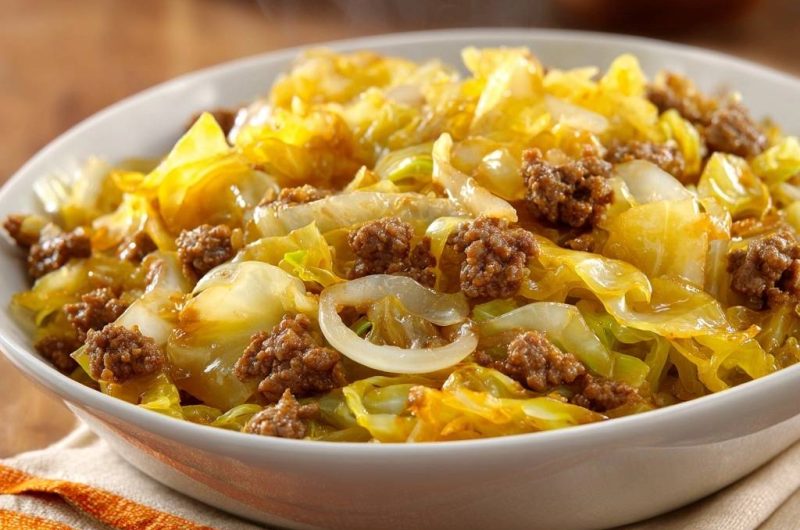
Ground Beef Cabbage
Course: Main CourseCuisine: AmericanDifficulty: easy4
servings15
minutes15
minutes350
kcal30
MinutesTired of cabbage dishes turning into a watery mess? This simple skillet uses a foolproof salting trick to draw out excess moisture first, then high-heat cooking locks in perfect tender-crisp texture every time. Ready in under 30 minutes!
Ingredients
1 medium head green cabbage, shredded (about 8 cups)
1 pound ground beef
1 large onion, thinly sliced
2 tablespoons vegetable oil
1 teaspoon salt (divided)
1/2 teaspoon black pepper
1 tablespoon soy sauce (for gloss and flavor)
Directions
- In a large bowl, toss shredded cabbage with 1/2 teaspoon salt. Let sit 10 minutes. This key step draws out water that makes cabbage soggy, so rinse and squeeze dry firmly with a clean towel before cooking. Pat completely dry for crisp results.
- Heat 1 tablespoon oil in a large skillet over medium-high heat. Add ground beef, breaking it up with a spoon. Cook 5-7 minutes until browned and no pink remains. Remove beef to a plate.
- Add remaining 1 tablespoon oil to skillet. Add sliced onion and remaining 1/2 teaspoon salt. Stir-fry 3 minutes until softened.
- Add drained cabbage to skillet. Stir-fry on high heat 5-7 minutes, tossing constantly until tender-crisp and edges brown slightly. No water pooling!
- Return beef to skillet. Stir in soy sauce and pepper. Cook 2 minutes to blend flavors. Serve hot.
Notes
- The key salting step draws out water to prevent sogginess—rinse, squeeze dry with a towel, and pat completely dry before cooking for crisp results.