Mastering Creamy Roasted Mushroom Fettuccine Without the Watery Mess
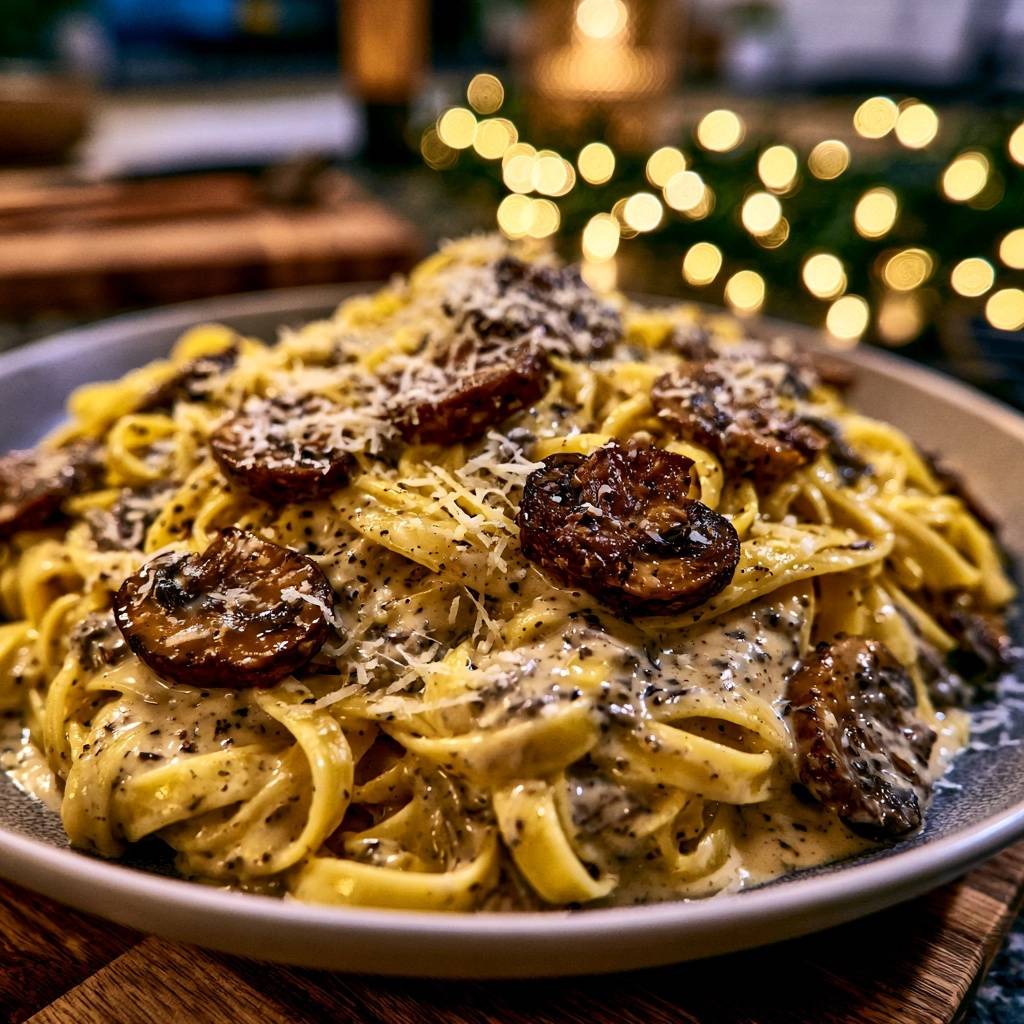
Imagine twirling a fork into a mountain of silky fettuccine, where every ribbon is coated in a thick, velvet-like cream sauce that actually stays on the pasta. You take a bite, and instead of a bland, rubbery mushroom, you get a concentrated explosion of earthy, caramelized flavor. It’s the kind of meal that makes you close your eyes and lean back in your chair.
However, most home cooks struggle to recreate this at home because mushrooms are notorious for acting like little sponges. When you toss raw or lightly sautéed mushrooms directly into a pan of cream, they release all their internal liquid. This turns your luxurious sauce into a thin, grey, watery puddle at the bottom of the bowl.
The secret to fixing this isn’t adding more flour or cornstarch; it’s all about the oven. By roasting the mushrooms at a high temperature before they ever touch the skillet, we evaporate their moisture and intensify their sugars. This ensures your Creamy Roasted Mushroom Fettuccine remains rich, stable, and restaurant-quality from the first bite to the last.
The Science of Roasting vs. Sautéing Mushrooms
Mushrooms are roughly 80% to 90% water, held together by a tough cell wall structure called chitin. When you sauté them in a crowded pan, the heat isn’t high enough to evaporate the liquid as fast as it’s released. Consequently, the mushrooms end up boiling in their own juices, resulting in a rubbery texture and a diluted sauce.
Roasting at 425°F changes the game entirely through the Maillard reaction. This chemical reaction between amino acids and reducing sugars creates that deep, savory “umami” profile we crave. In the dry heat of the oven, the water escapes as steam, leaving behind a “meaty” mushroom that has a firm, satisfying bite rather than a slimy one.
Why High Heat Prevents a Thin Sauce
High heat is the only way to effectively break down those chitin walls while simultaneously whisking away moisture. By the time these roasted gems hit your cream base, they are “thirsty” rather than “leaky.” Instead of thinning out your sauce, they actually absorb a bit of the cream, becoming little flavor bombs that integrate perfectly into the emulsion.
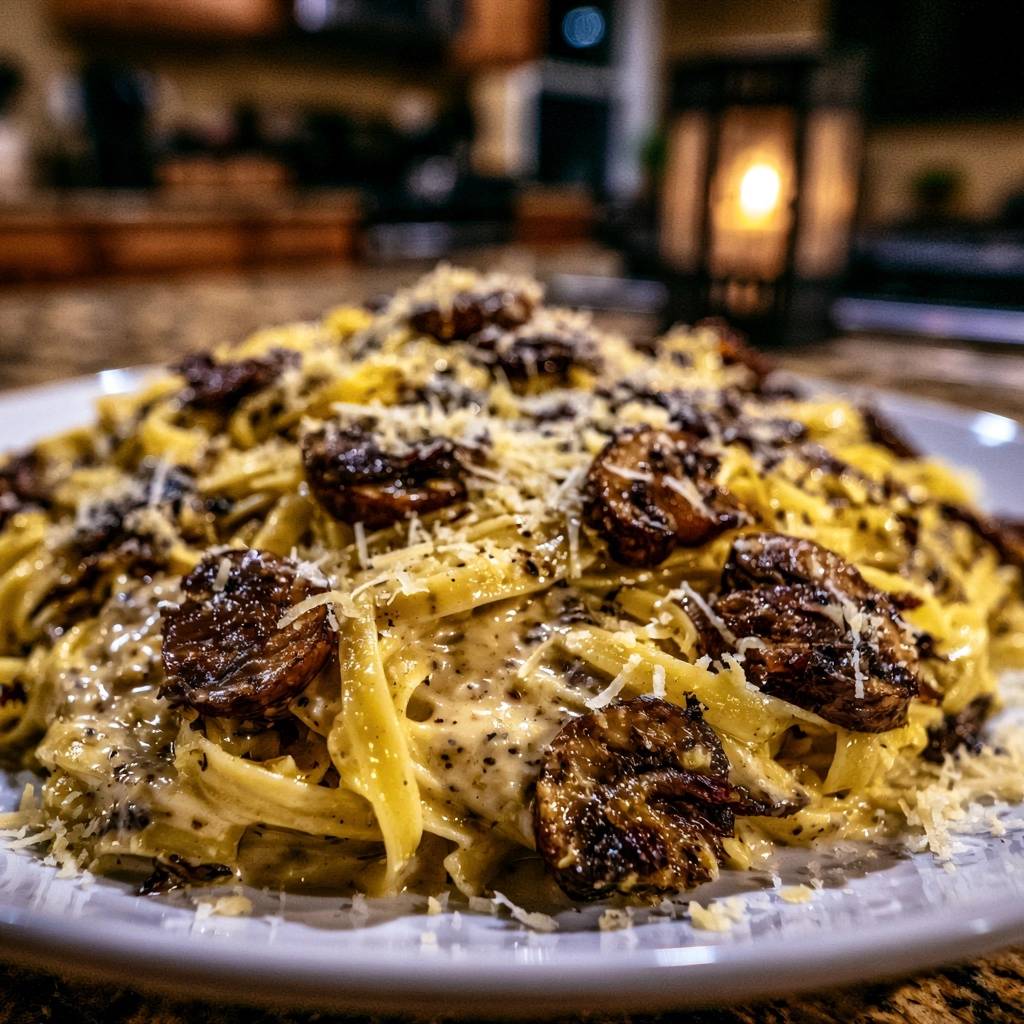
Essential Components for Creamy Roasted Mushroom Fettuccine
Quality ingredients are the backbone of a simple pasta dish. I always recommend Cremini or Baby Bella mushrooms over standard white buttons. They are essentially younger versions of Portobellos and carry a much deeper, woodsy flavor that stands up well to the richness of heavy cream.
Speaking of cream, use the real deal. Heavy cream has the fat content necessary to create a stable emulsion that won’t “break” or turn oily when mixed with cheese. If you try to use milk or half-and-half, you’ll likely end up with a grainy texture because those liquids lack the proteins and fats needed to suspend the Parmesan cheese smoothly.
Selecting the Right Pasta Shape
Fettuccine is the undisputed champion for this recipe for a reason. The wide, flat surface area of the noodle acts like a canvas for the thick sauce. While a thin spaghetti would be overwhelmed and a short penne might lose the mushrooms at the bottom of the bowl, fettuccine ribbons “grab” the sauce and the mushroom slices, ensuring you get every component in every mouthful.
The Role of Cracked Black Pepper and Thyme
Don’t underestimate the power of coarsely cracked black pepper. When you sauté it in butter, you are “blooming” the spice, which releases piperine and essential oils. This creates a foundational warmth that cuts right through the heavy dairy. Adding a touch of dried thyme provides a floral, earthy bridge that complements the roasted notes of the mushrooms beautifully.
Step-by-Step: Achieving the Perfect Mushroom Roast
Start by tossing your sliced mushrooms with olive oil on a large sheet pan. The most important rule here is to avoid crowding. If the mushrooms are piled on top of each other, they will steam instead of roast. Spread them out in a single, even layer so the hot air can circulate around every edge.
You’ll know they are done when they have shrunken significantly and developed dark, golden-brown edges. They should look almost like little pieces of seared steak. This transformation is what prevents that dreaded watery sauce later on. Don’t be afraid of a little char; that’s where the flavor lives!
Building the Emulsified Garlic and Cream Base
In your skillet, melt the butter over medium heat. When you add the minced garlic, keep a close eye on it. You want it to become fragrant and soft, not brown or crispy. Burnt garlic turns bitter and will ruin the delicate sweetness of the cream. Once the garlic is aromatic, pour in the heavy cream and bring it to a gentle simmer.
This is the reduction phase. You are looking for the “nappe” stage, which is a fancy chef term meaning the sauce is thick enough to coat the back of a spoon. If you run your finger through the sauce on the spoon, the line should stay clean and not fill back in. This is your cue that the base is ready for the pasta.
The Marriage: Combining Pasta, Sauce, and Mushrooms
Once your pasta is al dente, transfer it directly into the simmering cream. Add your Parmesan cheese and start tossing vigorously. This isn’t just about mixing; the mechanical action of tossing helps the cheese melt evenly and encourages the starch from the pasta to bind with the fats in the cream. It creates a glossy, tight glaze that clings to the noodles.
The Importance of Reserved Starch Water
Before you drain your pasta, always scoop out a cup of that cloudy, salty water. This is “liquid gold.” If your sauce looks too thick or “tight” once you add the cheese, a splash of this water will loosen it up while maintaining the emulsion. The starch in the water acts as a bridge, keeping the oil and water components of the sauce from separating.
Troubleshooting Common Mushroom Pasta Mistakes
If your sauce looks oily or “broken,” it usually means the heat was too high when you added the cheese. To save it, remove the pan from the heat and whisk in a tablespoon of room-temperature cream or pasta water very quickly. If your mushrooms taste too salty, remember that they shrink during roasting, which concentrates the salt. Always salt them lightly before roasting and adjust the final seasoning at the very end.
Flavor Variations and Ingredient Swaps
If you want to add a bit of acidity to cut the richness, try tossing the mushrooms with a teaspoon of balsamic vinegar before they go into the oven. For a different herbal profile, swap the thyme for fresh sage leaves fried in the butter. If you want to add protein, sliced roasted chicken breast is a natural fit, but make sure to add it at the very end so it doesn’t dry out in the sauce.
What to Serve with Creamy Mushroom Pasta
Because this dish is incredibly rich and savory, you want a side dish that offers a sharp contrast. A simple arugula salad with a bright lemon vinaigrette is perfect. The peppery greens and citrus acid cleanse the palate between bites of creamy pasta. Alternatively, charred broccolini with a pinch of red pepper flakes provides a nice crunch and a bit of heat to balance the earthy mushrooms.
Expert Tips for Professional Presentation
For a true restaurant look, don’t mix all the mushrooms into the sauce. Reserve about a quarter of the prettiest, most caramelized slices to place on top of the plated pasta. Use a large carving fork to twirl the fettuccine into a tall “nest” in the center of the plate. Finish with a shower of freshly chopped flat-leaf parsley and an extra dusting of Parmesan for a pop of color and freshness.
Frequently Asked Questions
Can I use dried mushrooms for this recipe?
You can, but the texture will be different. Dried mushrooms like porcinis need to be rehydrated in hot water first. While they offer incredible flavor, they won’t get that same “meaty” roasted texture as fresh creminis. A great pro tip is to use mostly fresh mushrooms for roasting and add a tablespoon of finely chopped rehydrated porcinis to the cream sauce for an extra punch of umami.
How do I reheat leftovers without the sauce separating?
Avoid the microwave if possible, as it heats unevenly and often causes the cream to break into a greasy mess. Instead, place the pasta in a skillet over low heat. Add a splash of milk or a tablespoon of water and stir gently as it warms up. This helps re-emulsify the sauce and brings back that silky texture without making the pasta mushy.
Is there a substitute for heavy cream?
If you must substitute, full-fat crème fraîche is your best bet because it has a high fat content and a nice tang. You can also use a cashew-based cream for a dairy-free version. Avoid using 1% or 2% milk, as the sauce will be very thin and the Parmesan will likely clump together rather than melting into a smooth glaze.
Why is my Parmesan clumping instead of melting?
Clumping usually happens for two reasons: using pre-shredded cheese or adding it to a boiling sauce. Pre-shredded cheese is coated in potato starch or cellulose to prevent sticking in the bag, which also prevents it from melting smoothly. Always grate your own cheese from a block. Additionally, pull the pan off the burner for a few seconds before adding the cheese so the residual heat melts it gently.
Can I roast the mushrooms in advance?
Absolutely! You can roast the mushrooms up to 24 hours in advance. Store them in an airtight container in the refrigerator. When you are ready to make the pasta, simply toss them into the simmering cream sauce. They will heat through in about a minute and you’ll save nearly 20 minutes of prep time on a busy weeknight.
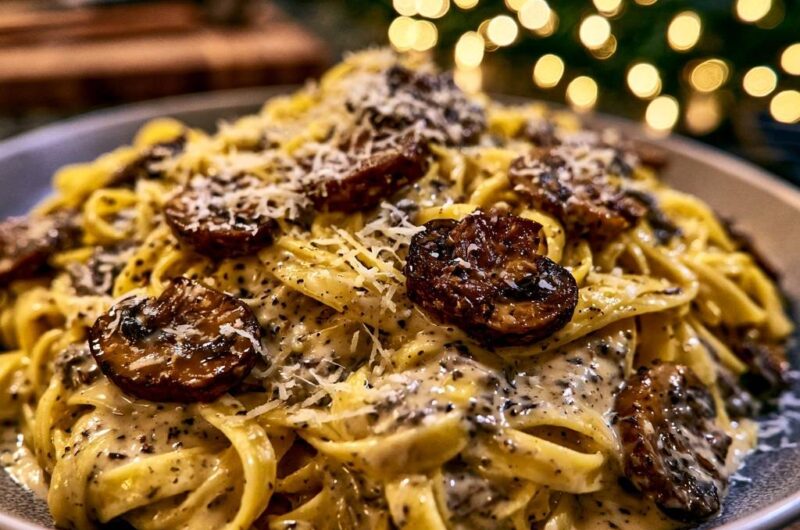
Creamy Roasted Mushroom Fettuccine
Course: Main CourseCuisine: Italian-AmericanDifficulty: easy4
servings10
minutes25
minutes35
Minutes580
kcalItalian-American
Ingredients
1 pound fettuccine pasta
1.5 pounds cremini or baby bella mushrooms, sliced into thick rounds
3 tablespoons olive oil
2 tablespoons unsalted butter
4 cloves garlic, minced
1.5 cups heavy cream
3/4 cup freshly grated Parmesan cheese (plus extra for garnish)
1.5 teaspoons coarsely cracked black pepper
1/2 teaspoon salt (plus more for pasta water)
1/2 teaspoon dried thyme (optional)
Fresh parsley, finely chopped for garnish
Directions
- Preheat your oven to 425°F (220°C). Toss the sliced mushrooms with olive oil and a pinch of salt on a large sheet pan. Spread them in a single layer so they roast rather than steam.
- Roast the mushrooms for 18 to 22 minutes, flipping halfway through, until they are deeply browned, shrunken, and caramelized. This is the critical step to prevent a watery sauce.
- While mushrooms roast, bring a large pot of heavily salted water to a boil. Cook the fettuccine according to package directions until al dente. Reserve 1/2 cup of starchy pasta water before draining.
- In a large skillet or deep pan over medium heat, melt the butter. Add the minced garlic and cracked black pepper. Saute for 1-2 minutes until the garlic is fragrant and the pepper has bloomed in the fat.
- Pour in the heavy cream and bring to a gentle simmer. Let it reduce for 3 to 5 minutes until it coats the back of a spoon.
- Stir 3/4 of the roasted mushrooms into the cream sauce. Reserve the most visually appealing mushroom slices for topping.
- Add the cooked fettuccine and the 3/4 cup of Parmesan cheese to the skillet. Toss vigorously over low heat. The cheese will melt into the cream, creating a thick, emulsified glaze. If the sauce becomes too tight, add the reserved pasta water one tablespoon at a time.
- Plate the pasta and top with the reserved roasted mushroom slices to match the visual presentation. Garnish generously with extra Parmesan cheese and fresh parsley. Serve immediately.
Notes
- Roasting the mushrooms at high heat is the critical step to prevent moisture from thinning the sauce. Use freshly grated Parmesan for the best emulsification and texture.