Mastering Glazed Salmon and Broccoli Rice Bowls
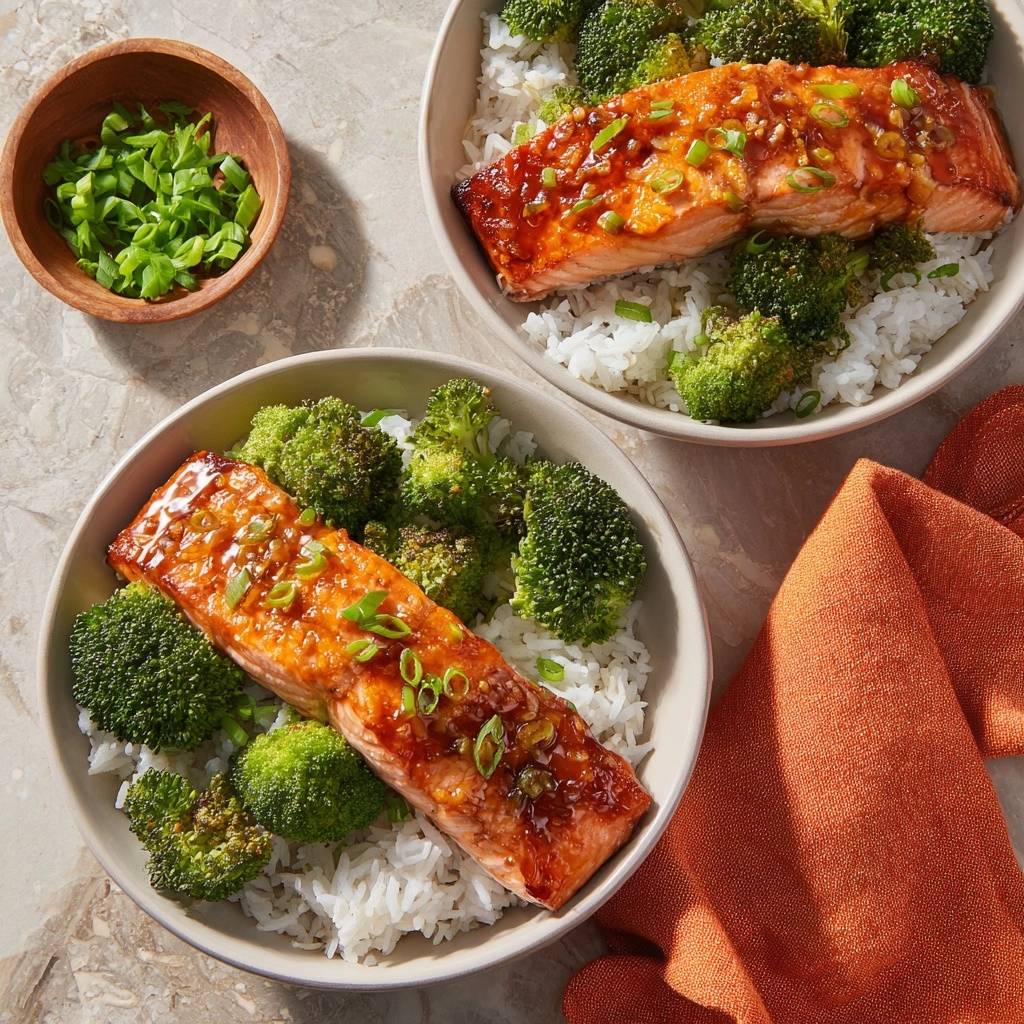
Imagine a fork sliding through a salmon fillet that offers zero resistance, revealing a buttery, translucent center that practically melts on your tongue. Most home cooks are used to the tragedy of “chalky” salmon—that dry, stiff texture that requires a gallon of water to swallow. This recipe changes that narrative by focusing on a gentle cooking method that respects the delicate proteins of the fish.
The secret to this transformation lies in the “Cold Pan” philosophy. Instead of tossing your fish into a screaming hot skillet, we start from room temperature to ensure the heat penetrates the center before the exterior turns to leather. It’s the difference between a professional, restaurant-quality meal and a sad, overcooked Tuesday night dinner.
I’ve found that the most common mistake is fearing the skin. By starting in a cold pan, you allow the fat beneath the skin to render out slowly, which acts as a natural insulator for the flesh. This keeps the muscle fibers tender and ensures your Glazed Salmon and Broccoli Rice Bowls are succulent every single time.
The Anatomy of a Perfect Salmon Bowl
A truly great rice bowl is a study in balance. You have the rich, healthy fats from the salmon, which provide a luxurious mouthfeel and keep you satisfied for hours. Then, you have the fresh, fibrous crunch of steamed broccoli to provide a necessary structural contrast to the soft fish and grains.
The glaze acts as the bridge between these elements. It combines the salty depth of soy sauce with the floral sweetness of honey and the sharp bite of fresh ginger. This isn’t just a sauce; it’s a lacquer that coats the fish and seasons the rice below, creating a cohesive bite that hits every part of your palate.
Essential Components for the Glaze and Base
Quality ingredients are the backbone of this dish. When it comes to the aromatics, fresh ginger and garlic are absolutely non-negotiable. Powdered versions simply cannot replicate the spicy, zingy punch of fresh ginger or the pungent, savory aroma of freshly minced garlic. These fresh elements cut through the richness of the salmon and brighten the entire bowl.

The acidity in the glaze comes from rice vinegar. It’s milder than white vinegar or apple cider vinegar, offering a delicate tang that balances the heavy sugars in the honey. If you find your glaze feels too “heavy,” a tiny extra splash of rice vinegar at the end can wake up all the other flavors instantly.
For the base, always use freshly cooked rice if possible. While leftover rice works for fried rice, a fresh, steaming bed of grains absorbs the honey-soy glaze much more effectively. This ensures that the flavor doesn’t just sit on top of the bowl but permeates every single layer.
Selecting High-Quality Salmon Fillets
When you’re at the fish counter, look for center-cut fillets. These are uniform in thickness, which means the entire piece of fish will finish cooking at the exact same time. Thinner tail pieces often overcook on the edges before the middle is even warm, leading to that dreaded dry texture.
I always recommend skin-on fillets for this specific method. The skin acts as a protective barrier against the heat of the pan. Even if you don’t plan on eating the skin, leaving it on during the searing process helps retain the natural juices within the fillet, acting like a little moisture jacket for the fish.
Choosing the Right Rice Variety
Jasmine rice is my top pick for these bowls because of its natural floral aroma and slightly sticky texture. It holds up well under the weight of the salmon and the moisture of the glaze. Basmati is a fine substitute if you prefer a fluffier, more individual grain, though it won’t “clump” with the sauce quite as well.
For a perfect pairing, try our Gochujang Veggie Fried Rice: Crisp Veggies Guaranteed.
Short-grain rice, like the kind used for sushi, is another fantastic option. Its high starch content creates a creamy mouthfeel that pairs beautifully with the syrupy glaze. Whichever you choose, make sure to rinse your rice thoroughly before cooking to remove excess surface starch, which prevents the grains from becoming gummy.
The Cold-Pan Technique for Moist Fish
The physics of cooking fish is all about protein contraction. When a cold piece of salmon hits a scorching hot pan, the protein fibers seize up violently. This sudden contraction squeezes out the moisture, often resulting in those white clumps of protein (called albumin) popping out of the sides of your fish.
By starting the salmon in a cold non-stick skillet with a little oil, you allow the temperature to rise gradually. This gentle ramp-up gives the fat under the skin time to liquefy and render. As the pan heats, the skin crisps up beautifully while the flesh stays relaxed and hydrated.
This method is much more forgiving for the home cook. You aren’t rushing against a smoking pan, and you have more control over the visual cues of the cooking process. You’ll actually see the heat climbing up the side of the fillet, turning the pink flesh into an opaque, pale orange from the bottom up.
Step-by-Step: Searing and Glazing the Salmon
Once your salmon is in the pan and the heat is on medium-high, leave it alone. Resist the urge to poke, prod, or move the fish. You want that skin to develop a golden, crackling crust. Watch the side of the fillet; when the opacity has reached about three-quarters of the way up the side, it’s time to flip.
This is the “75/25” rule. You do the vast majority of the cooking on the skin side to protect the delicate meat. After the flip, the salmon only needs a minute or two to finish. This is also the exact moment you introduce your glaze to the pan, allowing the residual heat to do the heavy lifting.
Achieving the Perfect Glaze Reduction
As soon as the glaze hits the hot skillet, it will begin to bubble vigorously. This is the water evaporating, leaving behind the concentrated sugars and flavors. You’re looking for the liquid to transform from a thin soup into a thick, syrupy lacquer that clings to the back of a spoon.
Be careful here, as the honey can burn quickly if the heat is too high for too long. Use a spoon to continuously baste the top of the salmon with the bubbling sauce. This coats the fish in a glossy finish and ensures the ginger and garlic flavors are infused into every crevice of the flaking meat.
Steaming Broccoli for Maximum Color and Crunch
Broccoli is at its best when it’s “tender-crisp.” This means the stalk is soft enough to bite through easily, but the florets still have a bit of structural integrity and a vibrant, emerald-green color. Over-steaming leads to a dull olive-drab color and a mushy texture that releases unpleasant sulfurous odors.
Three to four minutes of steaming is usually the sweet spot. If your salmon isn’t quite ready when the broccoli finishes, pull the broccoli off the heat immediately. You can even give it a quick splash of cold water to stop the cooking process, then toss it back into the warm pan for ten seconds right before serving.
Flavor Variations and Ingredient Swaps
If you’re looking to avoid soy, coconut aminos make an excellent 1:1 substitute for soy sauce. It’s slightly sweeter and less salty, so you might want to add an extra pinch of salt to the fish. For those who don’t have honey on hand, maple syrup provides a lovely earthy sweetness that pairs perfectly with salmon.
If you like a bit of heat, don’t be afraid to customize the glaze. Adding a teaspoon of red chili flakes or a squeeze of sriracha into the sauce mixture adds a spicy kick that cuts through the richness of the fish. You can also swap the broccoli for bok choy or snap peas if you want to change up the greens.
Troubleshooting Common Salmon Mistakes
If you see white “gunk” appearing on your salmon, don’t panic. That’s just albumin, a harmless protein. It usually means the heat was a bit too high or the fish cooked a little too fast. Using the cold-pan method significantly reduces this, but if it happens, you can simply wipe it away before glazing.
If your glaze reduces too far and becomes a sticky, salty mess, don’t toss it out. Simply add a tablespoon of water or a splash of rice vinegar to the pan and whisk it in. The liquid will loosen the sugars and bring the sauce back to a pourable, balanced consistency in seconds.
If the skin sticks to the pan, it usually means it hasn’t finished searing yet. In a non-stick pan, the fish will naturally “release” once the skin has crisped up and the fats have rendered. Give it another thirty seconds and try again with a thin spatula.
How to Tell When Salmon is Done
Forget the timer; use your eyes and a fork. Salmon is perfectly cooked when it reaches an internal temperature of 125°F to 135°F. At this stage, the fish will be medium-rare to medium, which is the gold standard for moisture and flavor.
If you don’t have a thermometer, use the flake test. Gently press down on the top of the fillet with a fork. If the layers of the fish begin to separate (or flake) easily along the white fat lines, it’s ready to come off the heat. Remember, the fish will continue to cook for a minute after you remove it from the pan.
Optimizing Your Meal Prep Routine
These bowls are fantastic for meal prep, but you have to be smart about storage. Store the rice, broccoli, and salmon in separate compartments if possible. This prevents the rice from soaking up all the moisture from the vegetables and becoming mushy before you’re ready to eat.
When reheating, avoid the microwave if you can, as it tends to turn salmon into rubber. The best way to reheat is “low and slow” in a toaster oven or a covered skillet with a teaspoon of water. Alternatively, this salmon is actually delicious served cold or at room temperature over warm rice.
Expert Tips for Professional Presentation
We eat with our eyes first, so take a moment to assemble the bowl with care. Start with a generous base of rice, then tuck the broccoli into one side to create a vibrant green “wall.” Place the salmon at an angle across the top to create height and visual interest.
The final drizzle of glaze should go over both the fish and the broccoli. Finish with a heavy hand of sliced green onions and a sprinkle of sesame seeds. The bright green of the onions provides a sharp color contrast against the dark, glossy glaze, making the dish look like it came straight from a high-end bistro.
Frequently Asked Questions
Can I use frozen salmon for these bowls?
Yes, you can use frozen salmon, but proper thawing is critical for the texture. Thaw the fillets overnight in the refrigerator. Avoid thawing in warm water, as this can start to “cook” the outside of the fish and lead to a mushy texture. Once thawed, pat them extremely dry with paper towels before cooking to ensure a good sear.
Why is my glaze not thickening?
If your glaze remains watery, it’s likely because the pan temperature dropped too much or there wasn’t enough sugar (honey) to create a reduction. Increase the heat to medium-high and let it bubble rapidly. The glaze needs to lose water through evaporation to become syrupy. If it still won’t thicken, a tiny cornstarch slurry (1/2 teaspoon cornstarch mixed with 1 teaspoon water) can fix it instantly.
Is it safe to eat the salmon skin?
Absolutely! In fact, the skin contains the highest concentration of omega-3 fatty acids. When cooked using the cold-pan method, the skin becomes thin and crispy, much like a potato chip. It adds a wonderful salty crunch to the bowl. However, if you prefer not to eat it, it will slide right off the fillet after cooking.
Can I make this in an air fryer?
You can, though you’ll lose the ability to baste the fish as it cooks. To adapt, air fry the salmon at 380°F for 8-10 minutes. Brush the glaze on during the last 2 minutes of cooking so the sugars caramelize without burning. You’ll need to reduce the glaze in a small saucepan on the stove separately to get that thick, syrupy consistency for drizzling.

Glazed Salmon
Course: Main CourseCuisine: Asian FusionDifficulty: easy2
servings10
minutes15
minutes540
kcal25
MinutesA quick and nutritious meal featuring salmon fillets glazed in a honey and ginger soy sauce, served over white rice and steamed broccoli. The recipe utilizes a cold-pan start to ensure the fish remains tender and moist.
Ingredients
2 center-cut salmon fillets (skin-on preferred for moisture)
2 cups fresh broccoli florets
1 cup white rice, cooked
3 tablespoons soy sauce
2 tablespoons honey
1 tablespoon rice vinegar
1 tablespoon grated fresh ginger
2 cloves garlic, minced
1 tablespoon vegetable oil
1/4 cup sliced green onions
1 teaspoon sesame seeds (optional)
Directions
- Pat the salmon fillets completely dry with paper towels. Season the flesh side lightly with salt (go easy, as the soy sauce is salty).
- In a small bowl, whisk together the soy sauce, honey, rice vinegar, ginger, and minced garlic to create your glaze. Set aside.
- Place the salmon skin-side down in a cold non-stick skillet. Add the vegetable oil. Turn the heat to medium-high. Starting with a cold pan allows the fat to render slowly, which prevents the fish from seizing up and becoming dry.
- Cook the salmon for 5 to 6 minutes on the skin side without moving it. You will see the flesh turn opaque from the bottom up.
- While the salmon cooks, steam the broccoli florets for 3-4 minutes until tender-crisp and bright green.
- Once the salmon is cooked about three-quarters of the way through, flip the fillets carefully. Immediately pour the glaze into the pan.
- Let the glaze bubble and reduce for 1 to 2 minutes. Use a spoon to continuously baste the salmon with the thickening sauce. This coats the fish in a rich, glossy lacquer (as seen in the image) without burning the sugars in the honey.
- Remove from heat immediately once the glaze is syrupy and the salmon flakes easily with a fork.
- Divide the cooked rice and steamed broccoli into two bowls. Top each with a salmon fillet and drizzle the remaining thickened glaze from the pan over the top.
- Garnish with plenty of fresh green onions and sesame seeds for a fresh, bright finish.
Notes
- Starting with a cold pan allows the fat to render slowly, which prevents the fish from seizing up and becoming dry. Use skin-on fillets for maximum moisture retention.