Mastering Golden Crispy Potato Cakes: The Anti-Soggy Technique
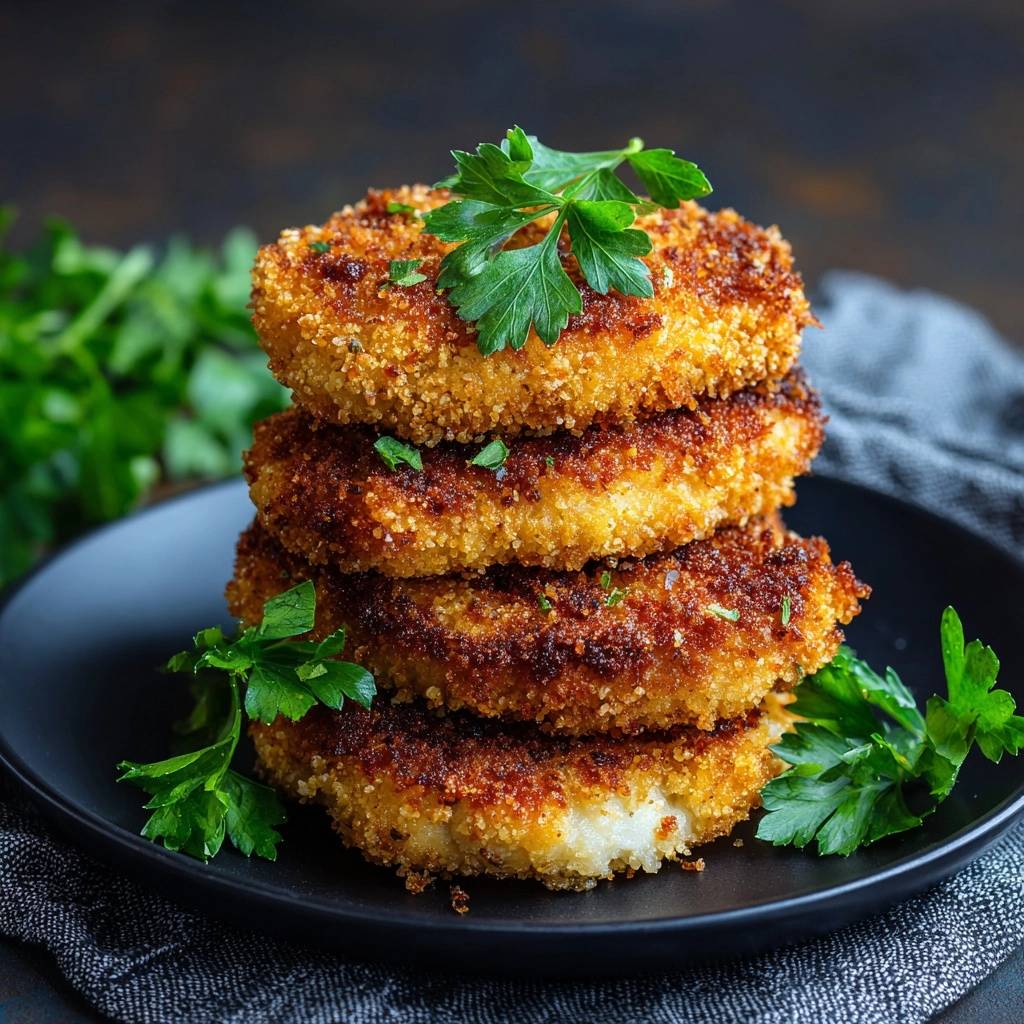
There is nothing quite like the heartbreak of a potato cake that looks beautiful in the pan but turns into a mushy, oil-soaked mess the moment it hits your plate. We have all been there, craving that perfect contrast between a shatteringly crisp exterior and a fluffy, cheesy center, only to end up with a heavy, greasy disappointment. Most recipes fail because they ignore the two biggest enemies of a good potato patty: excess moisture and improper temperature control.
This specific method changes the game by focusing on structural integrity and a specialized “Anti-Soggy” technique. By using a flash-chill step and a specific breading sequence, you ensure the crust stays firm even when stacked high on a serving platter. You aren’t just making a side dish; you’re creating a sensory experience where the audible crunch of the Panko meets a rich, molten interior of mozzarella and parmesan.
The secret to this recipe’s success lies in the starch management. While many cooks try to use fresh, hot mashed potatoes, that is actually the fastest way to a soggy result. Using cold, stiff potatoes allows the starches to stay locked in place, providing a sturdy foundation that won’t dissolve when it hits the hot oil. If you follow this chilling rule, you’ll get a professional-grade sear every single time.
The Science of Structural Integrity in Potato Patties
To understand why potato cakes fall apart, you have to look at the chemistry of moisture. When you heat a potato patty, the water inside turns to steam. If the potato base is too loose or creamy, that steam pushes outward, breaking the crust and allowing oil to seep into the center. This is why “stiff” mashed potatoes are absolutely non-negotiable for this recipe.
Furthermore, the egg in this mixture acts as a vital protein binder. As soon as the patty hits the heat, the egg proteins coagulate, creating a net that holds the potato and cheese together. Without this binder, the melting cheese would cause the patty to lose its shape and spread across the pan like a pancake. Therefore, the combination of dry starch and quick-setting protein is what gives these cakes their legendary structure.
Why Cold Starch Outperforms Fresh Mash
When potatoes cool down, they undergo a process called retrogradation. The starch molecules recrystallize into a firmer, more stable structure than they had when they were freshly boiled. This makes the cold mash much easier to handle and shape without adding excessive amounts of flour, which can make the cakes taste gummy. Using leftovers isn’t just a convenience; it’s a technical advantage for a better texture.
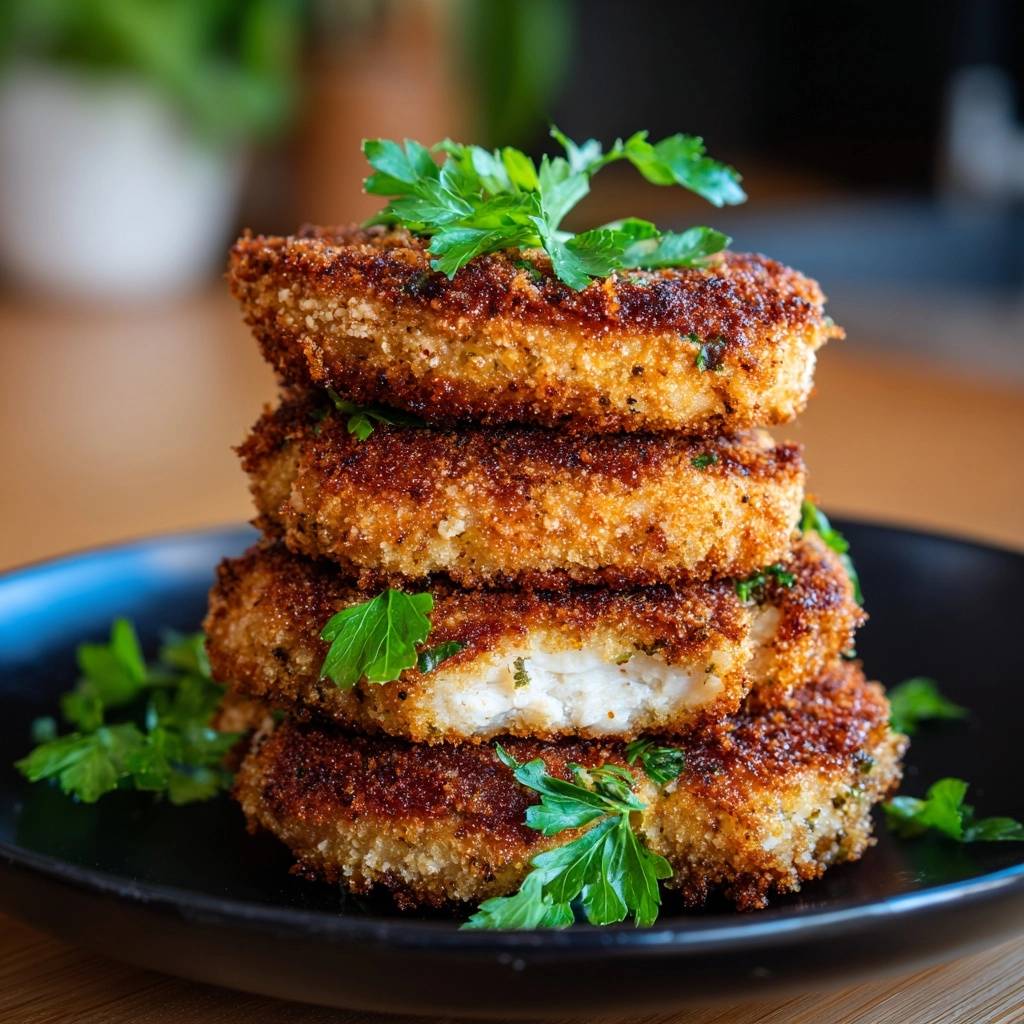
Essential Components for Golden Crispy Potato Cakes
Quality ingredients are the backbone of this dish, and it starts with the cheese. We use a blend of shredded mozzarella for that classic “cheese pull” and grated parmesan for a salty, savory punch. Because parmesan is a dry cheese, it adds flavor without introducing extra moisture that could compromise the crust. However, make sure you use freshly grated parmesan if possible, as it melts more smoothly than the stuff from a green shaker can.
The breading is the next critical component. While standard breadcrumbs are fine, Panko is the superior choice for a “shatter” factor. Panko flakes are larger and airier, which means they create more surface area for the oil to crisp up. Additionally, using a neutral oil with a high smoke point, like vegetable or canola oil, ensures you can get the pan hot enough to sear the outside without the oil burning or smoking out your kitchen.
The Role of Panko and Flour Dredging
We follow the “Standard Breading Procedure” to ensure the crust never peels off in the pan. Firstly, the flour coating dries the surface of the potato, giving the egg something to grip. Secondly, the egg acts as the glue that anchors the Panko flakes. For the best results, I like to lightly crush the Panko in my hands before dredging; this creates a tighter seal so there are no “bald spots” where oil can penetrate the potato base.
Phase One: Preparing the Reinforced Potato Base
Start by mixing your cold mashed potatoes with the cheeses and spices in a large bowl. You want to be thorough here so every bite has a hit of garlic and onion powder. As you mix, pay attention to the texture. If the mixture feels sticky or clings to your fingers, it likely has too much moisture from butter or milk. In that case, simply fold in an extra tablespoon of flour until the “dough” feels workable and clean.
When shaping the patties, aim for a thickness of about one inch. If they are too thin, they will overcook and become dry; if they are too thick, the center won’t get hot before the outside burns. Press them firmly between your palms to ensure there are no air pockets or cracks along the edges. A smooth, compressed patty is much less likely to split open during the frying process.
The Flash-Chill: Preventing Oil Absorption
This is the “secret” step that separates amateur potato cakes from the ones you get in high-end bistros. Placing the shaped patties in the freezer for 15 minutes firms up the fats—specifically the butter and cheese—inside the potato. This ensures that the exterior crust has time to set and crisp up before the interior fats begin to melt and soften the structure.
Furthermore, the temperature shock of the cold patty hitting the hot oil creates an immediate steam barrier. This barrier actually pushes the oil away from the surface, preventing the breading from becoming a sponge. It might feel like an extra step, but that quarter-hour in the freezer is the difference between a greasy patty and a perfectly dry, crunchy one.
Step-by-Step: Achieving the Perfect Golden Sear
Once your patties are chilled and breaded, it is time to fry. You need enough oil to come about halfway up the side of the cake, which is known as shallow frying. The oil must be shimmering and hot—around 350°F—before the first patty goes in. If you see the oil rippling, you are ready to go. Carefully slide the cakes into the pan, moving away from you to avoid splashes.
Do not crowd the pan! This is a common mistake that ruins many batches. If you put too many cold patties in at once, the oil temperature will plummet, and the cakes will sit in lukewarm grease rather than searing. Fry them in batches of two or three, giving them enough space to breathe. You are looking for a deep, dark golden brown color, which usually takes about 3 to 4 minutes per side.
Managing Oil Temperature Without a Thermometer
If you don’t have a kitchen thermometer, you can use the wooden spoon trick. Dip the handle of a wooden spoon into the oil; if steady bubbles start to rise around the wood, the oil is hot enough. Alternatively, drop a single Panko crumb into the skillet. If it sizzles and dances immediately, you are good to go. If it sinks or sits still, wait another minute before adding your cakes.
The Wire Rack Method for Lasting Crunch
Most people instinctively reach for paper towels to drain fried food, but that is actually a mistake here. Paper towels trap steam underneath the patty, which quickly turns your hard-earned crispy bottom into a soggy mess. Instead, transfer the finished potato cakes to a wire cooling rack set over a baking sheet. This allows air to circulate 360 degrees around the cake, keeping it crisp on all sides.
For the same reason, skip the paper towels and use this technique for these crispy golden potato cakes instead.
By using a rack, the excess oil still drips away, but the steam can escape freely. This ensures that the first cake you fried is just as crunchy as the last one by the time you sit down to eat. It is a small adjustment that makes a massive difference in the final texture of the dish.
Troubleshooting Common Potato Cake Failures
If your cakes are falling apart in the pan, it usually means the potato base was too wet or the oil wasn’t hot enough to set the binder quickly. You can fix a runny base by adding more flour or breadcrumbs to the mix before shaping. If the outside is browning too fast while the inside stays cold, your heat is likely too high. Lower the flame slightly and flip the cakes more frequently to even out the cooking.
Another common issue is the breading falling off. This usually happens if the patties weren’t chilled properly or if you skipped the flour dredging step. The flour is essential because it absorbs surface moisture that would otherwise turn into steam and blow the breading right off the patty. Always ensure the patties feel firm and cold to the touch before they hit the flour bowl.
Flavor Variations: Beyond the Standard Spices
Once you master the base technique, you can start experimenting with different flavor profiles. For an herbaceous route, try adding finely chopped chives, dill, or scallions directly into the potato mash. These fresh greens add a pop of color and a bright contrast to the heavy, fried exterior. Just make sure to pat the herbs dry after washing so you don’t add unwanted moisture.
If you want a spicy kick, a teaspoon of smoked paprika or a pinch of cayenne pepper in the flour dredge works wonders. For a garlic-heavy version, you can fold in some mashed roasted garlic cloves instead of using the powder. The roasted garlic provides a mellow, sweet depth that pairs beautifully with the sharp parmesan cheese. Whatever you add, just keep the “low-moisture” rule in mind.
Optimal Pairings for Crispy Potato Patties
Because these cakes are rich and fried, they pair best with high-acid accompaniments that cut through the fat. A dollop of zesty sour cream mixed with lemon juice and fresh chives is a classic choice. Alternatively, a garlicky yogurt dip with a hint of cucumber provides a cooling contrast to the hot, crunchy patties. The acidity in these sauces wakes up the palate and makes the dish feel lighter.
For a full meal, serve these alongside a crisp arugula salad tossed in a simple lemon vinaigrette. The peppery bite of the greens and the sharp citrus dressing balance the savory, cheesy notes of the potato cakes perfectly. Avoid heavy, cream-based side dishes, as you want something refreshing to balance out the indulgence of the fried crust.
Make-Ahead Strategies and Storage Logistics
These potato cakes are excellent for meal prep. You can bread the patties and store them in the refrigerator for up to 24 hours before frying. If you want to keep them longer, freeze the breaded, uncooked patties on a tray until solid, then transfer them to a freezer bag. They will stay fresh for up to two months. When you’re ready to eat, you can fry them straight from frozen; just add an extra minute or two to the cook time.
If you have leftovers, avoid the microwave at all costs, as it will make the breading rubbery. Instead, reheat them in an air fryer at 350°F for about 5 minutes or in a conventional oven on a wire rack. This will reactivate the oils in the crust and bring back that original “shatter” crunch. They make a fantastic breakfast the next day when topped with a poached egg!
Expert Tips for High-Volume Batch Cooking
If you are cooking for a crowd, you don’t want the first batch to get cold while you finish the rest. Preheat your oven to 200°F and keep a wire rack inside. As the cakes come out of the oil, move them directly onto the rack in the oven. This low temperature keeps them hot and allows the crust to stay dry without further browning the breadcrumbs.
This method ensures that every guest receives a product that is at peak crunch. It also takes the pressure off the cook, allowing you to fry in small, manageable batches without rushing. Just remember to keep the oven door closed as much as possible to maintain a steady, warm environment for your golden masterpieces.
Frequently Asked Questions
Can I use leftover store-bought mashed potatoes?
Yes, you can use store-bought mashed potatoes, but you must be careful with the texture. Many pre-made versions are whipped with a lot of milk or cream, making them quite soft. If they seem runny, you will definitely need to add 2-4 tablespoons of flour or even some instant potato flakes to the mix to stiffen them up. If the mash doesn’t hold its shape when you form a ball, it needs more binder before you attempt to fry it.
Why did my breading fall off in the pan?
Breading usually falls off for two reasons: moisture or movement. If the potato surface was wet when you floured it, the coating won’t stick. More commonly, people try to flip the cakes too early. You must wait until a solid, golden crust has formed before you even think about touching them with a spatula. If the patty resists when you try to lift it, it isn’t ready to be flipped yet. Let the heat do its job of “welding” the breading to the potato.
Can I bake these instead of frying?
You can bake them, but there is a significant texture trade-off. To bake, preheat your oven to 400°F and generously spray both sides of the breaded patties with cooking oil. Bake on a parchment-lined sheet for about 20-25 minutes, flipping halfway through. While they will be tasty, they won’t have the same deep, uniform crunch or the rich mouthfeel that shallow frying provides. The air fryer is a better middle-ground option if you want to use less oil.
What is the best potato variety to use from scratch?
If you are making the mashed potatoes specifically for this recipe, Russet potatoes are the gold standard. They have a high starch content and a low moisture content, which results in a fluffier, drier mash that holds together beautifully. Yukon Golds are a decent second choice because of their buttery flavor, but they are waxier and can sometimes become a bit more “gluey” if over-mashed. Avoid red potatoes, as they are too waxy and moist for a sturdy patty.
How do I make these gluten-free?
Making these gluten-free is very straightforward. Simply swap the all-purpose flour for a 1:1 gluten-free flour blend and use gluten-free Panko breadcrumbs. Most major grocery stores carry gluten-free Panko made from rice flour, which actually gets incredibly crispy—sometimes even crispier than the wheat-based version. The rest of the ingredients, like the potatoes, cheese, and eggs, are naturally gluten-free, so the structural integrity of the recipe remains the same.
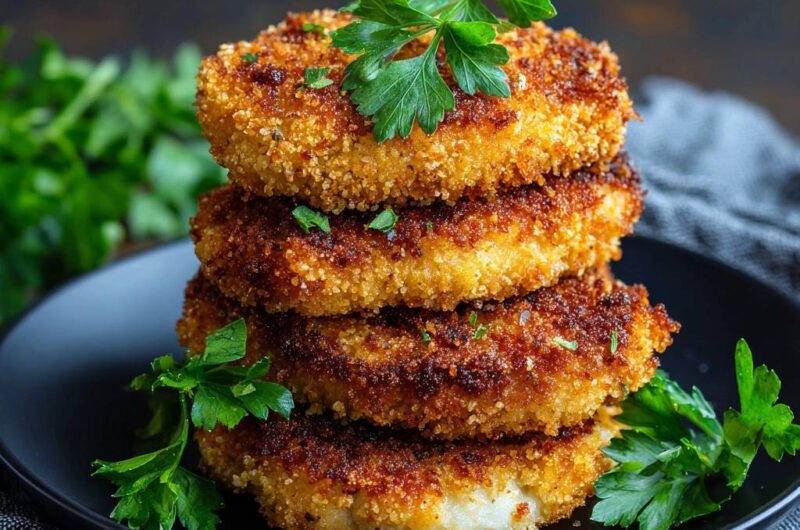
Potato Cakes
Course: AppetizerCuisine: AmericanDifficulty: easy4
servings15
minutes10
minutes245
kcal25
MinutesA foolproof method for creating potato cakes that are shatteringly crisp on the outside and fluffy on the inside. By using cold mashed potatoes and a specific chilling step, these cakes maintain their structure and resist oil absorption.
Ingredients
2 cups cold mashed potatoes (stiff, not runny)
1/2 cup shredded mozzarella cheese
1/4 cup grated parmesan cheese
1 large egg, beaten
1/2 cup all-purpose flour
1.5 cups fine Panko breadcrumbs (crushed slightly for even coverage)
1 teaspoon garlic powder
1/2 teaspoon onion powder
Salt and black pepper to taste
1/2 cup vegetable oil for shallow frying
Fresh flat-leaf parsley for garnish
Directions
- To solve the soggy bottom issue, start with cold, stiff mashed potatoes. If your potatoes are too creamy, mix in 1-2 tablespoons of flour to tighten the texture.
- In a large bowl, combine the cold potatoes, shredded mozzarella, parmesan, garlic powder, onion powder, salt, and pepper. Mix until well combined.
- Form the mixture into 4 thick, even patties (about 1 inch thick). Place these on a parchment-lined plate and freeze for 15 minutes. This flash-chill is the secret to preventing the cakes from falling apart or absorbing too much oil.
- Set up three shallow bowls: one with flour, one with the beaten egg, and one with the Panko breadcrumbs.
- Dredge each chilled patty in flour (shake off excess), dip in the egg, and then press firmly into the Panko breadcrumbs until fully and thickly coated on all sides.
- Heat the vegetable oil in a heavy skillet over medium-high heat. The oil must be shimmering (approx. 350°F) before you add the cakes. If the oil is too cool, the breading will soak it up and become greasy.
- Carefully place the patties in the oil. Fry for 3 to 4 minutes per side until the crust is a deep, dark golden brown. Do not crowd the pan; fry in batches if necessary to maintain oil temperature.
- Once crispy, transfer the cakes to a wire cooling rack rather than a paper towel. Air circulation around the bottom of the cake prevents steam from softening the crust.
- Garnish with plenty of fresh parsley and serve immediately while the crust is at peak crunch.
Notes
- To maintain maximum crunch, always cool the finished cakes on a wire rack instead of paper towels to allow air circulation and prevent steaming.