Mastering Sticky Glazed Teriyaki Meatballs with a Crisp Crust
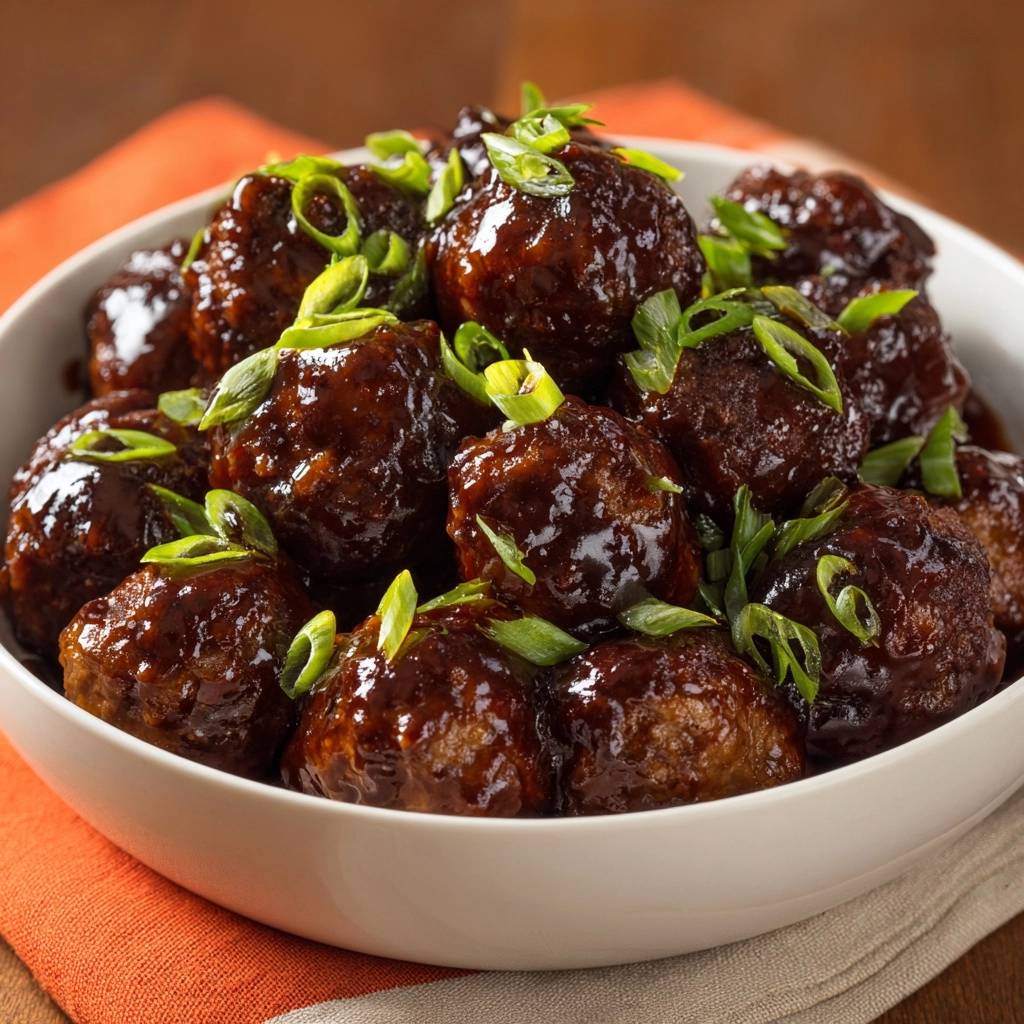
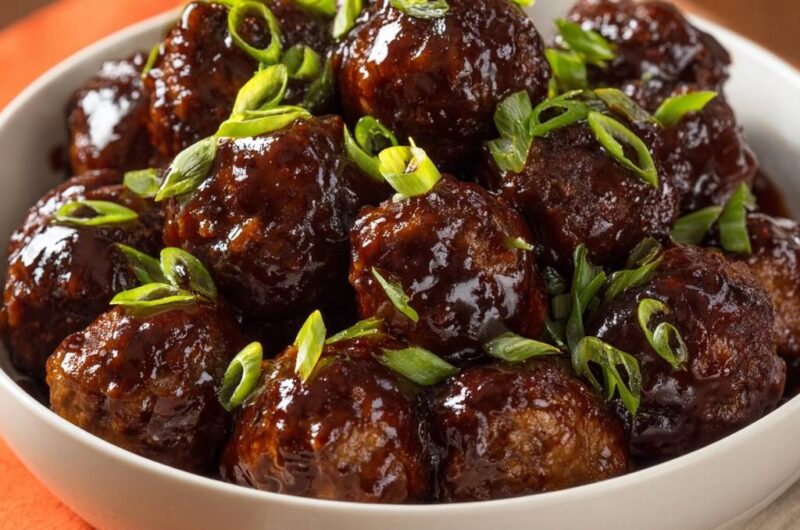
Most people struggle with homemade meatballs because they end up with a soft, mushy texture that dissolves the moment it hits a sauce. You want a meatball that offers a distinct, savory snap on the outside while remaining tender and juicy on the inside. These Sticky Glazed Teriyaki Meatballs solve the “soggy bottom” problem by using a specific high-heat searing technique that creates a structural barrier against the liquid glaze.
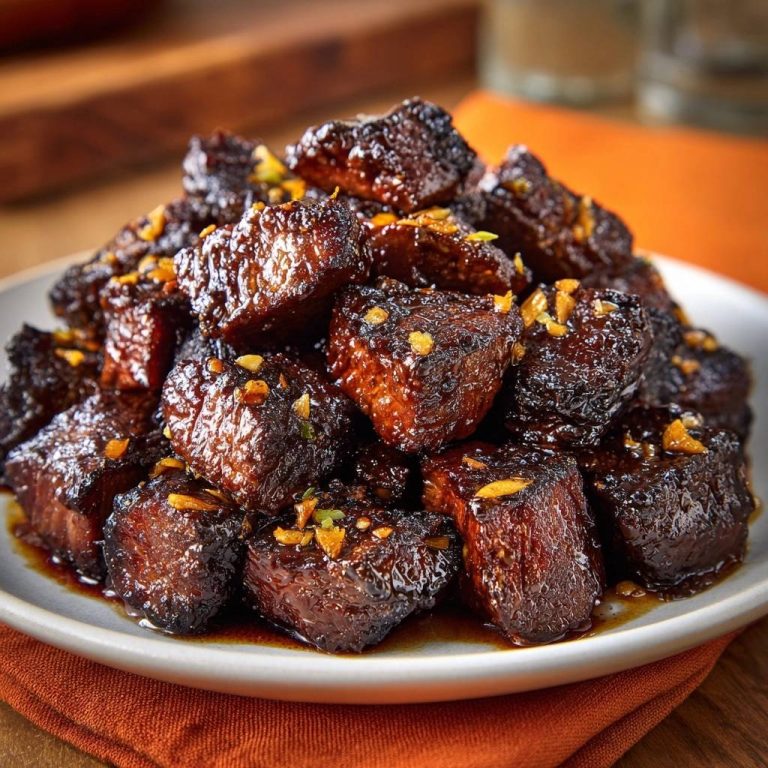
The secret to this recipe lies in the contrast between the viscous, honey-based reduction and the deeply browned exterior of the beef. By focusing on the sear first, you ensure the meatball maintains its integrity even when it’s swimming in a thick, glossy sauce. It’s the difference between a cafeteria-style meatball and a professional-grade dish that works perfectly as a heavy appetizer or a satisfying main course over rice.
Expertise in meatball making comes down to one counterintuitive rule: stop moving the pan. To get that “Anti-Soggy” crust, you must let the meat sit undisturbed in shimmering oil for at least two full minutes. This allows the proteins to bond and the sugars to caramelize, creating a protective shell that keeps the interior moist while preventing the teriyaki sauce from soaking into the core and turning it into a sponge.
The Science of the Anti-Soggy Meatball Sear
When you drop a meatball into a hot skillet, a complex chemical reaction called the Maillard reaction begins. This isn’t just about changing the color to brown; it’s about rearranging the amino acids and sugars on the surface of the beef to create a complex, savory flavor profile. This reaction also builds a physical “shell” that acts as an engineering requirement for this dish.
Using an 80/20 ground beef blend is essential for this chemical process. The 20% fat content provides the necessary lubrication for the high-heat sear, preventing the meat from sticking to the pan while also ensuring the interior stays succulent. Leaner blends, like 93/7, often dry out before a proper crust can form, leaving you with a crumbly, lackluster result.
Why High-Heat Searing Creates a Moisture Barrier
The “crust” you develop during the first few minutes of cooking serves as a moisture-proof jacket for the panko-beef matrix. Without this sear, the breadcrumbs inside the meatball would act like a wick, pulling the watery elements of the teriyaki sauce into the center. By searing the outside until it’s dark and firm, you lock the juices inside and keep the sauce on the outside where it belongs.
If you want meatballs with that same crisp exterior and tender center, try these juicy Asian glazed meatballs.
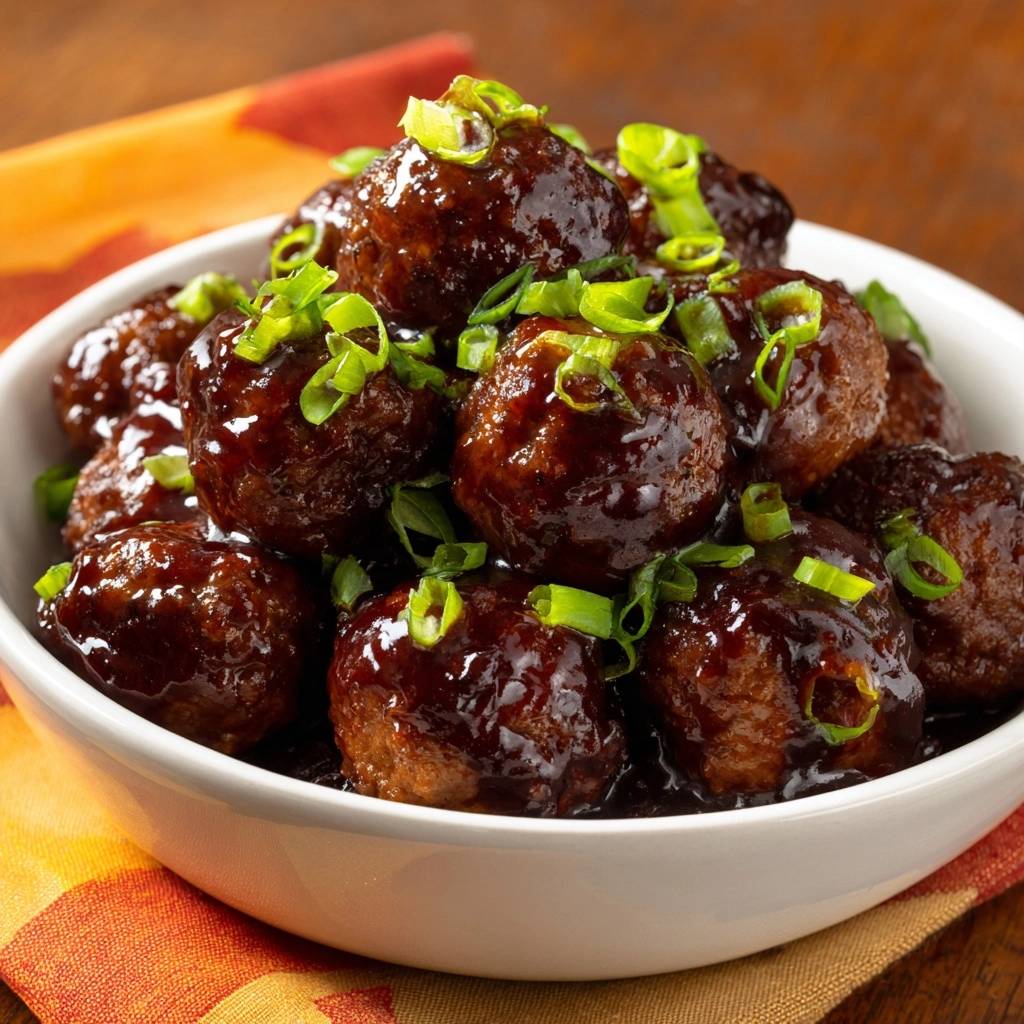
Essential Components for Sticky Glazed Teriyaki Meatballs
Quality ingredients dictate the final mouthfeel of this dish. Fresh ginger and garlic are non-negotiable here because they provide a sharp, aromatic punch that pre-ground powders simply cannot replicate. The ginger, in particular, adds a subtle heat that balances the heavy sweetness of the brown sugar and honey.
Panko breadcrumbs are the superior choice for the binder because they have a larger, airier surface area than traditional fine breadcrumbs. This creates “loft” within the meatball, preventing it from becoming a dense, rubbery puck. When combined with the egg, the panko holds the beef together while maintaining a light, bouncy texture that feels sophisticated on the palate.
Selecting the Right Ground Beef Blend
While it’s tempting to reach for the leanest beef available, 80/20 is the gold standard for meatballs that need to stand up to a sear. The fat renders out during the cooking process, essentially frying the exterior of the meatball in its own juices. This creates a much more resilient crust than you would get with a 90/10 blend, which tends to steam rather than sear.
The Pantry Staples for a Balanced Teriyaki Glaze
A great teriyaki glaze relies on four pillars: salt, sweet, acid, and fat. Soy sauce provides the salty foundation, while the combination of brown sugar and honey creates the “sticky” factor. Honey is particularly important because it has a different molecular structure than sugar, giving the sauce a brilliant, mirror-like sheen that clings to the meat.
Rice vinegar provides the necessary acid to cut through the richness of the beef, while a splash of sesame oil adds a toasted, nutty finish. This balance ensures the sauce is complex rather than just cloyingly sweet. The cornstarch slurry is the final touch, acting as the thickening agent that transforms the thin liquids into a heavy, coat-your-spoon glaze.
Step-by-Step: Achieving the Perfect Meatball Texture
The most common mistake in meatball preparation is overworking the meat. When you mix the beef, panko, and aromatics, use a light touch or even a fork to toss the ingredients together. If you squeeze the meat too hard through your fingers, you’ll break down the proteins too much, resulting in a tough, chewy texture once cooked.
The mixture should feel slightly tacky but not overly sticky. If it feels too wet, you can add a tablespoon more of panko, but usually, the 1/2 cup ratio is perfect for one pound of beef. You want the meatballs to feel substantial enough to hold their shape but soft enough that they don’t feel like solid blocks of protein.
Hand-Rolling Techniques for Structural Integrity
Aim for a “Goldilocks” size of about 1.5 inches in diameter. This size is large enough to stay juicy in the middle but small enough to cook through quickly during the glazing phase. When rolling, apply just enough pressure to make the ball smooth; if you pack them too tightly, they will be hard, but if they are too loose, they will fall apart in the skillet.
Executing the Two-Minute Stationary Sear
Once your oil is shimmering and almost smoking, place the meatballs in the pan. Now, the hardest part: do not touch them. For 120 seconds, let the heat do its work. You’ll see the bottom edge turn a deep, dark brown. This stationary sear is what builds that “Anti-Soggy” barrier. If you move them too early, the meat will tear, and you’ll lose that precious crust.
Building the Thick and Glossy Teriyaki Reduction
After searing the meatballs and setting them aside, you’ll notice little brown bits stuck to the bottom of the pan. This is called fond, and it’s packed with flavor. When you pour in the soy sauce and vinegar, use a wooden spoon to scrape those bits up. This deglazing process incorporates all that roasted beef flavor directly into your teriyaki sauce.
The Role of the Cornstarch Slurry
Cornstarch doesn’t thicken until it reaches a simmer, a process called starch gelatinization. You must whisk the slurry (the mix of water and cornstarch) right before adding it to the pan, as the starch settles quickly at the bottom of the cup. Once it hits the hot liquid, stir constantly. You’ll see the sauce turn from a cloudy, pale brown to a translucent, dark, and glossy glaze in about 60 seconds.
The “Tightening” Phase: Coating the Meatballs
Add the meatballs back into the bubbling glaze for the final three minutes. This is the “tightening” phase where the sauce reduces further and begins to grip the crust of the meat. Instead of soaking in, the glaze should wrap around the meatball like a thick blanket. Use a spoon to baste the tops so every millimeter is covered in that dark, sweet reduction.
Troubleshooting Common Teriyaki Meatball Issues
If your sauce tastes too salty, it’s likely because the soy sauce reduced too much. You can easily fix this by adding a tablespoon of water or an extra teaspoon of honey to mellow it out. If the meatballs are falling apart, you probably moved them too early during the searing phase or didn’t use enough panko to bind the moisture from the egg.
How to Fix a Thin or Broken Glaze
A thin glaze usually means the sauce didn’t reach a high enough temperature for the cornstarch to activate. Increase the heat to a vigorous simmer. If it’s still too thin, mix another teaspoon of cornstarch with a teaspoon of cold water and whisk it in. Never add dry cornstarch directly to the hot pan, or it will clump into white lumps that are impossible to dissolve.
Optimal Pairings for Sticky Glazed Teriyaki Meatballs
Because the glaze is so rich and flavorful, you want to pair these meatballs with neutral bases. A bowl of fluffy jasmine rice or thin rice noodles works perfectly to soak up any extra sauce. For a lower-carb option, try serving them in large butter lettuce cups, which provide a cool, crisp contrast to the warm, sticky meat.
Vegetable Sides to Balance the Sweetness
To balance the sugar in the glaze, look for vegetables with a bit of bitterness or crunch. Blanched bok choy, steamed broccoli, or a quick vinegar-based cucumber salad provide a refreshing break for your palate. The acidity in a slaw or the slight bitterness of charred snap peas cuts right through the honey and sesame oil.
If you enjoy the crunch of blanched greens against a sweet glaze, this beef bok choy stir-fry offers a similar contrast.
Make-Ahead Strategies and Storage Solutions
You can easily meal prep this dish by rolling the meatballs ahead of time and storing them raw in the fridge for up to 24 hours. If you want to freeze them, freeze the meatballs raw on a baking sheet before transferring them to a bag. This preserves the texture better than freezing them after they’ve been cooked and glazed.
Reheating Without Losing the Signature Texture
Avoid the microwave if you want to keep that crust intact. The microwave steams the meat from the inside out, which will make the crust soft and soggy. Instead, place the meatballs in a skillet over low heat with a teaspoon of water. Cover the pan for two minutes to warm them through, then remove the lid to let the sauce “re-tighten” and stick to the meat again.
Customizing the Heat and Flavor Profile
If you prefer a spicy kick, whisk a teaspoon of chili crisp or sriracha into the sauce ingredients before simmering. For a brighter, more citrus-forward profile, add the zest of half an orange to the glaze. These additions won’t change the “sticky” integrity of the sauce but will allow you to tailor the flavor to your specific cravings.
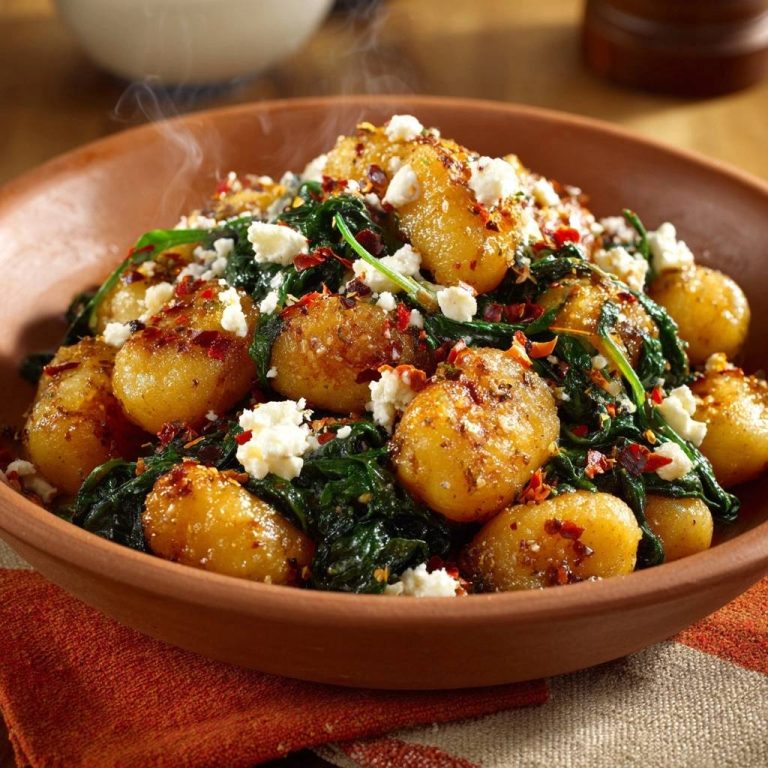
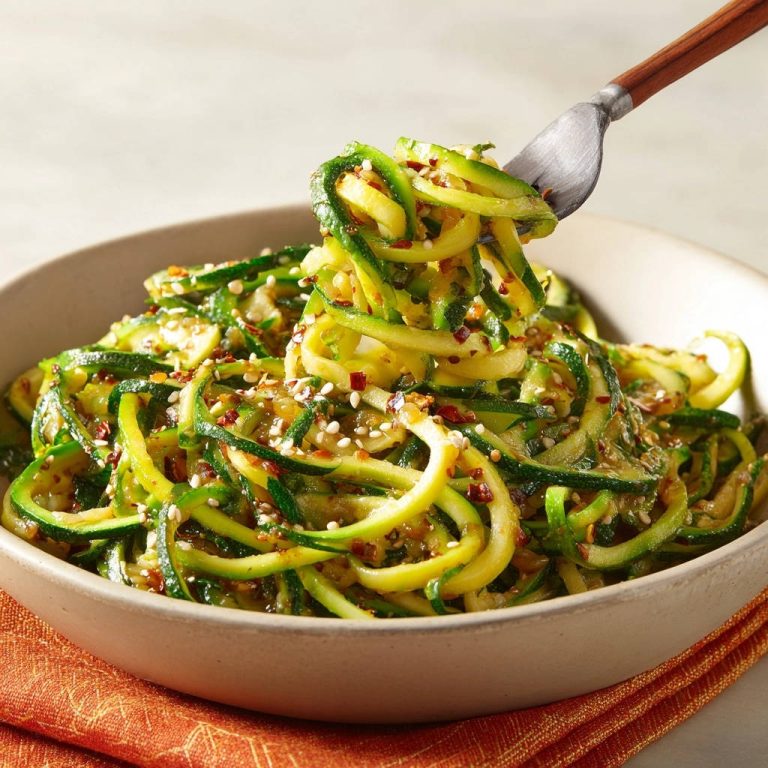
What to Serve with Those Meatballs
These sticky glazed teriyaki meatballs lean sweet and savory with that crisp outer bite, so pairing them with something fresh and lightly spicy keeps the meal balanced.