Mastering Spicy Garlic Shrimp Linguine: The Secret to Tender Seafood
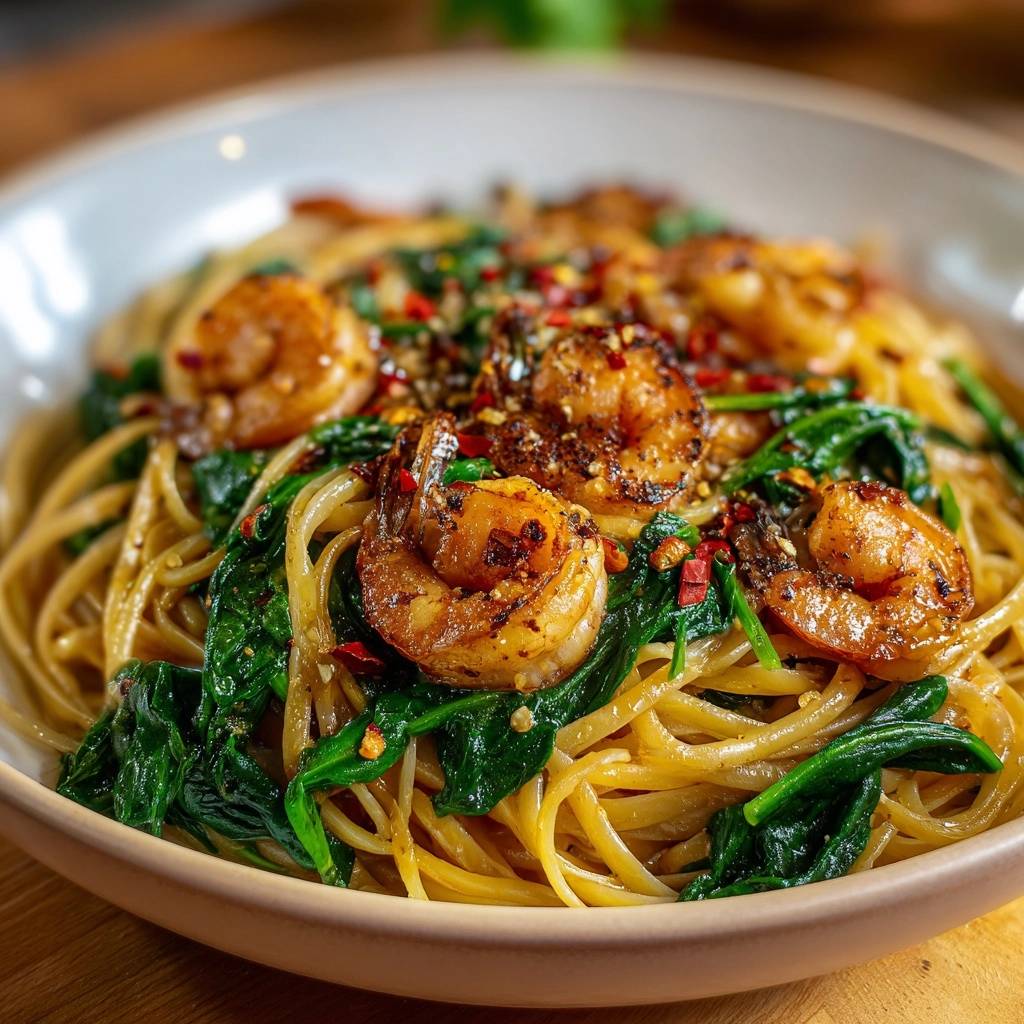
Nothing ruins a beautiful dinner faster than biting into a piece of shrimp that feels like a pencil eraser. We’ve all been there—you spend good money on fresh seafood only to have it turn tough, rubbery, and flavorless the second it hits the pan. Most home cooks struggle because they treat shrimp like chicken or beef, leaving it in the skillet far too long while waiting for the sauce to come together.
The secret to restaurant-quality Spicy Garlic Shrimp Linguine isn’t a fancy ingredient; it’s heat management and timing. By using a high-heat searing technique and then removing the shrimp to rest, you lock in the juices and create a golden crust without overcooking the delicate interior. It’s about building the dish in layers rather than throwing everything into a pot and hoping for the best.
I’ve found that the real “aha!” moment comes when you realize the shrimp shouldn’t actually cook in the sauce. Instead, you sear them fast, set them aside, and only fold them back in at the very last second. This ensures the proteins stay buttery and tender while the pasta water and fats emulsify into a silky, glossy glaze that clings to every strand of linguine.
The Anatomy of Perfect Spicy Garlic Shrimp Linguine
A truly great pasta dish relies on a balance of flavors that hit every part of your palate. In this recipe, we use a bold trifecta of heat, aromatics, and acidity. The red pepper flakes provide a lingering warmth that builds with every bite, while six full cloves of minced garlic create a deep, savory base that perfumes the entire kitchen.
However, all that heat and garlic needs a counterpoint. That’s where the fresh lemon juice comes in. The acidity cuts right through the richness of the extra virgin olive oil and butter, brightening the dish and making the seafood flavors pop. When these elements hit the pan, they create a fragrant oil that serves as the “soul” of the sauce, ensuring the pasta is seasoned from the inside out.
Essential Components for the Pasta and Sauce
Choosing the right noodle is more important than you might think. While angel hair is delicate, it often collapses under the weight of garlic and oil. Linguine is the superior choice here because its flat, wider surface area is perfect for holding onto a thick emulsion. It provides a satisfying “chew” that stands up to the meaty texture of the shrimp.
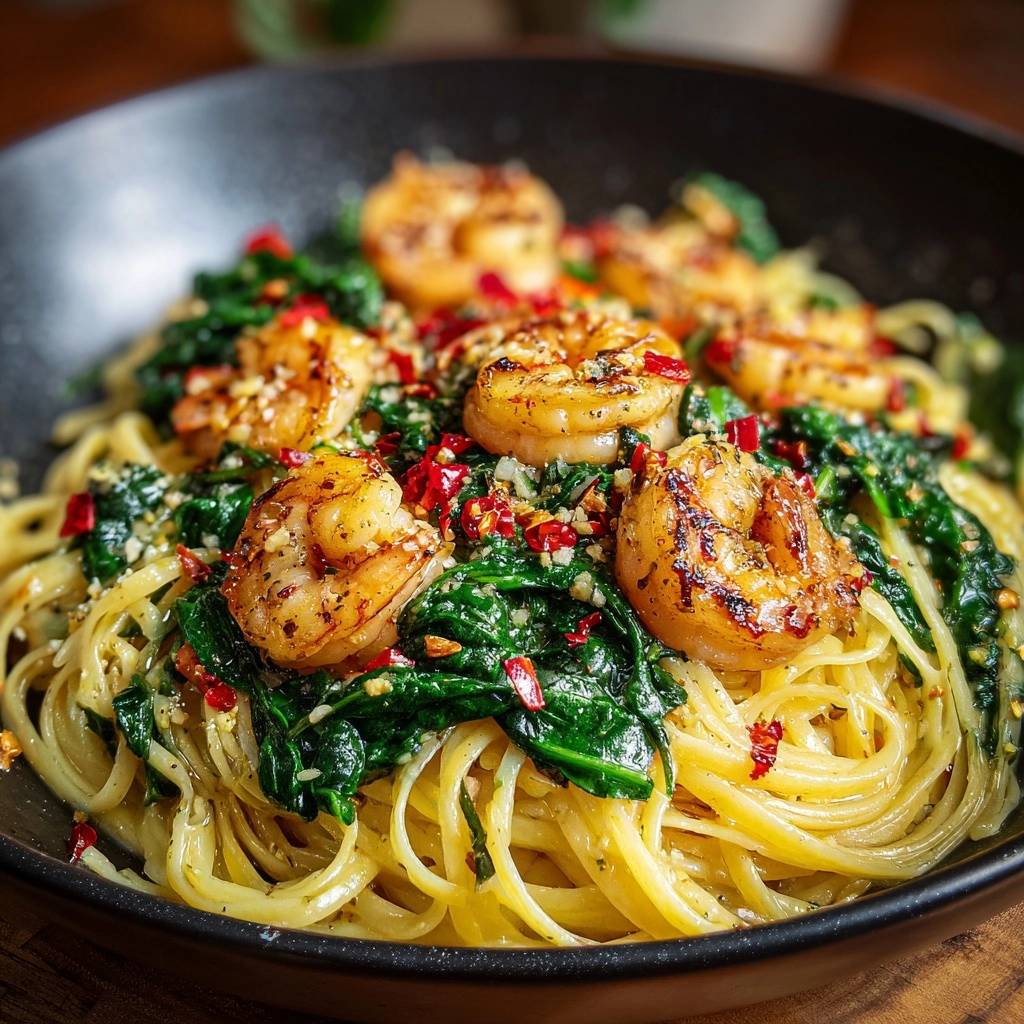
Speaking of shrimp, size matters. I recommend “large” shrimp, specifically the 16/20 or 21/25 count. These are big enough to get a hard sear on the outside while remaining juicy in the middle. Using unsalted butter is another pro move; it allows you to control the salt levels perfectly, especially since the starchy pasta water you’ll be adding later is already quite salty.
Why Dry Shrimp is Non-Negotiable
If your shrimp comes out grey and soggy instead of golden-brown, moisture is the culprit. When water hits a hot pan, it immediately turns to steam. Instead of searing, your shrimp ends up boiling in its own juices. To get that beautiful Maillard reaction—the chemical process that creates a savory crust—you must pat the shrimp bone-dry with heavy-duty paper towels before seasoning. A dry shrimp is a tasty shrimp.
The Role of Starchy Pasta Water
Never dump all your pasta water down the drain! That cloudy, salty liquid is liquid gold. The starches released by the linguine act as a natural emulsifier, acting as a bridge between the fats (oil and butter) and the liquids in the pan. When you toss the water with the pasta, it transforms a greasy puddle of oil into a “glossy glaze” that coats the noodles perfectly.
Step-by-Step: Executing the High-Heat Sear
Once your skillet is shimmering with oil, it’s go-time. Place the seasoned shrimp in a single layer, making sure they aren’t crowded. You want to hear a loud sizzle the moment they touch the metal. Let them sit undisturbed for 60 to 90 seconds. You’re looking for a vibrant pink color on the edges and a distinct golden crust on the bottom.
Flip them once and cook for another minute until they are just opaque. Do not wait for them to curl into tight circles! Immediately pull them out of the pan and onto a clean plate. They will continue to cook slightly from the residual heat, and this pause is what prevents that dreaded rubbery texture while you finish the rest of the meal.
Building the Garlic and Spinach Base
After removing the shrimp, drop the heat to medium before adding your garlic. Garlic is delicate; if it turns dark brown or black, it becomes incredibly bitter and will ruin the entire sauce. You only need about 60 seconds of sautéing until it smells amazing and turns a light straw color. This is the foundation of your flavor.
Next, toss in the fresh baby spinach. It might look like a mountain at first, but it wilts down in seconds. You only want to toss it for about 30 seconds until it just begins to collapse. This keeps the color a vibrant, emerald green and ensures the leaves don’t turn into a slimy mess. It adds a fresh, earthy element that balances the spicy garlic oil.
The Final Assembly: Emulsifying the Sauce
This is the technical climax of the recipe. Add your al dente linguine and that reserved pasta water to the skillet. Increase the heat slightly and start tossing vigorously with tongs. You want the pasta to move constantly so the starch and fat marry together. Within a minute or two, you’ll see the liquid thicken into a silky sauce that hugs the noodles.
Turn off the heat entirely before the final step. Gently fold the rested shrimp and any flavorful juices from the plate back into the pasta. The residual heat of the noodles is plenty to warm the shrimp through without tightening the proteins further. Finish with the lemon juice for a hit of brightness, and you’re ready to serve.
Troubleshooting Common Shrimp Texture Issues
If you’re worried about doneness, look at the shape of the shrimp. A perfectly cooked shrimp looks like the letter “C.” If it has curled so tightly that it looks like an “O,” it’s overcooked and will likely be tough. If it’s still in a loose “U” shape, it might need another 30 seconds of heat.
If your sauce feels too dry or the noodles are sticking together, don’t panic. Just add another splash of pasta water or a tiny drizzle of olive oil and toss again. If the sauce looks too thin or watery, let it simmer for an extra 30 to 60 seconds on medium-high heat to reduce the liquid until it reaches that desired glossy consistency.
Flavor Variations and Ingredient Swaps
While this recipe is a classic, you can easily tweak it to fit your mood. If you want a deeper, more complex heat, try stirring in a spoonful of chopped Calabrian chiles instead of red pepper flakes. For those who love a bit of crunch, toast some sourdough breadcrumbs in a separate pan with a little garlic and sprinkle them over the top right before serving.
If you aren’t a fan of spinach, arugula makes a fantastic substitute; its peppery bite complements the garlic beautifully. You can also swap the spinach for kale, though you’ll need to sauté the kale for a few extra minutes since it’s much heartier. For an even deeper seafood flavor, replace half of the pasta water with bottled clam juice or a high-quality vegetable stock.
What to Serve with Spicy Garlic Shrimp Linguine
Because this dish is rich with butter and olive oil, I love serving it with something crisp and slightly bitter to cleanse the palate. A simple salad of radicchio, endive, and a sharp lemon vinaigrette works wonders. The bitterness of the greens cuts right through the garlic and spice, making every bite of pasta feel fresh again.
For a perfect pairing, try our Spicy Crab Linguine with Tender Crab Every Time.
Of course, you can’t go wrong with bread. A warm loaf of crusty sourdough or ciabatta is essential for mopping up the leftover garlic oil at the bottom of your bowl. If you want to keep things light, some roasted asparagus or charred broccolini with a sprinkle of sea salt provides a nice textural contrast to the soft pasta and tender shrimp.
Expert Tips for Preparation and Timing
This is a fast-paced recipe that cooks in under 15 minutes, so “Mise en Place” is your best friend. Before you even turn on the stove, have your garlic minced, your lemon juiced, and your shrimp patted dry and seasoned. Once the pasta hits the boiling water, the clock starts ticking, and you won’t have time to chop or prep ingredients mid-way.
Another pro tip: always pull your pasta out of the water about a minute before the package says it’s “al dente.” The linguine will finish cooking in the skillet with the pasta water and oil. This ensures the noodles stay firm and don’t turn mushy while they soak up all that incredible spicy garlic flavor.
Frequently Asked Questions
Can I use frozen shrimp for this recipe?
Yes, you absolutely can! In fact, “fresh” shrimp at the grocery store is often just frozen shrimp that has been thawed behind the counter. For the best results, thaw them overnight in the refrigerator or place them in a sealed bag under cool running water for 15 minutes. The most important step is to ensure they are completely thawed and patted very dry before they hit the pan, or they won’t sear properly.
How do I store and reheat leftovers without toughening the shrimp?
Store leftovers in an airtight container in the fridge for up to two days. To reheat, avoid the microwave at all costs, as it will turn the shrimp into rubber. Instead, place the pasta and shrimp in a skillet over low heat with a splash of water or broth. Cover the pan for a minute to let the steam warm everything through gently, then toss until the sauce is glossy again.
Is there a substitute for the smoked paprika?
If you don’t like the smoky undertone, you can use standard sweet paprika. It will still provide that beautiful reddish-orange tint to the shrimp without the charred flavor. If you want more heat instead of color, a tiny pinch of cayenne pepper works well, but be careful—a little goes a long way when combined with the red pepper flakes!
Can I make this dish gluten-free?
You can easily swap the linguine for a gluten-free version. I recommend using a high-quality corn or brown rice-based pasta, as they hold their shape better in oil-based sauces. Keep in mind that gluten-free pasta water doesn’t always have the same thickening power as wheat pasta water, so you might need to use a little less liquid or whisk in a tiny bit of cornstarch if the sauce isn’t emulsifying.
What is the best way to peel and devein shrimp while keeping the tail on?
To keep the tail on for a better presentation, start by pulling off the legs. Use your thumb to crack the shell open along the underside and peel it back, stopping just before the tail segment. To devein, use a small paring knife to make a shallow slit along the back of the shrimp. Lift out the dark vein with the tip of the knife or a toothpick, then rinse the shrimp under cold water.
Spicy Garlic Shrimp Linguine
Course: Main CourseCuisine: Italian-AmericanDifficulty: easy4
servings10
minutes15
minutes485
kcal25
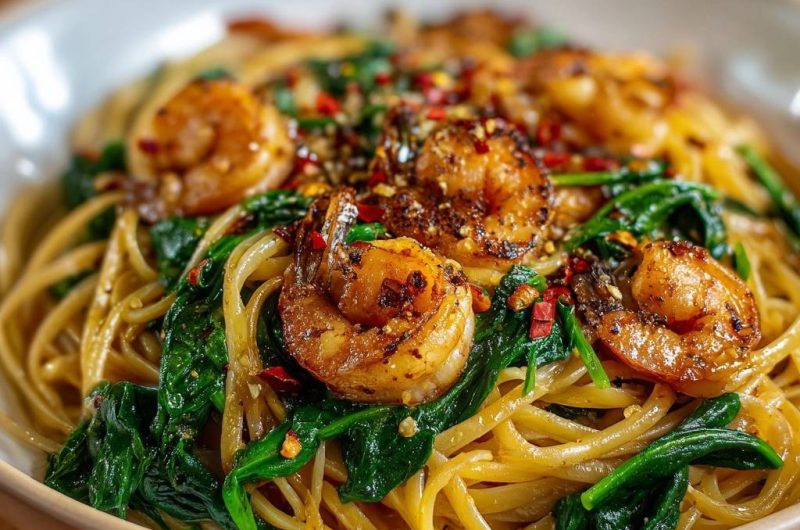
MinutesA vibrant pasta dish featuring succulent seared shrimp, fresh baby spinach, and a silky garlic-butter sauce emulsified with starchy pasta water.
Ingredients
1 pound large shrimp, peeled and deveined (tail-on for presentation)
12 ounces linguine pasta
4 cups fresh baby spinach
4 tablespoons extra virgin olive oil
2 tablespoons unsalted butter
6 cloves garlic, minced
1 tablespoon red pepper flakes (adjust for heat)
1 teaspoon smoked paprika
1/2 teaspoon coarse sea salt
1/2 teaspoon cracked black pepper
1/2 cup reserved starchy pasta water
1/2 fresh lemon, juiced
Directions
- Bring a large pot of heavily salted water to a boil. Cook the linguine until just al dente. Before draining, reserve 1/2 cup of the starchy pasta water. Drain the pasta and set aside.
- Pat the shrimp completely dry with paper towels. This is the secret to a quick, golden-brown sear that prevents steaming. In a small bowl, toss the shrimp with the smoked paprika, salt, and black pepper until evenly coated.
- Heat 2 tablespoons of olive oil in a large skillet over medium-high heat until shimmering. Add the shrimp in a single layer. Sear for 60 to 90 seconds per side until a golden crust forms and they are just opaque.
- Immediately remove the shrimp from the pan and set them aside on a plate. This prevents the residual heat of the pan from overcooking them into a rubbery mess while you finish the sauce.
- Lower the skillet heat to medium. Add the remaining 2 tablespoons of olive oil and the butter. Once the butter foams, add the minced garlic and red pepper flakes. Sauté for 1 minute until the garlic is fragrant and golden, but not burnt.
- Add the fresh baby spinach to the skillet. Toss for 30 seconds until it just begins to wilt and is coated in the garlic oil.
- Add the cooked linguine and the reserved pasta water to the skillet. Increase heat slightly and toss vigorously for 1-2 minutes. The starch in the water will emulsify with the oil and butter to create a glossy, silky glaze that clings to the noodles.
- Turn off the heat. Fold the rested shrimp (and any juices from the plate) back into the pasta. The gentle residual heat will warm the shrimp through without tightening the proteins. Finish with a squeeze of fresh lemon juice and an extra sprinkle of red pepper flakes for visual pop. Serve immediately.
Notes
- The secret to non-rubbery shrimp is patting them completely dry before searing and removing them from the pan immediately after they become opaque to avoid overcooking during the sauce preparation.