Mastering the Creamy Chicken and Broccoli Pasta Bake
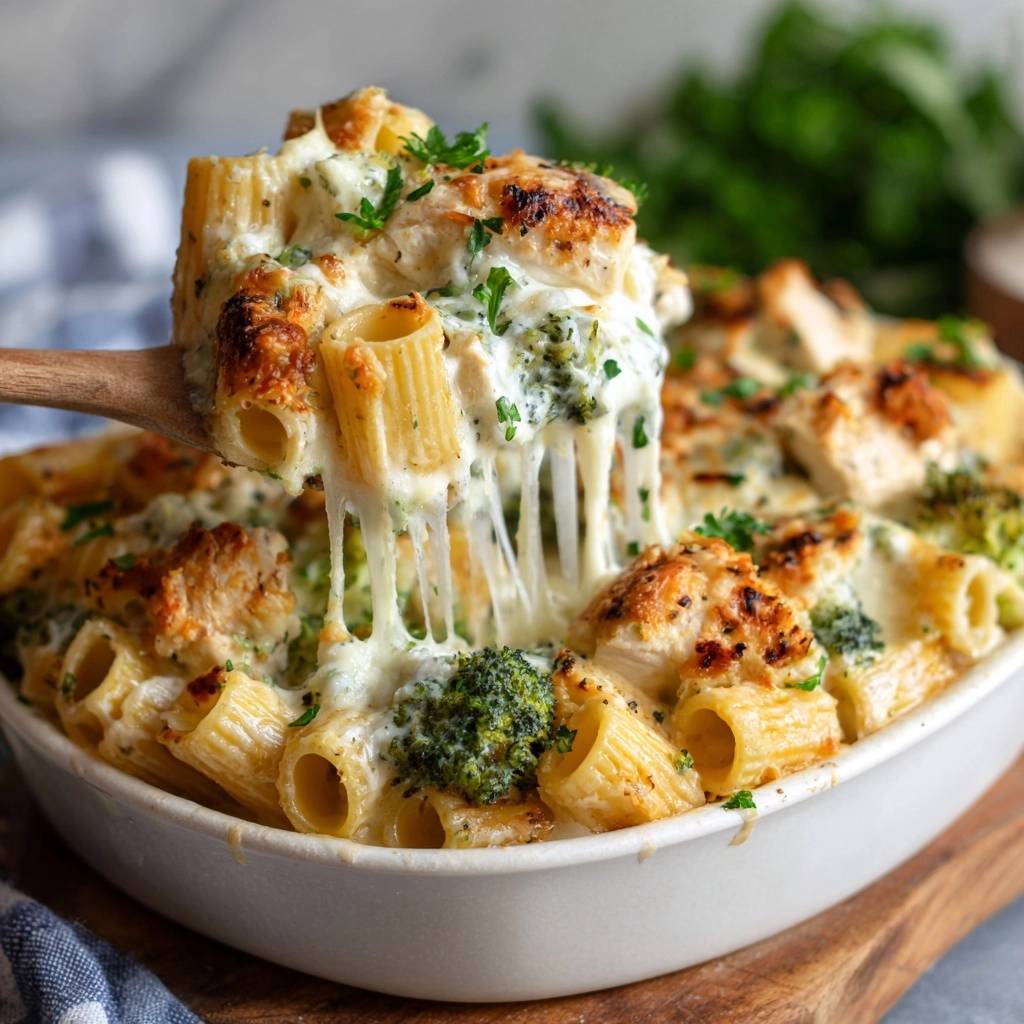
Most people have experienced the disappointment of a watery pasta bake where the sauce pools at the bottom of the dish. This Creamy Chicken and Broccoli Pasta Bake solves that problem entirely by focusing on moisture control and a rich, stable Mornay sauce. You get a dish that features a thick, velvety coating on every single rigatoni tube and a deeply browned mozzarella crust that shatters slightly under your fork.
The secret to this success lies in the texture. By treating the vegetables and protein with specific heat before they ever touch the pasta, we ensure the final result is concentrated and flavorful rather than diluted. It is the ultimate comfort meal that feels sophisticated enough for a dinner party but simple enough for a busy weeknight.
To get that perfect consistency, I always recommend using room-temperature milk when building your sauce. Cold milk can shock the flour and butter mixture, leading to tiny lumps that are hard to whisk out. Starting with tempered liquids ensures your sauce stays silky smooth from the first stir to the final bite.
The Secret to a Non-Watery Pasta Bake
The biggest culprit behind a soggy pasta bake is the hidden water inside fresh vegetables and raw meat. When you toss raw broccoli into a casserole, it releases steam as it cooks, which thins out your beautiful cream sauce. By roasting the broccoli at 400°F for just ten minutes, you evaporate that internal moisture while intensifying the earthy flavor of the florets.
Similarly, searing the chicken cubes in a hot skillet creates a golden-brown crust known as the Maillard reaction. This step locks in the juices and adds a savory depth that boiling or poaching simply cannot match. Because the chicken is already browned, it doesn’t need to release its juices into the sauce during the baking process, keeping your Mornay thick and clingy.
Furthermore, these pre-cooking steps allow the oven time to focus solely on melting the cheese and thickening the sauce. You aren’t just cooking the ingredients; you are concentrating their flavors. This two-step moisture reduction technique is the difference between a mediocre casserole and a restaurant-quality bake.
Essential Components for the Perfect Mornay Sauce
A great pasta bake lives or dies by its sauce, and for this recipe, we are building a classic Mornay. Using whole milk and a splash of heavy cream is non-negotiable if you want a stable, luscious texture. Lower-fat milks lack the protein and fat structure needed to hold up under the high heat of the oven, often resulting in a broken or grainy sauce.
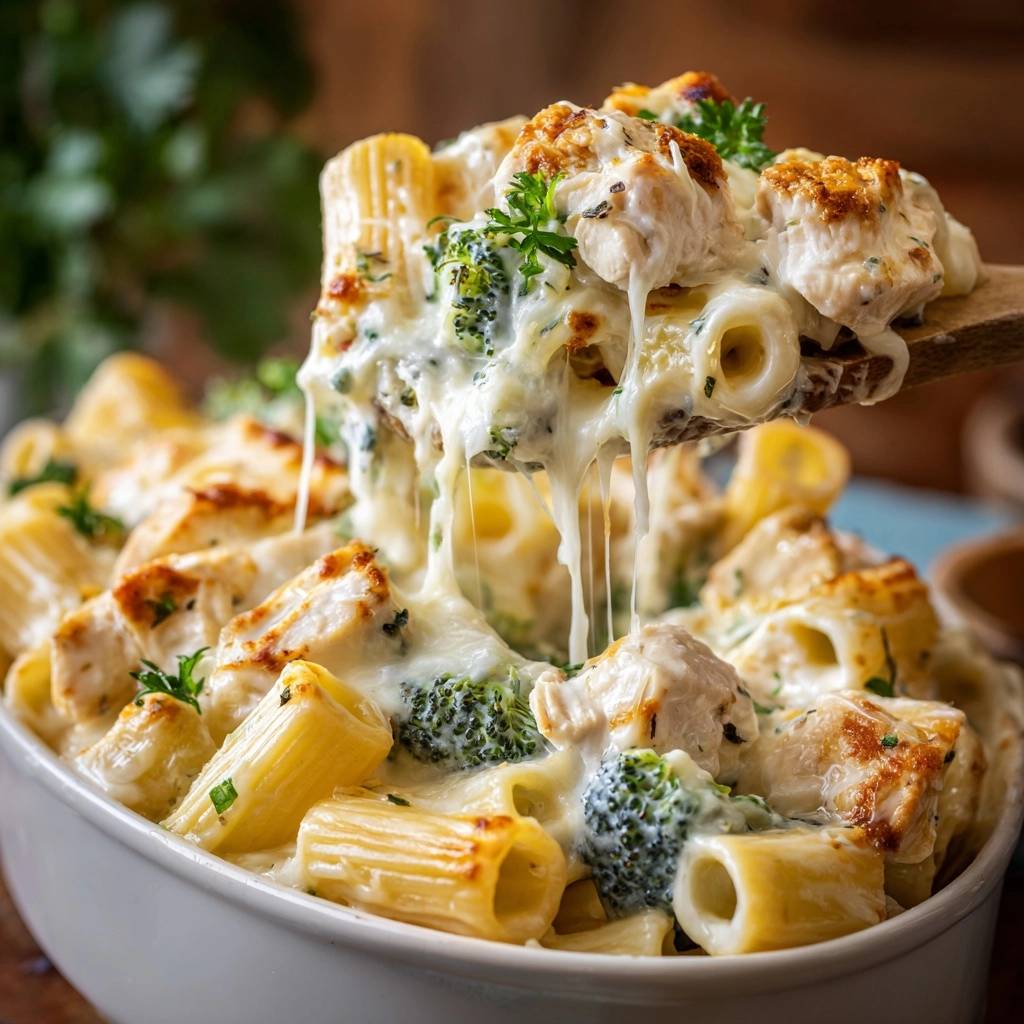
The choice of cheese is equally vital for moisture control. You must use low-moisture shredded mozzarella rather than the fresh balls stored in water. Fresh mozzarella is delicious on pizza, but in a bake, it releases too much liquid. Low-moisture mozzarella provides that iconic “cheese pull” while staying perfectly gooey and rich.
I also suggest using unsalted butter for your roux. This gives you total control over the sodium levels in the dish. Since Parmesan cheese is naturally quite salty, starting with unsalted butter prevents the final dish from becoming over-seasoned. It allows the delicate flavors of the garlic and oregano to shine through the creaminess.
Choosing the Right Pasta Shape
Rigatoni is the undisputed champion for this specific bake because of its architectural design. The large, hollow center acts like a pipe, trapping the thick sauce and chunks of chicken inside each bite. Additionally, the ridges on the exterior—known as “rigate”—provide extra surface area for the cheese and sauce to cling to.
While penne or fusilli can work in a pinch, they often lack the structural integrity to stand up to a heavy cream sauce. Rigatoni is sturdy and holds its shape beautifully even after being boiled and then baked. It ensures that every forkful has a satisfying, substantial bite rather than feeling like a bowl of mush.
The Role of Aromatics and Spices
We use a combination of fresh garlic and dried spices to create a layered flavor profile. Sautéing fresh minced garlic in butter at the start infuses the entire roux with a sweet, pungent aroma that permeates the sauce. It provides a foundation of flavor that you just can’t get from powders alone.
However, I prefer using onion powder and dried oregano for the rest of the seasoning. Onion powder dissolves completely, ensuring the sauce remains perfectly smooth without the grit of chopped onions. The dried oregano adds a subtle herbal note that cuts through the richness of the heavy cream and cheese, providing a necessary balance.
Phase 1: Prepping the Chicken and Broccoli
Start by tossing your broccoli florets with olive oil and a pinch of salt. When you roast them at 400°F, look for the edges to just start turning a dark, charred green. They should be “par-roasted,” meaning they are tender-crisp but not mushy, as they will continue to soften once they are submerged in the sauce.
If you love working with this creamy sauce base, try it with asparagus in this creamy chicken asparagus penne for a similar, vibrant twist.
For the chicken, ensure your skillet is truly hot before adding the cubes. You want to hear a loud sizzle the moment the meat hits the pan. Sear them until they have a distinct golden crust on at least two sides. Don’t worry if the centers are still slightly pink; the 20-minute oven stint will finish them off perfectly while keeping them juicy.
Phase 2: Achieving the Al Dente Foundation
This is perhaps the most critical technical step in the entire process. You must boil your rigatoni for exactly three minutes less than the package’s “al dente” instructions. If the box says 11 minutes, pull them out at 8. The pasta should feel quite firm, almost slightly undercooked, when you drain it.
This is intentional because the pasta acts like a sponge during the final bake. It will absorb the liquid from the cream sauce to finish its cooking process. If you start with fully cooked pasta, it will continue to absorb moisture in the oven and turn into a soft, unappealing texture. Undercooking the pasta is the only way to ensure a perfect bite.
Phase 3: Building the Velvety Cream Sauce
Creating the roux is a quick but focused task. Once the butter is melted and the garlic is fragrant, whisk in the flour and cook it for about two minutes. You are looking for a “blonde roux,” which smells slightly nutty but hasn’t turned brown yet. This step is vital to cook out the raw flour taste.
When adding the milk and cream, do it gradually. Start with just a half-cup, whisking until a thick paste forms, then add more. This slow incorporation prevents clumping. Once the sauce is thick enough to coat the back of a spoon, fold in the Parmesan. The cheese should melt instantly into the warm liquid, creating a glossy, uniform sauce.
Phase 4: Assembly and the Final Bake
When you combine the pasta, chicken, and broccoli with the sauce, use a large folding motion. You want to ensure the sauce gets inside the rigatoni tubes. If the mixture looks like it has “too much” sauce, don’t panic. The pasta will soak up a significant portion of that liquid while it bakes in the oven.
Transfer everything to your 9×13 dish and top it with a generous layer of mozzarella. Place the dish on the middle rack of your oven. This position allows the heat to circulate evenly, thickening the sauce from the bottom while the top develops those beautiful, toasted brown spots on the cheese. If the sauce is bubbling vigorously at the edges, you know it’s ready.
Why the 10-Minute Rest is Mandatory
I know it is tempting to scoop into the bubbling cheese immediately, but you must wait at least ten minutes. During this time, a process called starch retrogradation occurs. As the temperature drops slightly, the starches in the pasta and the flour in the sauce begin to set and firm up.
This resting period allows the sauce to move from a runny, liquid state to a thick, clingy coating that stays on the pasta. If you cut into it too early, the sauce will simply run to the corners of the dish. A little patience ensures that every serving is a cohesive, creamy masterpiece rather than a loose pile of ingredients.
Troubleshooting Your Chicken and Broccoli Bake
If you find your sauce has become too thick before it even hits the oven, simply whisk in a splash of the reserved pasta water or a little extra milk. The sauce should be pourable but heavy. If the cheese isn’t browning to your liking after 20 minutes, turn on the broiler for the last 60 seconds, but watch it like a hawk to prevent burning.
For those who end up with dry chicken, check the size of your cubes. If they are cut smaller than one inch, they may overcook. Try to keep them uniform and large enough to withstand the double-cooking process. If the pasta is too soft, remember to reduce your boiling time even further next time; every stove and brand of pasta behaves a little differently.
Make-Ahead Strategies and Storage
You can easily assemble this entire dish up to 24 hours in advance. Simply follow all the steps up to the final bake, cover the dish tightly with foil, and refrigerate. When you are ready to eat, let the dish sit on the counter for 30 minutes to take the chill off, then bake as directed, adding about 5-10 extra minutes to the timer.
Leftovers store beautifully in an airtight container for up to three days. While you can freeze this dish, cream-based sauces can sometimes separate when thawed. To fix this, add a tablespoon of milk before reheating in the microwave or oven. Stirring it halfway through the reheating process will help emulsify the sauce and restore that original creaminess.
Smart Substitutions and Flavor Variations
If you need a gluten-free version, use your favorite sturdy gluten-free rigatoni and swap the all-purpose flour for a 1:1 gluten-free flour blend in the roux. The results are remarkably similar. For a different vegetable profile, cauliflower florets make an excellent substitute for broccoli; just roast them the same way to ensure they don’t release excess water.
If you want to add more complexity, try folding in a handful of sun-dried tomatoes or a few cups of fresh baby spinach during the assembly phase. The spinach will wilt perfectly in the residual heat of the sauce. You can also swap the mozzarella for a sharp white cheddar if you prefer a more aggressive, tangy cheese flavor on top.
Expert Serving Suggestions
Because this pasta bake is incredibly rich and savory, it pairs best with something bright and acidic. A simple arugula or romaine salad tossed in a sharp lemon vinaigrette provides the perfect palate cleanser between bites of creamy pasta. The acidity of the lemon cuts right through the heavy cream and cheese.
Roasted root vegetables like carrots or parsnips also make a great side dish, adding a touch of sweetness to the meal. Finally, never skip the fresh parsley garnish. It isn’t just for looks; the fresh, peppery herb adds a burst of brightness that wakes up the cooked flavors of the bake. Serve it while it’s warm and the cheese is still stretchy.
How do I prevent the sauce from breaking or becoming grainy?
A grainy sauce usually happens if the heat is too high when you add the cheese or if you use pre-shredded Parmesan from a green can. Always use freshly grated Parmesan and remove the sauce from the heat before stirring the cheese in. The residual heat is more than enough to melt it smoothly without overcooking the proteins in the dairy.
Can I use chicken thighs instead of breasts?
Yes, boneless skinless chicken thighs are a fantastic substitution. They are naturally juicier and more forgiving than breasts, making them less likely to dry out in the oven. Just ensure you trim any excess fat and sear them until golden brown to develop that essential flavor before mixing them into the pasta.
Why is my pasta bake still dry even with all that sauce?
This usually happens if the pasta was cooked too long in the boiling water. If the rigatoni is already fully hydrated, it won’t “marry” with the sauce; instead, the sauce just sits on the surface and evaporates. Ensure you are pulling the pasta out 3 minutes early so it can finish cooking inside the sauce itself.
How should I reheat leftovers so they aren’t oily?
Microwaving cream sauces at full power can cause the butterfat to separate, leaving you with an oily mess. Reheat leftovers at 50% power and add a tiny splash of milk or water to the bowl first. This extra moisture helps re-steam the pasta and keeps the sauce emulsified and creamy as it warms up.
Can I use frozen broccoli instead of fresh?
You can use frozen broccoli, but you must thaw it completely and pat it very dry with paper towels first. Skip the roasting step and instead sauté the thawed broccoli in the skillet for a few minutes to cook off the extra water. Frozen broccoli is much softer than fresh, so be gentle when folding it into the pasta.
What is the best way to freeze this dish?
For the best results, freeze the dish after assembly but before the final bake. Wrap it in a double layer of plastic wrap and then a layer of aluminum foil to prevent freezer burn. It will stay fresh for up to two months. Thaw it in the refrigerator overnight before baking as usual for the best texture.
Chicken Broccoli Pasta Bake
Course: Main CourseCuisine: AmericanDifficulty: medium6
servings15
minutes35
minutes510
kcal50
MinutesThis comforting pasta bake combines rigatoni, seared chicken, and roasted broccoli in a rich Mornay sauce. By roasting the vegetables and searing the meat beforehand, the dish maintains a perfect creamy consistency under a golden cheese crust.
Ingredients
1 pound rigatoni pasta
1.5 pounds boneless skinless chicken breasts, cut into 1-inch cubes
4 cups fresh broccoli florets, cut into bite-sized pieces
2.5 cups shredded low-moisture mozzarella cheese
3/4 cup grated parmesan cheese, divided
3 cups whole milk, room temperature
1/2 cup heavy cream
5 tablespoons unsalted butter
1/4 cup all-purpose flour
3 cloves garlic, minced
1 teaspoon onion powder
1 teaspoon dried oregano
1/2 teaspoon salt (plus more for pasta water)
1/2 teaspoon black pepper
2 tablespoons olive oil
Fresh parsley, chopped for garnish
Directions
- Preheat your oven to 400°F (200°C). Toss the broccoli florets with 1 tablespoon of olive oil and a pinch of salt on a baking sheet. Roast for 10 minutes. This evaporates the internal moisture of the vegetable so it doesn’t thin out your sauce during the final bake.
- While broccoli roasts, heat the remaining tablespoon of oil in a large skillet over medium-high heat. Season the chicken cubes with salt and pepper and sear until golden brown on all sides (about 5-6 minutes). The chicken does not need to be fully cooked through as it will finish in the oven. Set aside.
- Boil the rigatoni in a large pot of heavily salted water. Cook for 3 minutes less than the “al dente” package directions. The pasta should still have a firm bite in the center so it can absorb the cream sauce without becoming mushy. Drain and set aside.
- In a large heavy-bottomed saucepan or Dutch oven, melt the butter over medium heat. Add the minced garlic and cook for 1 minute until fragrant. Whisk in the flour and cook for 2 minutes, stirring constantly, to create a light golden roux.
- Gradually whisk in the milk and heavy cream, a splash at a time, ensuring the flour mixture is fully incorporated before adding more. Bring to a gentle simmer. Once thickened, stir in the onion powder, oregano, salt, pepper, and 1/2 cup of the parmesan cheese. Remove from heat.
- In a large mixing bowl (or the pasta pot), combine the undercooked rigatoni, roasted broccoli, seared chicken, and the cream sauce. Fold gently until everything is heavily coated.
- Transfer the mixture to a deep 9×13 inch baking dish. Top evenly with the shredded mozzarella and the remaining 1/4 cup of parmesan cheese.
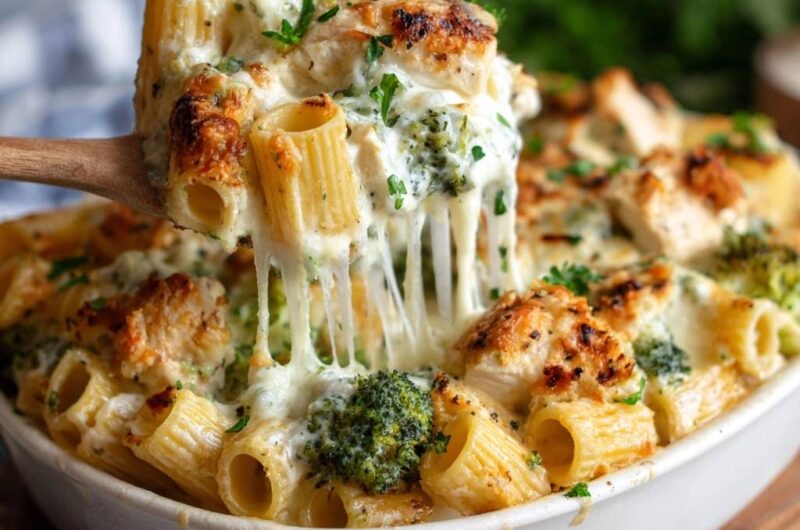
- Bake for 20-25 minutes, or until the sauce is bubbling and the cheese has developed deep golden-brown toasted spots as shown in the image.
- Let the dish rest for 5-10 minutes before serving. This resting period is crucial for the starch in the sauce to set, ensuring a thick, creamy pull. Garnish with fresh parsley.
Notes
- The resting period is crucial for the starch in the sauce to set, ensuring a thick and creamy pull. Roasting the broccoli is the key step to prevent a watery sauce.