The Science of Crunchy Creamy Southern Style Coleslaw
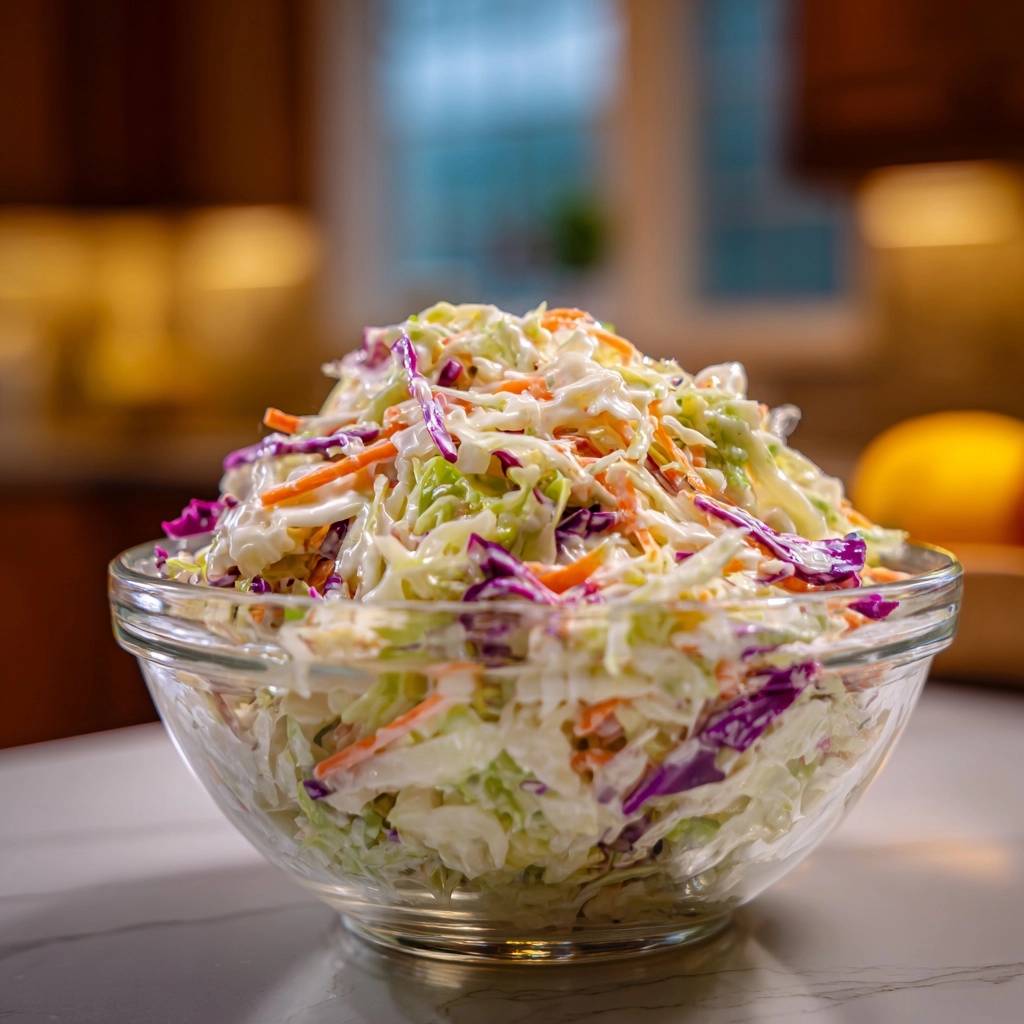
Most people think the secret to a great coleslaw is the dressing, but they’re actually missing the most important part of the equation. You’ve likely experienced the “soggy bottom” syndrome where a beautiful bowl of slaw turns into a watery, limp mess within twenty minutes of hitting the picnic table. This happens because cabbage is over 90% water, and the moment you add salt or sugar, that water leaks out and thins your creamy dressing into a sad puddle.
The professional fix for this isn’t adding more mayo; it’s a technique called purging. By pre-salting your vegetables, you force that excess moisture out before the dressing ever touches the cabbage. This ensures your Creamy Southern Style Coleslaw stays incredibly crunchy and the dressing remains thick and velvety from the first scoop to the very last bite.
The secret is giving the salt enough time to work its magic on the cellular level. You’ll notice the cabbage softens slightly in texture but gains a resilient, snappy crunch that holds up even after a few days in the fridge. Once you master this moisture-control step, you’ll never go back to the old “dump and stir” method again.
The Chemistry of Cabbage and Osmosis
To understand why this recipe works, you have to look at the biology of the cabbage leaf. Cabbage cells are filled with water held in place by rigid cell walls. When you sprinkle kosher salt over the shredded leaves, you create a process called osmosis. The salt draws the water out through the cell membranes to balance the concentration of solutes on the outside.
This 45-minute wilting period is the most active part of the recipe, even though it looks like nothing is happening. As the water exits, the cabbage becomes more flexible and less likely to release liquid later. If you skip this, the sugar and salt in your dressing will perform this same process inside the serving bowl, resulting in a diluted, runny sauce.
By purging the water early, you’re essentially “pre-shrinking” the vegetables. This allows the dressing to coat the exterior of the cabbage without being pushed away by escaping moisture. The result is a concentrated flavor profile where the tang of the vinegar and the richness of the mayo stay front and center instead of being washed out.
Essential Components for Creamy Southern Style Coleslaw
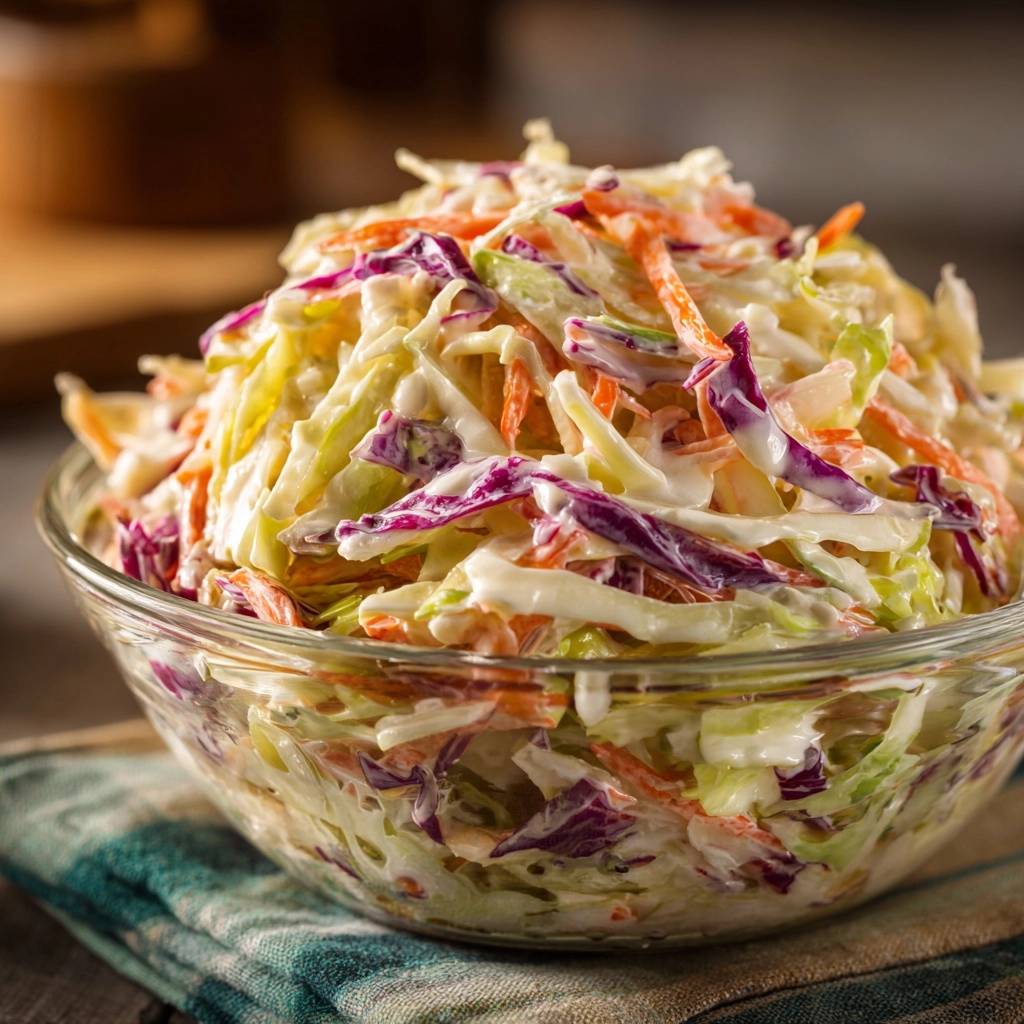
The foundation of a classic Southern slaw starts with the right vegetable ratio. While green cabbage provides the bulk and the classic peppery bite, red cabbage adds a necessary earthy depth and a pop of vibrant color. Carrots are equally vital because their natural sweetness balances the sulfurous notes of the cabbage, and their firm texture provides structural support to the mix.
For the dressing, high-quality mayonnaise is the only way to go. Since the mayo makes up the bulk of the sauce, its oil-to-egg ratio determines the final mouthfeel. A premium brand provides a stable emulsion that won’t break when it hits the acidic vinegar. This creates that iconic, heavy-clinging texture that defines true Southern comfort food.
If you want to keep that crunch without any watery pools, this creamy poppy seed coleslaw uses the same draining trick.
Selecting the Right Cabbage Varieties
Green cabbage is the workhorse here because it’s dense and holds its shape well under the weight of a heavy dressing. However, adding red cabbage is a pro move for visual appeal. You want to stick to a roughly 4:1 ratio of green to red. If you use too much red cabbage, the pigments will bleed as the slaw sits, eventually turning your beautiful white dressing a muddy shade of pink.
The Acid and Spice Profile
Apple cider vinegar is the preferred acid because it offers a fruity, mellow tang that white vinegar lacks. To give the dressing more body, a touch of Dijon mustard acts as a secondary emulsifier and adds a subtle heat. The most important spice, however, is the celery seed. These tiny seeds provide a distinct, savory aroma that is the hallmark of authentic Southern recipes, cutting through the richness of the mayo perfectly.
The Pre-Salting Phase: Eliminating Excess Moisture
Start by tossing your shredded vegetables with a full tablespoon of kosher salt in a large colander. It might feel like a lot of salt, but remember that most of it will be rinsed away later. Within fifteen minutes, you’ll see the cabbage start to look glossy and wet. By the thirty-minute mark, you’ll likely see water actively dripping from the bottom of the colander.
At the end of 45 minutes, the cabbage should feel slightly limp but still have a firm “snap” when you bend a piece. This is the visual cue that the purging is complete. Don’t rush this stage; the longer the salt sits, the more stable your final coleslaw will be. This is the difference between a side dish that lasts an hour and one that stays fresh for three days.
Step-by-Step: Achieving the Perfect Emulsion
When you’re ready to make the dressing, whisk the apple cider vinegar and sugar together first. You want the sugar granules to be completely dissolved before you introduce the fat from the mayonnaise. If you add everything at once, the sugar can stay grainy, which ruins the silky texture you’re aiming for. Once the vinegar is clear, slowly whisk in the mayo and mustard until the mixture is perfectly smooth.
Rinsing and Drying Techniques
After the cabbage has wilted, you must rinse it thoroughly under cold water. This removes the excess surface salt so the final dish isn’t over-seasoned. The most critical step follows: you must get the vegetables bone dry. If they are even slightly damp, the dressing will slide right off. Use a salad spinner for the best results, or roll the cabbage in a clean kitchen towel and squeeze it firmly to wick away every drop of moisture.
Combining for Maximum Coverage
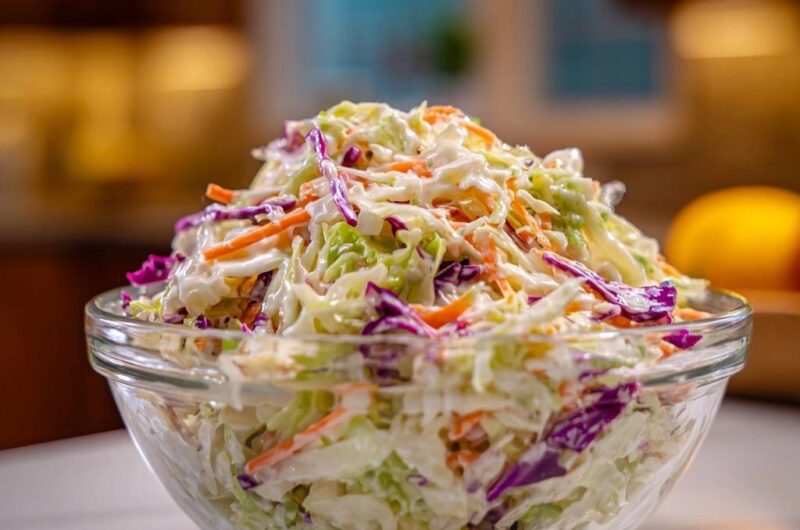
Transfer your dry vegetables to a large bowl and pour the dressing over the top. Instead of using a heavy spoon, which can bruise the cabbage and release more juice, use a pair of tongs. Toss the mixture gently but thoroughly, lifting from the bottom to ensure every single shred is thickly coated. You’ll notice the dressing clings immediately to the dry cabbage, creating a beautiful, opaque coating.
For a different take on shredded cabbage with a sweet crunch, check out this crisp apple cabbage slaw.
Flavor Variations and Ingredient Swaps
While the classic recipe is hard to beat, you can easily tweak the flavors to suit your palate. If you prefer a more natural sweetener, honey or maple syrup can replace the white sugar, though they will slightly thin the dressing. For those who like a bit of a kick, finely diced jalapeños or a dash of hot sauce can be whisked into the mayo base without compromising the texture.
If you find yourself out of apple cider vinegar, lemon juice is a bright alternative that provides a similar acidic punch. You can also add thinly sliced scallions or a handful of chopped parsley for a fresh, herbal finish. Just ensure any added vegetables go through the same drying process so they don’t introduce unwanted water to the bowl.
Pairing Your Slaw with Main Courses
This Creamy Southern Style Coleslaw is designed to be the ultimate “balancer” on a heavy plate. Its high acidity and cool temperature make it the perfect partner for rich, smoky meats like beef brisket or pulled lamb. The crunch of the cabbage provides a necessary textural contrast to soft, slow-cooked proteins that have been bathed in barbecue sauce.
It also shines alongside fried foods. The vinegar in the dressing cuts right through the grease of fried chicken or battered fish, cleansing your palate between bites. For a modern twist, try using this slaw as a topping for grilled fish tacos or inside a crispy chicken sandwich. The thick dressing acts as both a condiment and a side dish in one.
Troubleshooting Common Coleslaw Issues
If your coleslaw tastes too salty even after dressing it, it usually means the rinsing process wasn’t thorough enough. You can fix this by adding a little more sugar or a splash more vinegar to the mix to balance the flavors. If the dressing seems too thick, don’t add water; instead, add a teaspoon of Dijon mustard or a tiny bit more vinegar to loosen it up while maintaining the flavor profile.
In the rare event that your dressing breaks or looks oily, it’s likely because the vegetables weren’t dry enough or the mayo was added too quickly to the vinegar. You can often save a broken dressing by whisking a tablespoon of fresh mayonnaise in a separate bowl and slowly incorporating the broken mixture into it, one spoonful at a time, to re-emulsify the sauce.
Managing Salt Levels After Rinsing
Always taste a piece of the cabbage after rinsing and drying but before adding the dressing. It should taste seasoned but not salty. If it still tastes like seawater, put it back in the colander and give it another long rinse under cold water. Drying it a second time is a hassle, but it’s better than serving a dish that’s too salty to eat.
What to Serve Alongside Coleslaw
This crunchy, creamy coleslaw pairs well with other crisp textures and bold flavors. Try these:
- For extra crunch and a warm contrast, serve with Golden Crispy Potato Cakes – their browned crust and soft insides match the coleslaw’s cool creaminess.
- For a sweet-savory pull-apart side, add Savory Cranberry Brie Monkey Bread – the tangy cranberries and melted brie echo the col
Maintaining Texture During Storage
Because of the pre-salting technique, this slaw has a much longer shelf life than standard versions. It will stay crunchy in an airtight container in the refrigerator for up to four days. Keep it in the coldest part of the fridge, usually the back of the bottom shelf. If a tiny bit of liquid does accumulate at the bottom after a few days, just give it a quick toss with tongs to redistribute the dressing.
Make-Ahead Strategies for Large Events
Coleslaw is the perfect make-ahead dish because it actually tastes better after the flavors have had time to meld. You can salt, rinse, and dry the cabbage up to 24 hours in advance. Store the dried cabbage in a sealed bag with a paper towel to catch any stray moisture. Make the dressing separately and keep it in a jar in the fridge.
For the best results at a party, combine the dressing and the cabbage about one to two hours before serving. This gives the celery seed time to hydrate and release its flavor into the mayo without giving the cabbage any chance to soften too much. If you’re transporting the slaw to a potluck, keep the bowl in a cooler with ice packs to ensure the mayonnaise stays at a safe temperature and the crunch remains optimal.
How long can I store this coleslaw in the fridge?
This specific recipe will stay fresh and crunchy for 3 to 4 days when stored in an airtight container. Unlike traditional recipes that get watery after 12 hours, the pre-salting technique keeps the cabbage firm. Do not freeze this coleslaw, as the mayonnaise will separate and the cabbage will become mushy upon thawing.
Why is my coleslaw still watery even after salting?
This usually happens if the cabbage wasn’t dried thoroughly enough after the rinsing step. Even a small amount of residual water will repel the oil-based mayonnaise and pool at the bottom. Make sure to use a salad spinner or press the cabbage firmly between heavy-duty paper towels until it feels completely dry to the touch.
Can I use a pre-shredded bag of coleslaw mix?
Yes, you can use bagged mix to save time, but you should still follow the salting and rinsing steps. Bagged cabbage is often quite dry, but it still contains internal moisture that will release once it hits the salt and sugar in the dressing. Purging the bagged mix ensures the same professional, creamy result as fresh-cut heads.
What can I use instead of sugar?
If you want to avoid refined sugar, you can substitute it with honey, agave nectar, or a monk fruit sweetener. Keep in mind that liquid sweeteners will make the dressing slightly thinner. Start with half the amount and taste as you go, as honey is often sweeter than granulated sugar.
Is the celery seed really necessary?
While you can leave it out, celery seed is what provides that “classic” deli or Southern flavor profile. It adds an earthy, slightly bitter note that balances the sweetness of the sugar and the richness of the mayo. If you don’t have celery seed, a small amount of celery salt can work, but you must reduce the salt in the dressing to compensate.
My dressing is too tangy, how do I fix it?
If the vinegar taste is too sharp, you can mellow it out by adding a tiny bit more mayonnaise or a pinch more sugar. The fat in the mayo and the sweetness of the sugar are the natural counters to acidity. Add these in small increments so you don’t lose the balanced flavor profile of the slaw.
Coleslaw
Course: Side DishCuisine: AmericanDifficulty: easyYields8
servingsPrep Time45
minutesCook TimeMinutesCalories165
kcalTotal Time45
MinutesThis recipe solves the common problem of watery coleslaw by using a purging technique. By pre-salting the cabbage and carrots, excess moisture is removed before mixing, resulting in a thick, creamy dressing that clings to every crunchy bite.
Ingredients
1 small head green cabbage, shredded
1/4 head red cabbage, shredded
2 large carrots, julienned
1 cup high-quality mayonnaise
2 tablespoons apple cider vinegar
1 tablespoon Dijon mustard
2 tablespoons sugar
1/2 teaspoon celery seed
1/2 teaspoon black pepper
1 tablespoon kosher salt (for purging moisture)
Directions
- Place the shredded green cabbage, red cabbage, and carrots in a large colander set over a bowl or in the sink.
- Sprinkle the vegetables with 1 tablespoon of kosher salt and toss thoroughly to coat. Let the mixture sit for at least 30 to 45 minutes. This is the essential step: the salt draws out the excess cellular water that usually makes coleslaw runny.
- After the time has elapsed, rinse the cabbage mixture thoroughly under cold running water to remove the excess salt.
- Transfer the rinsed vegetables to a salad spinner and spin until completely dry, or spread them onto a clean kitchen towel and pat firmly with paper towels. They must be bone dry to ensure the dressing clings to the vegetables as seen in the image.
- In a separate small bowl, whisk together the mayonnaise, apple cider vinegar, Dijon mustard, sugar, celery seed, and black pepper until smooth and emulsified.
- Transfer the dried cabbage and carrots to a large glass serving bowl.
- Pour the dressing over the vegetables and toss with tongs until every shred is thickly and evenly coated.
- Cover and refrigerate for at least one hour before serving. This allows the flavors to meld while the pre-salted cabbage maintains its structural integrity and crunch.
Notes
- The essential step is the 30 to 45 minute salt purge. Ensure vegetables are bone dry after rinsing to maintain the integrity of the dressing.