Mastering Creamy Lobster Tagliatelle Without the Watery Mess
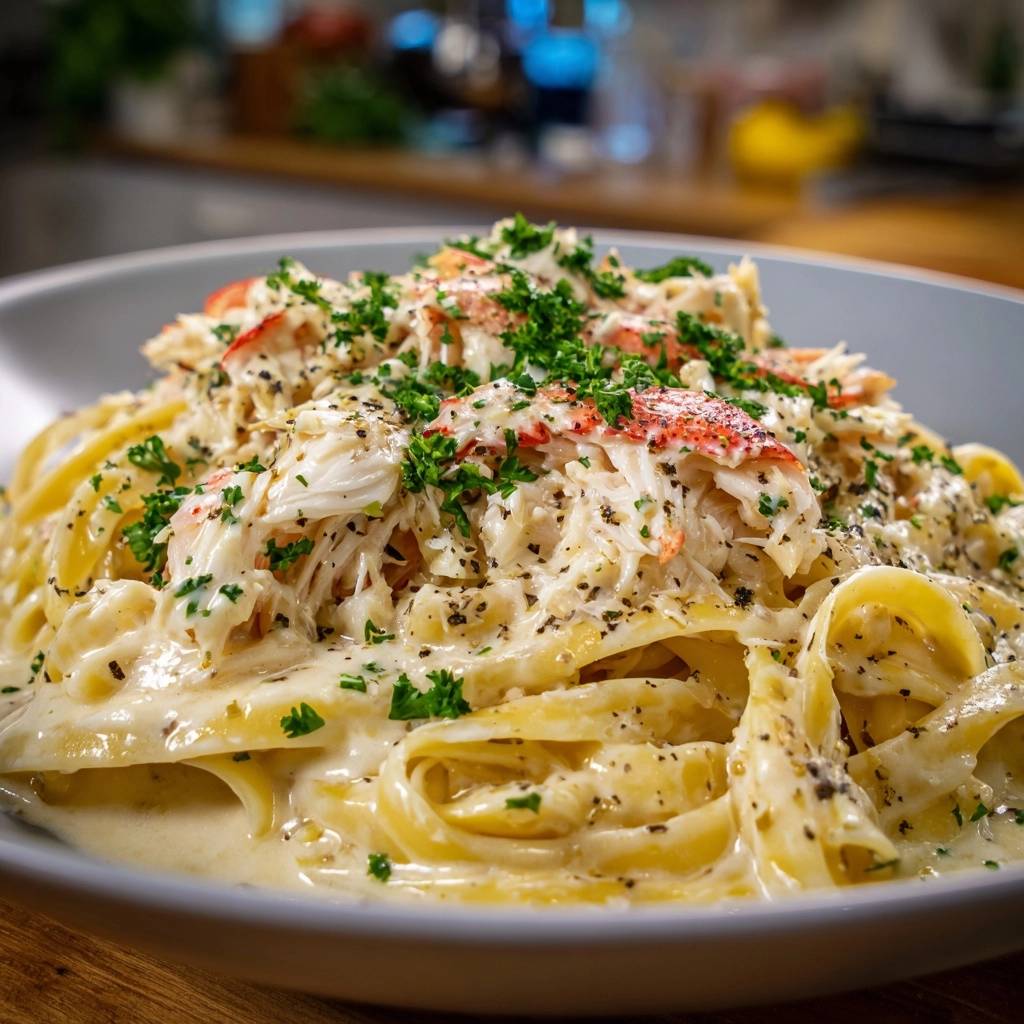
Few things are more disappointing than a luxury seafood dinner that ends up sitting in a puddle of thin, watery liquid. You spend good money on lobster and high-quality pasta, only to have the sauce slide right off the noodles. It’s a common frustration for home cooks, but it doesn’t have to be your reality. When done right, this dish should be a velvety, rich experience where every strand of pasta is hugged by a thick, glossy coating.
The secret to achieving that restaurant-quality finish isn’t about adding more flour or thickeners. Instead, it’s about mastering the relationship between the pasta’s natural starches and the fats in your cream. When these elements bond, they create a stable sauce that stays creamy from the first bite to the last. You’re looking for a texture that feels like silk on the tongue, perfectly complementing the sweet, tender chunks of lobster meat.
I’ve found that the absolute key to success is pulling your pasta out of the boiling water about two minutes before it’s actually done. This allows the noodles to finish cooking directly in the cream sauce. As the pasta softens, it drinks up the flavored cream and releases starch, which acts as a natural glue. This simple timing shift ensures your sauce and pasta become one single, cohesive masterpiece rather than two separate components on a plate.
The Secret to a Stable Creamy Sauce
A truly great Creamy Lobster Tagliatelle relies on a scientific process called emulsion. In many kitchens, cream sauces “break,” meaning the fat separates from the liquid, leaving you with an oily mess. This usually happens because the sauce was heated too quickly or lacked a binding agent. To prevent this, we use a technique known in Italy as “mantecatura,” which involves finishing the pasta in the pan with a vigorous toss.
By combining the pasta, the cream, and a splash of starchy water over heat, you’re forcing the fat and water molecules to link up. The result is a sauce that is physically bonded to the surface of the tagliatelle. This isn’t just a cooking step; it’s a transformation. You’ll see the sauce go from a thin liquid to a thick, ivory glaze that coats the back of your spoon and clings to every curve of the pasta.
Why Starchy Pasta Water is Liquid Gold
Never pour all your pasta water down the drain! That cloudy, salty liquid is packed with amylose starch, which is the ultimate secret weapon for any creamy sauce. This starch acts as a bridge between the heavy cream and the pasta, ensuring the sauce doesn’t pool at the bottom of your bowl. It provides a “velcro” effect that makes the sauce stick to the noodles.
Additionally, you must heavily salt your pasta water so it tastes like the sea. Since the tagliatelle absorbs this water as it boils, the salt seasons the noodle from the inside out. If you skip this, your pasta will taste bland, no matter how much salt you add to the sauce later. Also, avoid the temptation to rinse your pasta, as that washes away the very starch we need for a perfect emulsion.
Essential Components for Creamy Lobster Tagliatelle
Quality ingredients are the backbone of this dish, especially since the flavor profile is so focused. You want to use heavy cream with at least 36% fat content. Lower-fat alternatives like half-and-half or whole milk simply don’t have the stability to create a thick emulsion and are much more likely to curdle or remain watery. The high fat content provides that luxurious mouthfeel that defines a premium seafood pasta.
Butter also plays a massive role in the flavor and texture. I always recommend using unsalted butter because it gives you total control over the seasoning. Different brands of salted butter have varying levels of sodium, which can make your final dish unpredictably salty. By starting with unsalted butter, you can layer in sea salt gradually, ensuring the delicate sweetness of the lobster remains the star of the show.
Selecting and Preparing Your Lobster Meat
For the best texture, I prefer a mix of claw and tail meat. The tail is firm and meaty, while the claws are incredibly tender and sweet. Instead of dicing the lobster into tiny, uniform cubes, try tearing it into large, rustic chunks. This creates a more interesting mouthfeel and ensures you get a substantial piece of lobster in every few bites, making the meal feel much more indulgent.
If you’re using frozen lobster, make sure it is completely thawed and patted dry with paper towels before it goes into the pan. Any excess moisture clinging to the meat will release into your sauce, potentially thinning it out at the very last second. You want the lobster to be as dry as possible so it can be coated in the cream rather than diluting it.
The Role of Coarse Cracked Black Pepper
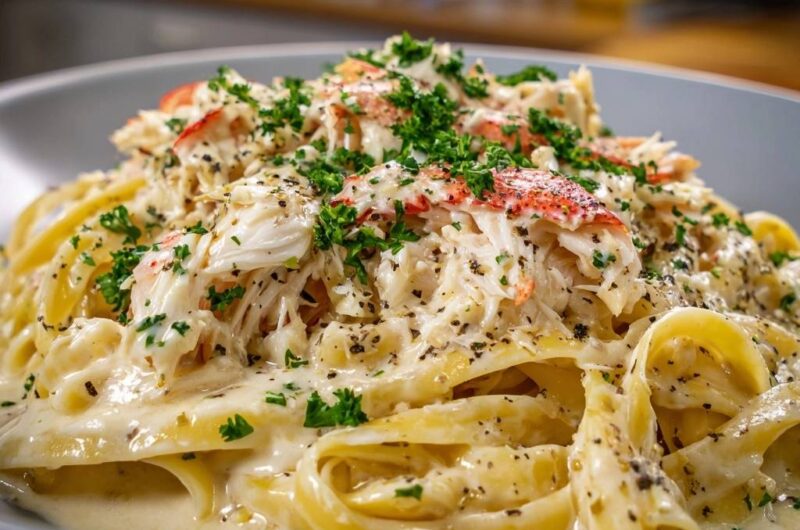
Don’t reach for the fine, powdery black pepper for this recipe. You want a coarse, cracked grind that provides both visual contrast and little “pops” of heat. The large flecks of pepper look beautiful against the white cream sauce and the bright red lobster. More importantly, the bold spice of freshly cracked pepper cuts through the richness of the heavy cream and butter, balancing the palate.
Step-by-Step: Building the Perfect Emulsion
Creating this sauce is a fast-paced process that requires your full attention. Once you start the emulsion, things move quickly, so have all your ingredients measured and ready. You’re looking for specific visual cues at every stage to ensure the sauce is developing the right thickness and stability before the lobster ever touches the pan.
Phase 1: Infusing the Fat Base
Start by melting your butter over medium heat and adding the minced garlic. You aren’t looking to brown the garlic here; you just want it to become soft and fragrant. If the garlic turns brown or crispy, it will become bitter and overpower the lobster. Once the garlic smells sweet, pour in the heavy cream and half of your pepper. Let it simmer gently until it reduces slightly and begins to look like molten lava with slow, thick bubbles.
Phase 2: The Two-Minute Under-Cook Rule
When you boil your tagliatelle, check it frequently. You want to pull it out when the center still feels slightly chalky or firm to the bite. This is crucial because the pasta will act like a sponge once it hits the cream sauce. If the pasta is already fully cooked, it won’t be able to absorb any of the sauce, and you’ll end up with noodles swimming in liquid rather than being coated by it.
Phase 3: The Vigorously Tossed Finish
This is where the magic happens. Add the undercooked pasta to the skillet along with the reserved pasta water and Parmesan cheese. Turn the heat up to medium-high and use tongs to toss the pasta vigorously. You want to see the liquid bubbling and thickening as you move the noodles. This mechanical agitation helps the cheese and starch link together, creating a “velcro” effect that locks the sauce onto the tagliatelle.
Troubleshooting Common Seafood Pasta Pitfalls
Even experienced cooks can run into trouble with seafood pasta. The most common issues involve texture—either the meat becomes too tough or the sauce loses its creamy consistency. Understanding how to manage the heat in the final moments of cooking will save your dish from these common mistakes.
Preventing Rubbery or Overcooked Lobster
The biggest mistake people make is cooking the lobster for too long. Remember, the lobster meat is already cooked; you are simply warming it through. You only have a 60-second window once the lobster hits the pan. If you let it simmer for minutes, the proteins will tighten up and become rubbery. Fold it in gently at the very end, just long enough to take the chill off, then get it onto the plate immediately.
Fixing a Sauce That Has Broken
If your sauce starts to look oily or grainy, it has likely “broken” due to high heat. Don’t panic! You can usually fix this by adding a tiny splash of hot pasta water and whisking or tossing the pasta rapidly. The extra starch and moisture can help pull the fats back into an emulsion. Just be careful not to add too much, or you’ll end up with the watery sauce we’re trying to avoid.
Flavor Variations and Ingredient Swaps
While lobster is the gold standard for this dish, the technique works beautifully with other proteins. You can easily adapt this recipe based on what’s fresh at your local market or what you have in your freezer. The creamy base is a versatile canvas for many different types of seafood and herbs.
Alternative Seafood Options
If lobster isn’t available, jumbo prawns or sea scallops make excellent substitutes. If you use prawns, sear them separately first and add them at the very end just like the lobster. For scallops, make sure to pat them very dry and give them a hard sear in a separate pan to get a golden crust before folding them into the creamy tagliatelle. The contrast of the crispy scallop and the soft pasta is incredible.
Herb and Acid Adjustments
While parsley is the classic choice, you can change the flavor profile by swapping it for fresh chives or tarragon. Tarragon has a slight licorice note that pairs exceptionally well with lobster. Regardless of the herb you choose, don’t skip the lemon juice. The acidity acts as a “brightener,” cutting through the heavy fats of the cream and butter to make the whole dish feel lighter and more balanced.
What to Serve with Rich Seafood Pasta
Because this pasta is so rich and decadent, you want side dishes that offer a sharp contrast. Anything too heavy or creamy on the side will overwhelm the meal. Look for items that provide a crisp texture or a high level of acidity to help cleanse your palate between those buttery bites of lobster.
Crisp Greens and Acidic Vinaigrettes
A simple arugula salad is my favorite pairing for this dish. The peppery bite of the arugula and a sharp lemon-shallot dressing provide the perfect counterpoint to the creamy sauce. It refreshes your mouth and makes the next bite of pasta taste even better. Keep the salad simple—just greens, a bit of shaved radish, and a bright vinaigrette.
For a perfect pairing, try our Mastering Creamy Lemon Spinach Spaghetti Without the Watery Mess.
The Best Non-Alcoholic Pairings
To mimic the crisp acidity of a traditional white drink pairing, try serving sparkling mineral water with a thick wedge of grapefruit or a splash of verjus. The bubbles and the tart citrus notes help break up the richness of the cream. A cold, crisp sparkling apple cider (the dry, non-sweet variety) also works surprisingly well to complement the sweetness of the lobster meat.
Expert Tips for Professional Presentation
To get that “skyscraper” look you see in high-end restaurants, use a large carving fork to twirl the tagliatelle into a tight nest before sliding it onto the plate. This creates height and keeps the pasta from spreading out and cooling down too quickly. Finish the plate with a final scatter of fresh parsley and an extra crack of black pepper for a polished, professional look.
Temperature Control for Serving
Cream-based sauces are very sensitive to temperature. If you put hot, creamy pasta onto a cold plate, the sauce will seize up and lose its silky texture almost instantly. I always recommend warming your pasta bowls in a low oven for a few minutes before serving. This small step ensures the sauce stays fluid and luscious while you’re eating, maintaining that perfect emulsion until the very last bite.
Frequently Asked Questions
Can I use dried tagliatelle instead of fresh?
Yes, you can absolutely use dried tagliatelle. In fact, dried pasta is often easier to work with for this specific recipe because it releases more starch into the water, which helps with the emulsion. Just make sure you still follow the rule of pulling it out two minutes before it reaches al dente so it can finish cooking in the sauce.
How do I reheat leftovers without the sauce separating?
Reheating cream-based pasta is tricky because the microwave often causes the butter to separate. The best way is to put the pasta in a skillet over low heat with a tablespoon or two of water or milk. Stir it constantly and gently as it warms up. The extra liquid and the low heat will help the sauce come back together into a creamy state without becoming oily.
Is there a substitute for heavy cream?
For this specific emulsion technique, there isn’t a great substitute for heavy cream. Milk or half-and-half lack the fat content necessary to thicken into a stable sauce that clings to the noodles. If you use a lower-fat dairy, the sauce will likely remain thin and watery, or it may break and become grainy when you add the Parmesan cheese.
Can I add vegetables like peas or asparagus?
Definitely! Sweet peas or blanched asparagus tips are wonderful additions that pair well with lobster. If you use peas, toss them in at the same time as the lobster meat. For asparagus, blanch the spears separately and fold them in at the end. These vegetables add a nice pop of color and a fresh, earthy flavor that balances the richness of the cream.
Lobster Tagliatelle
Course: Main CourseCuisine: Italian-AmericanDifficulty: easy4
servings15
minutes15
minutes680
kcal30
MinutesA decadent seafood pasta dish featuring tender lobster meat and a thick, creamy sauce that perfectly clings to the noodles using a specific starch-based emulsion technique.
Ingredients
1 pound tagliatelle or fettuccine pasta
1 pound cooked lobster meat (claws and tail), torn into large chunks
1.5 cups heavy cream
4 tablespoons unsalted butter
3 cloves garlic, minced
1/2 cup freshly grated Parmesan cheese
1/4 cup fresh parsley, finely chopped
1 tablespoon cracked black pepper (coarse grind for visual texture)
1/2 teaspoon sea salt
1/2 cup reserved starchy pasta water
1/2 lemon, juiced
Directions
- Bring a large pot of heavily salted water to a boil. Cook the tagliatelle until it is two minutes shy of al dente. The pasta must be firm as it will finish cooking in the sauce to absorb flavor.
- While the pasta cooks, melt the butter in a large skillet over medium heat. Add the minced garlic and sauté for 1 minute until fragrant but not browned.
- Pour in the heavy cream and half of the cracked black pepper. Bring to a gentle simmer and let it reduce by about one-third until it begins to thicken naturally.
- Before draining the pasta, scoop out 1/2 cup of the starchy pasta water. This starch is the essential binding agent for the emulsion.
- Add the undercooked pasta directly into the skillet with the cream. Pour in the reserved pasta water and the Parmesan cheese.
- Increase heat to medium-high and toss the pasta vigorously for 2 minutes using tongs. This mechanical action, combined with the starch and cheese, creates a thick, stable emulsion that clings to the noodles rather than pooling at the bottom.
- Once the sauce is velvety and coating the pasta, add the lemon juice and gently fold in the lobster meat. Heat for only 60 seconds to warm the lobster through without toughening it.
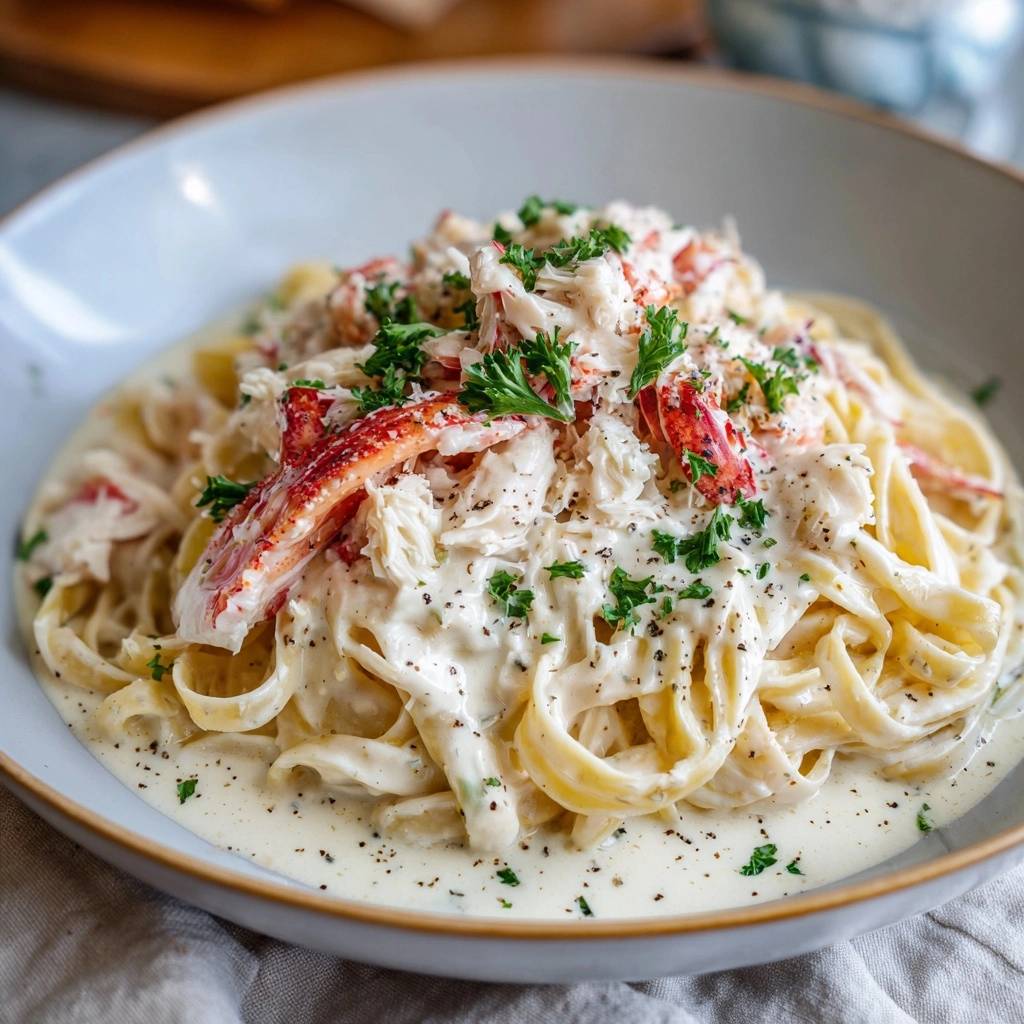
- Plate the pasta immediately. Top with the remaining coarse black pepper and a generous amount of fresh parsley to match the vibrant, textured finish shown in the image. Serve immediately.
Notes
- The mechanical action of tossing the pasta with starchy water and cheese is essential to prevent the sauce from becoming watery or separating.