Mastering the Deep Dish Cranberry Apple Crumble Pie
The sound of a fork snapping through a buttery, golden crumble into a mountain of tart fruit is pure bliss. However, that joy disappears the second you hit a mushy, waterlogged bottom crust. Most fruit pies suffer from the dreaded “soggy bottom” because the fruit releases a flood of juice before the pastry has a chance to set. This Deep Dish Cranberry Apple Crumble Pie changes the game by using a specific moisture-barrier technique and a high-heat start to ensure every slice stays structurally sound.
You’re looking for a specific sensory contrast here. The sharp, bright pop of fresh cranberries cuts right through the mellow sweetness of the softened Granny Smith apples. Meanwhile, the topping provides a heavy, oat-flecked crunch that stands up to the deep-dish volume. It’s a sophisticated balance of textures that feels much more intentional than your average holiday dessert.
The secret to this success isn’t just the ingredients; it’s the thermal shock. By preheating a heavy baking sheet and placing the pie directly onto that scorching surface, you cook the bottom crust from the bottom up. This sets the dough immediately, creating a crisp floor that can support pounds of juicy fruit without turning into a gummy mess.
The Structural Anatomy of a Deep Dish Pie
Building a deep-dish pie is more like engineering than simple baking. When you’re working with seven cups of fruit, the sheer weight and moisture content can easily overwhelm a standard thin crust. A deep-dish vessel requires a crust that can act as a sturdy foundation while the fruit undergoes its transformation in the oven.
The height of a deep-dish pie allows for a better fruit-to-crust ratio, but it also means the center takes longer to heat up. Therefore, we have to manage the density of the filling. If the fruit is packed too tightly without enough air pockets, the steam can’t escape, which leads to a soupy interior. This recipe accounts for that volume by using a specific thickening ratio that keeps the filling jammy rather than runny.
Why Granny Smith Apples and Fresh Cranberries?
Granny Smith apples are the gold standard for baking because they contain high levels of pectin and acidity. Pectin is a natural thickening agent that helps the apple slices hold their shape instead of turning into applesauce. When you slice them a quarter-inch thick, they soften just enough to be tender while maintaining a distinct “bite” that contrasts with the softer cranberries.
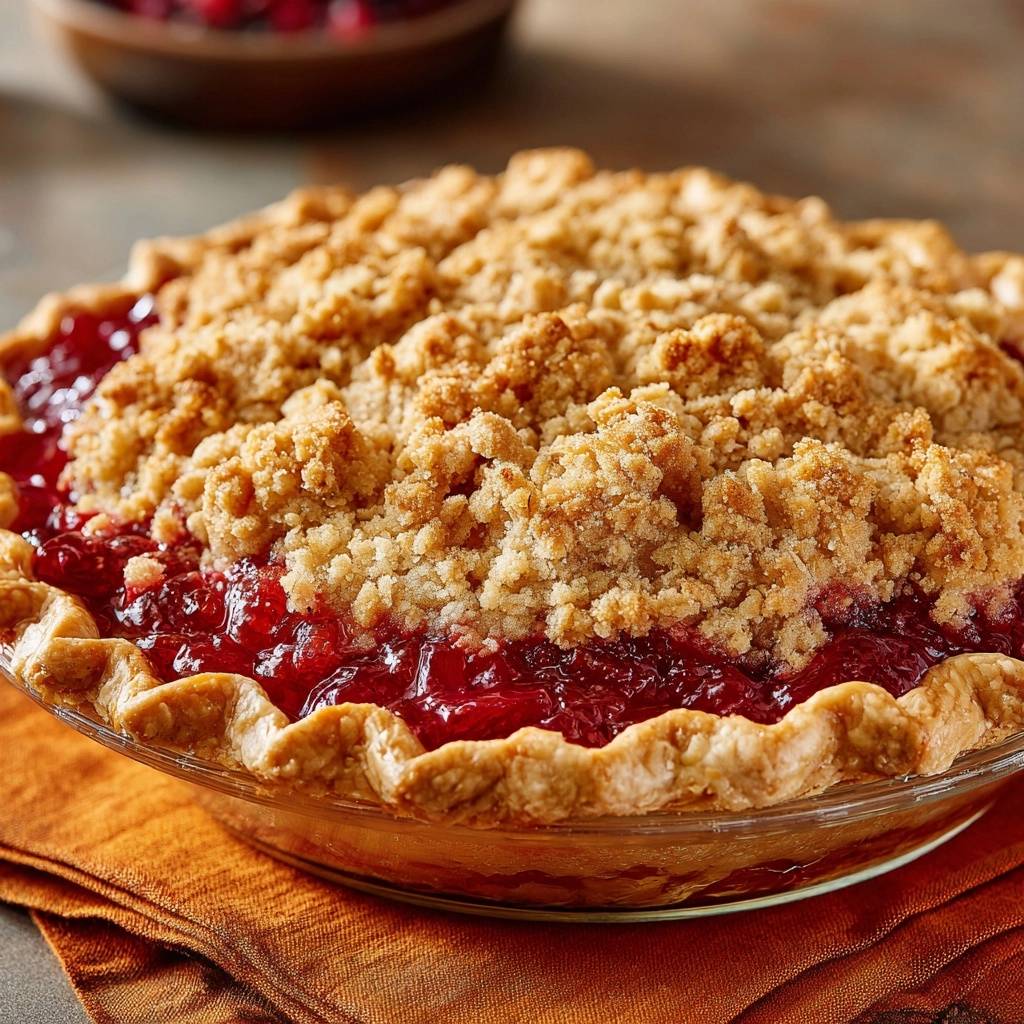
Fresh cranberries bring a vibrant acidity that balances the sugar in the filling. I don’t recommend using frozen cranberries if you can avoid them, as they release significantly more water when they thaw. If you must use frozen, do not thaw them first; toss them into the mix straight from the freezer to keep that extra moisture locked away as long as possible.
Essential Components for the Filling and Topping
Every ingredient in this pie has a specific job to do. Cornstarch is our primary thickening agent because it creates a clear, glossy finish that doesn’t cloud the vibrant red of the cranberries. While cinnamon provides that classic warmth, the addition of ground ginger adds a sophisticated, peppery heat that makes the fruit flavors pop. It’s that tiny tweak that makes people ask for your “secret ingredient.”
For the crumble, the quality of your brown sugar matters. Using a packed dark brown sugar adds a hint of molasses that pairs beautifully with the tart fruit. The all-purpose flour provides the structure, but the rolled oats are the real heroes. They add a rustic, fibrous texture that stays crunchy even after the pie has been sitting on the counter for a few hours.
The Moisture Barrier: Apricot Preserves
This is the technical “pro move” that separates an amateur pie from a professional one. Before you add a single slice of fruit, you’ll brush a thin layer of apricot preserves over the raw dough. Think of this as a hydrophobic sealant. The sugars and pectin in the jam create a thin, protective film that prevents the fruit juices from migrating into the crust.
Because apricot is relatively neutral in flavor compared to the bold cranberries, it won’t distract from the main event. It simply melts into the background while doing the heavy lifting of keeping your pastry dry. It’s a simple step that completely eliminates the need for par-baking the crust, saving you time and effort.
The Secret to a Crisp Bottom Crust
The “Thermal Shock” method is non-negotiable for a crisp base. Most people put their pie on a cold rack in a hot oven, which means the bottom of the pie is the last thing to reach cooking temperature. By the time the crust starts to bake, it’s already been soaking in fruit juice for twenty minutes.
By preheating a heavy baking sheet or a pizza stone, you create an immediate transfer of intense heat. The moment that pie plate touches the hot steel, the fats in the crust begin to sizzle and expand. This creates those sought-after flaky layers and seals the dough before the fruit even begins to release its liquid. It’s the most effective way to ensure a clean slice every time.
Step-by-Step: Preparing the Visual Gloss Jam
To get that professional bakery-style ruby red sheen, we create a quick “Visual Gloss” jam. You’ll simmer one cup of the cranberries with a bit of sugar and lemon juice until they burst. This creates a thick, concentrated syrup that you’ll spoon over the top of the raw fruit filling.
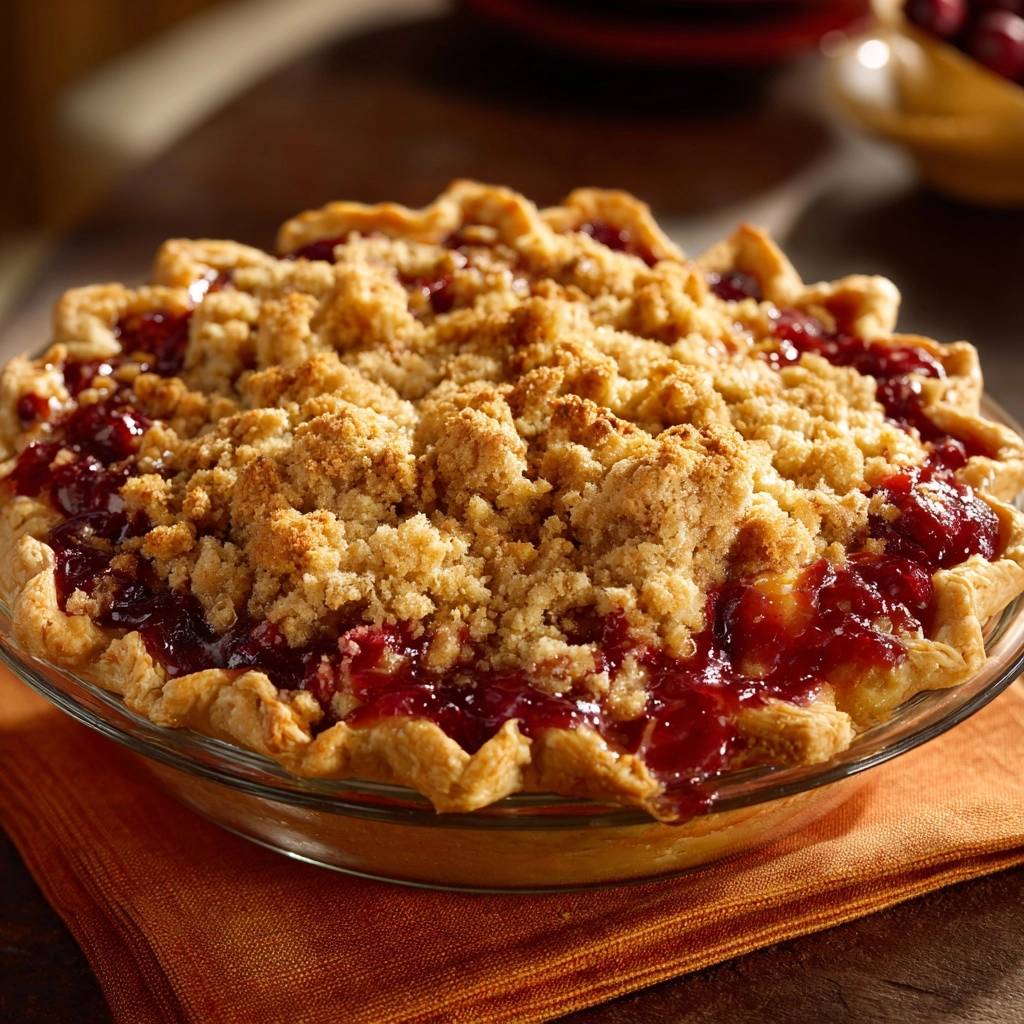
This jam serves two purposes. Firstly, it intensifies the cranberry flavor in every bite. Secondly, it fills the gaps between the apple slices, ensuring the pie looks lush and full. When it bubbles up around the edges of the crumble, it creates a stunning visual contrast that looks incredible on a serving platter.
Macerating the Fruit for Optimal Texture
Once you toss your apples and cranberries with the sugar and spices, let them sit for about ten minutes. This is called maceration. During this time, the sugar draws out a small amount of juice from the fruit through osmosis. This is exactly what we want.
By letting the fruit rest, the cornstarch has a chance to hydrate in those juices before the pie even enters the oven. This prevents “clumping” and ensures the thickener is evenly distributed. You’ll notice the mixture looks a bit wet and glossy after ten minutes; that’s the sign that your filling is ready to bake into a perfect, jammy consistency.
Engineering the Perfect Cold Crumble Topping
The key to a great crumble is “Cold Fat Management.” You want your butter to be ice-cold when it hits the flour. When you cut the butter in, stop when you have large, pea-sized chunks. If you overwork it into a sandy texture, the topping will be greasy and flat rather than light and crunchy.
Those little chunks of butter are actually tiny steam engines. As the pie bakes, the water in the butter evaporates, pushing the flour and oats upward to create air pockets. This results in a chunky, rugged texture. Keep the crumble in the refrigerator until the very second you are ready to put it on the pie to keep those butter bits solid.
The Two-Stage Temperature Baking Strategy
We start the bake at 425°F for the first 15 minutes. This high heat is all about structural integrity. It sets the crust and starts the “lift” in the crumble topping. However, if we kept it at that temperature, the outside would burn before the deep-dish center ever got warm.
After that initial blast, we drop the temperature to 375°F. This lower heat allows the apples to soften slowly and the cranberries to burst and release their pectin. It also gives the sugars time to caramelize without scorching. This transition ensures the pie is cooked perfectly from the flaky bottom to the very center of the fruit pile.
Troubleshooting Common Deep Dish Obstacles
If you notice the edges of your crust or the tips of your crumble are getting too dark halfway through, don’t panic. Just tent the pie loosely with a piece of aluminum foil. This reflects the direct heat while allowing the interior to continue bubbling. You’ll know the pie is done when you see thick, slow-moving bubbles breaking through the crumble or around the edges.
If your apples still feel a bit firm when you poke them with a skewer but the crust is done, give it another five minutes under the foil. The carryover heat will do a lot of work once the pie is out of the oven, but you want to see that active bubbling to ensure the cornstarch has reached its full thickening power.
Managing Excess Juice and Overflow
Sometimes fruit is just extra juicy. If you’re worried about a mess, that preheated baking sheet doubles as a drip tray. It’s much easier to clean a flat sheet than the bottom of your oven. If you see a lot of liquid, don’t worry; as long as you used the cornstarch and the apricot barrier, that liquid will set into a delicious gel as the pie cools.
The Critical Cooling Phase: Why Patience Matters
I know it’s tempting to slice into a warm pie, but with a deep-dish recipe, you must wait. The filling is still technically cooking when it comes out of the oven. As the temperature drops below 140°F, the pectin and cornstarch finish their bonding process. This is what creates a slice that holds its shape.
If you cut it while it’s hot, the filling will run out like soup, and the bottom crust will finally succumb to the moisture. Give it at least three hours on a wire rack. This allows air to circulate under the pie plate, keeping the bottom crisp while the interior firms up into a perfect, sliceable consistency.
Serving Suggestions and Texture Pairings
This pie is quite tart, so it pairs beautifully with something creamy. A high-fat vanilla bean cream or a dollop of thick whipped cream provides a cooling contrast to the bright cranberries. For a more traditional touch, a sharp slice of cheddar cheese on the side offers a savory counterpoint that highlights the sweetness of the apples.
For a perfect pairing, try our Layered Cranberry Cream Pie: Your Flaky Crust Fix.
Temperature also changes the experience. At room temperature, the flavors are more balanced and the crust is at its crispest. If you prefer it warm, heat individual slices briefly in the oven rather than the microwave to preserve the crunch of the crumble topping.
Storage, Reheating, and Make-Ahead Instructions
To keep the “Anti-Soggy” status, store leftovers at room temperature for the first 24 hours, covered loosely with foil. If you put it in the refrigerator, the humidity will eventually soften the crust. For longer storage, the fridge is necessary, but be prepared to revive it in the oven.
To reheat, put a slice in a 350°F oven for about 10 minutes. This recrisps the butter in the crumble and the crust. Avoid the microwave at all costs, as it will turn your beautiful, engineered pastry into a soft, rubbery mess. This pie also freezes well after baking; just wrap it tightly and thaw it completely before giving it a quick oven-refresh.
Expert Baking FAQ
Can I use a glass vs. ceramic deep-dish pan?
You can use either, but they behave differently. Glass heats up slowly but retains heat very well, which is great for a crisp crust. Ceramic is beautiful for serving and provides very even heat distribution. If using glass, you might notice the bottom browning faster, so keep an eye on it during the final 10 minutes of baking.
Why did my crumble sink into the fruit?
This usually happens if the fruit wasn’t packed tightly enough or if the crumble was added to the pie while the butter was too warm. If there are large gaps between the fruit, the crumble will naturally fall into those holes as the fruit softens. Make sure to mound your fruit slightly in the center to provide a solid “shelf” for the topping.
Can I substitute arrowroot for cornstarch?
Yes, you can use arrowroot in a 1:1 ratio. Arrowroot actually handles acidic ingredients like cranberries very well and provides a similar glossy finish. However, arrowroot can sometimes become “stringy” if reheated multiple times, so it’s best if you plan on eating the pie within a day or two.
How do I prevent the cranberries from being too bitter?
The bitterness in cranberries is actually part of their charm, but the key to balancing it is the maceration step. Letting the cranberries sit with the sugar and the “Visual Gloss” jam ensures the sugar penetrates the skin of the fruit. If you are very sensitive to tartness, you can increase the granulated sugar by an extra quarter cup.
Is a lattice crust possible with this much filling?
While possible, a lattice crust is much harder to pull off with a deep-dish fruit pie because the fruit settles significantly as it bakes. This can leave a large air gap between the lattice and the filling. The crumble topping is much more forgiving because it settles along with the fruit, maintaining a cohesive look and taste.
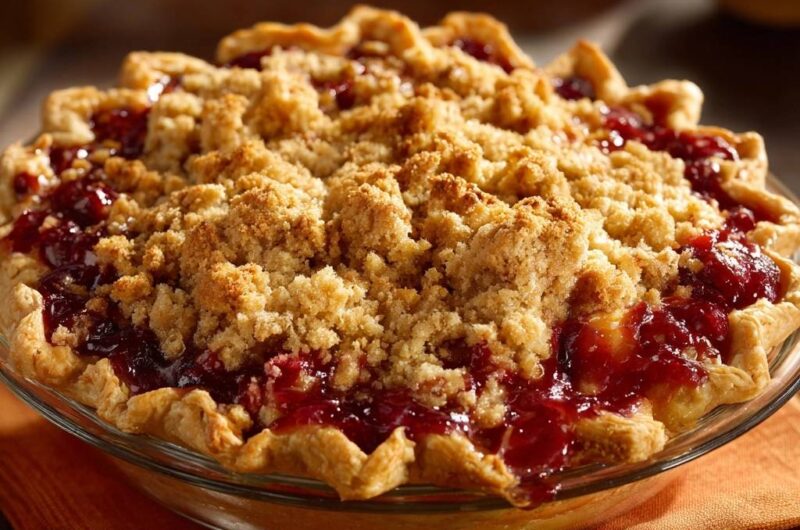
Cranberry Apple Crumble Pie
Course: DessertCuisine: AmericanDifficulty: medium8
servings30
minutes1
hour440
kcal90
MinutesThis recipe uses a temperature-staged baking method and an apricot preserve moisture barrier to prevent a soggy bottom, resulting in a perfect balance of tart cranberries and sweet apples.
Ingredients
1 deep dish pie crust, unbaked
4 cups Granny Smith apples, peeled and sliced 1/4 inch thick
3 cups fresh cranberries (divided: 2 cups for filling, 1 cup for topping jam)
1 cup granulated sugar
3 tablespoons cornstarch
1 teaspoon ground cinnamon
1/2 teaspoon ground ginger
1/4 cup apricot preserves (the moisture barrier)
1 1/4 cups all-purpose flour
1/2 cup brown sugar, packed
1/2 cup cold unsalted butter, cubed
1/4 cup rolled oats
1 tablespoon lemon juice
Directions
- Preheat your oven to 425°F. Place a heavy baking sheet on the middle rack while the oven heats. This hot sheet is the first secret to a crisp bottom crust.
- Prepare the “Visual Gloss” Jam: In a small saucepan, combine 1 cup of cranberries, 1/4 cup of the granulated sugar, and lemon juice. Simmer over medium heat for 5-8 minutes until cranberries burst and form a thick, red syrup. Set aside to cool slightly.
- In a large bowl, toss the sliced apples, the remaining 2 cups of fresh cranberries, the remaining 3/4 cup granulated sugar, cornstarch, cinnamon, and ginger. Let this sit for 10 minutes to allow the cornstarch to begin absorbing excess fruit juices.
- Prepare the crumble topping: Mix the flour, brown sugar, and oats in a small bowl. Cut in the cold butter with a pastry cutter or your fingers until the mixture forms large, chunky, pea-sized crumbs. Keep this in the fridge until the very last second to ensure maximum crunch.
- To solve the soggy bottom issue, brush a thin layer of apricot preserves over the bottom and sides of the raw pie crust. This creates a natural seal that prevents fruit juice from soaking into the dough.
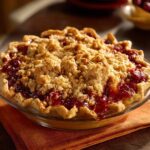
- Pour the apple and cranberry mixture into the crust. Spoon the prepared “Visual Gloss” Jam over the top of the fruit, ensuring it reaches the edges of the crust for that vibrant red look shown in the image.
- Pile the cold crumble topping generously over the center, leaving a 1-inch border of the red fruit and the crimped crust edges exposed.
- Place the pie directly onto the preheated baking sheet in the oven. Bake at 425°F for 15 minutes. This high initial heat sets the bottom crust immediately.
- Reduce the oven temperature to 375°F and bake for another 40-45 minutes. If the crumble or edges brown too quickly, tent loosely with foil.
- Crucial step: Allow the pie to cool completely for at least 3 hours before slicing. This allows the pectin to set and ensures the crust remains structurally sound and crisp.
Notes
- The preheated baking sheet and the apricot preserve layer are essential for preventing a soggy bottom. Ensure the crumble stays cold until the moment it enters the oven.