Mastering the Golden Peach Crumble
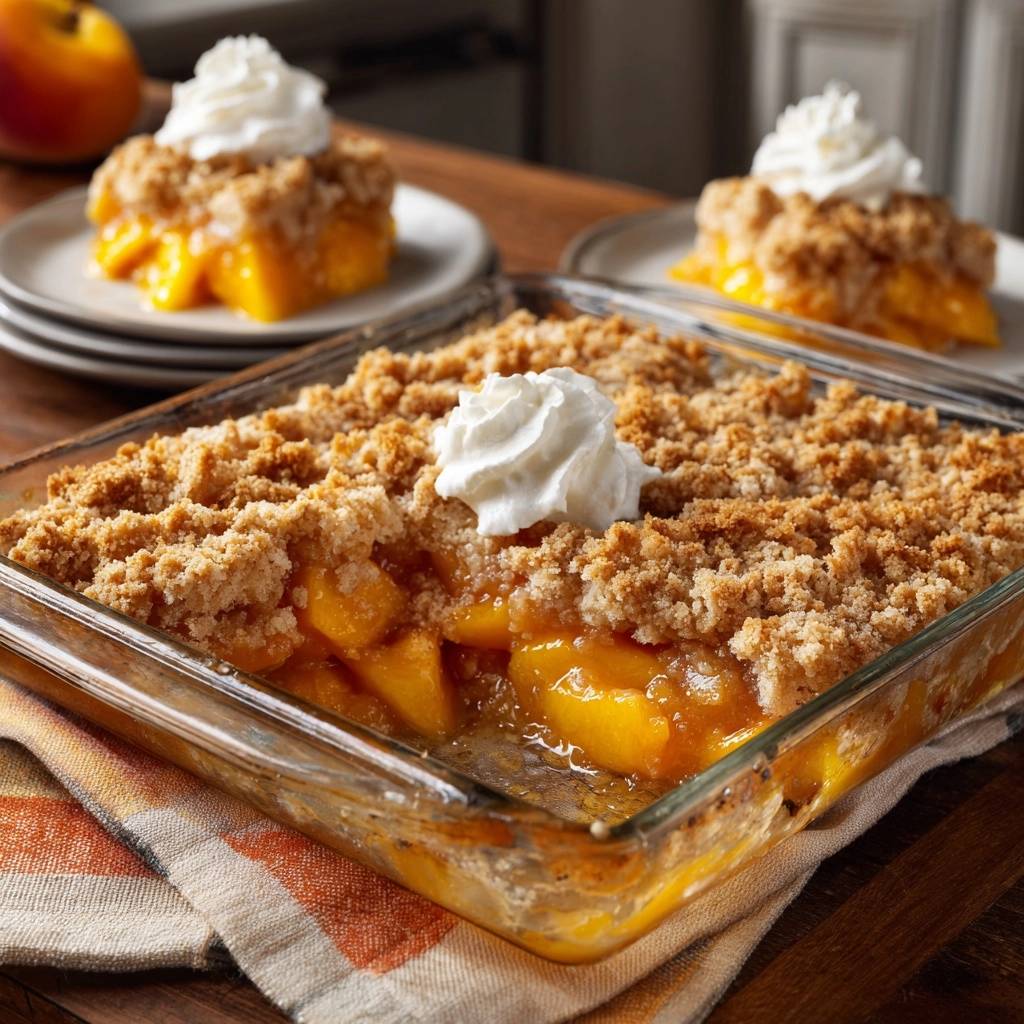
The arrival of peak peach season brings the promise of sun-warmed fruit and syrupy desserts, but many home bakers face a recurring nightmare. You pull a beautiful dish from the oven only to find a “soggy bottom” where the topping has dissolved into a watery, pale mush. This Golden Peach Crumble solves that frustration by focusing on structural integrity and moisture control.
Achieving a successful crumble requires a delicate balance between the high acidity of the stone fruit and the fatty richness of the butter topping. We aren’t just tossing fruit with sugar; we’re engineering a jammy, stable filling that supports a shatteringly crisp crust. Therefore, the contrast in textures becomes the hallmark of this specific recipe.
The secret to this technical success lies in the pre-thickening stage. By using a precise amount of cornstarch and allowing the fruit to rest, we ensure the juices transform into a thick glaze. This prevents the liquid from migrating upward into the topping, keeping your crust crisp for hours after baking.
The Anatomy of a Non-Soggy Fruit Base
Stone fruits like peaches are notorious for their high water content, which can reach up to 88 percent. When you expose these fruits to heat and sugar, the cell walls break down and release a massive amount of liquid. If you don’t manage this moisture, it will boil up and steam the underside of your crumble topping until it becomes gummy.
Our “Anti-Soggy” method relies on capturing that liquid the moment it escapes. Instead of letting the juices run wild, we bind them immediately. This creates a stable foundation that allows the topping to bake independently, resulting in a distinct separation between the fruit and the crust.
The Role of Cornstarch in Fruit Fillings
Cornstarch acts as our primary thickening agent because it creates a clear, glossy finish that doesn’t cloud the vibrant color of the peaches. At 375°F, the starch granules swell and absorb the fruit juices, creating a thick gel. Using exactly three tablespoons for six cups of fruit provides the perfect viscosity for a jam-like consistency.
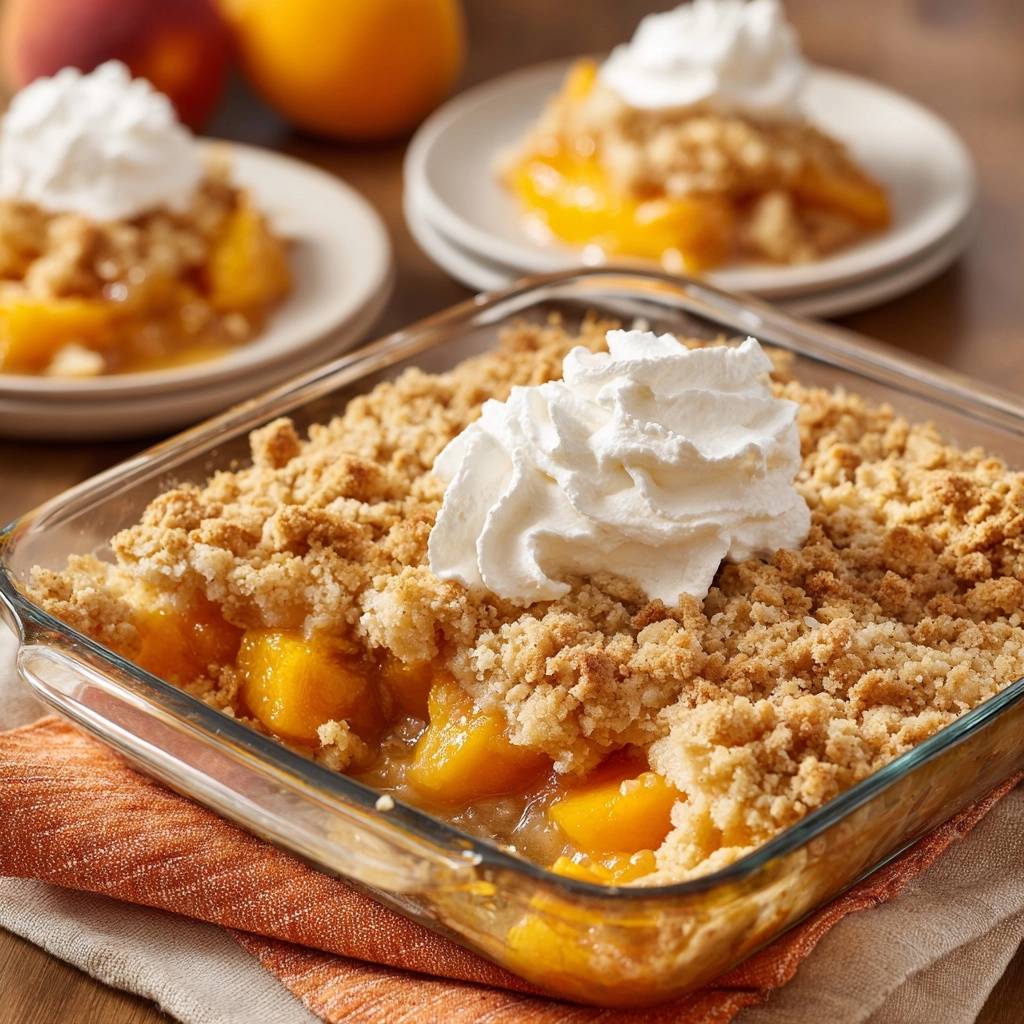
While some recipes suggest flour or tapioca, cornstarch is superior here because it has twice the thickening power of flour. It also lacks the gritty texture that tapioca can sometimes leave behind. Consequently, you get a smooth, professional-grade filling that holds its shape on the spoon.
Why Macerating Peaches Changes the Texture
Maceration is the process of softening fruit using sugar, which draws out moisture through osmosis. This ten-minute resting period is a mandatory step in this recipe. It allows the granulated sugar to pull the juices out of the peach chunks before they ever hit the oven.
By stirring the mixture after this rest, you ensure the cornstarch is fully dissolved in those natural juices. If you skip this, the cornstarch might clump or stay powdery in the oven. Therefore, this short wait guarantees a uniform, lump-free glaze that coats every piece of fruit perfectly.
Essential Components for the Golden Peach Crumble
Every ingredient in this crumble serves a specific purpose beyond just flavor. We choose components that provide structural support and aromatic depth. When you understand the “why” behind the pantry staples, you can bake with much more confidence.
For instance, using cold, unsalted butter is non-negotiable. Salted butter varies in water content between brands, which can affect the crispness of the topping. By using unsalted butter and adding our own salt, we control the flavor and the moisture levels precisely.
Selecting the Right Peach Variety
Freestone peaches are the gold standard for baking because the pit pulls away easily from the flesh. Clingstone varieties are delicious but can be a mess to prep. Look for peaches that are fragrant and slightly firm to the touch; if they are mushy, they will disintegrate into a puree during the 45-minute bake.
If you are using frozen peaches, do not thaw them first, as this releases too much water at once. Simply toss them with an extra half-tablespoon of cornstarch to account for the extra ice crystals. Canned peaches can work in a pinch, but you must drain them thoroughly and reduce the added sugar by half.
The Dry Pantry: Flour, Oats, and Sugars
The ratio of all-purpose flour to rolled oats provides the “crunch” factor. Flour provides the structure, while oats add a rustic, chewy texture that prevents the topping from feeling like a plain cookie. Always use old-fashioned rolled oats rather than quick oats, which tend to disappear into the dough.
Packed brown sugar is essential for the topping because of its molasses content. This molasses creates a deep, golden color and a slight chewiness that granulated sugar cannot replicate. It also adds a hint of caramel flavor that pairs beautifully with the natural sugars in the fruit.
Aromatic Additions: Ginger, Cinnamon, and Vanilla
Ground ginger is the secret weapon in this recipe. While cinnamon is traditional, ginger provides a sharp, bright note that cuts through the sweetness of the peaches. It adds a sophisticated warmth that makes the fruit flavor pop without being overwhelming.
Vanilla extract acts as a bridge between the acidic fruit and the fatty butter topping. It rounds out the flavors and provides a floral aroma that fills the kitchen. In addition, the salt in the topping is vital; it balances the sugar and intensifies the buttery notes of the crust.
Step-by-Step: Building the Perfect Texture
Creating a great crumble is all about managing temperatures and handling ingredients with a light touch. You want to see a transformation from raw ingredients to a cohesive, bubbling dessert. Pay close attention to the visual cues as you move through the process.
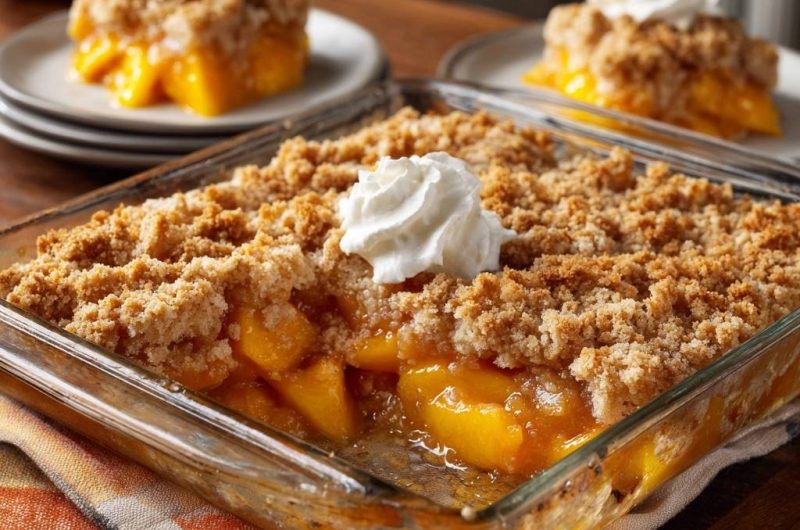
The goal is to maintain distinct layers. The fruit should be chunky and vibrant, while the topping should look like a collection of craggy, golden boulders. Avoid overworking the dough, or you will lose the very texture that makes a crumble so satisfying.
Preparing the Fruit and Activating Thickeners
Start by peeling your peaches; the skins can become tough and papery in the oven. Slice them into thick, half-inch chunks. If you slice them too thin, they will turn into mush before the topping has a chance to brown properly.
Once you toss the peaches with the sugar and cornstarch, let them sit. You will see a pool of liquid form at the bottom of the bowl. This is exactly what you want. Stir it one last time to make sure no white streaks of cornstarch remain before pouring it into your baking dish.
The Cold Butter Technique for Crisp Toppings
The physics of a crisp topping rely on cold butter. When those cold chunks hit the hot oven, the water in the butter evaporates instantly, creating tiny air pockets. This is what makes the topping “shatter” when you bite into it.
Use a pastry cutter or your fingertips to work the butter into the flour and oats. You are looking for pea-sized clumps. If the butter starts to feel greasy or soft, pop the bowl in the freezer for five minutes before continuing. Never overmix this into a smooth paste.
Assembling for Maximum Steam Escape
When you sprinkle the topping over the peaches, do it gently. Do not press down or pack the mixture into the dish. A loose, uneven layer allows steam from the fruit to escape through the gaps.
If you trap that steam by pressing the topping down, it will hydrate the flour and turn the underside of your crust gummy. Think of the topping as a breathable blanket rather than a sealed lid. This ensures the fruit thickens while the topping stays dry and crunchy.
The Science of the Bake and the Rest
The oven is where the chemistry happens. The cornstarch needs to reach a specific temperature to activate, and the butter needs to brown to develop flavor. However, the most important part of the process actually happens after you take the dish out of the oven.
Patience is your best friend here. While the smell of warm peaches is tempting, cutting into the crumble too early will result in a runny mess. The cooling period is just as technical as the baking period.
Identifying the Bubbling Point
Don’t just look at the color of the topping; look at the fruit juices. You need to see thick bubbles breaking the surface, especially in the center of the dish. This indicates that the cornstarch has reached its boiling point and has fully thickened the sauce.
If the juices are still thin and watery, the crumble needs more time. If the topping is browning too quickly but the center isn’t bubbling, tent the dish loosely with foil. This allows the fruit to keep cooking without burning the crust.
The Mandatory Cooling Window
Allow the crumble to rest on a wire rack for at least 20 to 30 minutes. During this time, a process called starch retrogradation occurs. As the filling cools, the starch molecules bond together, firming up the sauce into a jammy consistency.
This rest also allows the topping to fully crisp up as the butter solidifies slightly. If you serve it piping hot, the juices will run to the bottom of the plate. A rested crumble holds its shape and provides the perfect contrast to a cold scoop of cream.
Troubleshooting Common Peach Dessert Issues
Even experienced bakers run into trouble occasionally. If your topping feels too sandy or dry, it usually means the butter wasn’t incorporated enough or the ratio of flour was too high. Next time, ensure your butter chunks are large enough to bind the dry ingredients together.
If your peaches are exceptionally juicy—common in late August—you might see more liquid than usual. You can fix this by adding an extra teaspoon of cornstarch to the mix. Always trust your eyes; if the fruit looks like a soup before it goes in, it will likely stay that way without enough thickener.
Flavor Variations and Ingredient Swaps
While the classic version is hard to beat, you can easily customize the textures. Adding half a cup of chopped pecans or walnuts to the topping provides an earthy crunch. For a gluten-free version, substitute the all-purpose flour with a high-quality 1-to-1 gluten-free flour blend.
You can also play with the spice profile. If you aren’t a fan of ginger, try a pinch of cardamom or freshly grated nutmeg. These spices offer a different aromatic experience while still complementing the floral notes of the peaches perfectly.
Serving and Storage Logistics
The best way to serve this is warm, not hot. The contrast of the warm, jammy fruit against cold, lightly sweetened whipped cream is incredible. Avoid overly sugary canned toppings, as they can mask the delicate flavor of the fresh peaches.
For a perfect pairing, try our Peach Crisp with Shatteringly Crisp Topping.
If you have leftovers, store them in the refrigerator in an airtight container. To reheat, avoid the microwave at all costs, as it will turn the topping soft and rubbery. Instead, place the crumble in a 350°F oven for 10 minutes to recrisp the crust and warm the fruit through.
Expert Tips for Fruit Crumble Success
Can I leave the skins on the peaches?
While you can leave them on, it isn’t recommended for the best texture. Peach skins can become tough and stringy when baked, which interrupts the smooth, jammy consistency of the filling. If you really want to save time, use a serrated peeler to remove them quickly without boiling water.
Why use unsalted butter instead of salted?
Unsalted butter allows you to control the exact amount of salt in the recipe. Different brands of salted butter have varying salt concentrations, which can make your topping taste inconsistent. Using unsalted butter ensures the delicate sweetness of the peaches remains the star of the show.
How do I prevent the topping from browning too fast?
If the topping looks dark golden brown but the fruit isn’t bubbling in the center, cover the dish loosely with aluminum foil. This reflects the direct heat away from the crust while allowing the internal temperature of the fruit to continue rising until the cornstarch activates.
Can this be made in a cast-iron skillet?
Yes, a 10-inch cast-iron skillet works beautifully for this recipe. The heavy metal retains heat exceptionally well, which can help the bottom of the fruit layer caramelize. Just be sure to grease the skillet well and keep an eye on the edges, as they may cook slightly faster than in a glass dish.
How long does the crumble stay crisp in the fridge?
The crumble will stay relatively crisp for about 24 hours in the refrigerator. After that, the moisture from the fruit will naturally begin to soften the topping. To restore the “shatteringly crisp” texture, always reheat leftovers in the oven or a toaster oven rather than the microwave.
Peach Crumble
Course: DessertCuisine: AmericanDifficulty: medium8
servings20
minutes45
minutes450
kcal65
MinutesThis peach crumble solves the common problem of watery fruit desserts. By using a specific ratio of cornstarch and a maceration period, the peaches create a thick glaze that perfectly complements the buttery, crunchy oat topping.
Ingredients
6 cups fresh peaches, peeled and cut into thick chunks
1/2 cup granulated sugar
1 tablespoon lemon juice
3 tablespoons cornstarch
1 teaspoon vanilla extract
1/2 teaspoon ground ginger
1 1/2 cups all-purpose flour
1/2 cup rolled oats
1 cup brown sugar, packed
3/4 cup cold unsalted butter, cubed
1 teaspoon ground cinnamon
1/2 teaspoon salt
Whipped cream for serving
Directions
- Preheat your oven to 375°F (190°C) and lightly grease a 9×9 inch glass baking dish.
- In a large bowl, toss the peach chunks with the granulated sugar, lemon juice, vanilla, ground ginger, and cornstarch. Using 3 tablespoons of cornstarch is the essential fix here; it ensures the high moisture content of the peaches transforms into a thick, clear glaze rather than a watery soup.
- Let the peach mixture macerate for 10 minutes. Stir once more to ensure the cornstarch is fully dissolved in the released juices before transferring the mixture into the prepared baking dish.
- In a separate bowl, whisk together the flour, oats, brown sugar, cinnamon, and salt.
- Add the cold, cubed butter to the dry ingredients. Use a pastry cutter or your fingertips to work the butter in until the mixture forms distinct, pea-sized clumps. Do not overmix into a paste; these cold butter pockets are what create the “shatteringly crisp” texture shown in the image.
- Sprinkle the crumble mixture evenly over the peaches in a thick layer. Do not press down; leaving the topping loose allows steam to escape, preventing the underside of the crust from becoming gummy.
- Bake for 40 to 45 minutes. The crumble is done when the fruit juices are bubbling vigorously around the edges (indicating the cornstarch has activated) and the topping is a deep, sandy golden brown.
- Critical Step: Allow the crumble to cool on a wire rack for at least 20-30 minutes before serving. This resting period is mandatory for the fruit starches to fully set into a jammy consistency that holds its shape when sliced.
- Serve warm with a generous dollop of whipped cream.
Notes
- The 20-30 minute cooling period is mandatory for the fruit starches to set. Do not press the topping down before baking to allow steam to escape.