Mastering Garlic Herb Roasted Baby Potatoes with the Anti-Soggy Technique
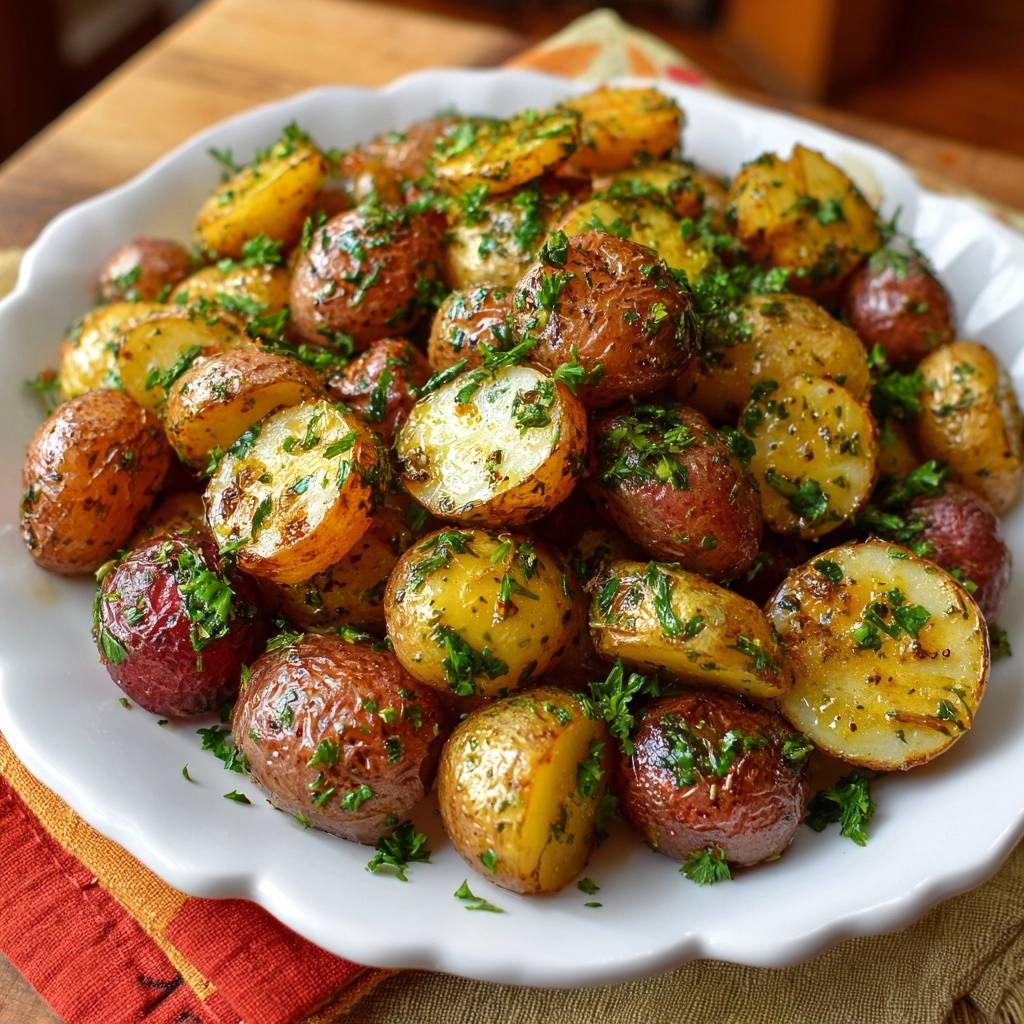
There is nothing quite as disappointing as craving a crispy, golden roasted potato only to pull a tray of mushy, pale spuds out of the oven. We have all been there, scraping stuck potato skins off a baking sheet while the interiors remain dense and gummy. The secret to achieving that elusive restaurant-style shatteringly crisp exterior lies in mastering moisture management and surface tension.
Most home cooks treat roasting as a passive activity, but the difference between “okay” and “extraordinary” is found in the prep work. By controlling how the starch reacts to heat and ensuring the potatoes are bone-dry before they hit the oil, you create a structural crust that holds its crunch. This recipe focuses on a specific thermal shock technique that guarantees a golden finish every single time.
The real magic happens when you stop thinking of the oven as just a heat source and start treating your baking sheet like a searing tool. I’ve found that pre-heating the pan is the single most important step you can take. It creates an immediate barrier between the vegetable and the metal, locking in the fluffy interior while the outside begins to caramelize the second it touches the surface.
The Chemistry of a Crispy Potato Crust
Achieving the perfect roast is actually a lesson in the Maillard reaction, which is the chemical process that browns food and creates deep, savory flavors. When the natural sugars and amino acids in the potato meet high heat, they transform into that beautiful mahogany crust we all crave. However, excess moisture is the enemy of this reaction because water absorbs the energy needed for browning, causing the potatoes to steam instead of roast.
Baby red and gold potatoes are the ideal candidates for this process because they possess a specific wax-to-starch ratio. Unlike large baking potatoes, these smaller varieties hold their shape under high heat while their thin skins provide a delicate snap. By soaking them in cold water first, you wash away the excess surface starch that usually leads to a sticky, gummy mess on your pan.
Why Baby Red and Gold Potatoes?
While Russet potatoes are great for mashing, they are often too floury for this high-heat roasting method and can fall apart. Baby red and gold potatoes have a creamier texture that stays intact, providing a luxurious mouthfeel that contrasts perfectly with a hard-roasted shell. Plus, using a mix of both colors adds a beautiful visual variety to your dinner table.
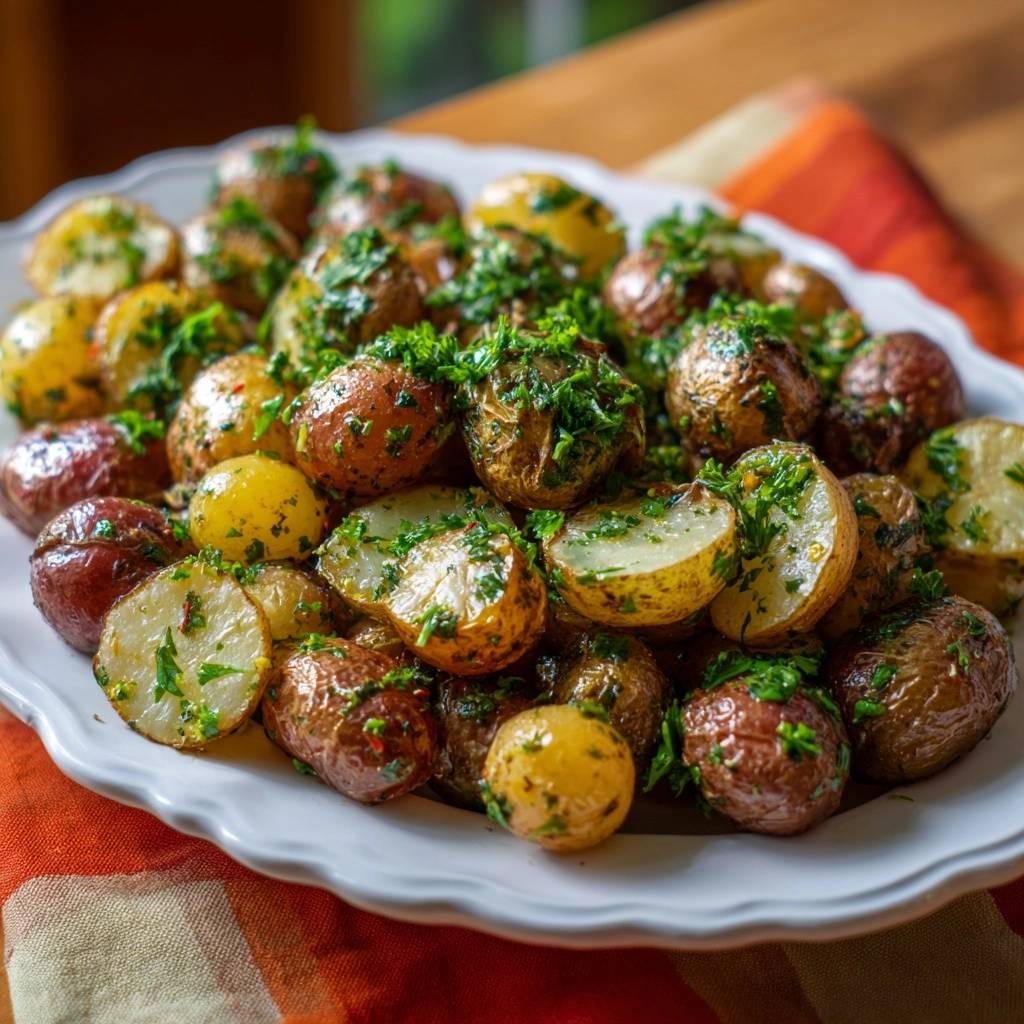
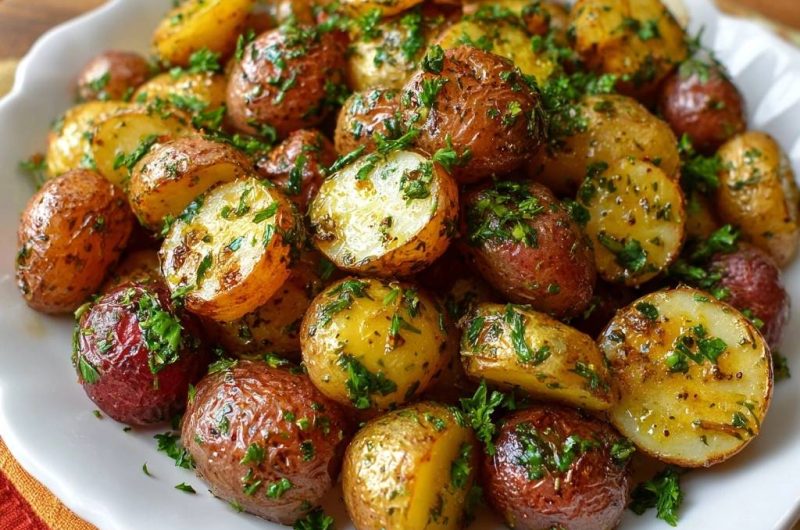
The thin skins on these varieties are also a major benefit because they don’t require peeling. These skins act as a natural “bag” for the fluffy starch inside, crisping up quickly without becoming tough or leathery. When you halve them, you expose just enough of the interior to create a flat, caramelized surface that acts as a base for all that garlic and herb flavor.
Essential Components for Garlic Herb Roasted Baby Potatoes
Quality ingredients are the foundation of this dish, starting with the oil. Extra virgin olive oil is my go-to here because it has a high enough smoke point for 425°F roasting while contributing a peppery, fruity depth that neutral oils lack. You want enough oil to coat every crevice, ensuring the heat is distributed evenly across the surface of each potato half.
The herb profile relies on a “staged” approach to flavor. Dried rosemary and thyme are sturdy enough to withstand the intense heat of the oven without turning into ash. They release their oils into the fat during the roasting process, infusing the potatoes from the outside in. Fresh parsley, on the other hand, is far too delicate for the oven and must be saved for the very end to provide a bright, grassy finish.
For even crunchier results, try these crispy potato medallions using a similar pre-cooking method.
Selecting the Right Fats and Seasonings
You might be tempted to toss these in butter for extra flavor, but I strongly recommend sticking to olive oil for the roasting phase. Butter contains milk solids that will burn and turn bitter at 425°F long before the potatoes are finished. If you want that buttery flavor, you can toss a small knob of room-temperature butter with the potatoes after they come out of the oven.
When it comes to salt, skip the fine table salt and reach for a coarse sea salt or kosher salt. The larger grains don’t just season the food; they provide a physical “crunch” and help draw out any remaining surface moisture during the first few minutes of roasting. Freshly cracked black pepper is also essential, as the pre-ground stuff often loses its spicy bite too quickly.
Pre-Roast Preparation: The Anti-Soggy Protocol
The most critical part of this recipe happens before the potatoes ever touch the oven. After halving your potatoes, you must soak them in a bowl of cold water for at least five minutes. This isn’t just about cleaning them; it’s about osmosis. The water pulls away the loose starch that would otherwise turn into a sticky glue, ensuring each piece remains distinct and crispy.
Once the soak is over, you have to be obsessive about drying them. I recommend spreading them out on a clean, lint-free kitchen towel and patting them until they are bone-dry. If you put damp potatoes into the oven, the water will immediately turn to steam, which softens the skin and prevents the oil from adhering properly. A dry potato is a crispy potato.
The Thermal Shock: Pre-Heating the Sheet Pan
While your potatoes are drying, your empty baking sheet should be sitting in the oven getting screaming hot. This is a professional chef’s trick that changes everything. When you eventually dump your seasoned potatoes onto that hot metal, you should hear a loud, aggressive sizzle. This is the sound of the crust forming instantly.
This thermal shock prevents the potatoes from sticking to the pan, even if you aren’t using parchment paper. It’s the same principle as heating a cast-iron skillet before searing a steak. By the time the potatoes start to release their own moisture, the exterior has already “set,” which creates a barrier that keeps the inside moist and the outside firm.
Step-by-Step: Roasting Garlic Herb Roasted Baby Potatoes
After tossing your dry potatoes with the oil and dried herbs, it is time to arrange them on the hot pan. You must place them cut-side down in a single layer. This maximizes the surface area in direct contact with the hot metal, which is where the best browning happens. If you crowd the pan, the potatoes will overlap and trap steam, ruining all your hard work.
The hardest part of this recipe is the waiting. You must leave the potatoes undisturbed for at least 25 minutes. Do not flip them, do not shake the pan, and do not “check” on them by moving them around. That constant contact with the pan is what builds the deep, caramelized crust. If you move them too early, you’ll tear the developing skin and lose that golden color.
For extra crispy edges, try the same method with these garlic rosemary roasted potatoes.
Timing the Aromatics: When to Add Garlic
One of the biggest mistakes people make is adding minced garlic at the beginning of the roast. Garlic is delicate and will burn in less than ten minutes at high temperatures, leaving you with bitter, black specks. Instead, we wait until the potatoes are 90% finished before introducing the garlic to the pan.
When there are only five minutes left on the timer, pull the pan out and toss the potatoes with the minced garlic. The residual heat and the final few minutes in the oven are just enough to mellow the raw bite of the garlic and turn it sweet and fragrant. This ensures you get the full punch of garlic flavor without any of the burnt aftertaste.
Troubleshooting Common Roasting Failures
If your potatoes come out pale despite the long cook time, your oven temperature might be running low. I always recommend using an oven thermometer to ensure you’re actually hitting 425°F. Another culprit for pale potatoes is overcrowding; if the pan is too full, the air cannot circulate, and the temperature around the potatoes drops significantly.
If the potatoes are tender but the skin is tough, you likely didn’t use enough oil. The oil acts as a heat conductor, frying the skin as it roasts. Don’t be afraid of the three tablespoons called for in the recipe. Most of it stays on the pan, but it is necessary to create that “shatter” effect when you bite into the potato.
Flavor Variations and Herb Substitutions
Once you master the technique, you can play with the flavors. For a Mediterranean twist, swap the rosemary for dried oregano and toss the finished potatoes with fresh lemon zest and a sprinkle of feta cheese. The acidity of the lemon cuts through the richness of the roasted starch beautifully.
If you want something with a bit of heat, add a teaspoon of smoked pimentón (paprika) and a pinch of red pepper flakes to the oil mixture. This creates a “smoky” profile that pairs incredibly well with grilled meats. Just remember to always keep your fresh herbs, like cilantro or chives, for the very end so they stay vibrant and flavorful.
What to Serve with Garlic Herb Roasted Baby Potatoes
These potatoes are the ultimate side dish because they pair with almost any protein. They are sturdy enough to sit alongside a heavy grilled ribeye steak, but refined enough to serve with a delicate roasted chicken. The garlic and rosemary notes are particularly complementary to seared lamb chops or a slow-roasted beef brisket.
To balance the meal, I love serving these with something bright and acidic. A simple green salad with a sharp vinaigrette or some quick-pickled red onions provides a necessary contrast to the salty, savory potatoes. Since the oven is already at 425°F, you could also roast some asparagus or broccoli on a separate tray during the last 10 minutes of cooking.
What to Serve with Your Roasted Potatoes
These garlic herb roasted baby potatoes work well alongside a protein that shares the same herb seasoning or a simple pan-seared option.
- For a light meal, pair the potatoes with Pan-Seared White Fish and Roasted Potatoes — the mild fish balances the bold herbs.
- If you want something more substantial, One
Storage, Reheating, and Meal Prep
If you have leftovers, store them in an airtight container in the refrigerator for up to four days. However, be warned that the microwave is the enemy of the roasted potato. It will turn that beautiful crust into a soggy, rubbery mess. To bring them back to life, you need to use dry heat again.
The best way to reheat these is in an air fryer at 375°F for about 5 minutes, or in a toaster oven. This draws out the moisture that settled into the crust while sitting in the fridge and restores that signature crunch. I don’t recommend freezing roasted potatoes, as the cellular structure of the potato changes when frozen, resulting in a grainy, mealy texture once thawed.
Expert Tips for the Perfect Roast
Can I use parchment paper for easier cleanup?
While you can use parchment paper, I don’t recommend it if you want the absolute best crust. Direct contact with the metal baking sheet provides superior heat transfer. If you use the pre-heated pan method and enough oil, sticking shouldn’t be an issue anyway. If you must use something, a silicone mat is better than paper, but plain metal is king.
Why are my potatoes sticking even though I used oil?
Sticking usually happens for two reasons: the pan wasn’t hot enough when the potatoes were added, or you tried to move them too soon. The potato will naturally “release” from the pan once the crust has fully formed. If you feel resistance when trying to flip them, give them another five minutes and try again.
Can I use frozen baby potatoes for this recipe?
I strongly advise against using frozen potatoes for this specific method. Frozen potatoes have already been blanched and their cell walls are broken down, which means they release too much moisture to ever get truly “shatteringly” crisp. Fresh potatoes are mandatory for the textural contrast we are looking for here.
How do I scale this recipe for a large crowd?
If you are doubling the recipe, use two separate baking sheets. Do not try to cram four pounds of potatoes onto one tray. Place the racks in the upper and lower thirds of your oven and swap the pans halfway through the cooking time to ensure even browning. Airflow is just as important as heat when it comes to roasting.
Maximizing Surface Area for Extra Crunch
For an even more extreme crunch, after you dry the potatoes, put them back in a dry bowl and give them a vigorous shake. This slightly bruises the edges and creates a thin layer of starchy “slurry” on the surface. When this starch mixes with the olive oil, it fries into an extra-thick, craggy crust that is incredibly satisfying to eat.
How do I know when the potatoes are perfectly done?
The potatoes are ready when the cut side is a deep, even golden brown and the skin looks slightly wrinkled. You should be able to pierce them with a fork with absolutely no resistance. If you tap the potato with a spoon, it should sound hollow and firm, not soft or damp. Don’t be afraid of a little dark color; that’s where all the flavor lives!
Can I use fresh rosemary instead of dried?
You can use fresh rosemary, but you should chop it very finely and be aware that it may brown faster than dried herbs. If using fresh, I recommend adding it halfway through the roasting process rather than at the beginning. This prevents the delicate leaves from becoming bitter or tasting like pine needles while still infusing the oil with that classic herbal aroma.
What is the best way to mince the garlic for this dish?
I recommend mincing the garlic by hand with a sharp knife rather than using a garlic press. A press tends to turn the garlic into a paste, which releases more sulfurous compounds and burns much faster. Small, hand-cut bits of garlic will toast beautifully in those final five minutes, giving you little nuggets of flavor rather than a burnt film over the potatoes.
Garlic Herb Roasted Potatoes
Course: Side DishCuisine: AmericanDifficulty: easyYields4
to 6 servingsPrep Time10
minutesCook Time35
minutesCalories240
kcalTotal Time45
MinutesA restaurant-style potato recipe featuring a shatteringly crisp exterior and fluffy interior, achieved through pre-heating the baking sheet and removing surface starch.
Ingredients
2 pounds baby red and gold potatoes, halved
3 tablespoons extra virgin olive oil
4 cloves garlic, minced
1 teaspoon dried rosemary
1 teaspoon dried thyme
1 teaspoon sea salt
1/2 teaspoon cracked black pepper
1/4 cup fresh Italian parsley, finely chopped
Directions
- Place your empty rimmed baking sheet into the oven and preheat to 425 degrees Fahrenheit. Heating the pan first is the critical step to prevent sticking and ensure immediate browning.
- While the oven heats, place your halved potatoes in a large bowl of cold water for 5 minutes. This removes excess surface starch that causes gumminess.
- Drain the potatoes and pat them completely dry with a clean kitchen towel. Any remaining moisture will steam the potatoes instead of roasting them, leading to a soggy texture.
- In a clean dry bowl, toss the dried potatoes with olive oil, salt, pepper, rosemary, and thyme. Do not add the fresh parsley or garlic yet as they will burn at high heat.
- Carefully remove the hot baking sheet from the oven. Spread the potatoes onto the hot surface in a single layer, cut side down. You should hear a sizzle immediately.
- Roast for 25 to 30 minutes without moving them. This undisturbed contact with the hot metal creates the golden crust.
- Remove the pan and toss the potatoes with the minced garlic. Return to the oven for 5 more minutes. This prevents the garlic from becoming bitter or scorched.
- Transfer to a serving bowl and toss generously with the fresh chopped parsley before serving hot.
Notes
- The secret to the golden crust is pre-heating the pan and ensuring potatoes are completely dry before roasting. Add garlic only in the last 5 minutes to prevent burning.