Mastering the Roasted Butternut Squash and Kale Salad
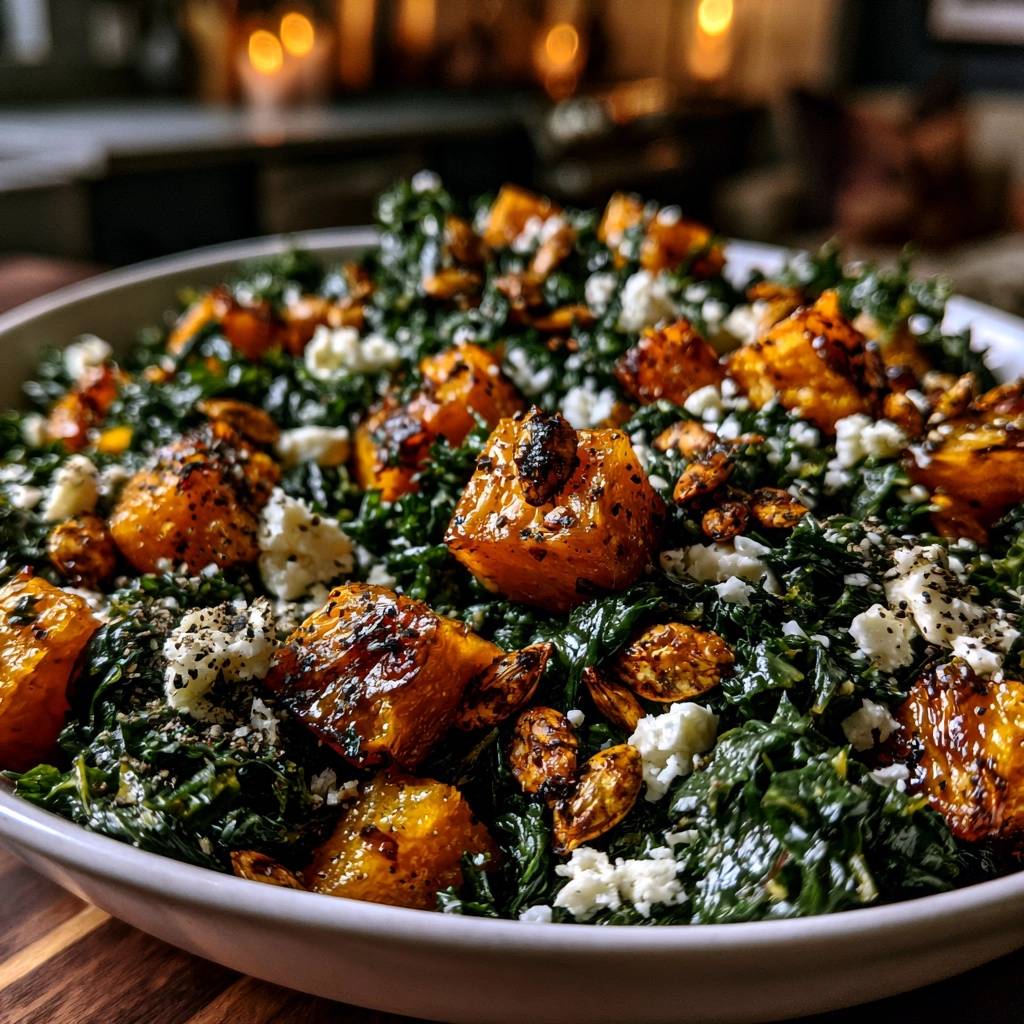
Imagine a forkful of salad where the squash is so tender it practically melts, contrasted by the crunch of toasted seeds and the salty tang of feta. Most people shy away from kale because it feels like chewing on a hedge, but when you treat it right, it becomes the most luxurious green in your kitchen. This Roasted Butternut Squash and Kale Salad hits that perfect sweet spot between a hearty autumn side and a vibrant, refreshing lunch.
The real magic happens when you balance the earthy sweetness of caramelized squash against the acidic brightness of massaged greens. We aren’t just tossing things in a bowl here; we’re building layers of flavor and texture that stay fresh for hours. If you’ve ever suffered through a soggy, wilted salad or a bowl of tough, bitter leaves, this method is going to change your entire perspective on winter produce.
The secret to this recipe’s success is the cooling period for the roasted squash. Most home cooks rush the assembly and toss hot vegetables directly onto the greens, which creates steam and leads to “Soggy Leaf Syndrome.” By letting the squash reach room temperature first, you preserve the structural integrity of the kale, ensuring every bite remains crisp and vibrant. It’s a small patience-testing step that yields professional results.
The Science of Massaging Kale Leaves
Kale is a powerhouse of nutrition, but its cellular biology makes it naturally tough. The leaves are packed with cellulose and lignin fibers, which act like a rigid skeleton. If you eat it raw without preparation, your jaw does all the work, and the flavor often remains locked inside the fibrous walls. Mechanical massage is the only way to truly transform this vegetable into something crave-worthy.
When you use your hands to firmly knead the kale, you’re physically breaking down those tough cell walls. Within about two minutes, you’ll notice a dramatic shift. The leaves will shrink in volume by nearly half, and the texture will move from “cardboard-like” to silky and supple. It’s a tactile process that you can actually feel happening under your fingers.
Keep a close eye on the color during this process. You’re looking for the kale to transition from a dull, dusty light green to a translucent, deep emerald. This visual cue tells you the fibers have softened enough to allow the dressing to penetrate the leaves rather than just sliding off the surface. This step is non-negotiable for both digestibility and flavor absorption.
Why Raw Kale Requires Mechanical Softening
Curly kale, which we’re using here, has a much higher surface area than Lacinato or “dino” kale. Those tight ruffles are excellent at trapping dressing, but they can also feel very dry and scratchy in the mouth if they aren’t softened. Massaging ensures the oil and salt reach every nook and cranny of the leaf.
Without this mechanical softening, the kale remains a barrier to flavor. You could use the best dressing in the world, but it would simply sit on top of the fibers. By breaking the leaves down first, you create a “sponge” effect where the kale actually drinks in the balsamic and honey, making every mouthful consistent and delicious.
Essential Components for the Perfect Autumn Base
A great salad is only as good as its ingredients, and for this dish, the butternut squash is the star. When you’re at the store, look for a squash that feels heavy for its size. A heavy squash usually indicates a higher sugar content and better moisture levels, which leads to superior caramelization in the oven.
The supporting cast is just as important. Feta cheese acts as the creamy, salty counterpoint to the natural sugars in the squash. While some salads use fruit for sweetness, we’re relying on the roasting process to bring out those deep, nutty notes. The contrast between the warm-toned squash and the bright white feta makes the dish look as good as it tastes.
Selecting and Prepping Butternut Squash
Peeling a butternut squash can be intimidating, but a sharp Y-peeler makes quick work of the tough skin. Once you’ve reached the bright orange flesh, focus on creating uniform 1-inch cubes. This size is the “Golden Ratio” for roasting because it provides enough surface area for browning while keeping the center creamy.
If you cut the pieces too small, they’ll shrivel up and lose their texture. If they’re too large, the outside will burn before the inside is tender. Consistency is key here; you want every piece of squash to finish cooking at exactly the same time so you don’t end up with a mix of hard and mushy bits.
The Role of Pepitas and Feta
Texture variety is what keeps a salad interesting from the first bite to the last. Raw pumpkin seeds, or pepitas, provide a necessary “snap” that contrasts with the soft squash. Toasting them on the same tray as the squash allows them to soak up a bit of the seasoned oil, deepening their savory profile.
For the feta, try to find a high-quality sheep’s milk variety stored in brine. It has a sharper, more aggressive tang than cow’s milk feta, which is essential for cutting through the richness of the olive oil and the sweetness of the honey-balsamic glaze. It provides that “pop” of salt that wakes up the entire palate.
Achieving Maximum Caramelization Without Mushiness
To get that restaurant-style brown edge on your squash, you need to master the Maillard reaction. This chemical reaction between amino acids and reducing sugars gives browned food its distinctive flavor. The enemy of this process is moisture. If your squash pieces are too close together, they’ll release steam and boil in their own juices.
High heat is your best friend here. Setting the oven to 400°F ensures the exterior of the squash sears quickly. You want to hear a slight sizzle when the tray goes in. This temperature is high enough to caramelize the natural sugars without turning the vegetable into a flavorless puree.
The Tray Layout Strategy
Always follow the “Single Layer Rule.” If you have to cram the squash onto the tray, use two trays instead. Air needs to circulate around each cube to dry out the surface and create that golden crust. If the pieces are touching, they will stay pale and soft on the sides.
Position your pumpkin seeds in one corner of the tray during the last few minutes of roasting. They contain natural oils that toast very quickly, so they don’t need the full 25 minutes. By placing them on the tray with the squash, they benefit from the residual heat and seasoned oil without the risk of burning to a crisp.
Step-by-Step: Assembling the Roasted Butternut Squash and Kale Salad
Building this salad is a three-phase process that ensures every element is handled with care. We start with the high-heat roast, move into the manual labor of the massage, and finish with a stable emulsion. Following this order prevents the ingredients from fighting each other and keeps the textures distinct.
Use active movements throughout. When tossing the squash, use a wide spatula to avoid breaking the cubes. When whisking the dressing, use a vigorous motion to ensure the honey and vinegar are fully incorporated before the oil is added. These small mechanical details result in a much more polished final dish.
Phase One: High-Heat Roasting and Cooling
Once your squash is golden and the seeds are fragrant, pull the tray from the oven. Now comes the most important part: the wait. You must let the squash cool for at least 10 to 15 minutes. If you can’t comfortably hold a cube in your hand, it’s too hot for the salad.
This cooling period is the “Secret Sauce” of the recipe. It allows the starches in the squash to set, making the cubes firmer and easier to toss. More importantly, it prevents the kale from wilting. You want the kale to be softened by your hands, not cooked by the heat of the squash.
Phase Two: The Manual Softening Process
While the squash cools, turn your attention to the kale. Place the torn leaves in your largest bowl—you need room to work. Drizzle over a tablespoon of oil and a generous pinch of sea salt. The salt acts as a mild abrasive, helping to tear through the tough fibers faster than oil alone.
Get in there with both hands and squeeze the leaves firmly. It should feel like you’re kneading bread dough. After about two minutes, the kale will feel heavy and wet, and the volume will have dropped significantly. Taste a piece; it should be tender and easy to chew, with no “woody” aftertaste.
Phase Three: Whisking the Balsamic Vinaigrette
A great vinaigrette is a stable emulsion. Start by whisking the apple cider vinegar, honey, and balsamic glaze in a small jar or bowl. The honey acts as a stabilizer, helping the oil and vinegar stay together. Once those are combined, slowly stream in the remaining olive oil while whisking constantly.
This creates a thick, glossy dressing that coats the leaves evenly. If you just pour the ingredients separately over the salad, the oil will coat the leaves first, creating a waterproof barrier that prevents the vinegar and honey from sticking. Proper whisking ensures every bite has the perfect balance of fat and acid.
Troubleshooting Common Texture Issues
Even with a simple salad, things can go wrong. If your kale still feels tough or bitter after three minutes of massaging, don’t panic. Sometimes older kale is just more stubborn. You can fix this by adding a teaspoon of lemon juice; the extra acid helps speed up the chemical breakdown of the fibers.
If your squash comes out watery, it’s usually a sign of under-roasting or overcrowding the pan. You can try to save it by popping it back under the broiler for two minutes to crisp the edges. If the salad tastes bland, it’s almost always a lack of acid. A tiny extra splash of vinegar or a pinch more salt usually brings the flavors back to life.
Fixing Bitter or Tough Greens
Bitter kale is often a result of the plant being grown in warmer weather. If the massage isn’t enough to mellow it out, the honey in the dressing is your best tool. Sweetness cancels out bitterness on the tongue. You can also add a few more crumbles of feta, as the fat in the cheese coats the palate and masks the bitter compounds.
Flavor Variations and Ingredient Swaps
Once you master the base technique, you can play with the ingredients. If you can’t find butternut squash, Delicata or Kabocha are fantastic alternatives. Delicata is especially great because the skin is thin enough to eat, saving you the peeling step. Both offer a similar creamy texture and sweet flavor profile.
For the cheese, goat cheese provides a funkier, creamier profile that pairs beautifully with the balsamic. If you’re out of pumpkin seeds, sunflower seeds or even toasted walnuts provide a similar earthy crunch. The goal is to maintain the balance of sweet, salty, crunchy, and acidic, regardless of the specific ingredients you choose.
Vegan and Dairy-Free Adaptations
You can easily make this dish vegan without losing the savory “umami” hit. Instead of feta, try using a generous sprinkle of nutritional yeast or a handful of salty olives. A cashew-based “parmesan” also works wonders here, providing the necessary fat and salt to balance the sweetness of the roasted squash.
Pairing Suggestions for a Complete Meal
This salad is hearty enough to stand on its own, but it also plays well with others. It’s a natural partner for roasted chicken or a seared steak. The acidity in the kale helps cut through the richness of heavier meats, making the whole meal feel lighter and more balanced.
For a vegetarian feast, serve this alongside a warm bowl of lentil soup or a thick slice of toasted sourdough bread. The bread is perfect for swiping up any leftover dressing and feta crumbles at the bottom of the bowl. Because it’s so visually striking, it’s also a fantastic centerpiece for a holiday spread.
Make-Ahead Strategies and Storage Logistics
Unlike most salads, this one actually improves with a little time. Kale is sturdy enough that it won’t turn into mush after an hour in the fridge. In fact, the leaves continue to tenderize as they sit in the vinaigrette. This makes it the ultimate meal-prep salad for busy work weeks.
You can store the fully assembled salad in an airtight container for up to three days. If you’re planning to keep it longer, store the roasted squash and the massaged kale in separate containers. This prevents the squash from getting too soft. When you’re ready to eat, just toss them together with a fresh drizzle of dressing.
How to Revive Leftover Salad
After a night in the fridge, the flavors can sometimes become a bit muted. Cold temperatures dull our perception of salt and acid. To “wake up” a leftover salad, add a tiny squeeze of fresh lemon or a teaspoon of apple cider vinegar. This hit of fresh acid brightens the aromatics and makes the salad taste like it was just made.
Expert Tips for Restaurant-Quality Presentation
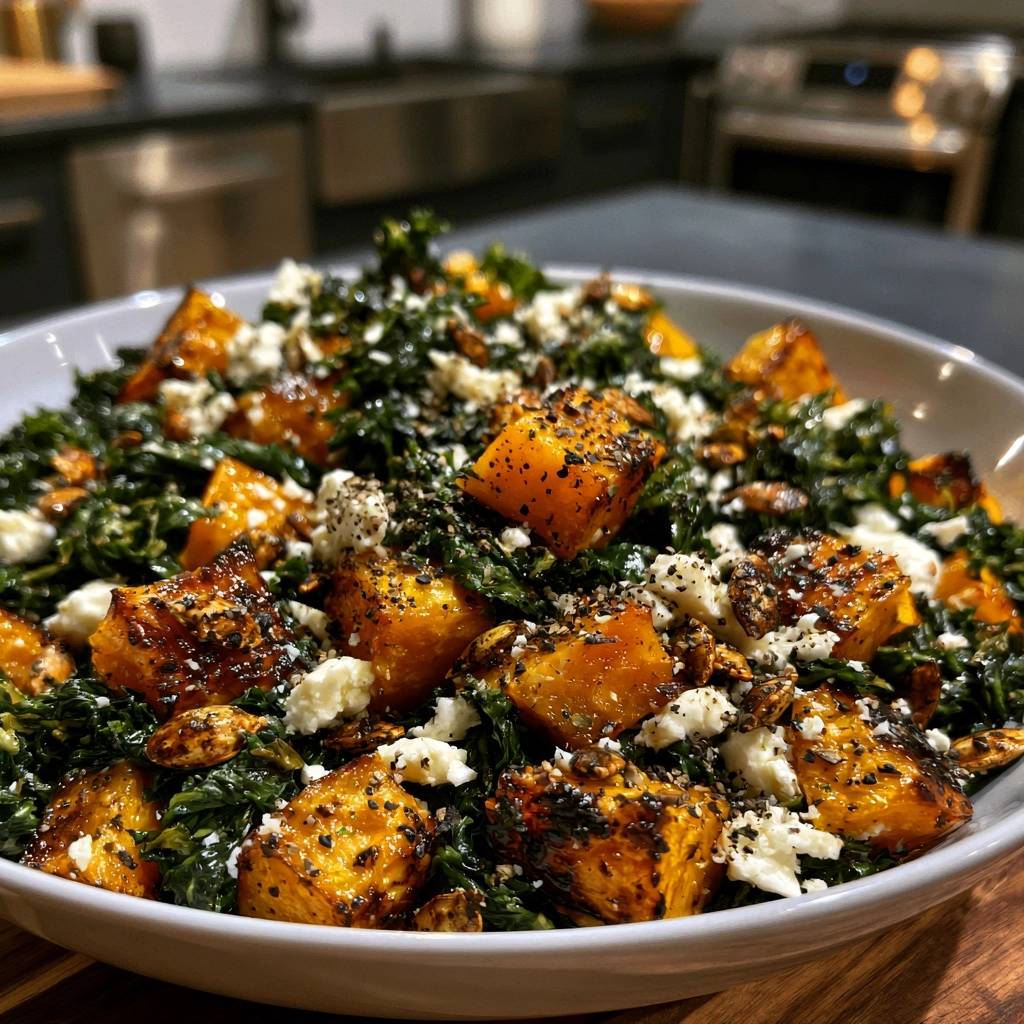
To make this look like it came from a high-end bistro, use the “Vertical Build” method. Don’t just dump everything in and stir. Start with a base of massaged kale, then tuck the squash cubes into the crevices. Sprinkle the feta and seeds over the top so they stay visible rather than sinking to the bottom.
Finish the dish with a final dusting of freshly cracked black pepper. The large, dark flakes provide a beautiful visual contrast against the orange squash and white feta. It signals to your guests (or just yourself!) that this is a thoughtfully prepared dish, not just a pile of greens.
Expert Troubleshooting
Can I use frozen butternut squash for this recipe?
You can use frozen squash, but there is a significant moisture trade-off. Frozen vegetables release more water as they thaw, which can prevent them from getting truly crispy. To compensate, roast them directly from frozen at 425°F and increase the oil slightly to help sear the exterior before the inside gets too mushy.
Why is my dressing separating even after I whisk it?
Emulsion stability depends on the ratio of oil to acid and the presence of a stabilizer. If your dressing separates, you might have added the oil too quickly. Try adding another half-teaspoon of honey and whisking vigorously in a separate bowl, then slowly dripping the separated dressing into the new mixture to re-emulsify it.
Can I use the kale stems in the salad?
Kale stems are extremely woody and bitter. For the best experience, they should be removed and discarded or saved for a green smoothie. If you absolutely want to use them, you must slice them paper-thin (like coins) and massage them for twice as long as the leaves to make them edible.
How do I prevent the pumpkin seeds from burning?
Pumpkin seeds have a very high oil content and can go from toasted to burnt in thirty seconds. The safest way to toast them is to add them to the roasting tray only during the last 5 minutes of cooking. If you’re nervous, you can toast them separately in a dry skillet over medium heat where you can watch them constantly.
Is there a substitute for balsamic glaze?
If you don’t have balsamic glaze, you can make a quick version by simmering 1/2 cup of regular balsamic vinegar with a teaspoon of sugar in a small pan until it reduces by half and becomes syrupy. Alternatively, you can use extra honey and a bit more apple cider vinegar, though you’ll lose that deep, dark color and punchy sweetness.
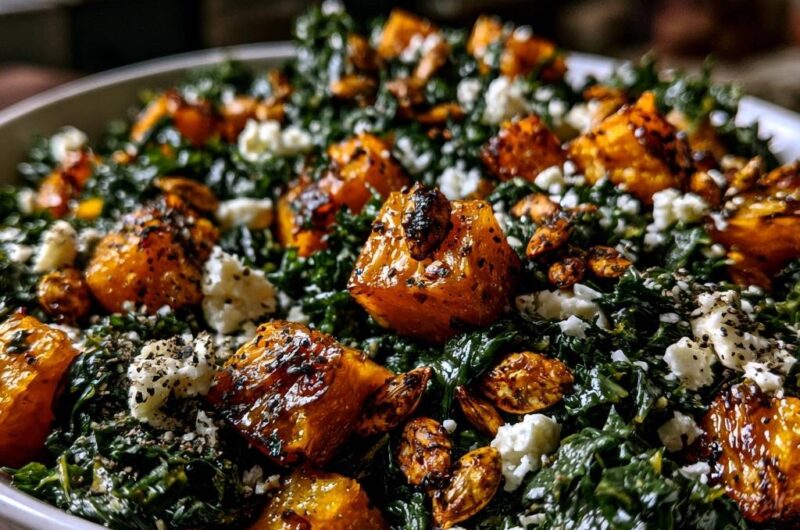
Roasted Butternut Squash and Kale Salad
Course: SaladCuisine: AmericanDifficulty: easy4
servings15
minutes25
minutes40
Minutes295
kcalAmerican
Ingredients
1 large butternut squash, peeled and cubed into 1-inch pieces
1 large bunch curly kale, stems removed and leaves finely torn
1/2 cup crumbled feta cheese
1/4 cup raw pumpkin seeds (pepitas)
4 tablespoons extra virgin olive oil, divided
2 tablespoons balsamic glaze
1 tablespoon apple cider vinegar
1 teaspoon honey
1 teaspoon cracked black pepper, divided
1/2 teaspoon sea salt
Directions
- Preheat your oven to 400°F (200°C). On a large baking sheet, toss the butternut squash cubes with 1 tablespoon of olive oil, 1/2 teaspoon of the cracked black pepper, and the sea salt.
- Spread the squash out so the pieces are not touching. On one corner of the tray, add the pumpkin seeds so they toast alongside the squash. Roast for 20 to 25 minutes, tossing halfway through, until the squash edges are deeply browned and caramelized.
- Crucial Step: Remove the tray from the oven and let the squash cool for at least 10-15 minutes until room temperature. Adding hot squash directly to kale is the primary cause of sogginess as the heat steams the leaves.
- While the squash cools, place the torn kale in a large mixing bowl. Drizzle with 1 tablespoon of olive oil and a pinch of salt. Use your hands to firmly massage the leaves for 2 to 3 minutes. You will see the volume reduce and the color turn a dark, vibrant green. This breaks down the cellulose structure so the leaves are tender rather than fibrous.
- In a small jar, whisk together the remaining 2 tablespoons of olive oil, apple cider vinegar, honey, and balsamic glaze to create a bright vinaigrette.
- Add the cooled squash, toasted pumpkin seeds, and crumbled feta to the massaged kale.
- Drizzle the dressing over the salad and toss gently. Finish with the remaining 1/2 teaspoon of cracked black pepper over the top for visual pop and flavor. The massaged kale will hold the dressing without collapsing, ensuring a perfect texture even if left to sit.
Notes
- The primary cause of sogginess is adding hot squash directly to the kale. Ensure the squash cools for 10 to 15 minutes before assembly to prevent steaming the leaves.