Orange Glazed Salmon: Moist, Caramelized Perfection
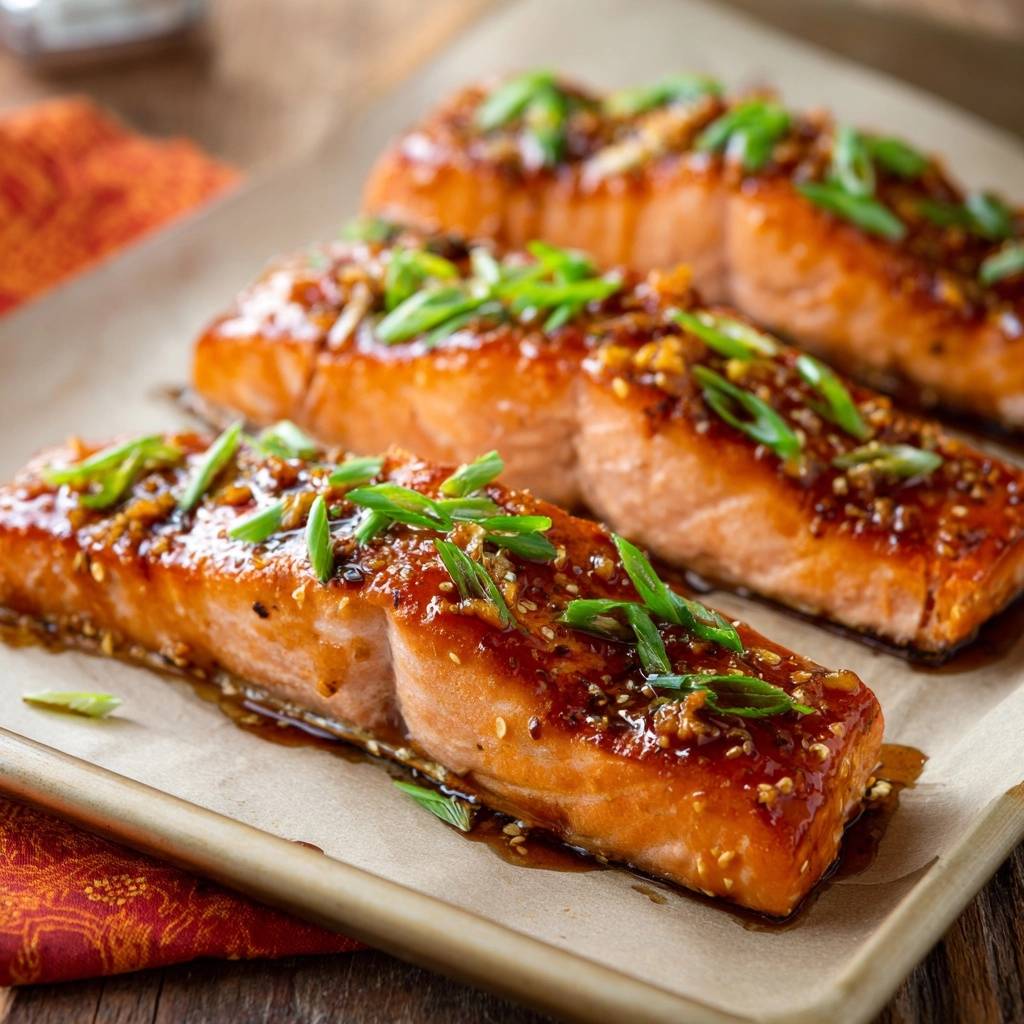
Ever bite into salmon that’s dry as cardboard? It happens too often with high-heat blasts that squeeze out every drop of juice. But this orange glazed salmon flips the script. You get dinner on the table in under 30 minutes, with flaky fillets locked in sticky, caramelized goodness.
Here’s why it works so well. The low-and-slow bake at 275°F gently cooks the fish without toughening it. Then a quick broil caramelizes the orange glaze into shiny perfection. Plus, you’re packing in omega-3s for heart health and that bright citrus zing.
The real game-changer? Pull the salmon at exactly 120°F internal temp. That’s the sweet spot where proteins stay tender and juices redistribute. No more guessing, just moist orange glazed salmon every time.
Why Low-Temp Baking Transforms Orange Glazed Salmon
High heat at 400°F or more forces collagen in salmon to tighten up fast. That squeezes out moisture, leaving you with chalky fillets. However, baking orange glazed salmon at 275°F breaks down collagen slowly. Therefore, the fish stays juicy while developing flavor.
Aim for 120°F inside each fillet. That’s medium-rare perfection, unlike the overdone 145°F many recipes push. In addition, use an instant-read thermometer. It eliminates guesswork for consistent glazed salmon fillets.
Traditional methods blast the oven hot from the start. They dry edges while the center lags. This low-temp approach evens everything out beautifully.
Science of Gentle Heat for Juicy Salmon
At low temps, proteins denature gradually. This keeps muscle fibers relaxed and full of juice. Studies show low-and-slow cooking retains up to 20% more moisture than high-heat roasts. So, your orange glazed salmon flakes effortlessly.
Broil Finish for Sticky Orange Glaze Crust
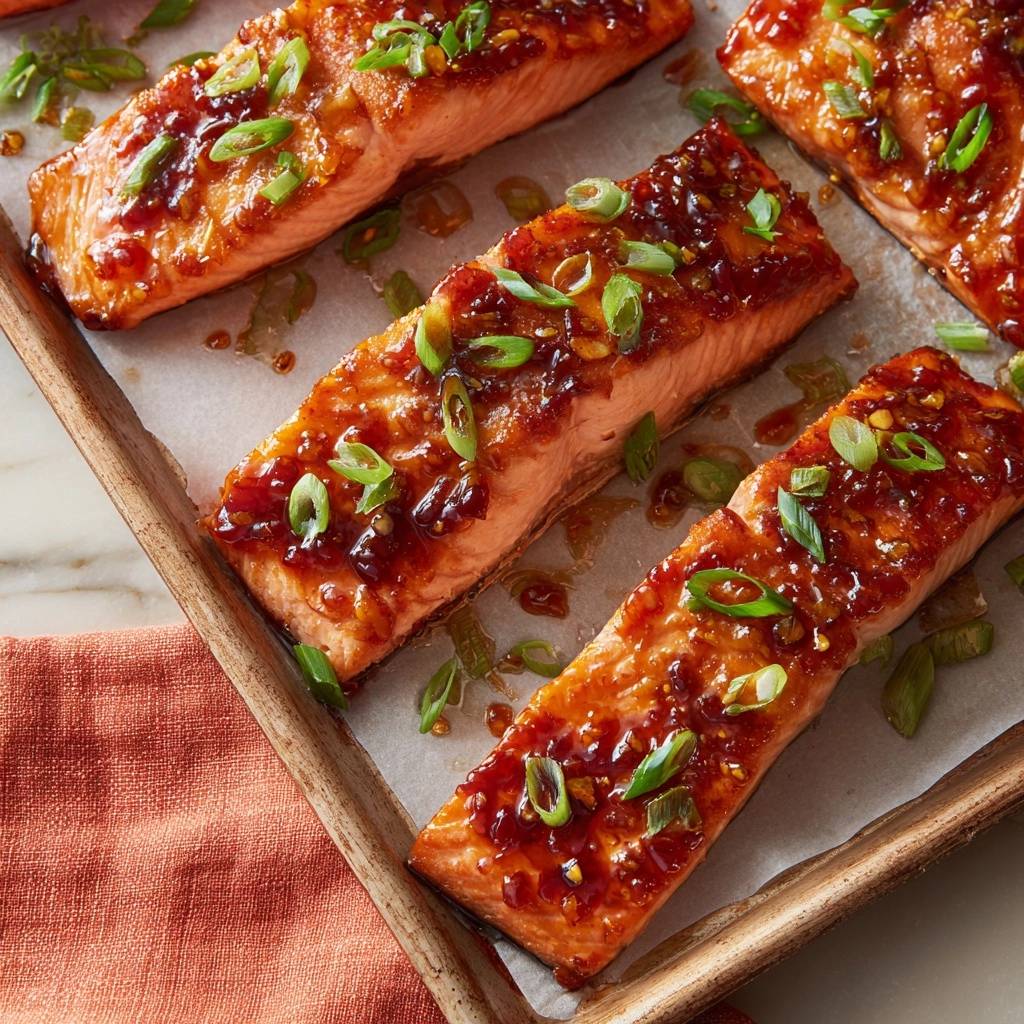
Broiling triggers the Maillard reaction on the honey-orange glaze. Sugars caramelize into a bubbly crust in just 2-3 minutes. Watch closely, though. Pull it when edges bubble, not char, for that glossy shine.
Key Ingredients for Balanced Orange Glazed Salmon
Soy sauce brings umami depth to orange glazed salmon ingredients. Pick low-sodium to avoid overpowering saltiness. Honey fuels the caramelization, turning sticky-sweet under the broiler.
Fresh orange juice and zest add brightness that cuts salmon’s richness. Ginger and garlic provide warmth and punch. Finally, sesame oil ties in nuttiness, while seeds and green onions finish with crunch.
Scale easily for more fillets. Double the glaze for six, but taste as you go. Fresh beats bottled orange every time for vibrant flavor.
Citrus Power: Orange Juice and Zest Duo
Fresh zest delivers oils without bitterness. Juice tenderizes gently with acidity. Try mandarin if oranges are scarce. It balances the glaze perfectly.
Umami Boosters: Soy, Ginger, Garlic Blend
Low-sodium soy keeps salt in check. Mince ginger and garlic fine for even distribution. They’ll infuse the whole fillet with cozy heat.
If you like checking the temperature of your salmon, the same method works perfectly for this pineapple glazed salmon.
Essential Tools for Flawless Orange Glazed Salmon
You don’t need fancy gear for orange glazed salmon. Parchment paper prevents sticking. A silicone brush spreads glaze evenly, better than spoons that drip everywhere.
An oven thermometer ensures your 275°F is spot-on. In addition, grab an instant-read probe. It checks that 120°F magic without opening the door too much.
Budget picks work fine. A $15 probe from any store beats eyeballing doneness.
Why Instant-Read Thermometer Wins
Guesswork leads to dry salmon. Poke the thickest part for 120°F. Models under $20 give quick reads. Practice once, and you’ll never skip it.
Step-by-Step: Building Orange Glazed Salmon Glaze
Start with room-temp ingredients. Whisk soy, honey, orange juice, zest, sesame oil, ginger, and garlic. The mix emulsifies into a silky glaze that clings beautifully.
Taste it now. Adjust honey if you want sweeter. Reserve most for broiling. That first light brush sets the base without burning.
Whisk vigorously 1-2 minutes. You’ll see it thicken slightly, ready to transform your salmon.
Whisking Technique for Silky Glaze
Add liquids first, then solids. Use a small bowl to contain splatters. Vigorous strokes prevent separation for smooth results.
Step-by-Step: Low-Slow Baking Orange Glazed Salmon
Preheat to 275°F. Line your sheet with parchment. Pat fillets super dry first. That moisture-wicking step makes glaze stick like glue.
Place salmon on the middle rack. Brush lightly with glaze. Bake 12-15 minutes until 120°F. The flesh turns opaque, with a soft, yielding feel.
Thicker fillets need the full 15. Don’t rush; patience here guarantees juiciness.
Patting Dry for Superior Glaze Adhesion
Press paper towels firmly on all sides. Surface moisture evaporates fast in the oven. Sugars grip better, leading to even caramelization.
If you enjoy the tangy glaze technique here, try it on this glazed garlic herb salmon for a different flavor twist.
Step-by-Step: Broiling for Caramelized Orange Glazed Salmon
Switch to high broil. Move rack near the top. Brush generously with reserved glaze. Broil 2-3 minutes until bubbly and golden.
Check every 30 seconds. Edges should bubble, not blacken. Sprinkle sesame seeds and green onions right after. Rest 2 minutes so juices settle.
That rest is key. It lets flavors mingle and keeps everything moist.
Timing Broil to Avoid Burning Glaze
Keep the rack 4-6 inches from the element. Foil-shield thin edges if they brown fast. Stop at first bubbles for perfect char.
Avoiding Dry Texture in Orange Glazed Salmon
Dry orange glazed salmon comes from high initial heat or skipping the thermometer. Over-broiling chars the glaze without warming through. Always rest fillets post-cook.
Pro tip: tent with foil if edges dry mid-bake. Wild salmon cooks faster than farmed, so check early. Thinner fillets? Shave 2 minutes off bake time.
Symptoms like chalky centers mean overdone. Prevention beats fixes every time.
Fixing Overcooked or Pale Glaze Results
Mid-cook rescue: baste with extra glaze. Post-cook, drizzle fresh orange juice. But stick to temps next round for flawless moistness.
Flavor Twists on Orange Glazed Salmon
Swap orange for lime and cilantro. It brightens with herbal zing. Or go maple-soy for deeper sweetness. Keep the low-slow bake.
Add sriracha for heat. Dill or thyme infuses herby notes. Tofu works vegan-style; press it dry first.
Tamari swaps for soy if gluten-free. All variations stay true to juicy results.
Citrus Swaps for Seasonal Orange Glazed Salmon
Blood orange shines in winter with berry depth. Grapefruit adds bold tang; use half the juice. Match zest 1:1 for balance.
What’s Next?
Try these delicious pairings:
Perfect Pairings for Orange Glazed Salmon
Sesame cucumber salad cuts the richness with crunch. Quinoa pilaf soaks up glaze. Roasted asparagus brings earthy char.
Garlic bok choy matches the umami. Plate with a glaze drizzle and microgreens. Crisp textures balance the sweet stickiness.
Sauvignon blanc refreshes the palate nicely.
Quick Veggie Sides Enhancing Glaze
Slice cukes, toss with sesame and rice vinegar in 5 minutes. Bok choy wilts in 10 with garlic. Asparagus roasts alongside for efficiency. They amplify citrus-umami harmony.
Orange Glazed Salmon Nutrition Breakdown
Each fillet clocks 350 calories, 25g protein. Omega-3s support heart and brain health. Vitamin C from citrus boosts immunity.
Low-carb friendly, way better than fried versions loaded with oil. Moderate glaze keeps sugars reasonable.
Health Wins from Citrus-Salmon Combo
Omega-3s fight inflammation. Citrus antioxidants aid skin glow. Together, they supercharge nutrition without empty calories.
Common Questions on Orange Glazed Salmon
Can You Use Frozen Thawed Salmon?
Yes, thaw fully in the fridge first. Pat extra dry to remove excess water. Add 2 minutes to bake time. Quality holds up well.
Best Reheating for Leftover Glazed Salmon
Oven at 275°F for 8-10 minutes, covered loosely. Skip microwave; it turns soggy. Flake into salads if needed.
How Do You Store Orange Glazed Salmon Leftovers?
Keep in an airtight container in the fridge up to 3 days. Don’t freeze; glaze gets icy and separates. Reheat gently to preserve moisture.
Why Is My Orange Glazed Salmon Dry?
Usually from cooking past 120°F or high initial heat. Always use a thermometer. Resting helps juices redistribute too.
Can I Substitute Ingredients in Orange Glazed Salmon?
Tamari for soy if gluten-free. Maple for honey works. Fresh ginger? Powdered is okay but half the amount. Stick to low-sodium options.
Skin-On or Skinless for Orange Glazed Salmon?
Skin-on crisps nicely under broil; score it first. Skinless is simpler for beginners. Both bake the same; remove skin post-cook if desired.
Orange Glazed Salmon
Course: Main CourseCuisine: AmericanDifficulty: easy3
servings10
minutes18
minutes550
kcal28
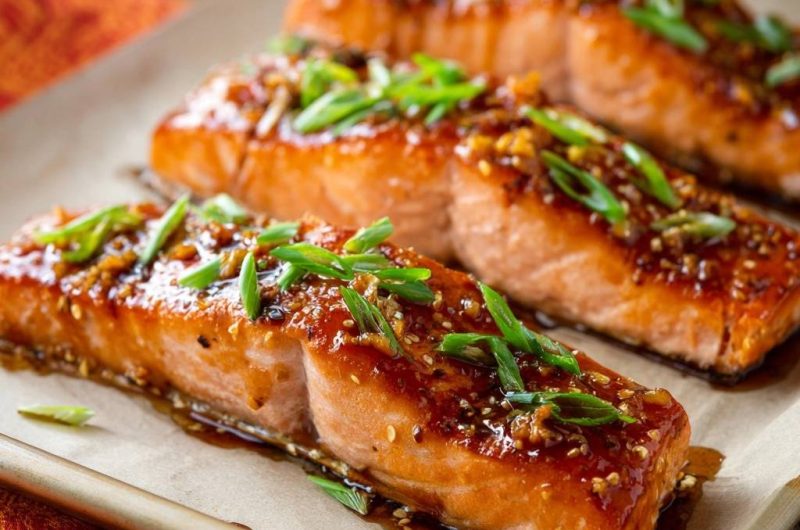
MinutesDry salmon ruins dinner every time, but this foolproof low-and-slow bake followed by a quick broil locks in juices while caramelizing the glaze for sticky perfection.
Ingredients
3 salmon fillets (6 oz each, skin-on or skinless)
1/4 cup low-sodium soy sauce
3 tbsp honey
2 tbsp fresh orange juice
1 tbsp orange zest
1 tsp sesame oil
1 tsp minced ginger
1 tsp minced garlic
2 tbsp sesame seeds
3 green onions, thinly sliced
Directions
- Preheat oven to 275°F. Line a baking sheet with parchment paper.
- Whisk soy sauce, honey, orange juice, zest, sesame oil, ginger, and garlic in a small bowl to make the glaze.
- Pat salmon dry, place on baking sheet. Brush lightly with glaze, reserve the rest.
- Bake 12 to 15 minutes until internal temperature hits 120°F (use a thermometer, this low-temp trick prevents drying by gently cooking without overheat).
- Switch oven to broil on high. Brush salmon generously with remaining glaze. Broil 2 to 3 minutes until bubbly and caramelized, watching closely to avoid burning.
- Sprinkle with sesame seeds and green onions. Rest 2 minutes for juices to redistribute. Serve immediately, flaky and moist every time.
Notes
- Use a thermometer to check internal temperature reaches 120°F for perfectly moist salmon. Watch closely during broiling to avoid burning.