Pesto Parmesan Shells: Creamy Filled Pasta Mastery
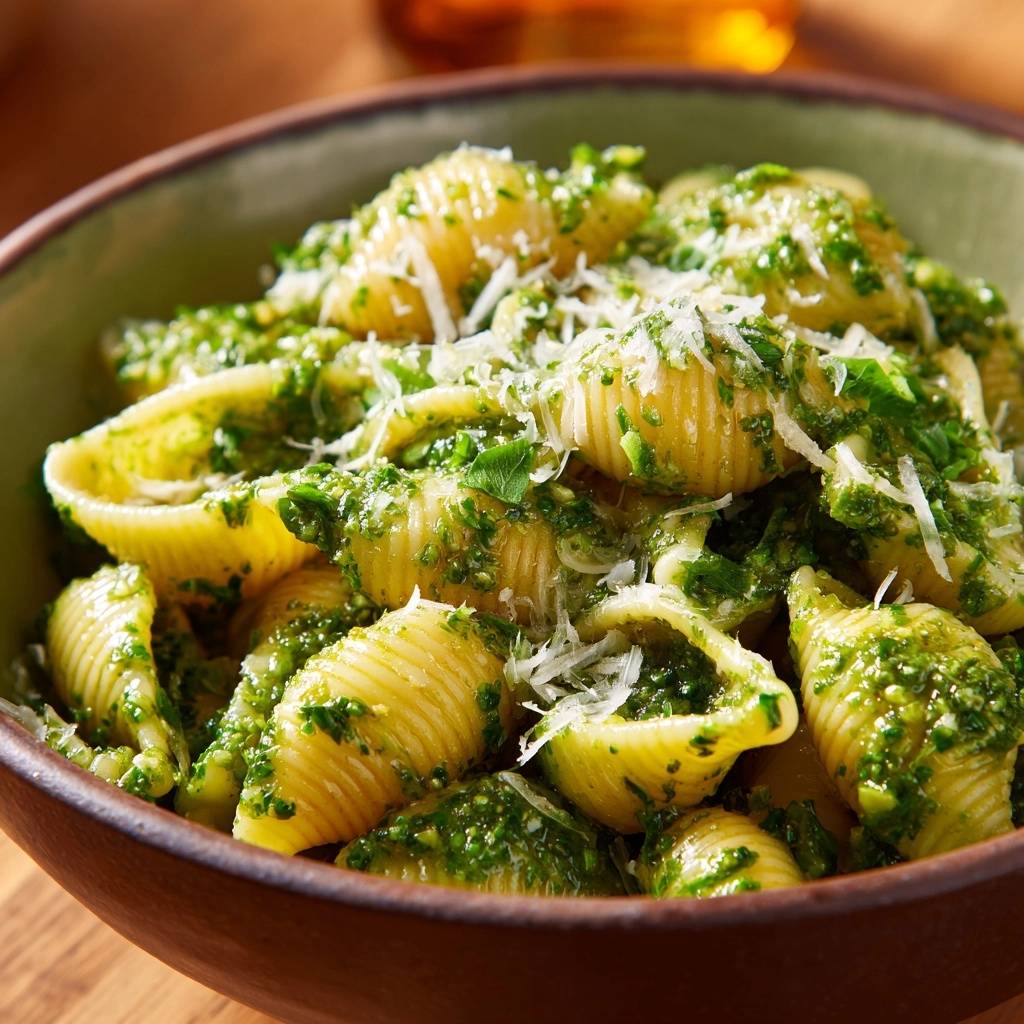
Ever bite into a pesto pasta shell and find it empty inside, with all the sauce stuck at the bottom? That’s the frustration this recipe fixes. You’ll have dinner ready in about 20 minutes, way faster than waiting for takeout, and every shell packs creamy pesto flavor.
Here’s why it works so well. The starchy pasta water turns basic pesto into a silky emulsion that clings right into those ridged shells. No more flavorless bites or watery sauce.
The real secret? Toss the hot pasta with pesto and just a splash of that reserved water over low heat. It activates the starch for perfect creaminess. You’ll smell the fresh basil blooming and see the sauce disappear into every cavity.
Why Pesto Parmesan Shells Transform Pasta Night
Shell Pasta’s Unique Flavor-Trapping Design
Conchiglie shells have ridged cavities that trap sauce like nothing else. Unlike spaghetti, where pesto pools below, these shells scoop up every bit of emulsion. The physics here is simple: starch from the pasta binds the sauce, adhering it inside as you toss.
In addition, the shape holds heat evenly. Therefore, flavors distribute perfectly. You’ll get consistent, packed bites from the first forkful to the last.
Emulsification Magic: Starchy Water Secret
Hot pasta releases starch into the cooking water. When you add a bit back to the pesto, it binds the olive oil and Parmesan into a creamy coating. This Italian pasta science prevents separation and makes the sauce clingy.
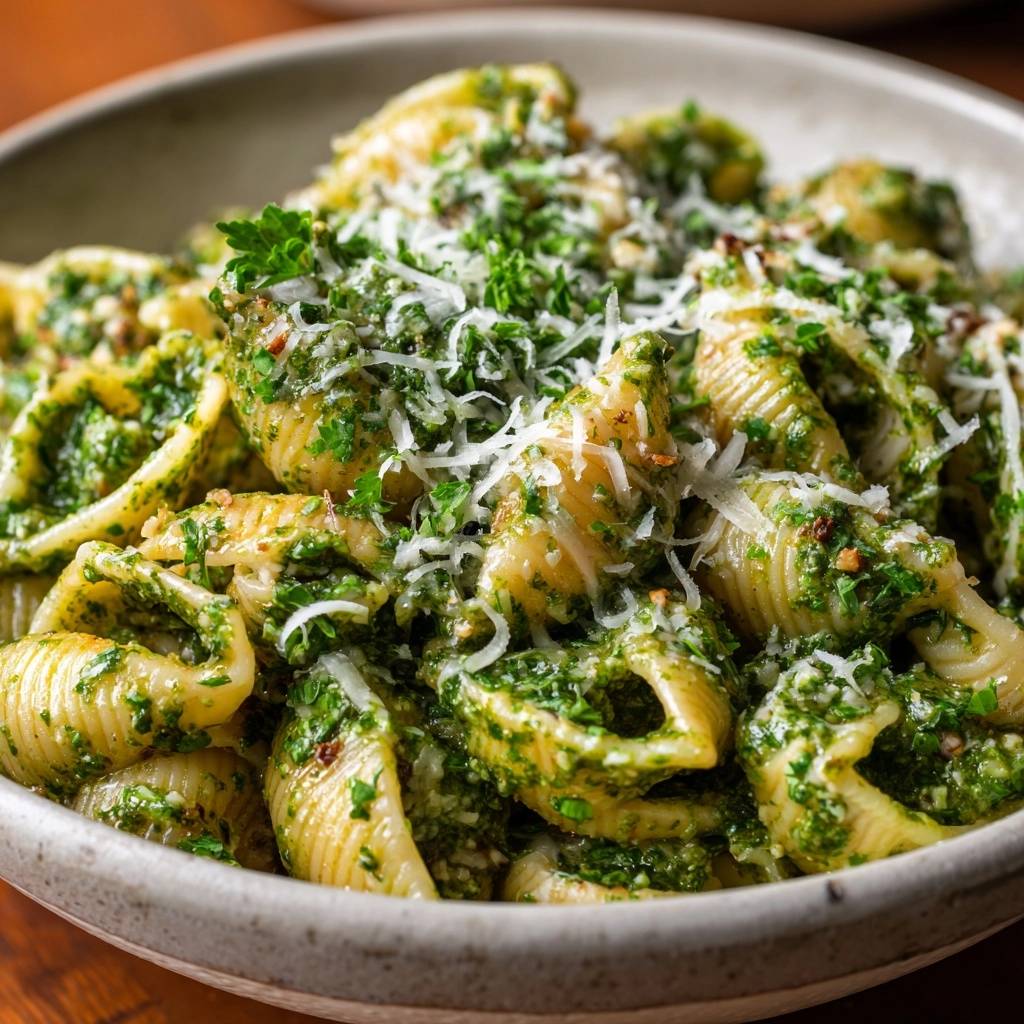
Look for a glossy sheen and sauce that coats without dripping. However, if it’s too thick, add water one tablespoon at a time. The result? Pesto that fills shells completely.
Furthermore, the low heat keeps everything stable. You avoid the oil splitting that ruins lesser versions.
Essential Ingredients for Pesto Parmesan Shells
Fresh Basil: Heart of Vibrant Pesto Flavor
Fresh basil gives that unbeatable aroma and bright green color. Pack 2 cups of leaves tightly, stems removed, for punchy flavor. Dried just can’t match it, so hit your farmers market if you can.
Wash gently and pat dry first. Therefore, no excess water dilutes the pesto. It’s the star that makes shells taste alive.
Parmesan and Olive Oil Balance
Grate your own Parmesan; it melts smoother than pre-shredded thanks to no anti-caking agents. Pair it with 1/2 cup extra-virgin olive oil for fruity richness that emulsifies beautifully.
In addition, season with 1/4 teaspoon each salt and pepper. This balance brightens everything without overpowering the basil. Choose a good EVOO, and you’ll notice the difference in silkiness.
Conchiglie: Best Pasta for Pesto Filling
12 ounces of conchiglie outperform penne or fusilli because their cavities fill easily. Cook to al dente for structure that holds the sauce. Orecchiette works as a sub if needed.
Brands like De Cecco give great texture. Therefore, pick quality for the best trap.
Science of Perfect Pesto Emulsification
Starch Activation in Hot Pasta Water
Boiling pasta releases amylose and amylopectin starches, making water cloudy. Reserve 1 cup of this gold; it creates silkiness when mixed with pesto. The cheese’s acidity helps stabilize it too.
Imagine the water like a natural thickener. Without it, tap water fails, leaving oily separation. Pro tip: the cloudier, the better for emulsification.
Furthermore, this method mimics restaurant tricks for glossy sauces.
Heat and Tossing for Clingy Coating
Over low heat, vigorous tossing with tongs draws sauce into shells. The motion and warmth activate starch adhesion. Stop before it overcooks, around 1-2 minutes.
Avoid high heat, or oil splits. Also, don’t overprocess pesto in the blender; chunky texture grips better. You’ll see sauce vanishing into ridges as you work.
Step-by-Step: Crafting Pesto Parmesan Shells
Boil Shells to Al Dente Perfection
Bring a large pot of salted water to a boil; use 2 tablespoons salt per gallon for flavor. Add 12 ounces conchiglie and cook 10-12 minutes until al dente. Test by biting: firm center, no crunch.
Reserve 1 cup cloudy cooking water, then drain. The starch here is key, so don’t rinse. Hot pasta is crucial for the next step.
Blending Chunky Pesto Base
While pasta boils, pulse 2 cups basil, 1/2 cup olive oil, 1/2 cup grated Parmesan, 1/4 teaspoon salt, and 1/4 teaspoon pepper in a food processor. Go 30 seconds for slightly chunky texture.
Don’t overdo it, or it turns mushy. Scrape sides for evenness. Smell that fresh basil punch? You’re on track.
Safety note: keep the lid secure and processor stable.
Emulsify and Fill Shells on Low Heat
Return hot drained pasta to the warm pot over low heat. Add pesto and 1/4 cup reserved water. Toss vigorously with tongs 1-2 minutes; starch emulsifies it into creamy bliss that sucks into shells.
Add water 1 tablespoon at a time if needed, up to 1/2 cup, for perfect cling. Look for glossy coating and filled cavities. Remove from heat right away to prevent mush.
Oh man, this step’s where the magic happens. Every shell transforms.
Plating with Extra Parmesan Finish
Divide into bowls immediately. Grate fresh Parmesan on top; it melts gently from residual heat. Serve hot for peak creaminess.
Lemon zest adds a bright lift if you like. Simple, stunning.
If you enjoy the bright lift from lemon zest, the same trick works beautifully in this creamy tomato basil rigatoni.
Flavor Variations for Pesto Parmesan Shells
Nut-Free Pesto Parmesan Adaptation
This recipe’s already nut-free, but add sunflower seeds for body if desired. They mimic pine nuts without allergies. Taste stays vibrant, just earthier.
Process them lightly to avoid bitterness. It’s a seamless swap.
Arugula or Spinach Pesto Twists
Swap half the basil for arugula for peppery kick, or spinach for milder green. Adjust oil slightly for balance. Color shifts deeper, flavor more complex.
Blanch greens first if using mature spinach. Emulsification holds perfectly.
Cheese Swaps: Pecorino or Vegan Options
Pecorino brings sharper tang; use equal amount. For vegan, nutritional yeast works, but add extra salt and a splash more water for emulsification.
Grate fresh always. These keep the creamy fill intact.
Avoiding Common Pesto Parmesan Mistakes
Preventing Watery or Separated Sauce
Don’t add too much water at once; drizzle incrementally. Cold pasta won’t emulsify, so use hot only. If it separates, reheat low with a splash of water and toss.
Pro tip: store pesto separately from pasta for make-ahead. Fixes sogginess every time.
Fixing Overcooked or Empty Shells
Cook to true al dente and toss enough. Wrong shapes like spaghetti won’t fill. Check shells mid-toss; sauce should vanish inside.
If empty, more vigorous action next time. Structure matters.
Blender Overprocessing Recovery
If pesto’s too smooth, it slips off. Pulse briefly or chop by hand as backup. Chunky grips ridges best.
Texture preference? Yours, but chunky wins for filling.
Pairing Sides with Pesto Parmesan Shells
Crisp Green Salads for Balance
A simple vinaigrette with romaine cuts the richness. Add cucumber and tomatoes for crunch. Acidity refreshes between creamy bites.
Toss lightly; don’t overpower the pesto.
Garlic Bread or Veggie Roasts
Herbed focaccia soaks up sauce perfectly. Roast zucchini or broccoli with olive oil; their char echoes basil. Simple synergy.
Keep sides light to let shells shine.
Make-Ahead Guide for Pesto Parmesan Shells
Prep and Storage Best Practices
Make pesto up to 3 days ahead; store airtight in fridge. Parboil pasta, shock in cold water, and refrigerate. Re-emulsify by reheating together with water.
This saves time without losing fill. Fresh basil keeps it vibrant.
Freezing and Reheating Without Loss
Freeze pesto in portions; pasta freezes okay but refills best fresh. Thaw pesto overnight, then toss with hot pasta and water. Texture stays al dente-ish.
Avoid full dish freezing; starch changes. Quick revival works great.
Frequently Asked Pesto Parmesan Shells Questions
Can I Use Store-Bought Pesto?
Yes, but emulsify it the same way with hot pasta and starchy water. Fresh homemade beats jarred for vibrancy and no preservatives. Stir vigorously; it clings just as well.
How to Scale for Larger Crowds?
Double ingredients, but use a wider pot to avoid crowding. Reserve more water proportionally, about 1/2 cup per pound pasta. Toss in batches if needed.
Gluten-Free Pesto Parmesan Shells Work?
Absolutely, use brands like Barilla GF conchiglie. Starch emulsifies similarly, though slightly less sticky. Al dente timing shortens to 8-10 minutes.
Why Reserve Pasta Water Exactly?
It carries essential starches that bind oil and cheese into creaminess. Tap water lacks this, causing separation. Cloudy water means more starch, better sauce.
Reheating Leftovers Properly?
Stovetop low heat with a splash of water or fresh pasta water, toss 1 minute. Microwave risks uneven heating and dryness; stovetop revives emulsion best.
How Do I Store Leftovers?
Keep in an airtight container in the fridge up to 3 days. Don’t freeze the full dish; pasta gets mushy from starch breakdown. Re-emulsify when reheating for fresh texture.
Why Are My Shells Still Empty?
Usually not enough tossing or cold pasta. Use hot shells, vigorous tongs 1-2 minutes over low heat. Check mid-toss; sauce should pull into cavities visibly.
Can I Substitute Another Pasta Shape?
Orecchiette or rigatoni work decently, but conchiglie’s cavities fill best. Avoid long noodles; sauce pools. Stick close for perfect packing.
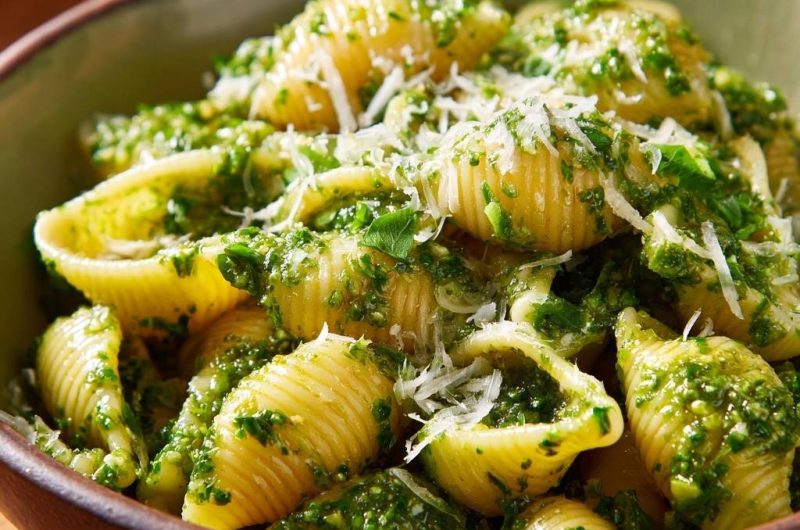
Pesto Parmesan Shells
Course: Main CourseCuisine: ItalianDifficulty: easy4
servings10
minutes12
minutes580
kcal22
MinutesTired of pesto pooling at the bottom leaving your shells flavorless inside? This recipe’s star technique uses hot pasta and starchy cooking water to emulsify the pesto into a creamy coating that gets sucked right into every shell for perfect, packed bites every time.
Ingredients
12 ounces conchiglie (shell pasta)
2 cups packed fresh basil leaves
1/2 cup extra-virgin olive oil
1/2 cup grated Parmesan cheese, plus extra for topping
Salt
Black pepper
Directions
- Bring a large pot of salted water to a boil. Add conchiglie and cook according to package directions until al dente, about 10 to 12 minutes. Reserve 1 cup pasta cooking water, then drain the pasta.
- While pasta cooks, make the pesto: In a food processor or blender, combine basil leaves, olive oil, grated Parmesan, 1/4 teaspoon salt, and 1/4 teaspoon black pepper. Pulse until smooth but slightly chunky, about 30 seconds. Do not overprocess to keep texture.
- Return hot drained pasta to the warm pot over low heat. Add pesto and 1/4 cup reserved pasta water. Toss vigorously with tongs for 1 to 2 minutes. The starch from the water emulsifies the pesto, turning it creamy and clingy; it will naturally draw into the shell ridges and cavities as you toss. Add more pasta water, 1 tablespoon at a time, only if needed for creaminess, up to 1/2 cup total. Remove from heat immediately to avoid overcooking.
- Divide into bowls, top with extra grated Parmesan, and serve hot. Every shell will be filled with vibrant pesto flavor.
Notes
- Reserve pasta water is key to emulsifying the pesto for a creamy texture that fills the shells perfectly. Do not overprocess pesto to maintain texture.