Mastering Creamy Mushroom Fettuccine Without the Watery Mess
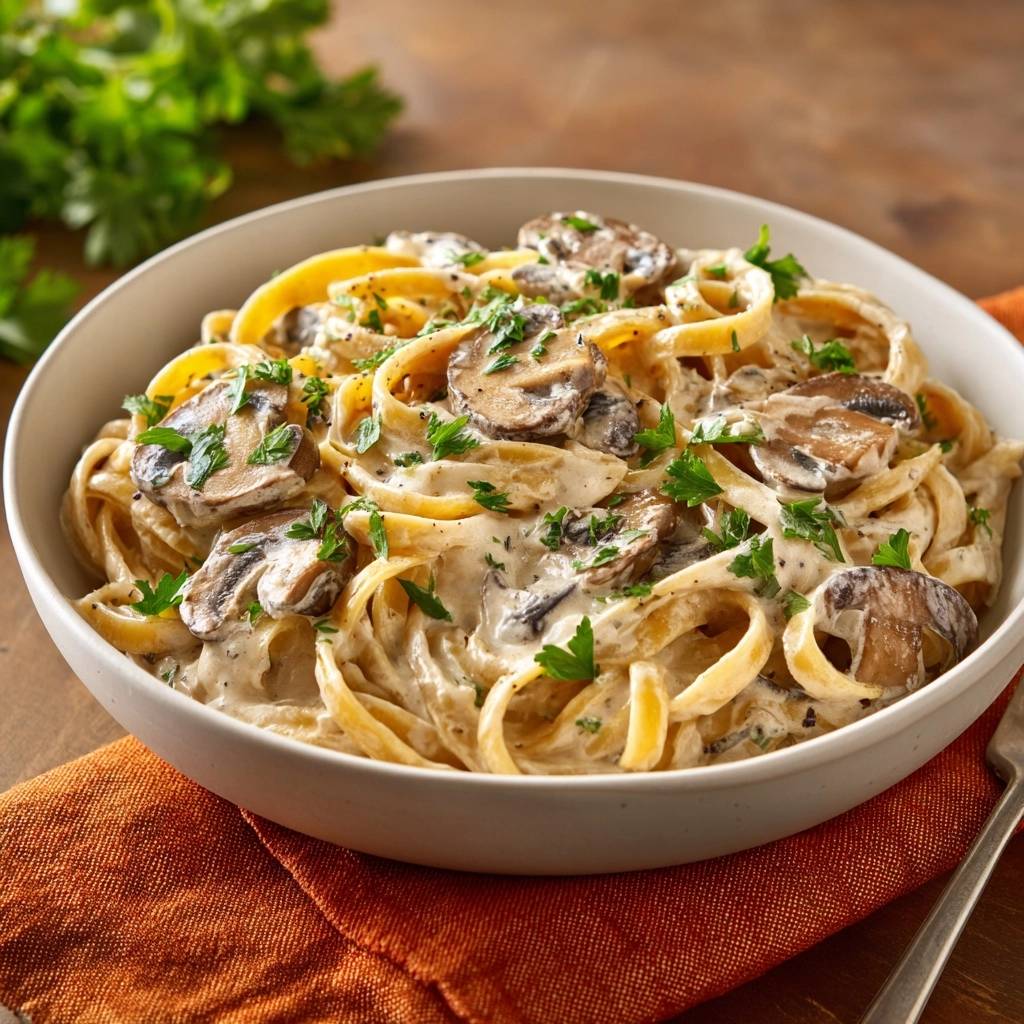
Stop settling for mushroom pasta that ends up in a puddle of liquid at the bottom of your bowl. We’ve all been there: you crave a rich, velvety sauce, but you end up with a thin, grey soup that slides right off the noodles. The secret to a restaurant-quality cream sauce isn’t a fancy ingredient; it’s all in how you handle the mushrooms before the dairy even touches the pan.
Most home cooks make the mistake of salting their mushrooms too early, which draws out moisture and thins your sauce into a watery mess. This recipe utilizes a professional dry-sear technique to ensure a thick, concentrated flavor and a coating that actually clings to every strand of pasta. By mastering the science of moisture evaporation, you’ll create a dish with incredible depth and a texture that stays glossy from the first bite to the last.
The key to this success is patience during the initial sear. You have to let the mushrooms release their liquid and cook it off entirely until they begin to brown in the dry pan. This concentrated “mushroom essence” becomes the foundation of your sauce, providing a meaty texture that stands up to the heavy cream. Once you see those golden edges, you’re on your way to the best pasta of your life.
The Science of the Dry-Sear Mushroom Technique
Mushrooms are biological sponges, consisting of roughly 80% to 90% water. When you toss them into a pan with oil and salt immediately, the salt triggers osmosis, pulling all that water out at once. Instead of browning, your mushrooms end up boiling in their own juices, resulting in a rubbery texture and a diluted sauce base.
By using a dry sear, you bypass the “steaming” phase and head straight for the Maillard reaction. This is the chemical reaction between amino acids and reducing sugars that gives browned food its distinctive, savory flavor. In a dry skillet, the high heat evaporates the surface moisture instantly, allowing the mushroom’s natural sugars to caramelize against the hot metal.
This technique transforms the fungi from soft and bland to “meaty” and intense. Furthermore, because the mushrooms have already shed their excess water, they won’t leak liquid into your cream later. This ensures your sauce maintains its structural integrity and high viscosity, preventing that dreaded separation that happens when water meets fat.
Essential Components for a Velvety Cream Sauce
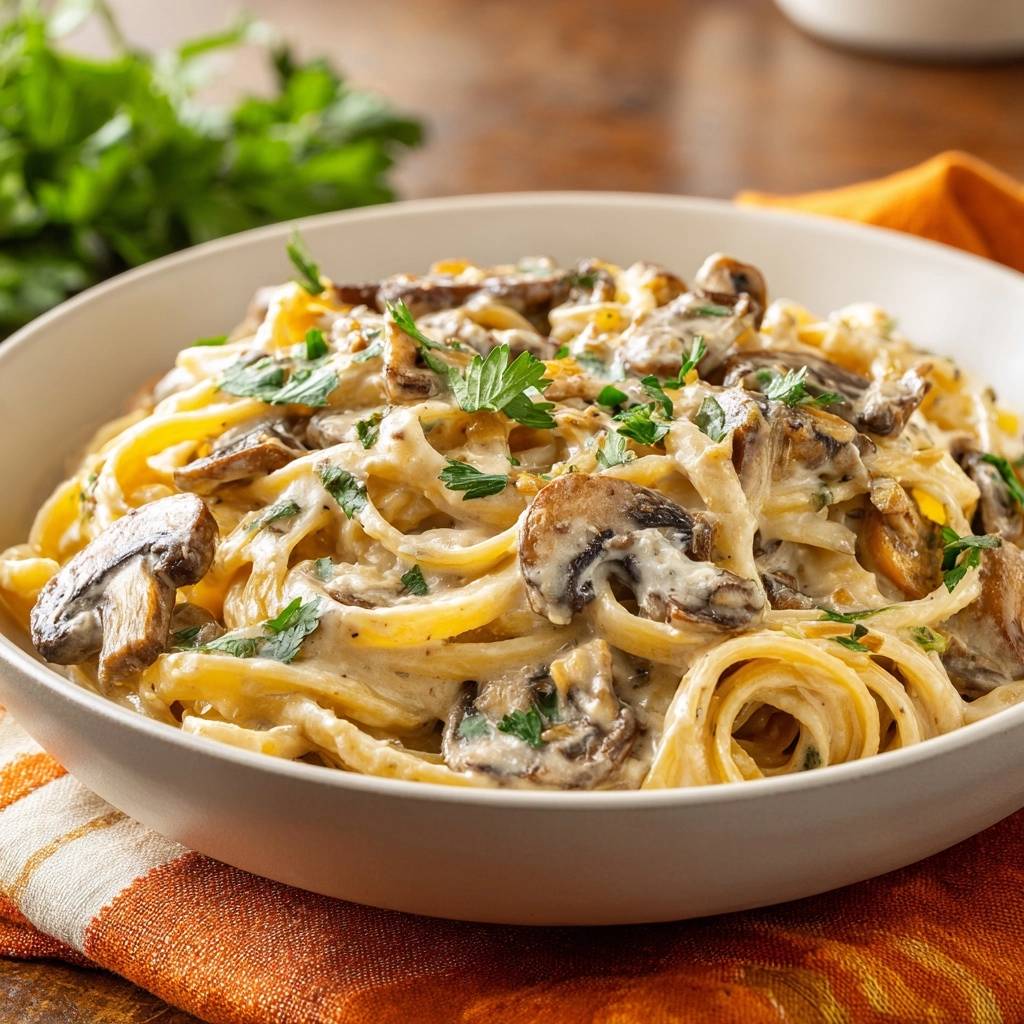
Quality ingredients are the backbone of a simple pasta dish like this. While white button mushrooms are fine in a pinch, I highly recommend Cremini (also known as Baby Bellas). They are essentially young Portobello mushrooms and carry a much deeper, earthier flavor and a firmer texture that holds up beautifully during the searing process.
When it comes to the dairy, heavy cream is your only option for that signature “clinging” effect. Lower-fat options like half-and-half or whole milk lack the fat solids necessary to create a stable emulsion. Without that fat, the sauce will likely break or remain too thin to coat the fettuccine properly.
Finally, let’s talk about the cheese. Please, skip the green shaker bottle or the pre-shredded bags. Pre-shredded cheese is coated in potato starch or cellulose to prevent clumping, which will make your sauce grainy. Grating a fresh block of Parmesan ensures the cheese melts into a perfectly smooth, glossy ribbon of flavor.
Selecting and Prepping Your Fungi
When you get your mushrooms home, don’t ever soak them in water to clean them. Since they are porous, they will soak up that water like a sponge, ruining your chances of a good sear. Instead, use a damp paper towel to wipe away any visible dirt or debris.
For the best mouthfeel, slice your mushrooms to a 1/4 inch thickness. If you slice them too thin, they will shrivel into nothingness during the high-heat sear. If they’re too thick, they won’t develop that concentrated golden crust on the outside while remaining tender on the inside.
The Role of High-Fat Dairy and Emulsifiers
Heavy cream acts as the luxurious vehicle for all the other flavors in this dish. Because it has a high fat content, it can withstand a gentle simmer without curdling, which allows it to reduce and thicken naturally. This reduction is what creates the “nappe” consistency—a French term for a sauce thick enough to coat the back of a spoon.
The Parmesan cheese isn’t just for salt and flavor; it’s a powerful emulsifier. When whisked into the warm cream, the proteins and fats in the cheese bind with the liquid. This creates a stable, thickened sauce that resists separating, especially when combined with the starchy pasta water at the end.
Step-by-Step: Executing the Perfect Creamy Mushroom Fettuccine
Cooking this dish is a three-phase process that requires your full attention. You’ll move from high-heat searing to a gentle reduction, and finally to a vigorous emulsion. Each stage is critical for building the layers of flavor and texture that define a professional-grade pasta.
Phase 1: Achieving the Deep Golden Crust
Start by heating your skillet until it’s quite hot before the mushrooms even touch it. When you add the sliced mushrooms, you should hear a loud sizzle. Spread them out so they aren’t crowded; if you have a small pan, work in two batches to ensure they sear rather than steam.
The most important rule here is to leave them alone. Let them sit undisturbed for at least 3 minutes. You’ll hear the “hiss” of steam escaping, and eventually, that sound will quiet down as the moisture evaporates. Once they are deeply browned on one side, toss them to color the other side until they look like little pieces of seared steak.
Phase 2: Building the Aromatics and Cream Base
Once the mushrooms are browned, drop the heat to medium before adding your butter and oil. This prevents the butter from burning. When the butter begins to foam, toss in your minced garlic. You only want to cook the garlic for about 60 seconds—just until you can smell that incredible aroma.
Pour in the heavy cream and use your wooden spoon to scrape up any browned bits from the bottom of the pan. Those bits are pure flavor. Let the cream come to a very gentle simmer. You’ll see small bubbles around the edges; keep it at this pace for a few minutes until the sauce visibly thickens and looks rich.
This same pan-scraping technique is key to building the rich sauce in this creamy artichoke thyme pasta.
Phase 3: The Marriage of Pasta and Sauce
Don’t drain your pasta into a colander! Use tongs to pull the fettuccine directly from the boiling water into the sauce. This carries over just enough starchy water to help the sauce bind. The friction of tossing the pasta in the pan for a minute or two is what creates that final, perfect emulsion.
If the sauce looks too thick or “tight,” add a splash of that reserved pasta water. It might seem counterintuitive to add water to thicken a sauce, but the starch in that water acts like a glue. It bridges the gap between the fats in the cream and the carbohydrates in the pasta, resulting in a silky, cohesive coating.
Troubleshooting: Fixing Common Texture Issues
If your sauce looks “broken” or oily, it usually means the heat was too high when you added the cheese. To fix this, remove the pan from the heat and whisk in a tablespoon of room-temperature heavy cream or pasta water very quickly. This can often bring the emulsion back together.
If you accidentally burn the garlic, there is no saving it—the bitterness will permeate the entire sauce. It’s better to wipe the pan out and start the butter/garlic phase over than to ruin the whole dish. Always keep a close eye on the pan once the aromatics go in.
Sometimes the pasta absorbs the sauce too quickly, especially if it sits for a few minutes. If the dish looks dry, simply stir in another splash of warm pasta water or a drizzle of cream right before serving. This will “loosen” the fats and restore that glossy, restaurant-style appearance.
Flavor Variations and Ingredient Swaps
While this recipe is a classic, you can easily customize the flavor profile. Adding a teaspoon of fresh thyme or chopped sage during the garlic phase adds a wonderful earthy note that complements the mushrooms perfectly. For a bit of brightness, a squeeze of fresh lemon juice at the very end cuts through the richness of the cream.
If you want to add protein, seared chicken breast or even roasted chickpeas work beautifully. Just make sure to cook the protein separately and toss it in at the very end so it doesn’t interfere with the mushroom searing process. For a bit of heat, a pinch of red pepper flakes added with the garlic provides a nice back-of-the-throat warmth.
What to Serve with Rich Pasta Dishes
Because this fettuccine is incredibly rich and creamy, you want side dishes that offer acidity and crunch. A simple arugula salad with a sharp lemon vinaigrette is the perfect palate cleanser. The peppery bite of the greens cuts right through the heavy dairy and butter.
A side of crusty sourdough or a toasted baguette is also a great choice. You’ll want something to mop up every last drop of that mushroom sauce from your plate. Steamed broccoli or roasted asparagus with a bit of lemon zest also provides a nice textural contrast without being too heavy.
Expert Tips for Reheating and Storage
Cream-based pastas are notorious for separating when reheated. If you have leftovers, store them in an airtight container in the fridge for up to 3 days. I do not recommend freezing this dish, as the cream and cheese will likely grain out and separate upon thawing, leaving you with an unappealing texture.
To reheat, avoid the microwave if possible. Instead, place the pasta in a small skillet over low heat. Add a tablespoon or two of milk or water to help “loosen” the sauce as it warms. Stir constantly and gently until it’s creamy again. This slow process prevents the fats from breaking and keeps the noodles from getting mushy.
Frequently Asked Questions
Why is my mushroom pasta sauce watery?
A watery sauce is usually caused by mushrooms releasing their internal moisture directly into the cream. If you don’t dry-sear the mushrooms first to evaporate that water, it thins out the sauce. Additionally, skipping the pasta water at the end means you miss out on the starch needed to bind the sauce to the noodles.
Can I use milk instead of heavy cream?
I don’t recommend using milk for this specific recipe. Heavy cream has a high fat content (about 36%) which allows it to emulsify with the cheese and starch to create a thick coating. Milk is mostly water and will likely result in a thin, broken sauce that pools at the bottom of the bowl rather than sticking to the pasta.
What are the best mushrooms for fettuccine?
Cremini (Baby Bella) mushrooms are the best all-around choice because they have a lower moisture content and more flavor than white buttons. However, a mix of Shiitake and Oyster mushrooms can add a sophisticated, gourmet flair. Just ensure whatever variety you use is sliced uniformly for even searing.
How do I keep the garlic from burning?
The trick is temperature control. After searing the mushrooms at high heat, you must lower the burner to medium before adding the butter and garlic. Garlic has a high sugar content and very little moisture, so it can turn from fragrant to burnt and bitter in seconds if the pan is too hot.
Should I rinse the pasta after boiling?
Never rinse your pasta for a creamy dish like this. Rinsing washes away the surface starch that is essential for the sauce to “grip” the noodle. You want that starch to help create a creamy emulsion. Simply move the pasta directly from the pot to the skillet for the best results.
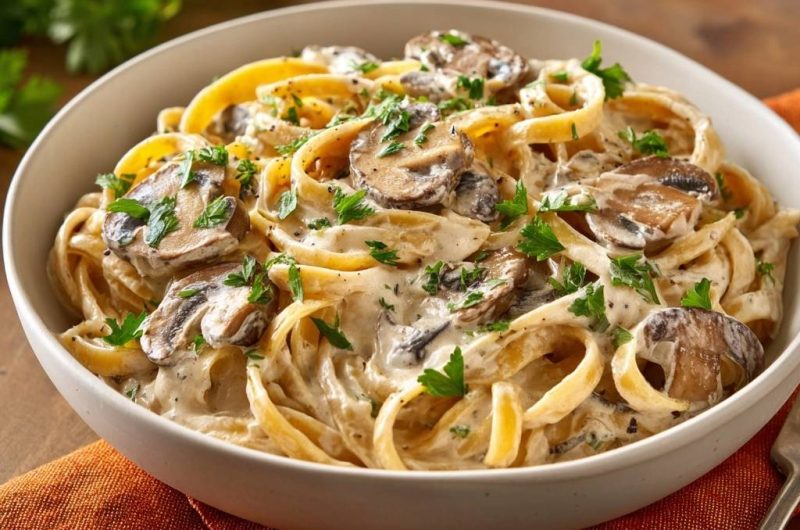
Mushroom Fettuccine
Course: Main CourseCuisine: Italian-AmericanDifficulty: easy4
servings10
minutes20
minutes510
kcal30
MinutesA luxurious pasta dish featuring deeply browned cremini mushrooms and a rich parmesan cream sauce. The key to this recipe is dry-searing the mushrooms to ensure the sauce remains thick and clings perfectly to the fettuccine.
Ingredients
1 pound fettuccine pasta
1 pound cremini (baby bella) mushrooms, sliced 1/4 inch thick
3 tablespoons unsalted butter
1 tablespoon olive oil
4 cloves garlic, minced
1.5 cups heavy cream
1 cup freshly grated parmesan cheese
1/2 teaspoon kosher salt (plus more for pasta water)
1 teaspoon cracked black pepper
1/4 cup fresh Italian parsley, chopped
1/2 cup reserved pasta water
Directions
- Bring a large pot of heavily salted water to a boil. Cook the fettuccine according to package directions until just al dente.
- While the water boils, heat a large skillet over medium-high heat. Add the sliced mushrooms to the dry pan in a single layer (work in batches if necessary). Do not add oil, butter, or salt yet. Sauté them for 5 to 7 minutes, undisturbed at first, until they release their moisture, the liquid evaporates, and they turn deeply golden brown.
- Once the mushrooms are browned and “meaty,” reduce heat to medium. Add the butter and olive oil to the pan. Once the butter foams, add the minced garlic and sauté for 1 minute until fragrant but not burnt.
- Pour in the heavy cream and add the cracked black pepper. Bring to a gentle simmer. Let it reduce for 4 to 5 minutes, stirring occasionally, until the cream thickens enough to coat the back of a spoon.
- Turn the heat to low. Stir in the parmesan cheese and 1/2 teaspoon salt. Whisk constantly until the cheese is fully melted and the sauce is glossy and thick.
- Using tongs, transfer the cooked pasta directly from the water into the skillet. Toss vigorously for 1-2 minutes. The starch from the pasta will emulsify with the cream. If the sauce becomes too thick, add the reserved pasta water one tablespoon at a time until the desired “clinging” consistency is reached.
- Garnish generously with fresh parsley and extra black pepper. Serve immediately while the sauce is at its peak velvety consistency.
Notes
- The secret to the thick sauce is avoiding salt on the mushrooms until they are fully browned and the moisture has evaporated. Always use freshly grated parmesan for the smoothest melting results.