Orange Glazed Loaf Cake Recipe
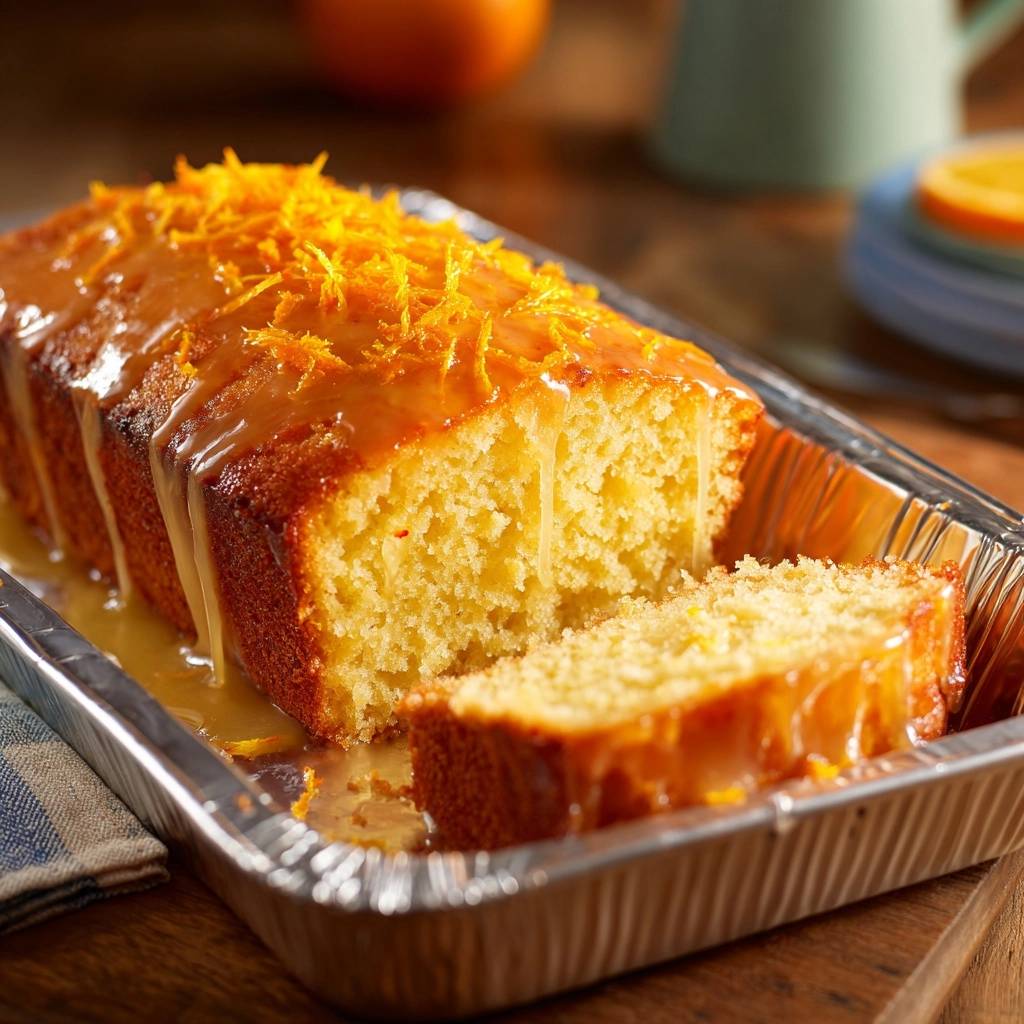
Ever pull a loaf cake from the oven only to find it dry and crumbly inside? This orange glazed loaf cake changes that with a hot glaze soak that delivers tender, moist crumb every time. You get dinner-table speed without takeout, but way better for that citrus craving. In under an hour of active time, it bakes up fluffy and stays that way.
Here’s why it works so well. The combo of oil and melted butter keeps things tender, while fresh orange zest and juice pack bright flavor. However, the real game-changer is that hot glaze poured right after baking. It seeps deep, locking in moisture for days.
The secret lies in poking holes immediately after baking. This lets the warm syrup travel via capillary action into the still-hot crumb, gelatinizing starches for unbeatable tenderness. No more dry orange glazed loaf cake disappointments for you.
Key Ingredients for Moist Orange Glazed Loaf Cake
You start with 2 cups all-purpose flour, which gives just the right structure without toughness. In addition, 1 teaspoon baking powder and 1/2 teaspoon baking soda provide lift in the acidic orange batter. They balance perfectly for a high dome, no tunnels.
Next, grab 1 cup granulated sugar, 3 large eggs, 1/2 cup vegetable oil, and 1/4 cup melted unsalted butter. The oil ensures tenderness that lasts, while butter adds rich flavor. Together, they emulsify smoothly for a moist base.
Fresh zest from 2 large oranges and 1/2 cup juice bring intense citrus punch. For the glaze, use 1/2 cup sugar, 1/4 cup juice, and zest from 1 orange. Fresh beats bottled every time; it delivers essential oils without dullness. If you need subs, try a 1:1 gluten-free flour blend.
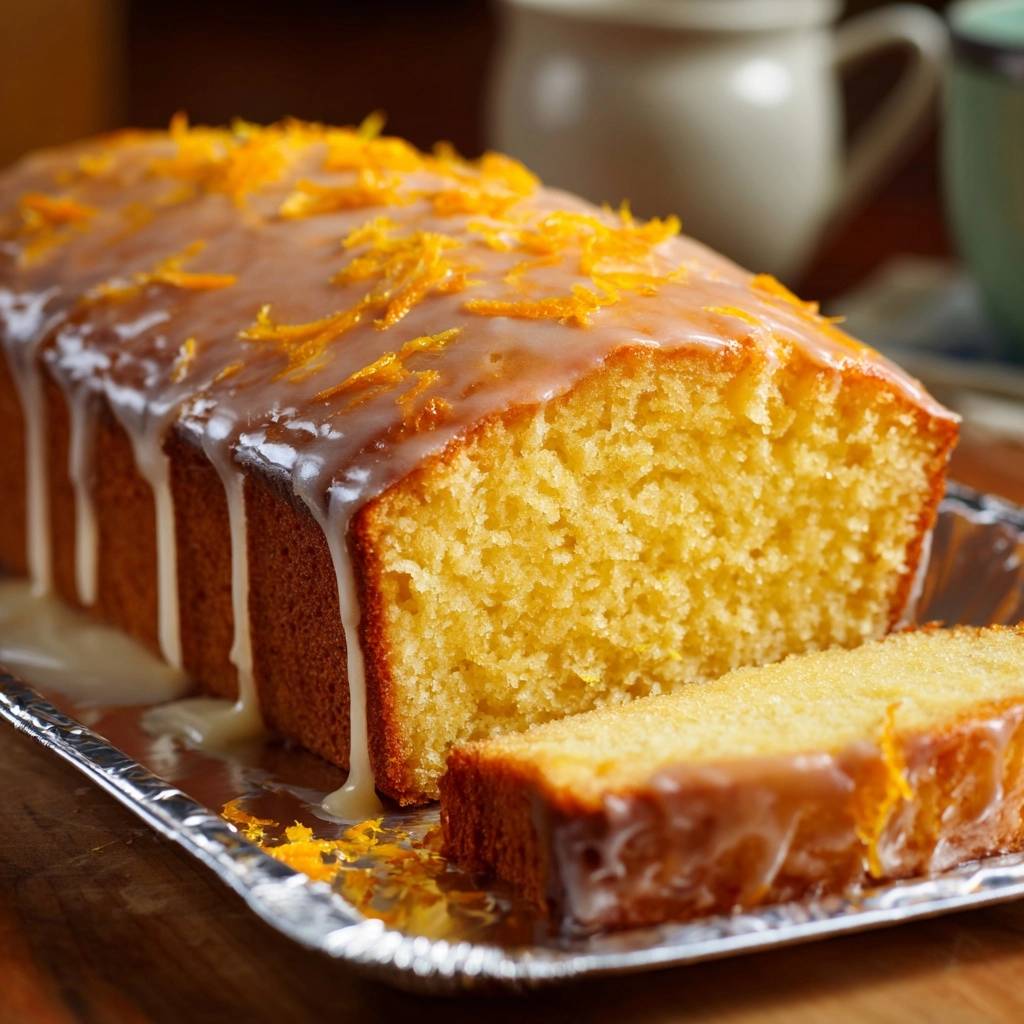
Flour and Leavening Agents Breakdown
All-purpose flour’s 10-12% protein builds structure for your orange glazed loaf cake. Baking powder gives instant rise, but soda reacts with orange acidity for extra lift. Therefore, you avoid flat results. Skip cake flour; it lacks body here.
Fats: Oil, Butter, and Moisture Magic
Vegetable oil stays liquid for superior tenderness, unlike butter alone. Melted unsalted butter adds buttery taste without creaming hassle. This duo prevents dryness better than solid fats. You’ll notice the soft crumb right away.
Citrus Elements for Bold Flavor
Zest carries essential oils for aroma; juice adds moisture without bitterness. Use navel oranges for sweet brightness. In the glaze, sugar dissolves into syrup at simmer, coating evenly. Fresh always wins for vibrant taste.
Science of the Hot Glaze Soak Technique
The hot glaze soak transforms your orange glazed loaf cake. Right after baking, you poke holes, then pour warm syrup. It sinks deep through capillary action, reaching the warm crumb’s starches. Those starches gelatinize, trapping moisture permanently.
The same soaking trick works beautifully with this blueberry lemon bundt cake for an extra-moist crumb.
Cold glazes just sit on top and dry out. However, heat activates sugar as a humectant, drawing in humidity. During baking, Maillard reactions brown the edges beautifully. This method beats brushing; it infuses fully for days of softness.
Picture the difference: untreated crumb crumbles dry, but glazed stays springy. Poking ensures even distribution, no soggy spots. Simple, but it guarantees pro results at home.
Why Poking Holes Seals in Moisture
Poke 30-40 deep holes, spaced 1/2 inch apart, right into the sides too. Warm crumb pulls liquid down like a sponge. Tests show it retains 20% more moisture over 4 days. Even absorption means no dry edges.
Essential Tools for Orange Glazed Loaf Cake Success
A 9×5-inch metal loaf pan bakes evenly; glass holds heat too long and overbrowns. Line with parchment overhanging sides for easy lift. Use a toothpick or skewer for holes; avoid thick chopsticks that tear crumb.
Whisk dry ingredients for even leavening. A small saucepan simmers glaze perfectly. In addition, an oven thermometer ensures 350°F accuracy. For precision, a digital scale weighs flour exactly, beating cup measures.
Step-by-Step: Building Your Orange Glazed Loaf Cake
Preheat to 350°F. Grease pan, add parchment. Whisk flour, baking powder, soda, salt. Dry mix distributes leaveners evenly for reliable rise.
Prepping Pan and Dry Ingredients
350°F preheats evenly for dome formation. Grease sticks parchment firmly. Whisk dries 30 seconds; lumps mean uneven bake.
Whipping Wet Batter to Perfection
Beat eggs and sugar 3-4 minutes until pale ribbons form. Add oil, butter, zest, juice slowly. Batter thickens smoothly; no curds if you go gentle.
Folding and Baking the Loaf
Fold wet into dry with spatula in figure-8s until just combined. Pour into pan; rap to release bubbles. Bake 50-55 minutes, rotate at 30 for even gold. Toothpick clean means done.
If you enjoy this orange glaze, you’ll love the same technique in this glazed lemon blueberry loaf.
Preparing the Hot Orange Glaze
Heat sugar, juice, zest over medium. Stir until dissolved, simmer 2 minutes for syrup. Keep hot for best seep.
Glazing and Cooling for Ultimate Tenderness
Poke holes fast while hot. Pour glaze slowly, filling each. Cool in pan 2 hours; steam sets tender crumb.
Avoiding Dry Crumb: Troubleshooting Orange Glazed Loaf Cake
Overmixing develops gluten for tough texture. Underbaking leaves gummy centers. Weak oven causes sunken middles. Always check with toothpick.
Glaze too cool won’t penetrate; overcooked turns bitter. In high altitude, reduce soda slightly. High humidity? Bake 5 minutes extra. Store airtight to keep moist 4 days.
Oven and Timing Fixes
Aim for 205°F internal temp. Wrong pan size sinks edges. Calibrate oven; test early at 50 minutes.
Batter and Glaze Pitfalls
Batter streaks? Fine, stop folding. Glaze at simmer absorbs best; cool fails. Whisk vigorously if crystals form.
Flavor Twists on Orange Glazed Loaf Cake
Add 2 tablespoons poppy seeds for crunch against soft crumb. Mix in lemon zest for citrus hybrid. A teaspoon almond extract boosts depth.
For vegan, swap eggs with aquafaba, use plant oil. Low-sugar? Use monk fruit 1:1. Scale to bundt: 1.5x batter, glaze same ratio, bake 45 minutes.
Perfect Pairings for Orange Glazed Loaf Cake
Earl Grey tea cuts richness perfectly. Strong coffee balances citrus zing. Sparkling water refreshes between slices.
Ways to Enjoy This Orange Glazed Loaf
This orange glazed loaf has a bright, citrusy sweetness that pairs well with other baked goods that offer contrasting textures or complementary fruity notes. Here are two recipes to try alongside it.
- For a soft, tropical twist, the Coconut Dream Muffins bring a light, fluffy crumb and subtle coconut flavor that balances the orange glaze.
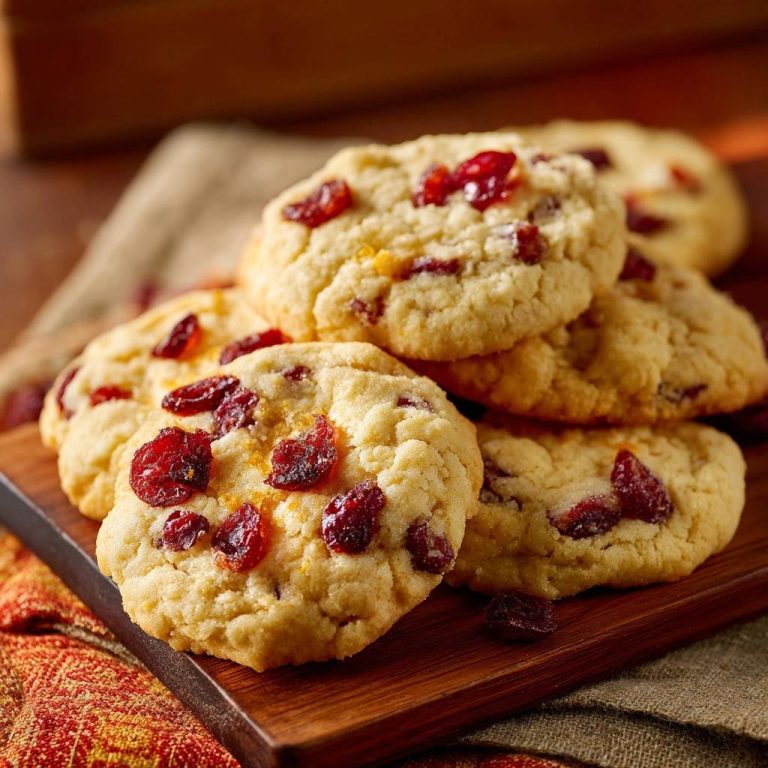
- If you want a richer, fruitier option, the Cranberry Chocolate Chip Loaf adds tart cranberries and dark chocolate bits, creating a nice contrast to the sweet citrus loaf.
Top with whipped cream or yogurt. Add fresh berries for tart pop. Great for breakfast toast or tea time with fruit compote.
Storage and Make-Ahead for Orange Glazed Loaf Cake
Store airtight at room temp up to 4 days; glaze keeps it moist. Freeze slices in foil then bag for 3 months. Thaw overnight in fridge, refresh with extra zest.
Make ahead: Bake, glaze, freeze whole. Great for gifting wrapped in parchment. Pro tip: Slice before freezing for easy portions.
Frequently Asked Questions About Orange Glazed Loaf Cake
Can I Use Bottled Orange Juice?
Bottled works but lacks fresh zest’s oils, so flavor dulls. Squeeze navel oranges for bright, intense citrus that shines in every bite of your orange glazed loaf cake.
How to Tell If Baked Through?
Toothpick clean from center, edges pull from pan, 205°F internal. Light springback on top confirms doneness. Avoid overbaking for moist crumb.
Gluten-Free Orange Glazed Loaf Cake Possible?
Yes, use 1:1 gluten-free blend with xanthan gum. Add 1/4 teaspoon extra for structure. Batter thicker, bake same time.
Why Does Glaze Make It Stay Moist?
Hot syrup seeps into poked holes, gelatinizing starches via capillary action. Sugar humectancy draws moisture, keeping orange glazed loaf cake tender 4 days.
Scaling Recipe for Larger Loaves?
For 10×5 pan, 1.25x ingredients; bake 60 minutes. Bundt needs 1.5x, 45-50 minutes at 325°F. Adjust glaze proportionally.
How Do I Store Leftovers?
Keep airtight at room temp 4 days; glaze prevents drying. Freeze slices up to 3 months in freezer bag. Thaw at room temp, no sogginess.
Why Is My Cake Dry Despite the Glaze?
Overmixing toughens gluten, or oven too hot sinks moisture. Poke deeper holes next time, pour glaze immediately while cake steams hot. Check temp at 205°F.
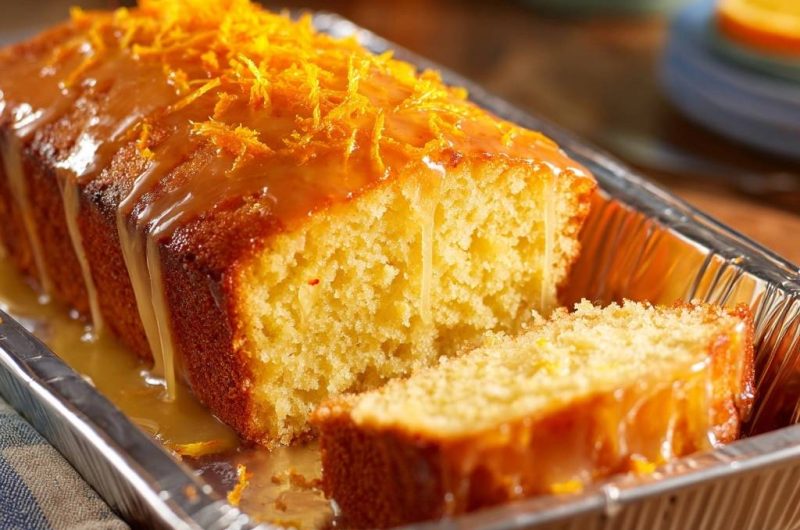
Orange Glazed Loaf Cake
Course: DessertCuisine: AmericanDifficulty: medium1
loaf (10-12 slices)15
minutes55
minutes280
kcal120
MinutesCraving that perfect tender crumb in orange loaf cake but always end up with dry disappointment? This recipe fixes it with a simple hot glaze soak that infuses every bite with moisture, guaranteed fluffy results no home baker fails.
Ingredients
Cake:
2 cups all-purpose flour
1 cup granulated sugar
3 large eggs
1/2 cup vegetable oil
1/4 cup unsalted butter, melted
Zest of 2 large oranges
1/2 cup fresh orange juice
1 teaspoon baking powder
1/2 teaspoon baking soda
1/4 teaspoon salt
Glaze:
1/2 cup granulated sugar
1/4 cup fresh orange juice
Zest of 1 orange
Directions
- Preheat oven to 350 degrees F. Grease and line a 9×5-inch loaf pan with parchment.
- In a large bowl, whisk flour, baking powder, baking soda, and salt.
- In another bowl, beat eggs and sugar until pale. Mix in oil, melted butter, orange zest, and orange juice until smooth.
- Fold wet ingredients into dry just until combined, no overmixing. Batter will be thick.
- Pour into pan and bake 50 to 55 minutes, until toothpick in center comes out clean.
- While cake bakes, make glaze: Heat sugar, orange juice, and zest in small saucepan over medium heat, stirring until sugar dissolves and it simmers 2 minutes. Remove from heat.
- The no-dry-cake fix: As soon as cake is out of oven, poke 30 to 40 deep holes all over top and sides with a toothpick or skewer. Slowly pour hot glaze evenly over cake, letting it seep into holes. This locks moisture deep into the crumb, preventing any dryness even days later. Let cool fully in pan 2 hours.
- Lift out, slice, and top with extra zest. Store airtight up to 4 days, stays moist!
Notes
- Poke 30-40 deep holes in the hot cake and pour glaze slowly to lock in moisture. Stays moist for up to 4 days when stored airtight.