Powdered Sugar Fruit Bread: No-Sinking Fruits Mastery
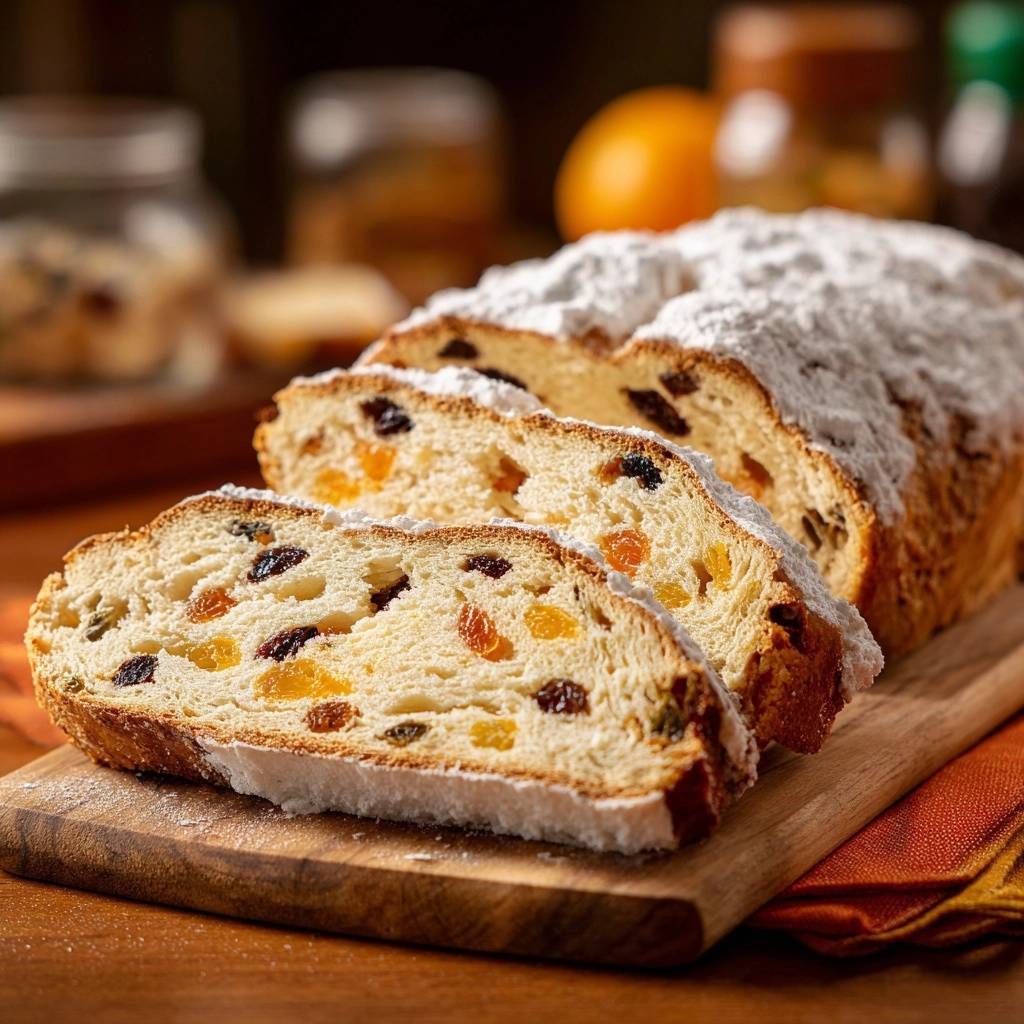
Tired of slicing into fruit bread only to find all the fruits piled at the bottom? You’ve got a dense, uneven loaf that looks more like a brick than a treat. This powdered sugar fruit bread recipe changes everything with one clever flour-coating trick that keeps raisins and apricots suspended perfectly throughout every fluffy bite.
If you enjoy baking with berries, you’ll love this gooey blueberry jam sugar balls recipe for another sweet fruit treat.
Therefore, you end up with tender crumb, even fruit distribution, and that snowy powdered sugar dusting that makes it irresistible. It’s the powdered sugar fruit bread you’ve craved but never nailed before. Plus, the subtle orange zest brightens the whole thing without overpowering.
The secret lies in tossing the fruits in that extra quarter cup of flour. It creates a dry barrier that matches the dough’s density, so nothing sinks during the double rise or bake. You’ll see the difference right away in those picture-perfect slices.
Why Powdered Sugar Fruit Bread Transforms Baking
This enriched dough bread delivers suspended fruits locked in place, topped with a melt-in-your-mouth powdered sugar finish. Unlike those heavy quick breads where fruits crash to the bottom, this powdered sugar fruit bread stays light and balanced. In addition, the cultural love for fruit-studded loaves shines through with chewy raisins, tangy apricots, and zesty orange notes.
However, the powdered sugar elevates it straight to dessert status. You get richness from butter and egg, but the fruits keep it from feeling too sweet. It’s that fruit loaf with powdered sugar that turns simple baking into something special.
Oh man, the first slice reveals fruits dotted evenly, crumb so soft it almost melts. That’s why this powdered sugar fruit bread recipe deserves a spot in your rotation.
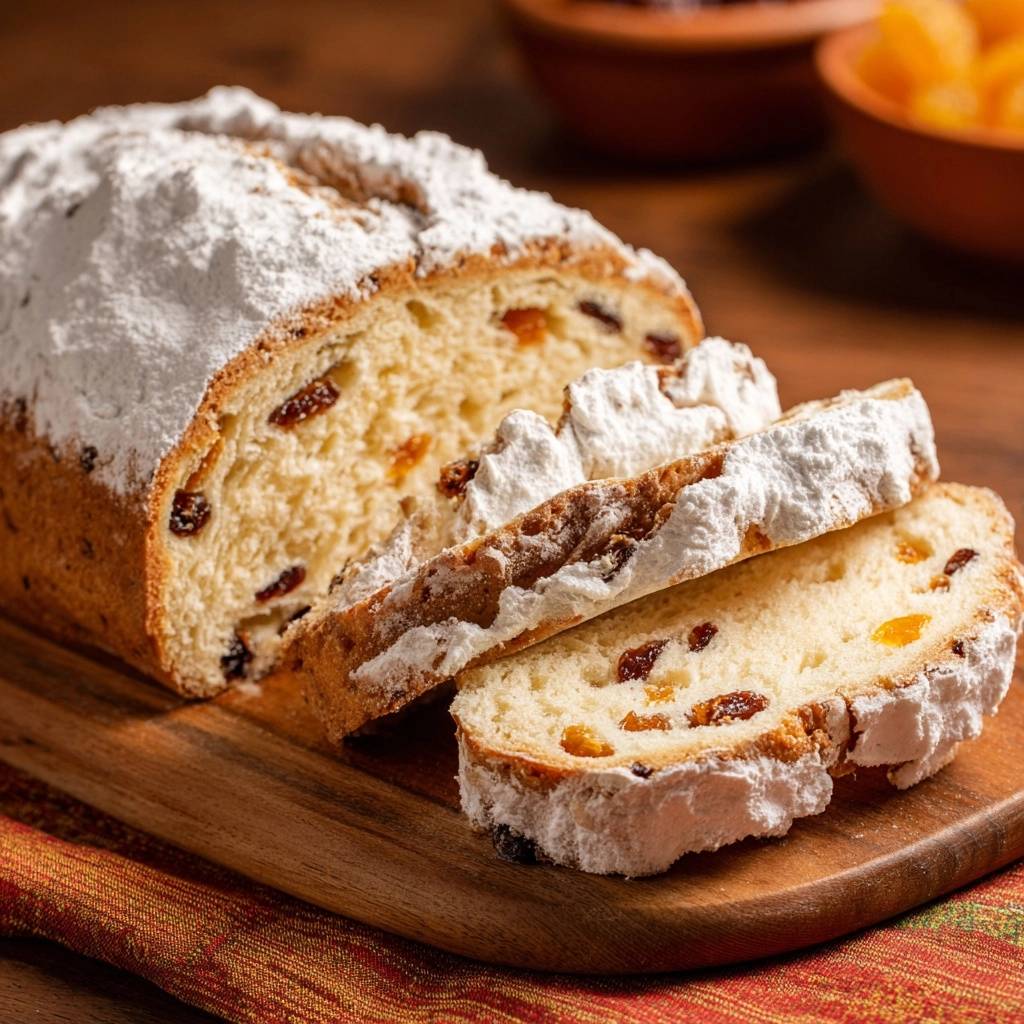
Perfect Texture from Fluffy Crumb to Crispy Crust
The elastic dough builds tenderness through proper kneading and yeast rise. Therefore, you avoid gumminess that plagues underbaked loaves. Yeast activation gives that reliable lift quick breads can’t match.
Bake at 350F for a golden crust that cracks just right under your fork. In addition, the enriched formula with butter ensures a moist interior. You’ll love how it holds together yet stays fluffy.
Key Ingredients for Flawless Powdered Sugar Fruit Bread
Start with 3 cups all-purpose flour, divided for dough and fruit coating in this powdered sugar fruit bread. Warm milk at 100-110F wakes the yeast perfectly, while softened butter adds that rich, tender crumb. The egg binds everything, and vanilla brings subtle warmth.
Don’t skip the orange zest; its oils cut through the sweetness for brightness. Raisins and chopped dried apricots provide chew and tang. Finally, powdered sugar dusts on for that snowy, sweet finish.
Pro tip: Grate zest fresh so you capture all the oils. If milk’s too hot, it kills the yeast, so use a thermometer.
Flour Division: The Anti-Sinking Foundation
Use 2 3/4 cups for the dough base and save 1/4 cup to coat fruits. This starch barrier absorbs excess moisture, preventing sinking. Coated fruits look matte and dry, unlike sticky uncoated ones.
In addition, it matches the dough’s hydration for even suspension. That’s the foundation of perfect powdered sugar fruit bread.
Yeast, Milk, and Sugar Activation Breakdown
Stir one packet active dry yeast into 1/2 cup warm milk with a tablespoon sugar. Wait 5 minutes for foam; if not, your yeast’s dead or milk’s too hot. Sugar feeds it for a strong rise.
Keep milk at 100-110F. Therefore, you get bubbly proof every time.
Dried Fruits and Zest for Balanced Sweetness
Half cup raisins offer chew, while chopped dried apricots add tang. Toss both with zest from one orange for citrus pop. Chop apricots small so they distribute evenly.
Buy plump dried fruits; they rehydrate nicely in the dough. This balance keeps your powdered sugar fruit bread from tasting one-note.
Science of Suspended Fruits in Powdered Sugar Fruit Bread
The flour coating on fruits absorbs their moisture, creating a density match with the dough. During rises and bake, buoyancy keeps them afloat instead of sinking. It’s simple physics: dry-coated fruits won’t migrate down.
Picture the fruits as little buoys in wet dough; the coating prevents hydration pull. Therefore, every slice of powdered sugar fruit bread shows even distribution. No more fruitless top layers.
In addition, this works because enriched doughs have higher hydration, but the barrier controls it. You’ll taste the difference in balanced flavor and texture.
Hydration Balance During Dough Rise
Coated fruits release moisture slowly, avoiding soggy wet spots. Enriched doughs run 65-70% hydration, higher than lean ones, so coating’s crucial. Therefore, rises stay even and fluff up right.
Baking Dynamics for Uniform Fruit Placement
At 350F, oven spring lifts the loaf uniformly, locking fruits in. Heat transfers evenly for golden crust. Check internal temp at 190-200F for doneness; it pulls from pan sides cleanly.
Essential Tools for Powdered Sugar Fruit Bread Success
Grab a 9×5-inch loaf pan for perfect shape and steam buildup. Knead by hand or stand mixer hook; either builds gluten fine. An instant-read thermometer checks milk temp and loaf doneness.
However, a cooling rack’s non-negotiable; it prevents a soggy bottom. Use a silicone brush for greasing to avoid sticking. No fancy gear needed, just basics you likely own.
Pro tip: Metal pans bake faster than glass, so adjust time if using glass.
Loaf Pan Dimensions and Material Choices
A 9×5 pan keeps the loaf tall, not squat. Metal conducts heat fast for crisp base; glass slower but even. Grease well with butter for easy release.
Mastering the Dough: Step-by-Step Powdered Sugar Fruit Bread
Follow these phases for foolproof results. Activate yeast first, mix dough smooth, rise once, fold in coated fruits gently, shape for second rise, bake golden, cool fully, then dust. Sensory cues guide you every step.
Yeast Activation and Initial Dough Mix
Mix yeast into warm milk with sugar; foam in 5 minutes smells yeasty. In a large bowl, combine 2 3/4 cups flour, rest of sugar, salt. Add yeast mix, butter, egg, vanilla; stir till shaggy. No lumps here sets you up right.
Kneading to Windowpane Stage
Knead 8 minutes till smooth and elastic; add flour if sticky. Stretch a piece thin for windowpane test; it glows translucent without tearing. Hands tire you out, but mixer speeds it.
Folding Coated Fruits Without Deflating
Gently fold in flour-tossed fruits with letter folds. Stop when evenly dotted; overmix deflates air. You want visible fruit specks without tears.
Shaping, Proofing, and Precise Baking
Shape loaf with surface tension for oven spring. Proof till finger-poke springs back slowly. Bake 40-45 minutes at 350F; tent if tops brown fast. Cool fully so crumb sets before slicing.
Avoiding Pitfalls in Powdered Sugar Fruit Bread
Hot milk kills yeast, underkneading makes dense loaves, uncoated fruits sink, rushed rises flop, warm slicing turns gummy. Coat fruits thoroughly, measure flour by spooning, proof fully. Therefore, you bake winners every time.
In addition, check oven temp; too low leaves raw centers. Patience on cooling prevents tears.
Troubleshooting Dense or Gummy Loaves
Dead yeast or underkneading starves gluten. Spoon flour into cup, don’t scoop, for accuracy. Calibrate oven; gummy means underbaked. Internal 190F fixes it.
Fruit Distribution Fixes
Coat fruits completely dry; pat off excess. Fold into cool risen dough, proof fully. Short rises let them sink before setting.
Flavor Twists on Powdered Sugar Fruit Bread
Swap raisins for cranberries or blueberries; they hold up with coating. Try lemon or lime zest for tart twist. Add chopped almonds or walnuts for crunch, but coat them too.
In addition, a pinch of cinnamon or nutmeg warms it up. For whole wheat, sub half the flour and add extra milk. Keep the no-sink trick for all variations.
Pro tip: A simple glaze of powdered sugar and orange juice drips nicely over the dust.
Citrus and Nut Swaps for Variety
Lemon zest with cranberries cuts sweet for bright bites. Lime and apricots go tropical. Almonds with orange pair classic; walnuts add earthiness with raisins. Each keeps fruits suspended perfectly.
Storage and Make-Ahead for Powdered Sugar Fruit Bread
Store at room temp in airtight container up to 3 days. For humid spots, fridge it but warm slices to revive softness. Freeze slices up to 2 months; thaw and dust fresh powdered sugar.
Double the batch easily; it scales perfect. Revive day-olds in a 300F oven for 5 minutes, crisp crust returns.
Pairing Ideas for Powdered Sugar Fruit Bread
Breakfast shines with yogurt and fresh berries on side. Pair with hot coffee or tea for afternoon snack. In addition, nut butter smeared on slices adds protein punch.
For cheese boards, contrast the sweet fruits with sharp cheddar. Seasonal fall menus love it with apple slices.
Powdered Sugar Fruit Bread FAQ
Can I Use Fresh Fruits Instead?
No, fresh fruits release too much moisture and sink despite coating. Stick to dried for suspension and texture. If craving fresh, add them to slices post-bake.
Why Does My Yeast Not Foam?
Milk over 110F kills it, or yeast’s expired. Test new packet, warm milk to 100-110F exactly. Stir gently; foam smells bready in 5-10 minutes.
How to Tell When Fully Baked?
Tap bottom for hollow thud, internal temp hits 190-200F. Loaf shrinks from pan sides. Cool fully; if gummy, you underbaked next time.
Gluten-Free Powdered Sugar Fruit Bread Possible?
Yes, use 1:1 gluten-free flour blend with xanthan gum. Coat fruits same way; dough may need extra 2 tablespoons milk. Knead less to avoid toughness.
Scaling for Smaller Loaves?
Half the recipe fits 8×4 pan; bake 30-35 minutes. Watch rises closely, same tricks apply. Perfect for gifting mini loaves.
Why Do Fruits Still Sink Sometimes?
Incomplete coating or overfolding releases air, dropping density match. Pat fruits very dry post-coat, fold minimally with 3-4 turns only. Full rises set them firm.
Can I Make This Vegan?
Swap egg for flax egg (1 tbsp flax + 3 tbsp water), use plant milk and vegan butter. Yeast works same; taste won’t change much. Coat fruits as directed.
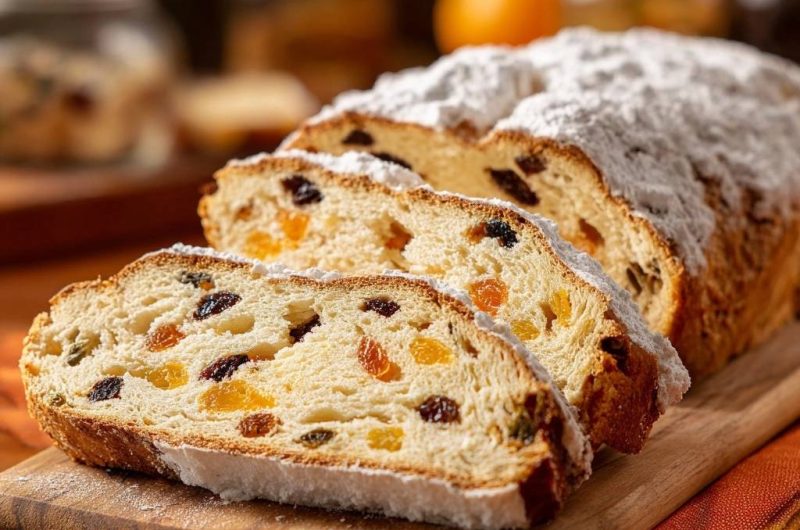
Fruit Bread
Course: DessertCuisine: AmericanDifficulty: medium1
loaf (about 12 slices)30
minutes45
minutes250
kcal120
MinutesTired of fruits plummeting to the bottom of your fruit bread? This recipe fixes it with one simple flour-coating trick that locks fruits in place for perfect distribution and fluffy crumb every time.
Ingredients
3 cups all-purpose flour, divided
1 packet active dry yeast
1/2 cup warm milk
1/4 cup granulated sugar
1/4 cup softened butter
1 egg
1 teaspoon vanilla extract
1/2 teaspoon salt
1/2 cup raisins
1/2 cup chopped dried apricots
Zest of 1 orange
1/4 cup powdered sugar, for dusting
Directions
- Activate yeast: Stir yeast into warm milk with 1 tablespoon sugar. Let sit 5 minutes until foamy.
- Make dough: In a large bowl, mix 2 3/4 cups flour, remaining sugar, and salt. Add yeast mixture, butter, egg, and vanilla. Knead 8 minutes until smooth and elastic, adding flour if sticky. Cover and let rise in a warm spot 1 hour until doubled.
- Prep fruits (the no-sinking secret): Toss raisins, apricots, and orange zest in remaining 1/4 cup flour until fully coated. This creates a barrier that prevents fruits from sinking during rising and baking, ensuring even distribution throughout the loaf. Gently fold coated fruits into risen dough, avoiding overmixing to preserve fluffiness.
- Shape and rise: Form dough into a loaf and place in a greased 9×5-inch pan. Cover and rise 1 hour until nearly doubled.
- Bake: Preheat oven to 350F. Bake 40 to 45 minutes until golden and hollow-sounding when tapped. Cool completely on a rack.
- Finish: Dust generously with powdered sugar. Slice to reveal perfectly suspended fruits in every moist, tender bite.
Notes
- The key to no-sinking fruits is coating them in flour before folding into the dough. Avoid overmixing to keep the crumb fluffy. Cool completely before dusting with powdered sugar.