Sunny Orange Bundt Cake: Your New Go-To Moist Dessert
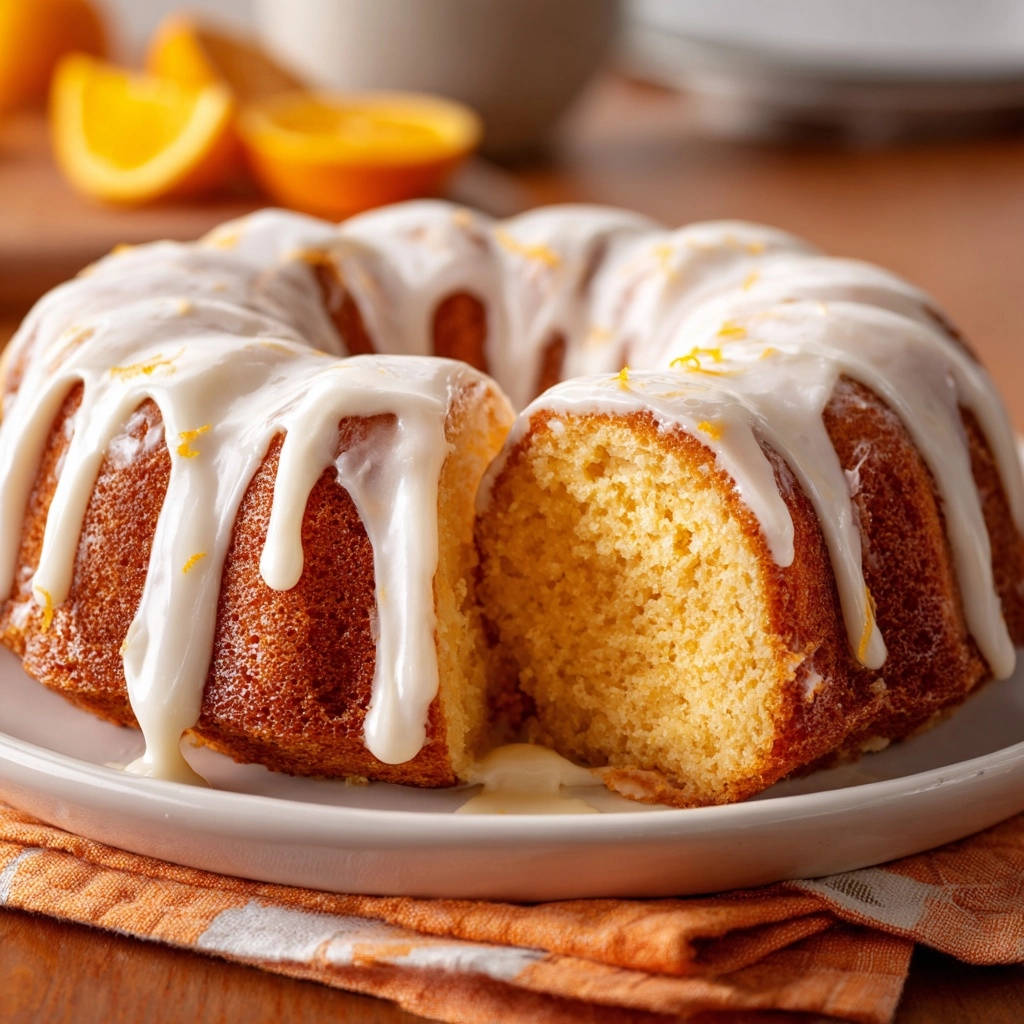
There’s nothing quite like the comforting aroma of a freshly baked cake filling your kitchen, but finding a truly moist bundt cake recipe can feel like searching for a hidden treasure.
I’ve refined this Sunny Orange Bundt Cake recipe to guarantee an incredibly tender crumb that stays moist for days, perfectly capturing the essence of bright, zesty citrus in every bite.
It’s the reliable, show-stopping dessert you’ll turn to again and again, whether for a special occasion or simply a sunny afternoon treat.
Why This Sunny Orange Bundt Cake is Your New Favorite
The Secret to Unbeatable Moistness: A Baker’s ‘Never Dry’ Promise
This recipe combats dryness with a few key strategies, ensuring your cake is consistently tender and delicious.
The use of buttermilk and precise mixing techniques, like alternating dry and wet ingredients, creates a delicate structure that locks in moisture.
By preventing overmixing, we minimize gluten development, which is often the culprit behind a tough or dry cake.
Bright, Zesty Citrus Burst in Every Slice
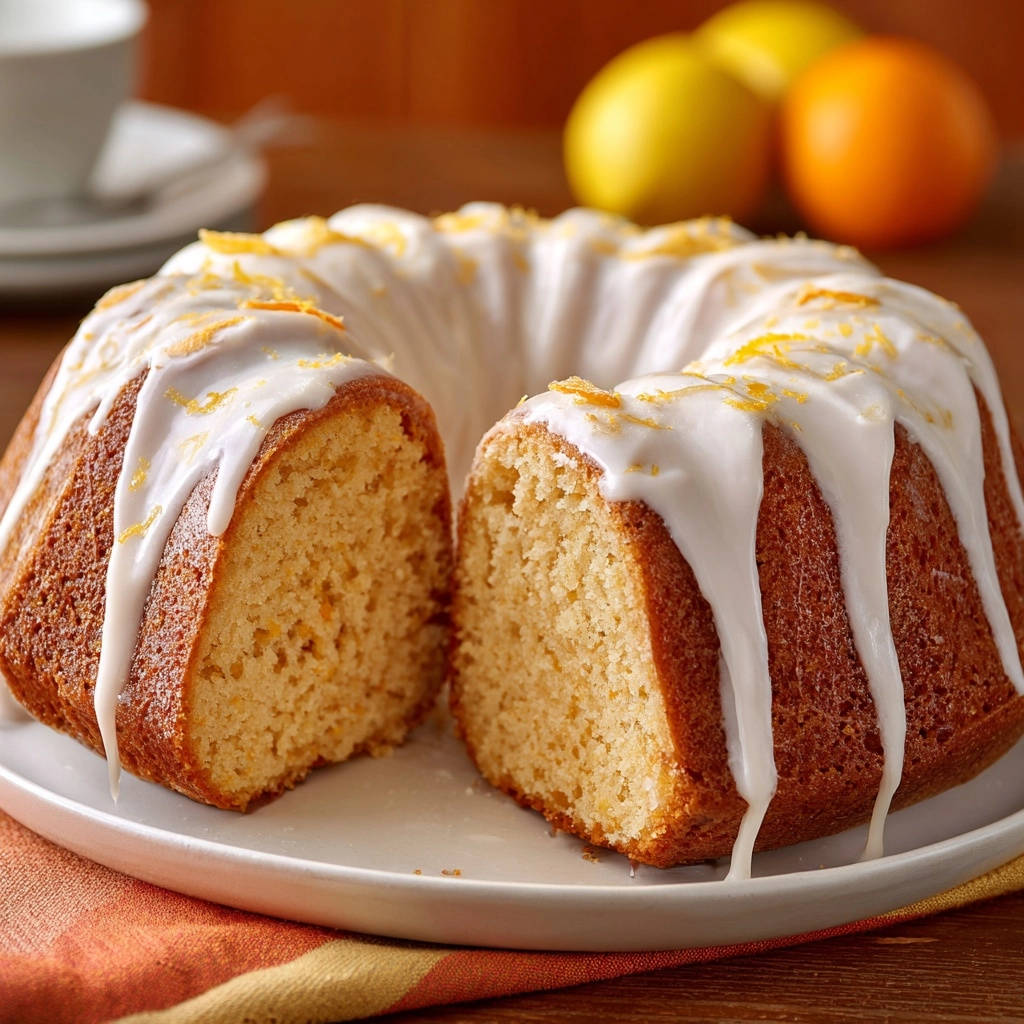
Fresh orange juice and finely grated orange zest are infused throughout both the cake and its vibrant glaze.
This dual application amplifies the natural citrus flavor, delivering a truly refreshing and sunny taste experience.
It’s a bright counterpoint to the cake’s sweetness, making each bite feel light and invigorating.
If you love the orange zest in this cake, try the same bright touch with a glazed blueberry lemon bundt cake.
Simplicity Meets Showstopper: An Effortless Elegant Dessert
A bundt cake effortlessly elevates any dessert table with its beautiful, intricate shape.
Despite its impressive appearance, the preparation for this Sunny Orange Bundt Cake is straightforward, making it accessible for bakers of all skill levels.
It’s the perfect choice when you want to impress with minimal fuss.
Gathering Your Ingredients for a Citrusy Delight
For the Perfectly Moist Cake Batter
All-purpose flour: Provides the essential structure for your cake.
Granulated sugar: Sweetens the cake and helps retain moisture, contributing to a tender crumb.
Baking powder: Acts as the primary leavening agent, giving the cake its beautiful rise.
Salt: Balances the sweetness and enhances all the other flavors in the cake.
Unsalted butter, softened: Adds rich flavor and creates a light, airy texture when creamed.
Large eggs, room temperature: Crucial for emulsifying the batter, resulting in a smooth, unified mixture and tender cake.
Buttermilk, room temperature: The star ingredient for moisture and tenderness, its acidity also reacts with the baking powder for a better rise.
Fresh orange juice: Infuses the cake with vibrant, natural orange flavor.
Orange zest: Contains concentrated essential oils for an intense, aromatic citrus punch.
Vanilla extract: A classic enhancer that rounds out the cake’s sweet and fruity notes.
Crafting the Zesty Orange Glaze
Powdered sugar: Forms the sweet base and gives the glaze its smooth, pourable consistency.
Fresh orange juice: Thins the glaze and provides a bright, tangy counterpoint to the sugar.
Orange zest: Adds another layer of fresh citrus aroma and visual appeal to the finished glaze.
Essential Tools for Bundt Cake Baking Success
Key Equipment for a Flawless Bake
Bundt Pan (10-12 cup): This specialized pan is crucial for achieving the cake’s iconic, elegant shape. A good quality non-stick pan with a detailed design will make unmolding much easier.
Electric Mixer (Stand or Hand-held): Essential for creaming butter and sugar until light and fluffy, and for efficiently incorporating eggs into the batter.
Mixing Bowls: You’ll need at least one large bowl for the batter and a medium one for dry ingredients, plus a small bowl for wet ingredients.
Measuring Cups and Spoons: Accuracy is key in baking, so precise measurements are vital for consistent results.
Whisk: Used for combining dry ingredients and preparing the glaze until perfectly smooth.
Rubber Spatula: Ideal for scraping down the sides of the bowl, gently folding in zest, and transferring batter.
Wire Rack: Necessary for cooling the cake evenly after baking, allowing air circulation on all sides.
Wooden Skewer or Toothpick: Your reliable tool for testing the cake’s doneness without disturbing its structure.
Your Step-by-Step Journey to a Flawless Sunny Orange Bundt Cake
Preparing Your Pan and Oven for Perfection
First, preheat your oven to a steady 325 degrees Fahrenheit. This ensures the cake bakes evenly from the moment it enters the oven.
Generously grease and flour your 10 or 12-cup bundt pan. Use a pastry brush or baking spray with flour to ensure every nook and cranny is coated; this is critical for preventing your beautiful Sunny Orange Bundt Cake from sticking.
The Dry & Wet Foundations: Building Flavor
In a medium bowl, whisk together the all-purpose flour, granulated sugar, baking powder, and salt. Set these dry ingredients aside.
In a large mixing bowl, using an electric mixer, cream the softened butter until it’s wonderfully light and fluffy, about 2 minutes.
Gradually add the granulated sugar to the butter, beating until the mixture becomes pale and airy, incorporating plenty of air for a tender crumb.
Add the large eggs one at a time, beating thoroughly after each addition. Make sure to scrape down the sides of the bowl, ensuring each egg is fully incorporated before adding the next, which is key for a stable, emulsified batter.
In a separate small bowl, whisk together the room temperature buttermilk, fresh orange juice, and vanilla extract.
The Moisture Method: Alternating Ingredients for Tender Results
With the mixer on low speed, gradually add the dry ingredient mixture to the wet mixture, alternating with the buttermilk and orange juice mixture.
Begin and end with the dry ingredients (e.g., dry, wet, dry, wet, dry). This method helps the batter emulsify properly and prevents a tough cake.
Mix just until combined after each addition; do not overmix, as overmixing develops gluten and leads to a dry cake.
Finally, gently fold in the orange zest, distributing its bright flavor throughout the batter without overworking it.
Baking to Golden Perfection and Doneness
Pour the batter evenly into your meticulously prepared bundt pan. Gently tap the pan on the counter a few times to release any trapped air bubbles, promoting an even bake.
Bake for 50 to 65 minutes at 325 degrees Fahrenheit, or until a wooden skewer or toothpick inserted into the thickest part of the cake comes out clean or with only a few moist crumbs attached.
Remove the cake promptly from the oven once done; do not overbake, as this is a very common cause of a dry bundt cake.
Cooling and Inverting Like a Pro
Allow the cake to cool in the bundt pan on a wire rack for 10 to 15 minutes. This allows the cake to set fully and pull away slightly from the pan edges.
Then, carefully invert the cake onto the wire rack. Let it cool completely before glazing to prevent the glaze from melting off.
Whipping Up the Zesty Glaze
While your Sunny Orange Bundt Cake cools, prepare the glorious glaze.
In a medium bowl, simply whisk together the powdered sugar, fresh orange juice, and orange zest until you achieve a smooth, pourable consistency.
The Finishing Touch: Glazing Your Masterpiece
Once the cake is completely cool to the touch, drizzle the vibrant orange glaze generously over the top.
Allow the glaze to naturally drip down the beautiful fluted sides, creating an elegant and delicious finish.
Baker’s Best Kept Secrets: Mastering Your Bundt Cake
The Magic of Room Temperature Ingredients
Using room temperature butter, eggs, and buttermilk is a game-changer for your Sunny Orange Bundt Cake.
These ingredients emulsify much better, creating a smoother, more uniform batter that bakes evenly and results in a superior tender crumb.
Plan ahead by setting them out at least 30-60 minutes before you start baking.
Don’t Overmix! Why It Matters for a Tender Crumb
Overmixing develops gluten in the flour, leading to a tough, dry, and dense cake rather than a moist and tender one.
Once you add the dry ingredients to the wet, mix only until they are just combined, and no streaks of flour remain.
A gentle hand here makes all the difference in achieving that melt-in-your-mouth texture.
Perfect Pan Preparation for a Clean Release
Thoroughly greasing and flouring your bundt pan is the most crucial step for a clean release.
Use a solid vegetable shortening or baking spray with flour (like Baker’s Joy) and ensure every crevice and detail of the pan is covered.
After greasing, a light dusting of flour (or cocoa powder for chocolate cakes) adheres to the grease and creates a non-stick barrier.
How to Avoid an Overbaked, Dry Cake
Keep a close eye on your cake as it bakes, especially towards the end of the suggested baking time.
An oven thermometer can help ensure your oven temperature is accurate, preventing unexpected overbaking.
Trust the skewer test: pull the cake when it comes out clean or with just a few moist crumbs, not wet batter.
Tapping Your Way to an Even Bake
After pouring the batter into the bundt pan, gently tap the pan on your counter a few times.
This simple action helps release any large air bubbles trapped in the batter, which can cause large voids or an uneven rise.
The result is a more uniform and beautifully structured cake.
Savory Pairings & Serving Suggestions
Complementary Flavors
This Sunny Orange Bundt Cake is delightful on its own, but you can elevate it further.
Serve a slice with a handful of fresh berries like raspberries or blueberries for a burst of color and complementary tartness.
A dollop of freshly whipped cream or a scoop of premium vanilla bean ice cream adds a creamy richness that beautifully balances the zesty orange.
Presentation Perfect
For an extra touch of elegance, garnish your glazed bundt cake with thin, candied orange slices.
A simple sprinkle of additional fresh orange zest over the top before serving provides an aromatic flourish and visual appeal.
For a perfect pairing, try our Mastering the Glazed Lemon Blueberry Loaf.
You can also arrange a few mint leaves around the base for a pop of green.
Storing Your Sunny Orange Bundt Cake (and Making Ahead)
Keeping it Fresh: Storage Tips
To maintain its delightful moisture and flavor, store your Sunny Orange Bundt Cake properly.
At room temperature, keep the cake loosely covered with plastic wrap or in an airtight cake dome for up to 3 days.
For longer storage, refrigerate the cake, still covered, for up to 5 days, bringing slices to room temperature before serving for the best taste.
Can You Make it Ahead? Freezing for Future Enjoyment
This bundt cake freezes beautifully, making it an excellent make-ahead dessert.
To freeze, ensure the cake is completely cooled, then wrap it tightly in plastic wrap, followed by a layer of aluminum foil.
It can be frozen for up to 2-3 months. Thaw overnight in the refrigerator, then glaze if you froze it unglazed, and bring to room temperature before serving.
Troubleshooting Common Bundt Cake Challenges
Why Did My Cake Stick to the Pan?
The most common culprit is insufficient greasing and flouring of the bundt pan, especially in intricate designs.
Another reason could be trying to remove the cake too soon; always allow the recommended cooling time in the pan for the cake to firm up and slightly contract.
Next time, use baking spray with flour or thoroughly grease with shortening and dust with flour, ensuring every crevice is coated.
My Cake is Dry! What Went Wrong?
A dry cake is often a result of overbaking; ovens can vary, so always trust the skewer test over just time.
Overmixing the batter can also lead to a tough, dry texture by developing too much gluten.
Ensure your ingredients are measured accurately, especially the liquids and fats, as these contribute significantly to moisture.
Uneven Rise or Cracks on Top?
Uneven oven temperature can cause an irregular rise, where one side cooks faster than the other.
Overfilling the pan or a batter that’s too dense can also contribute to cracks on the surface.
Ensure your oven is preheated properly and avoid opening the oven door too frequently during baking.
Your Sunny Orange Bundt Cake Questions Answered (FAQs)
Can I Use Bottled Orange Juice Instead of Fresh?
While fresh orange juice offers the brightest, most authentic flavor, you can use high-quality bottled orange juice in a pinch.
Be aware that bottled juice might be sweeter and lack the same vibrant zestiness, potentially resulting in a slightly less intense orange flavor.
What If I Don’t Have Buttermilk? Are There Substitutions?
Yes, you can easily make a buttermilk substitute at home. Simply pour 1 cup of regular milk (dairy or non-dairy) into a liquid measuring cup and stir in 1 tablespoon of fresh lemon juice or white vinegar.
Let it sit for 5-10 minutes until it slightly curdles. While it works well, store-bought buttermilk often provides a superior tang and richness.
Can I Make This Recipe Gluten-Free?
It’s possible to adapt this recipe to be gluten-free, though results may vary. You would typically substitute the all-purpose flour with a 1:1 gluten-free baking flour blend that contains xanthan gum.
You might notice a slight difference in texture, but a moist gluten-free Sunny Orange Bundt Cake can still be achieved with careful execution.
How Can I Tell If My Bundt Pan is the Right Size?
Most standard bundt pans are 10-cup capacity, though 12-cup pans are also common. To check your pan’s capacity, fill it with water and then pour that water into a liquid measuring cup.
If your pan is significantly smaller, you may need to reduce the recipe by about 25% to prevent overflow.
Can I Add Other Ingredients, Like Nuts or Dried Fruit?
Absolutely! This Sunny Orange Bundt Cake is a wonderful base for additional mix-ins.
You could gently fold in 1/2 to 3/4 cup of chopped toasted pecans, walnuts, or dried cranberries along with the orange zest.
Tossing nuts or fruit lightly in a tablespoon of flour before adding them to the batter can help prevent them from sinking to the bottom.
Ready to Impress? Bake Your Sunny Orange Bundt Cake Today!
You now have all the tools and expertise to create an absolutely stunning and incredibly moist Sunny Orange Bundt Cake that will impress everyone.
Don’t be shy about experimenting with other citrus notes in baking; if you love this, you might also enjoy exploring our Zesty Lemon Bundt Cake recipe for another delightful citrus experience.
Pair These with Your Orange Bundt Cake
Orange cake loves company. Try these two recipes when you want a little variety on the table or something to serve alongside a slice.
- For a spiced, buttery contrast that shares the same tender crumb, bake a batch of Cinnamon Sugar Mini Loaves.
- If you are making brunch, the citrus notes in the cake pair nicely with a stack of Fluffy Blueberry Pancakes.
Go ahead, gather your ingredients, and fill your home with the glorious aroma of this exceptional treat. Happy baking!
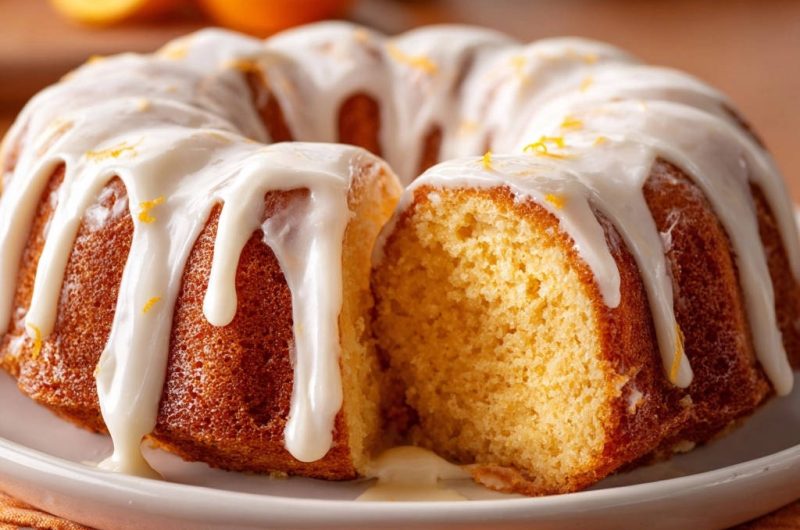
Orange Bundt Cake
Course: DessertCuisine: AmericanDifficulty: medium12
servings30
minutes50
minutes450
kcal120
minutesBaking a dry bundt cake is a thing of the past! This recipe cracks the code to making an incredibly moist cake that stays tender for days, thanks to a simple, effective trick. Once you try it, you’ll never go back to dry bundt cakes.
Ingredients
2 1/2 cups all-purpose flour
1 1/2 cups granulated sugar
2 teaspoons baking powder
1/2 teaspoon salt
1 cup (2 sticks) unsalted butter, softened to room temperature
4 large eggs, room temperature
1 cup buttermilk, room temperature
1/2 cup fresh orange juice
2 tablespoons orange zest (from about 2 medium oranges)
1 teaspoon vanilla extract
For the Glaze:
2 cups powdered sugar
1/4 cup fresh orange juice
1 teaspoon orange zest
Directions
- Preheat your oven to 325 degrees Fahrenheit. Generously grease and flour a 10 or 12 cup bundt pan, ensuring all nooks and crannies are coated to prevent sticking.
- In a medium bowl, whisk together the all-purpose flour, granulated sugar, baking powder, and salt. Set aside.
- In a large mixing bowl, using an electric mixer, cream together the softened butter until light and fluffy, about 2 minutes. Gradually add the granulated sugar, beating until the mixture is pale and airy.
- Add the eggs one at a time, beating well after each addition and scraping down the sides of the bowl as needed, ensuring each egg is fully incorporated before adding the next. This helps create a stable emulsion for a tender crumb.
- In a separate small bowl, whisk together the room temperature buttermilk, fresh orange juice, and vanilla extract.
- This is the key to moisture: With the mixer on low speed, gradually add the dry ingredient mixture to the wet mixture, alternating with the buttermilk and orange juice mixture. Begin and end with the dry ingredients (e.g., dry, wet, dry, wet, dry). Mix just until combined after each addition. Do not overmix; overmixing develops gluten and can lead to a dry cake. Gently fold in the orange zest.
- Pour the batter evenly into your prepared bundt pan. Tap the pan gently on the counter a few times to release any air bubbles.
- Bake for 50 to 65 minutes, or until a wooden skewer or toothpick inserted into the thickest part of the cake comes out clean or with only a few moist crumbs attached. Remove promptly; do not overbake, as this is a common cause of dry cake.
- Let the cake cool in the bundt pan on a wire rack for 10 to 15 minutes. Then, carefully invert the cake onto the wire rack to cool completely before glazing.
- While the cake cools, prepare the glaze: In a medium bowl, whisk together the powdered sugar, fresh orange juice, and orange zest until smooth.
- Once the cake is completely cool, drizzle the glaze over the top, letting it drip down the sides. Slice and enjoy your perfectly moist, sunny bundt cake!
Notes
- Ensure all ingredients are at room temperature for best results. Do not overmix the batter to maintain a tender crumb.