Rustic Artisan Boule Bread Recipe
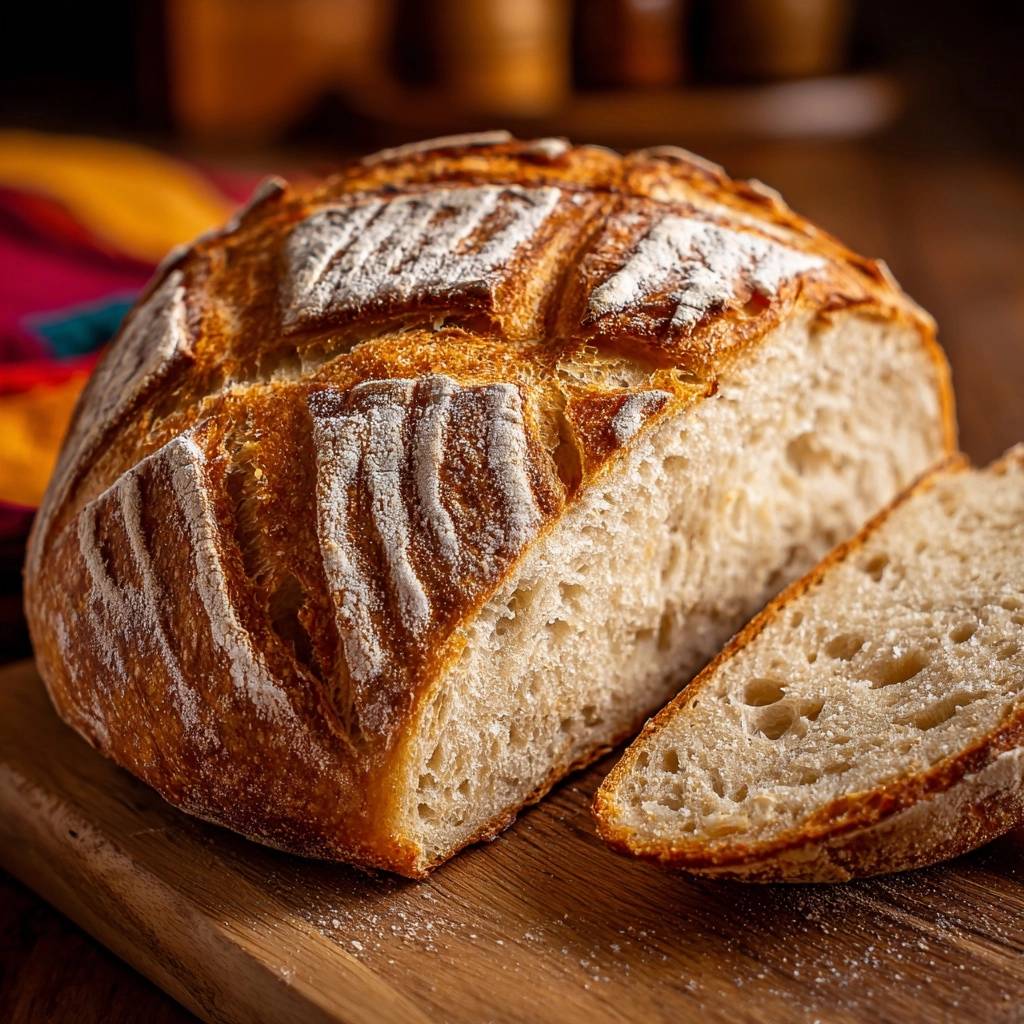
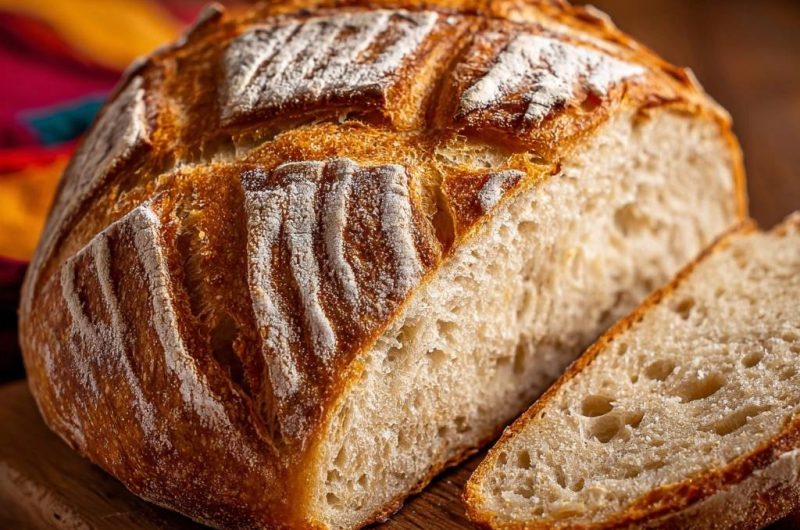
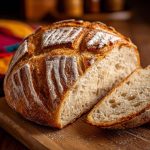
Ever bitten into homemade bread that’s more brick than bliss? This rustic artisan boule bread changes everything. You’ll get that bakery-style open crumb and crackly crust without kneading a thing. Dinner’s on the table with fresh bread before takeout even arrives.
Why does this no-knead method win? High-hydration dough and a cold ferment trap massive air bubbles for lightness. Traditional loaves often flop dense because bakers rush or overwork the dough. Here, patience delivers pro results every time.
The secret lies in that 12-18 hour fridge rest. It builds tangy flavor and huge pockets effortlessly. Trust me, your first slice will have you hooked on rustic artisan boule bread forever.
Why Rustic Artisan Boule Bread Succeeds
This rustic artisan boule bread thrives on high-hydration dough, clocking in at over 75% water to flour. That stickiness creates steam-trapped bubbles for an open crumb you crave. Traditional kneaded loaves stay dense because low hydration limits air.
No-knead appeals to beginners since it skips tough techniques. You just mix and wait. Artisan boule loaves like this save time while mimicking bakery magic.
However, the real edge comes from cold fermentation. It develops complex flavors bakers chase. Your rustic artisan boule bread will boast that chewy, airy texture pros charge top dollar for.
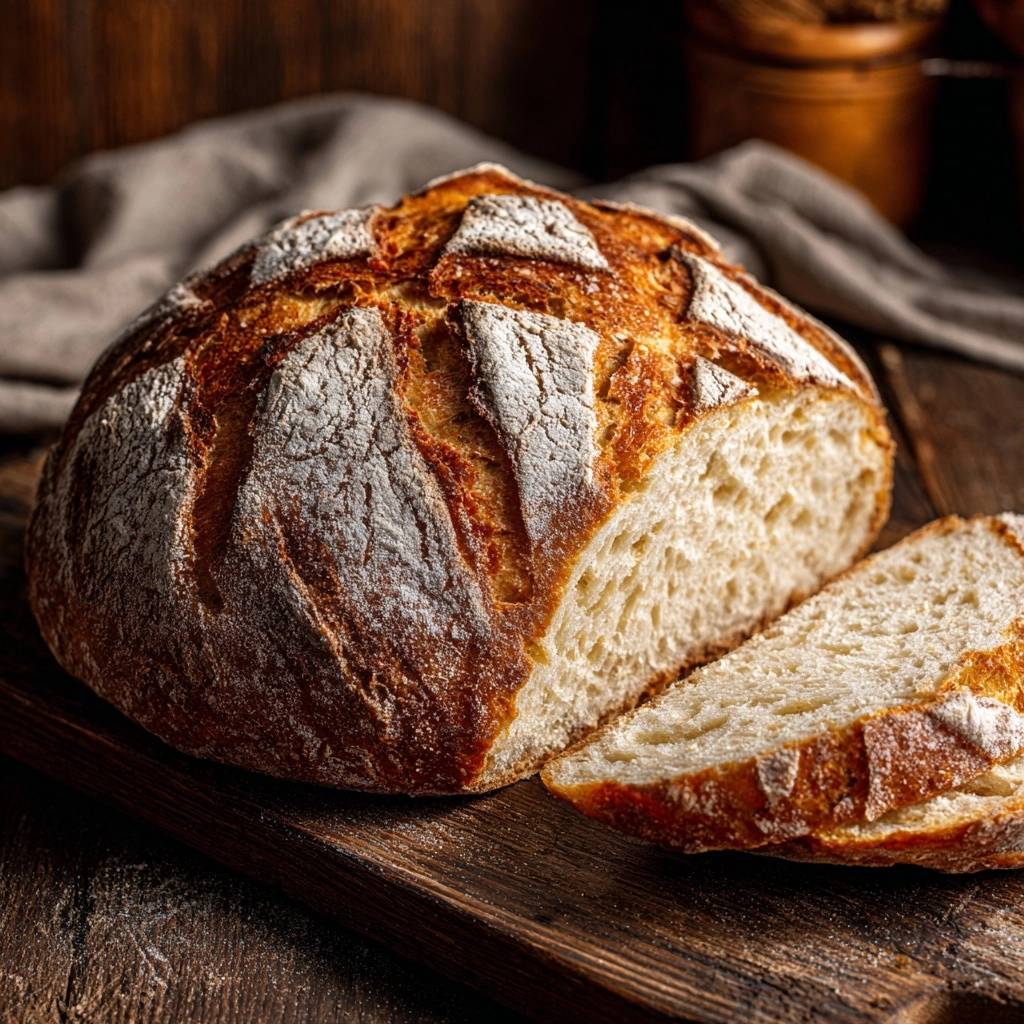
High-Hydration Dough Fundamentals
Picture three cups bread flour at about 360 grams and 1 1/4 cups lukewarm water around 300 grams. That’s roughly 75% hydration, perfect for rustic artisan boule bread. The sticky mess turns into steam-powered lift during baking.
Low-hydration doughs fail because they can’t hold big bubbles. Here, excess water ensures an open, fluffy crumb. Don’t fear the shagginess; it’s your ticket to success.
Essential Ingredients for Boule Dough
Bread flour builds the backbone with its high protein. Lukewarm water kickstarts yeast gently. Salt tightens gluten and amps flavor, while scant instant yeast drives slow magic.
No sugar or fats keep it pure rustic artisan boule bread. They soften crumb we don’t want. Sub in weights if you can for precision every time.
Therefore, grab quality bread flour first. It holds the high hydration without collapsing. Your boule will thank you with perfect structure.
What to Serve with This Bread
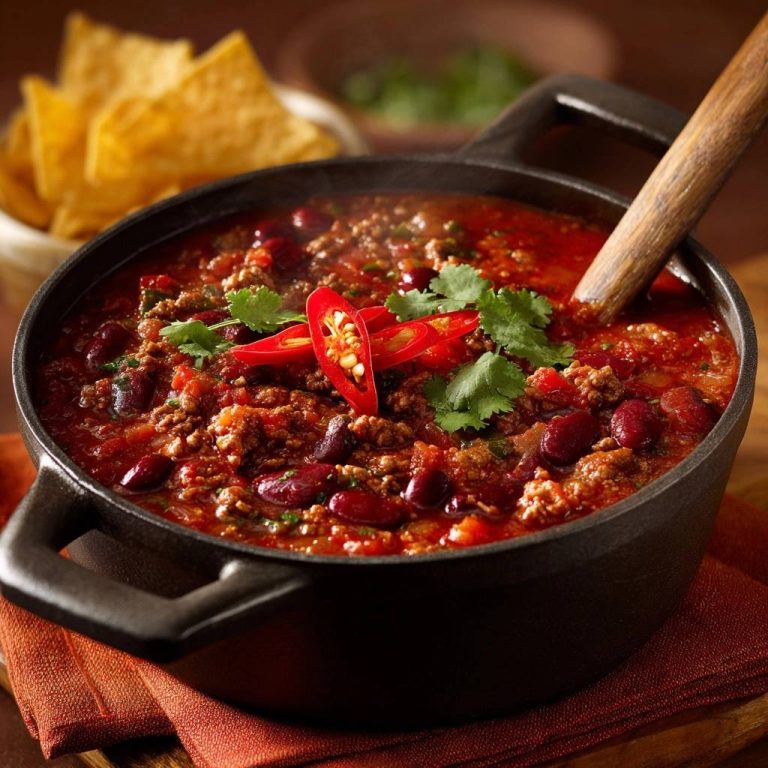
A loaf of rustic artisan boule is perfect for tearing and dipping. Pair it with saucy, rich dishes that let you soak up every bit of goodness.
- This golden pull-apart rolls.
Rustic Artisan Boule Bread FAQ
Can All-Purpose Flour Work?
All-purpose can sub, but expect slightly denser crumb due to lower protein (10-12%). Bread flour’s strength holds 75% hydration best for open rustic artisan boule bread. If using AP, add one tablespoon vital wheat gluten per cup for closer results.
Shorten Cold Ferment Time?
Minimum 12 hours for flavor and bubbles; shorter yields bland, dense loaves. If rushed, try 8 hours room temp post-mix, but fridge method trumps for tangy rustic artisan boule crumb. Don’t cut below 12 or lose the magic.
Scaling for Larger Batches?
Double ingredients easily for two boules; use same ratios. Mix in bigger bowl, divide after ferment. Bake one at a time in Dutch oven to ensure steam. Yields consistent rustic artisan boule bread every scale-up.
No Dutch Oven Alternatives?
Use a heavy lidded pot or baking stone with steam pan (add hot water halfway). Cover loaf in foil first 30 minutes mimics humidity. Results close, but Dutch oven’s heat retention gives superior oven spring for boule.
Why Skip Kneading Entirely?
No-knead relies on time and hydration to build gluten naturally via folds and ferment. Kneading degases bubbles, causing density. This method preserves air for that signature open crumb in rustic artisan boule bread.
If you enjoy working this same yeasted dough, the same technique produces wonderfully crisp crusts in these chewy everything bagels.
Boule Bread
Course: BreadCuisine: AmericanDifficulty: mediumYields1
loafPrep Time15
minutesCook Time45
minutesCalories1000
kcalTotal Time1080
MinutesTired of homemade bread turning out like a hockey puck? This no-knead boule nails bakery-style open crumb and crackly crust using a high-hydration dough and cold ferment trick that traps air bubbles for perfect lightness every time.
Ingredients
3 cups bread flour
1 1/4 cups lukewarm water
1 teaspoon salt
1/4 teaspoon instant yeast
Extra flour for dusting
Directions
- Mix flour, salt, and yeast in a large bowl. Add water and stir with a wooden spoon until a shaggy dough forms, no dry spots left. It will be sticky, thats key for open crumb.
- Cover bowl with plastic wrap. Let rise at room temperature 30 minutes, then refrigerate 12-18 hours. Cold ferment develops flavor and big air pockets, solving dense crumb forever.
- Preheat oven to 450F with Dutch oven inside for 45 minutes.
- Turn dough onto heavily floured surface. Fold edges into center 4 times to form ball, no kneading. Let rest 15 minutes covered with a floured towel.
- Dust top generously with flour. Score the top in a cross or diamond pattern with a sharp knife or lame (about 1/2-inch deep cuts).
- Remove hot Dutch oven. Place dough inside seam-side up, cover, bake 30 minutes.
- Uncover, bake 15 minutes more for golden crust. Cool on rack 1 hour before slicing to set airy structure. Your crumb will be open and fluffy, never dense.
Notes
- Cold ferment for 12-18 hours develops flavor and big air pockets. Cool on rack 1 hour before slicing to set airy structure.