Silky Cheese Ravioli with Flawless Cream Sauce
Why This Silky Cheese Ravioli Transforms Dinners
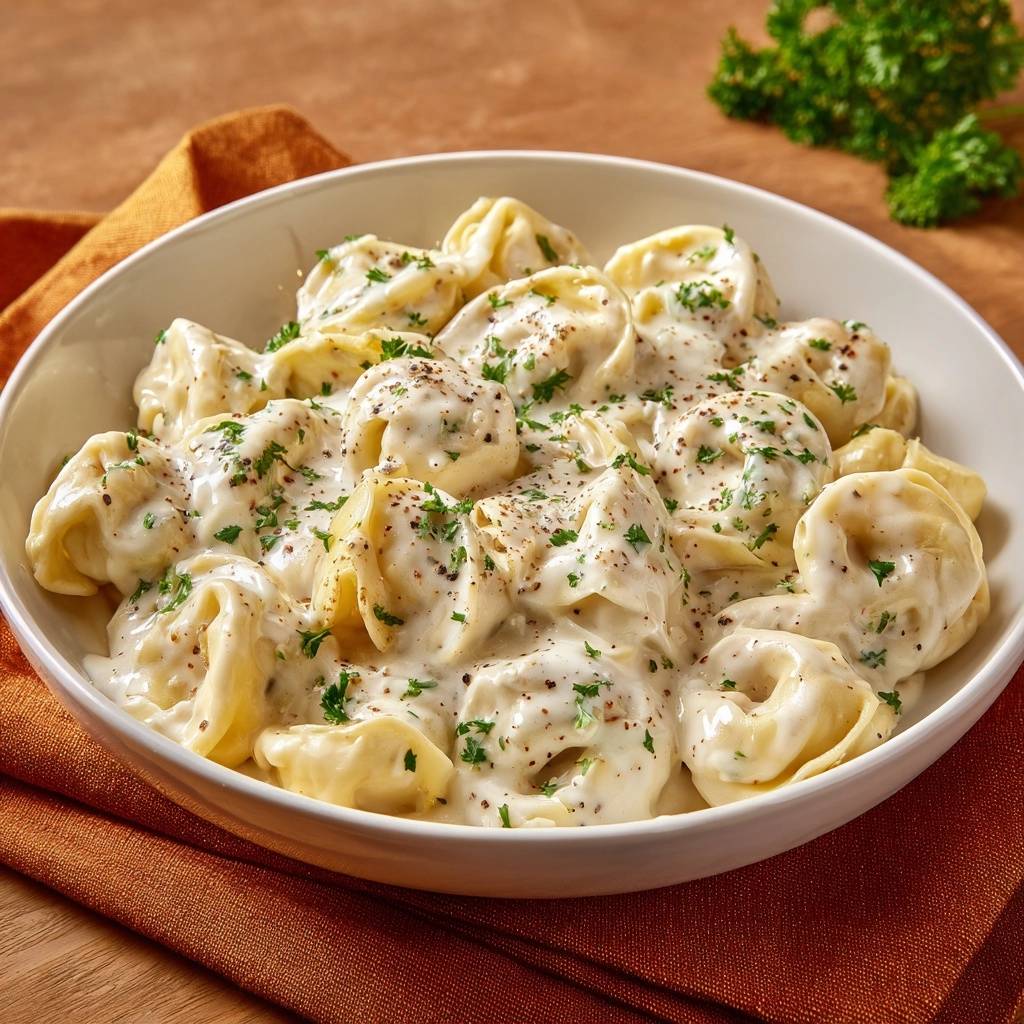
Picture this: you crave silky cheese ravioli, but end up with that frustrating grainy sauce that coats your mouth like sandpaper. Most recipes boil the cream hard and dump in cheese over heat, turning proteins into clumps. However, this dead-simple method uses low heat and off-heat cheese addition for a velvety sauce that clings perfectly to every pillow of ravioli.
That’s why this silky cheese ravioli shines on busy weeknights. It comes together in just 15 minutes with five main ingredients you likely have on hand. In addition, the result tastes like restaurant quality, with that nutty Parmesan richness and creamy texture that makes you close your eyes in bliss.
If you’re using ricotta salata here, try it crumbled over these heart-shaped cheese ravioli for a similar tangy finish.
Here’s the expertise pro tip: grate your own Parmesan right before adding it off-heat. The fresh moisture prevents starch from binding into grains, unlike pre-shredded stuff. Oh man, once you nail this, you’ll never go back to takeout.
Key Ingredients for Smooth Silky Cheese Ravioli
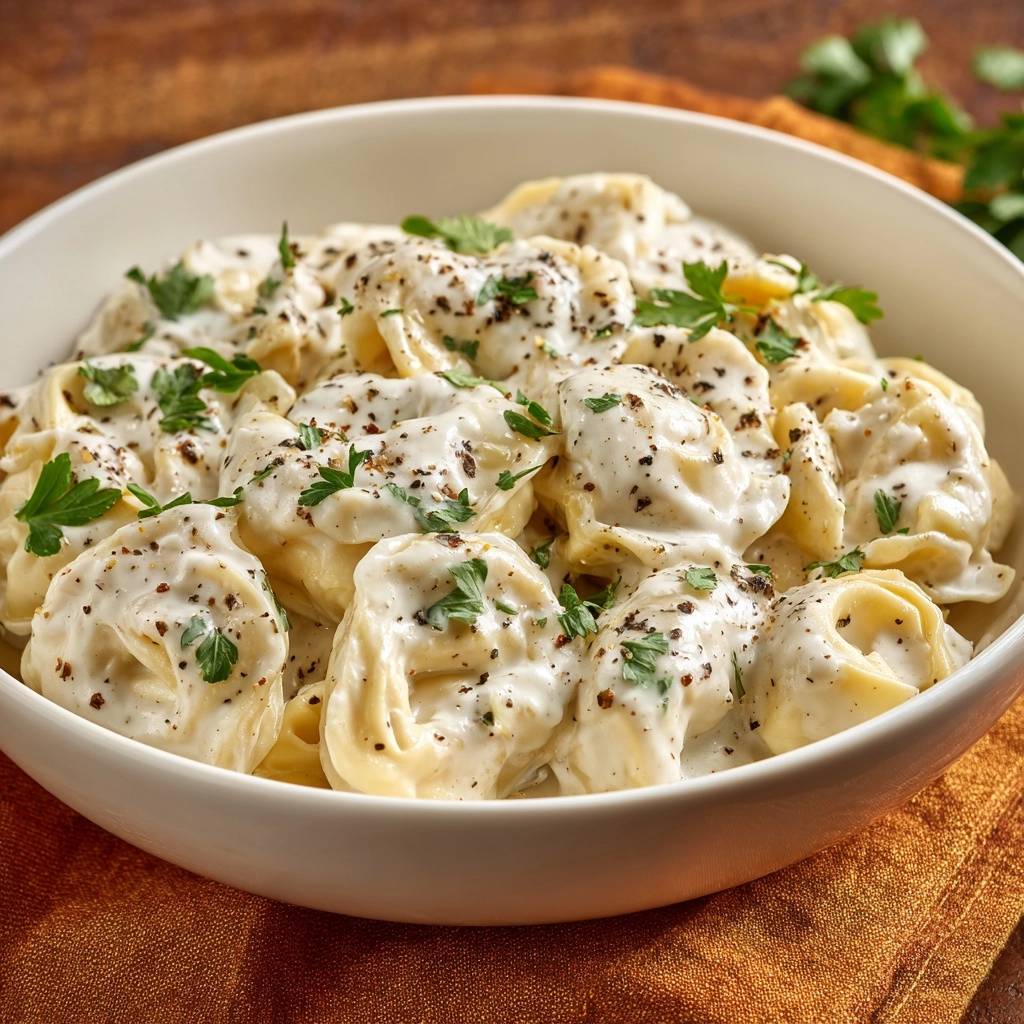
Start with a 9-ounce package of fresh or frozen cheese ravioli. Fresh ones cook in 3 minutes and float to signal doneness, giving tender bites that hold sauce without bursting. Frozen works too, but add a minute and stir gently to avoid sticking.
Unsalted butter and heavy cream form the base. The butter melts cleanly for pure flavor, while heavy cream’s high fat content creates a stable emulsion that won’t separate. Therefore, always use medium-low heat to warm it into small bubbles, not a rolling boil.
Freshly grated Parmesan is non-negotiable for silky cheese ravioli. Pre-shredded has anti-caking starch that turns grainy, but fresh gratings melt smoothly due to natural enzymes. In addition, black pepper adds sharp bite to cut the richness, and parsley brings fresh brightness at the end.
Fresh Ravioli Package Breakdown
A 9-ounce package serves two generously. Boil in plenty of salted water so they float after 3-4 minutes, perfectly al dente. Drain thoroughly to keep your sauce from getting watery; a quick shake over the sink does it.
Heavy Cream and Butter Duo
Two tablespoons butter plus one cup heavy cream hit the ideal fat ratio for sauce stability. Warm them together slowly, and you’ll see the mixture thicken slightly into a nap that coats the back of a spoon. Skip low-fat versions; they break under cheese.
Parmesan Grating for Silkiness
Grate 3/4 cup fresh from a block for silky cheese ravioli. The fine shreds have more surface area and moisture, melting evenly without clumps. Pecorino makes a tangy sub if you want variety.
Science of Off-Heat Cheese Sauce
High heat denatures cheese proteins like casein, causing them to clump just like overcooked scrambled eggs. For silky cheese ravioli, warm cream to a low simmer around 160°F first. Then, pull off heat to about 140°F before whisking in cheese; this melts it smoothly without seizing.
Most home cooks fail by keeping heat on, leading to grainy disasters. However, this off-heat trick, borrowed from pro kitchens, keeps everything emulsified. You’ll notice the sauce turn glossy as Parmesan integrates fully.
Protein Clumping Under Heat
Casein proteins tighten and bind under direct heat, forming those telltale grains. It’s the same reason eggs curdle in hot milk. Off-heat avoids this entirely, giving you silk.
Ideal Temperature Windows
Aim for tiny bubbles in cream, not a boil. Whisk constantly off-heat so cheese disperses evenly. If it cools too much, a quick dip back on lowest heat revives it without risk.
Equipment Choices for Perfect Ravioli Sauce
Grab a large skillet, at least 10 inches wide, for even heat and sauce tossing. Nonstick prevents sticking, but stainless works if you deglaze with a splash of pasta water. In addition, a wide pot boils ravioli without crowding.
A Microplane grates Parmesan superfine for maximum meltability. Wooden spoons gently toss ravioli without scratching. All this gear costs under $30 and guarantees silky results.
Skillet Size and Material Impact
Large skillets distribute heat evenly, dodging hot spots that curdle sauce. Stainless builds fond for flavor; nonstick eases cleanup.
Grating Tools for Fine Texture
Microplane beats box graters for fluffy, dry shreds that blend fast. Box graters work but make denser pieces prone to lumps.
Step-by-Step Silky Cheese Ravioli Assembly
This silky cheese ravioli takes 15 minutes total. Multitask ravioli boiling with sauce prep for speed. Pro tip: taste sauce before adding ravioli and adjust pepper boldly.
Phase 1: Gentle Ravioli Boil
Bring a large pot of salted water to a gentle boil on medium-high. Add ravioli and cook 3-4 minutes until they float. Drain well; excess water dilutes sauce, so don’t skip this.
Phase 2: Cream and Butter Warm-Up
Melt 2 tablespoons butter in a skillet over medium-low. Add cream and warm to small bubbles, stirring now and then. It should smell sweet and lightly coat a spoon after 3 minutes.
Phase 3: Off-Heat Parmesan Magic
Remove skillet from heat. Whisk in grated Parmesan handful by handful until silky. Stir in black pepper; the sauce thickens to perfect clinginess right here.
Phase 4: Toss and Serve
Add drained ravioli and toss gently over low heat for 30 seconds. Plate immediately, top with parsley. The warmth preserves that fresh-from-skillet silk.
Avoiding Grainy Sauce Pitfalls
Boiling cream hard is the top mistake for grainy silky cheese ravioli. It shocks proteins into clumps. Instead, stick to low simmer and off-heat cheese.
Pre-shredded cheese and high post-cheese heat rank next. Overcooked ravioli turn mushy and waterlog sauce. Serve right away to lock in texture.
High-Heat Curdling Traps
If sauce curdles, strain and whisk in fresh cream fast. Prevention beats fixing: always off-heat.
Cheese Quality Oversights
Old or low-quality cheese resists melting. Fresh Parmigiano-Reggiano grates best; younger cheeses melt smoother than aged.
Silky Cheese Ravioli Flavor Variations
Swap parsley for basil or thyme for herb twists. Lemon zest adds citrus pop without overpowering the cream. Keep the off-heat method for all.
If you enjoy this quick cream sauce method, try it with the skillet fettuccine alfredo for another fast weeknight dinner.
Sauté mushrooms first for earthy depth, or stir in peas for sweetness. Ricotta salata subs tangier cheese. Spinach ravioli pairs perfectly too.
Herb and Citrus Twists
Thyme brings warmth; basil freshness. Zest half a lemon into sauce off-heat for brightness.
Vegetable and Protein Add-Ins
Mushrooms sautéed in butter boost umami. Peas add pop; keep them crisp.
Ideal Pairings for Silky Cheese Ravioli
A simple arugula salad with vinaigrette cuts the richness. Roasted asparagus brings char. Garlic bread soaks up sauce beautifully.
Sparkling water refreshes the palate. End with fruit sorbet for clean finish.
What’s Next?
Try these delicious pairings:
Storage Guide for Leftover Ravioli
Store silky cheese ravioli in an airtight container in the fridge for up to 2 days; sauce may separate after. Reheat gently on stovetop with a splash of cream, stirring until smooth. Avoid microwave highs to prevent graininess.
Freeze cooked ravioli separate from sauce up to 1 month. Thaw overnight, then reheat as above. Don’t freeze sauce alone; it won’t recover texture.
Silky Cheese Ravioli FAQ
Can I Use Dried Ravioli?
Yes, but dried ravioli takes 8-10 minutes to cook al dente. They absorb more water, so drain extra well to protect sauce silkiness. Fresh or frozen still yield best tender texture.
Why Off-Heat for Cheese?
Off-heat prevents casein proteins from clumping under high temps, avoiding graininess. Whisk at 140°F for smooth melt; on-heat hits 180°F and curdles. This simple shift delivers restaurant results.
Gluten-Free Silky Cheese Ravioli Options?
Use gluten-free ravioli brands like Buitoni or Trader Joe’s; they cook in 4-5 minutes. Sauce stays stable since it’s dairy-based. Double-check labels for wheat fillers in cheese.
Scaling for Crowds?
Double ingredients for four, but use a 12-inch skillet to avoid crowding. Cook ravioli in two batches if needed. Sauce scales 1:1; maintain off-heat for silkiness across portions.
Reheating Without Graininess?
Reheat on low stovetop with a tablespoon cream per serving, stirring constantly. Add a fresh grate of Parmesan at end for renewal. Microwave on 50% power in short bursts works too, covered loosely.
Cheese Ravioli
Course: Main CourseCuisine: ItalianDifficulty: easy2
servings5
minutes10
minutes550
kcal15
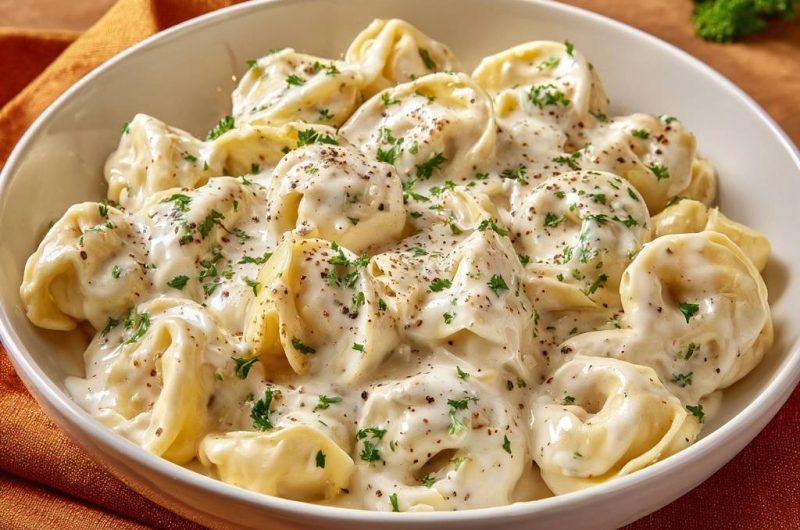
MinutesTired of lumpy, grainy cream sauce that ruins your ravioli dinner? This dead-simple technique uses low heat and off-heat cheese addition for restaurant-smooth results every single time.
Ingredients
1 package (9 ounces) fresh or frozen cheese ravioli
2 tablespoons unsalted butter
1 cup heavy cream
3/4 cup freshly grated Parmesan cheese
Freshly ground black pepper, to taste
2 tablespoons chopped fresh parsley
Directions
- Bring a large pot of salted water to a gentle boil over medium-high heat. Add ravioli and cook according to package directions, about 3 to 4 minutes or until they float to the surface. Drain well and set aside.
- While ravioli cooks, melt butter in a large skillet over medium-low heat. Pour in heavy cream and warm gently, stirring occasionally, until it reaches a low simmer (do not boil hard).
- Remove skillet from heat completely. This is the key step to prevent grainy sauce: gradually whisk in grated Parmesan cheese, one handful at a time, until fully melted and smooth. The off-heat addition stops the cheese proteins from clumping under high temperature.
- Stir in a generous amount of freshly ground black pepper. Add cooked ravioli to the skillet and toss gently to coat evenly in the silky sauce.
- Divide into bowls, sprinkle with chopped fresh parsley, and serve immediately for perfect texture.
Notes
- Key to smooth sauce: Remove skillet from heat before adding cheese gradually. Do not boil cream hard.