Skillet Veggie Noodle Stir-Fry: Perfect, Non-Sticky Results
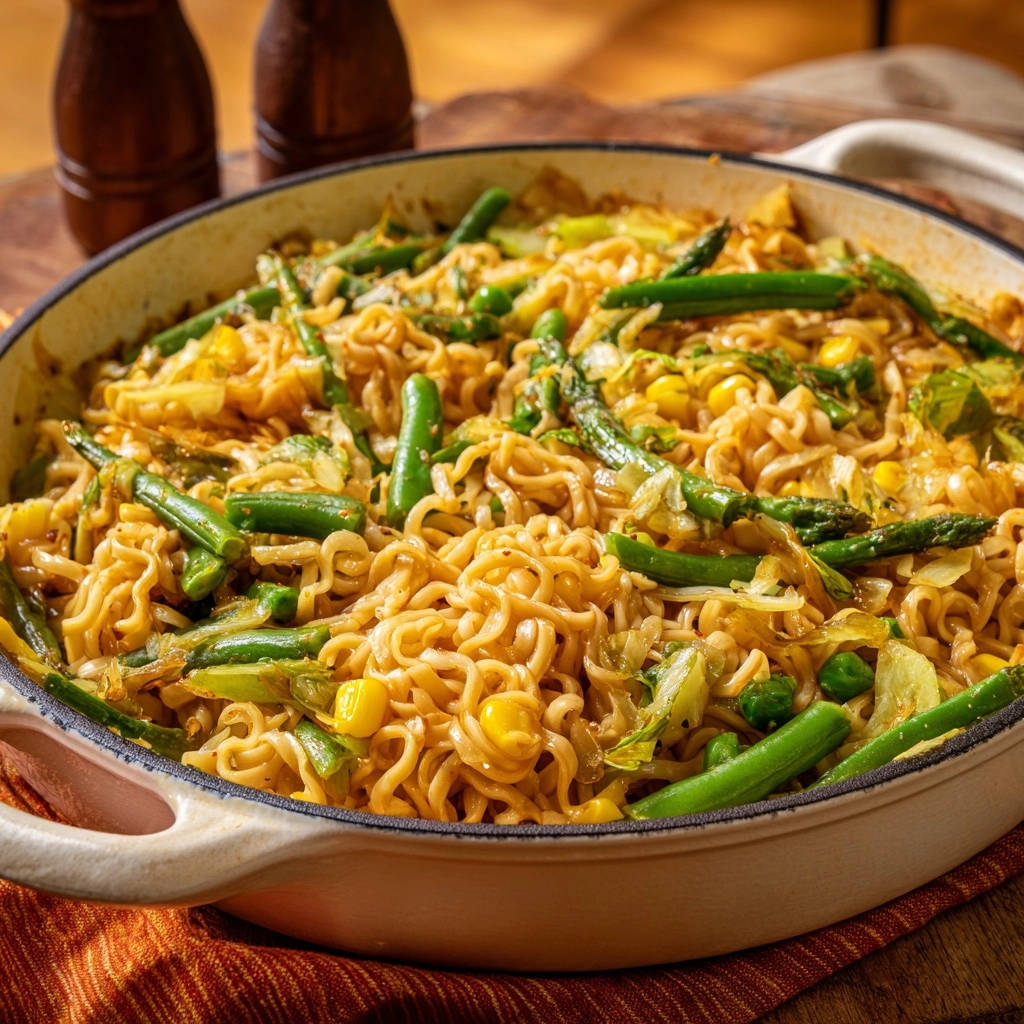
There’s nothing quite like the disappointment of a promised quick stir-fry turning into a sticky, bland noodle clump. After countless attempts and refining my technique, I finally cracked the code to achieving perfectly separated, flavor-infused noodles right in my skillet. This `Skillet Veggie Noodle Stir-Fry` recipe is your foolproof guide to restaurant-quality texture and taste, transforming weeknight dinners into a vibrant, effortless delight.
Why This Skillet Veggie Noodle Stir-Fry Will Be Your New Weeknight Favorite
This recipe isn’t just another dinner idea; it’s a solution to common stir-fry woes, designed for maximum flavor with minimal fuss.
The “No-Gummy-Noodle” Secret Revealed
The magic starts with how we treat the noodles. Our specific technique of cooking them just al dente, followed by a crucial cold water rinse, stops the cooking process instantly.
This vital step washes away excess starch, which is the primary culprit behind gummy, sticky noodles. The result? Perfectly separated, springy strands ready to absorb all the delicious sauce.
Effortless Flavor Infusion, Every Time
No one wants bland spots in their stir-fry. This recipe ensures every single noodle and vegetable piece is beautifully coated in our savory sauce.
The strategic combination in the hot skillet allows the sauce to meld and cling, creating a harmonious burst of flavor in every bite.
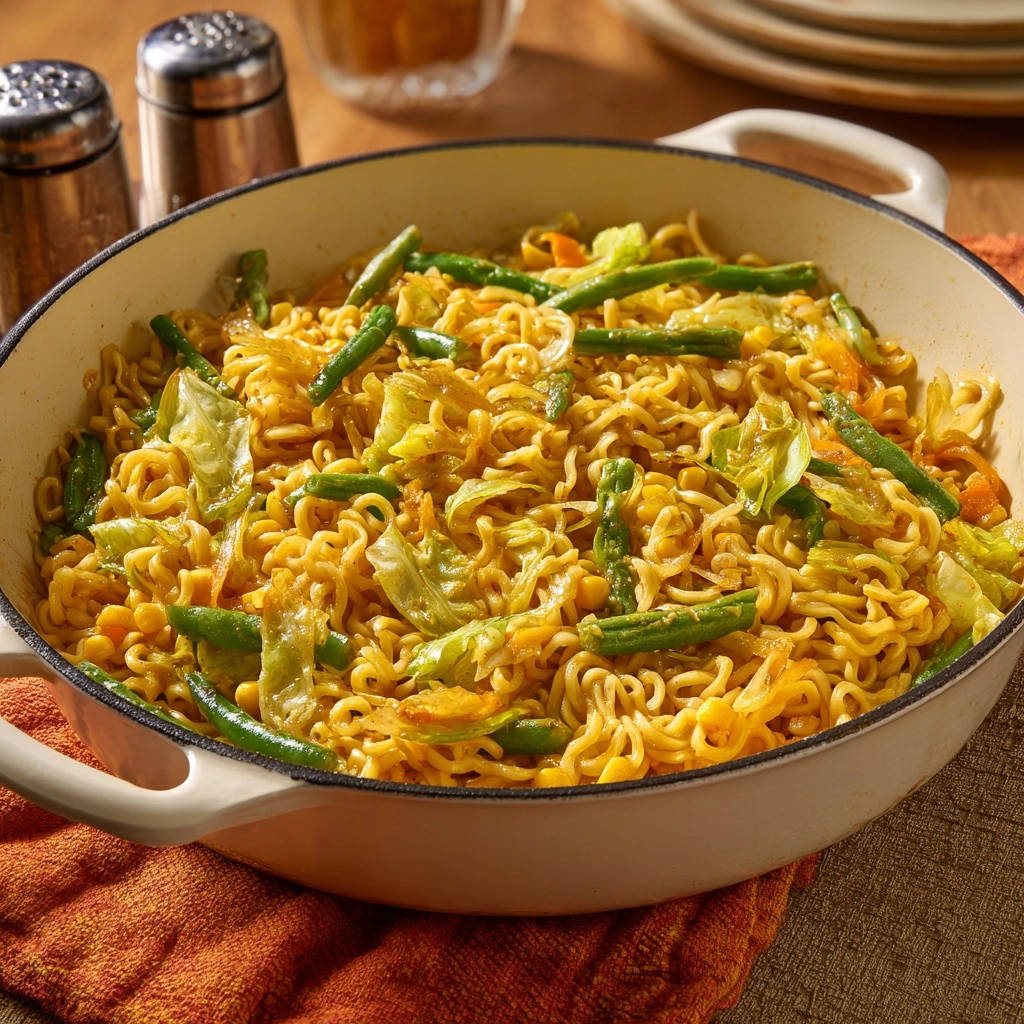
Quick & Customizable: Your Dinner, Your Way
Busy weeknights demand fast, satisfying meals. This `Skillet Veggie Noodle Stir-Fry` delivers on speed without compromising on taste.
Its adaptable nature means you can easily swap in your favorite seasonal vegetables or add a protein, making it incredibly versatile for any palate or pantry.
For a heartier option with the same savory sauce, try this crispy chicken green bean stir-fry.
Gather Your Gear: Essential Tools for Stir-Fry Success
Having the right kitchen tools makes all the difference in achieving stir-fry perfection. These essentials will simplify your cooking process.
The Power Pan: Skillet or Wok?
A large, deep skillet (10-12 inches) or a traditional wok is crucial for this dish. Both provide ample surface area and high sides, allowing for effective stir-frying without overcrowding.
This design promotes even heat distribution, ensuring your vegetables sauté beautifully rather than steam, contributing to their crisp-tender texture.
Beyond the Pan: Key Kitchen Helpers
Sturdy kitchen tongs are indispensable for tossing and coating the noodles and vegetables thoroughly without breakage. A colander is essential for quickly draining and rinsing your noodles.
Finally, a small mixing bowl ensures your sauce components are perfectly whisked and ready to integrate seamlessly into the stir-fry.
The Heart of the Dish: Decoding Your Ingredients
Every ingredient in this `Skillet Veggie Noodle Stir-Fry` plays a specific role, contributing to its balanced flavor and delightful texture. Quality choices elevate the entire experience.
Choosing Your Noodles Wisely (Hint: Ditch the Packet!)
We specifically use two packages of instant ramen noodles, but importantly, we discard their seasoning packets. These simple wheat noodles cook incredibly fast and offer a great foundation.
They provide the ideal texture for absorbing sauce once properly prepared, becoming the perfect vehicle for our vibrant veggie noodle stir-fry.
Vibrant Veggies: Fresh, Frozen, and Fantastic
Fresh asparagus and green beans, cut into 1-inch pieces, bring a delightful crunch and vibrant color. Shredded green cabbage adds bulk and a subtle sweetness that cooks down beautifully.
Frozen corn offers sweet bursts of flavor and adds an extra layer of texture. Feel free to substitute with other quick-cooking vegetables like broccoli florets, bell peppers, or snow peas.
Crafting the Perfect Umami Sauce
Our simple sauce blends low sodium soy sauce for deep umami and savory notes without excessive saltiness. Water helps to dilute the soy sauce and distribute it evenly throughout the dish.
A touch of sugar balances the savory elements, encouraging slight caramelization and rounding out the flavor profile. Whisking ensures every component integrates harmoniously.
From Skillet to Plate: Your Foolproof Stir-Fry Journey
Follow these steps closely to create a truly exceptional `Skillet Veggie Noodle Stir-Fry` with perfectly separated, flavorful noodles every time.
- Prepare Noodles Separately:
Bring a medium pot of water to a rolling boil. Add the ramen noodles (without the seasoning packets) and cook for exactly 2 minutes; they should be just al dente, slightly undercooked. Immediately drain the noodles into a colander.
Rinse them thoroughly under cold running water. This crucial step stops the cooking process, preventing them from becoming mushy, and washes away excess starch, which is the secret to non-sticky, perfectly separated noodles. Set them aside.
- Sauté Vegetables to Perfection:
While your noodles cool, heat 1 tablespoon of vegetable oil in your large skillet or wok over medium-high heat. Once shimmering, add the cut asparagus, green beans, and shredded cabbage to the hot pan.
Stir-fry for 4 to 5 minutes, tossing occasionally, until the vegetables are crisp-tender and brightly colored. Stir in the frozen corn and continue to cook for another 1 to 2 minutes until heated through.
- Mix the Simple Stir-Fry Sauce:
In a small bowl, whisk together the ¼ cup low sodium soy sauce, 2 tablespoons water, and 1 teaspoon sugar. Continue whisking until the sugar is completely dissolved, ensuring a smooth, evenly flavored sauce.
- Combine and Coat for Optimal Flavor:
Add the prepared and thoroughly drained noodles directly into the skillet with the sautéed vegetables. Pour the whisked sauce mixture evenly over the noodles and vegetables.
Using tongs or a spatula, gently but thoroughly toss everything together for 1 to 2 minutes. Keep tossing until the noodles are fully coated with the sauce and have finished cooking, absorbing most of the liquid. The noodles should appear separate, glossy, and beautifully infused with flavor.
- Serve Immediately:
Once your perfectly coated, non-sticky skillet noodles are ready, serve them hot. Enjoy the immediate satisfaction of a truly delicious homemade stir-fry.
Unlock Next-Level Flavor: Expert Stir-Fry Tips
Elevate your stir-fry game with these insights, ensuring every bite of your `Skillet Veggie Noodle Stir-Fry` is fantastic.
The Art of Al Dente: Noodle Prep Masterclass
The 2-minute cook time for ramen noodles is precise for a reason: it leaves them slightly undercooked, ready to finish absorbing sauce in the skillet. The immediate cold rinse is paramount.
This shock of cold water not only halts the cooking but also stiffens the noodle strands and removes surface starches, guaranteeing that sought-after separated texture.
Veggie Prep Secrets for Optimal Texture
Always cut your vegetables uniformly to ensure they cook evenly. This prevents some pieces from becoming mushy while others are still raw.
Crucially, avoid overcrowding the pan; if your skillet is too full, the vegetables will steam instead of stir-fry, resulting in a limp, watery texture instead of crisp-tender.
Sauce Absorption Strategies
Once the sauce hits the hot skillet with the noodles and vegetables, keep tossing continuously. This active movement allows the noodles to thoroughly absorb the sauce evenly.
Consistent tossing prevents the sauce from pooling at the bottom of the pan and ensures every strand gets coated, preventing sogginess while maximizing flavor.
Flavor Boosters & Add-Ins
For an extra layer of aromatic complexity, sauté a teaspoon of minced fresh ginger and garlic with your vegetables at the start. A drizzle of toasted sesame oil just before serving adds a nutty depth.
This ginger and garlic base also pairs beautifully with the tender bite of this shredded chicken stir-fry.
If you enjoy a bit of heat, a pinch of red pepper flakes or a dash of sriracha mixed into the sauce or drizzled on top can provide a delightful kick to your easy noodle dish.
Common Stir-Fry Questions & Troubleshooting
Even with a great recipe, questions arise. Here are solutions to common stir-fry challenges, helping you master this `Skillet Veggie Noodle Stir-Fry`.
“My noodles are still clumping together!”
If your noodles are clumping, it’s likely they weren’t thoroughly rinsed or drained enough after boiling. Ensure you rinse them under cold water until they feel completely cool and slippery-smooth.
Vigorously toss them in the colander to shake off all excess water before adding them to the skillet; any residual moisture can contribute to stickiness.
“Why aren’t my vegetables crisp-tender?”
This often happens if your pan isn’t hot enough or if you’ve overcrowded it. Make sure your oil is shimmering before adding vegetables, and stir-fry in batches if necessary.
High heat ensures quick searing, preserving their crispness. Adjust your cooking time based on the desired level of tenderness for each vegetable.
“Can I add protein to this dish?”
Absolutely! This `Skillet Veggie Noodle Stir-Fry` is wonderfully adaptable. Cooked chicken breast strips, shrimp, thinly sliced beef, or firm tofu cubes are excellent additions.
Sauté your chosen protein in the skillet first, remove it, then proceed with the vegetables. Add the cooked protein back in when you combine the noodles and sauce, allowing it to heat through.
“Is it possible to make this gluten-free?”
Yes, you can easily make this dish gluten-free. Simply swap the wheat-based instant ramen for a gluten-free noodle alternative, such as rice vermicelli or specifically labeled gluten-free ramen brands.
Crucially, use tamari, which is a gluten-free soy sauce, in place of regular low sodium soy sauce to ensure the entire dish is compliant.
Serving, Storing & Savoring Your Stir-Fry
Once you’ve mastered this quick noodle dish, knowing how to serve and store it properly ensures maximum enjoyment.
Creative Serving Ideas
Garnish your homemade stir-fry with a sprinkle of toasted sesame seeds for texture and nutty flavor. Freshly chopped scallions or cilantro add a bright, herbaceous note.
What to Serve with Your Stir-Fry
This veggie noodle stir-fry is light and satisfying on its own, but a cool, crunchy side turns it into a full meal.
- Balance the warm noodles with a chilled Spicy Sesame Wakame Salad for a pop of briny seaweed and nutty sesame.
- Add more crunch and color with a Rainbow Veggie Slaw That Stays Crisp; the vinegar dressing cuts through the stir-fry’s soy sauce richness.
For an extra indulgence, consider a side of crispy fried onions or a drizzle of your favorite chili oil. This veggie noodle dish also pairs well with a fried egg on top.
Best Practices for Leftovers
Store any leftover `Skillet Veggie Noodle Stir-Fry` in an airtight container in the refrigerator. It will maintain its delicious flavor and texture for up to 3 days.
Ensure it cools completely before sealing to prevent condensation and maintain optimal freshness.
Reheating for Optimal Taste
For best results, reheat your stir-fry gently in a skillet over medium heat, adding a splash of water or vegetable broth to prevent drying. This helps rehydrate the noodles and vegetables.
You can also microwave it in short, 1-minute bursts, stirring in between, until heated through. Avoid over-reheating to preserve the texture of the vegetables.
Your Skillet Veggie Noodle Stir-Fry Adventure Awaits!
Say goodbye to disappointing, sticky stir-fries and embrace the joy of perfectly cooked, flavor-packed noodles right from your kitchen. This `Skillet Veggie Noodle Stir-Fry` is designed to build your confidence and delight your taste buds.
Go ahead, give this easy noodle dish a try tonight! I’d love to hear about your creations and how this recipe transforms your weeknight meals. Share your experiences in the comments below!
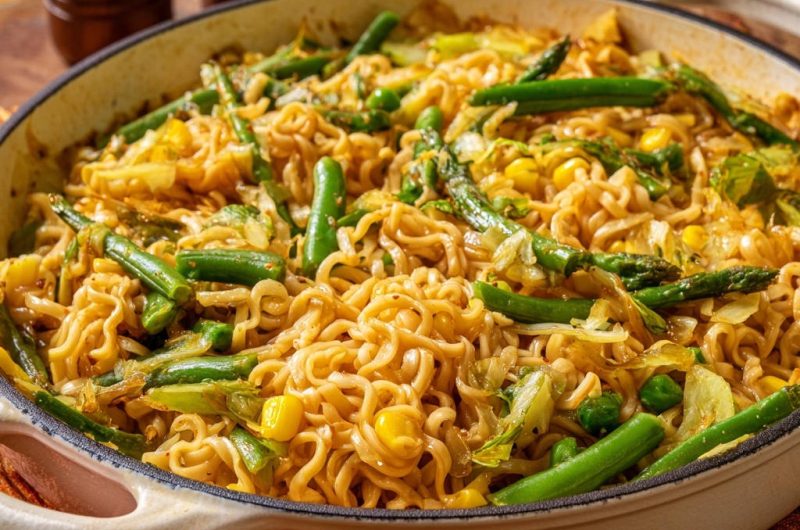
Veggie Noodle Stir-Fry
Course: Main CourseCuisine: AsianDifficulty: easy2
servings10
minutes7
minutes450
kcal20
minutesSay goodbye to sticky noodles! This recipe reveals the secret to perfectly separated, flavor-packed instant ramen, absorbing all the delicious sauce without turning into a gummy mess. A quick and easy weeknight hero, delivering restaurant-quality texture and taste right in your skillet.
Ingredients
2 packages instant ramen noodles (discard seasoning packets)
1 tablespoon vegetable oil
1 cup fresh asparagus, cut into 1-inch pieces
1 cup fresh green beans, cut into 1-inch pieces
1/2 cup frozen corn
1 cup shredded green cabbage
1/4 cup low sodium soy sauce
2 tablespoons water
1 teaspoon sugar
Directions
- Prepare Noodles Separately: Bring a medium pot of water to a rolling boil. Add the ramen noodles (without the seasoning packets) and cook for exactly 2 minutes. The goal here is to cook them just al dente, slightly undercooked. Immediately drain the noodles in a colander and rinse them thoroughly under cold running water. This crucial step stops the cooking process and washes away excess starch, which is the secret to preventing sticky and gummy noodles. Set them aside.
- Sauté Vegetables: While the noodles are cooling, heat the vegetable oil in a large skillet or wok over medium-high heat. Add the cut asparagus, green beans, and shredded cabbage to the hot pan. Stir-fry for 4 to 5 minutes, tossing occasionally, until the vegetables are crisp-tender. Stir in the frozen corn and continue to cook for another 1 to 2 minutes.
- Mix the Sauce: In a small bowl, whisk together the low sodium soy sauce, water, and sugar until the sugar is dissolved.
- Combine and Coat: Add the prepared and thoroughly drained noodles directly into the skillet with the sautéed vegetables. Pour the whisked sauce mixture evenly over the noodles and vegetables. Using tongs or a spatula, gently but thoroughly toss everything together for 1 to 2 minutes. Keep tossing until the noodles are fully coated with the sauce and have finished cooking, absorbing most of the liquid. The noodles should be separate and glossy.
- Serve your perfectly coated, non-sticky skillet noodles immediately.
Notes
- Rinsing cooked noodles under cold water is key to preventing stickiness and achieving perfect texture.