The Secret to Authentic Butter Chicken Tikka with Velvet Sauce
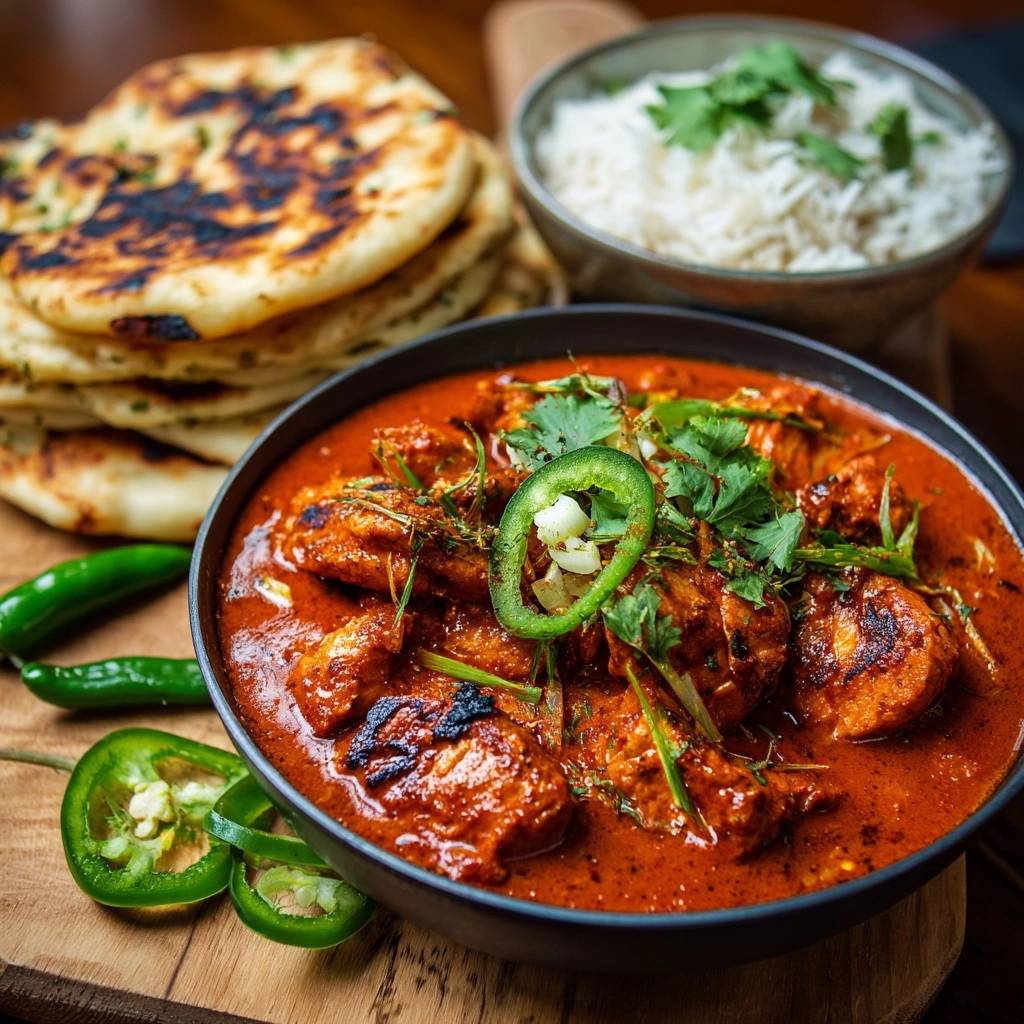
Nothing ruins a dinner quite like a thin, watery curry that pools at the bottom of your plate. You spend an hour in the kitchen only to have the sauce slide right off your naan, leaving you with a bland, soupy mess. If you’ve ever wondered why restaurant sauces have that incredible, heavy cling, it isn’t just about adding more cream.
The real secret lies in the marriage of a deep tomato reduction and a classic French finishing technique. This recipe bridges the gap between a smoky Chicken Tikka and a rich Murgh Makhani, ensuring every bite is coated in a thick, vibrant gravy. We’re moving away from “curry soup” and toward a professional, velvet-textured masterpiece.
I’ve found that the most common mistake home cooks make is rushing the tomato base. To get that restaurant-quality finish, you must cook the tomatoes until they transform into a thick paste and the oil begins to separate. This evaporation process is the only way to achieve a concentrated flavor that won’t break when you add the dairy later.
Defining the Authentic Butter Chicken Tikka Profile
Authentic Butter Chicken Tikka is a beautiful hybrid of two legendary dishes. While traditional Butter Chicken (Murgh Makhani) often uses poached or lightly simmered meat, this version utilizes the “Tikka” method. This means we sear the chicken at high heat to create charred, blackened edges before it ever touches the sauce.
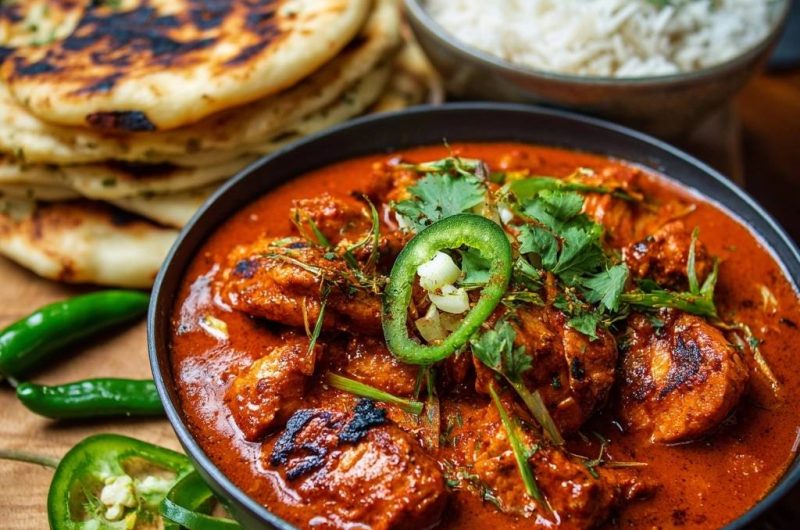
This smoky, grilled element provides a necessary contrast to the sweet and creamy makhani base. When you combine that charred protein with a sauce that has been properly emulsified, you get a sensory experience that hits every part of the palate. You’ll notice a deep maroon color and a texture so thick it holds its shape on a spoon.
Essential Components for a Restaurant-Quality Marinade
The foundation of tender chicken starts with the marinade, and the choice of yogurt is critical. I always recommend using plain Greek yogurt because it has a lower water content than regular yogurt. This prevents the chicken from “stewing” in its own juices when it hits the hot pan, allowing for a better sear.
Ginger-garlic paste acts as the aromatic backbone of the entire dish. If you have the time, crushing fresh ginger and garlic together in a mortar and pestle provides a much sharper, brighter flavor than the jarred versions. This paste, combined with lemon juice, helps tenderize the chicken fibers so they stay juicy even after searing.
Why Kashmiri Chili Powder is Non-Negotiable
If you’ve ever wondered how restaurants get that glowing red color without using artificial dyes, Kashmiri red chili powder is the answer. It is prized more for its vibrant pigment than its heat. It offers a mild, smoky warmth that won’t blow your head off but will give the sauce its iconic, rich hue.
Using standard cayenne pepper as a substitute will often make the dish too spicy before it ever reaches the right color. If you can’t find Kashmiri powder, a mix of smoked paprika and a tiny pinch of cayenne is your best bet. However, for that true “Tikka” look, the Kashmiri variety is the gold standard.
The Science of the Thick, Non-Watery Base
To achieve a sauce that actually clings to your food, you have to master the “Bhuna” process. This is the technical term for frying your spice and tomato base until the water has completely evaporated. When you pour your tomato puree into the pan, it will initially look bright and watery.
You must simmer it on medium heat, stirring constantly, for at least 10 to 12 minutes. You are looking for two visual cues: the color shifting to a dark maroon and the oil starting to bead around the edges of the paste. This concentration of sugars and umami is what creates the depth of flavor that defines a great Butter Chicken.
Skipping this step is the number one reason for a thin, acidic sauce. By removing the excess water now, you create a stable environment for the cream and butter to integrate later. It’s all about building a concentrated foundation before you introduce the fats.
Step-by-Step: Preparing the Chicken Tikka Char
To get that authentic charred flavor, you need a heavy-bottomed skillet, preferably cast iron. Heat your oil until it’s shimmering and just starting to smoke. When you add the chicken, do it in batches. If you crowd the pan, the temperature will drop, and the chicken will release steam, resulting in grey, rubbery meat.
Let the chicken sit undisturbed for 2-3 minutes to develop the Maillard reaction. You want those dark, slightly blackened edges because they provide a bitter, smoky counterpoint to the rich sauce. Don’t worry about cooking the chicken all the way through at this stage; we just want the exterior texture and flavor.
Step-by-Step: Emulsifying the Makhani Sauce
Once your tomato base is reduced and your chicken is seared, it’s time to build the emulsion. Lower the heat before adding your heavy cream. If the pan is too hot, the dairy can curdle or the fats can separate, leaving you with a greasy mess. Stir the cream in slowly until the sauce turns a vibrant orange-red.
Add the chicken and any juices that collected on the plate back into the pan. These juices are pure flavor gold! Simmer everything together for a few minutes so the chicken can finish cooking and the sauce can begin to “hug” the meat. You’ll see the texture start to tighten up beautifully.
The Cold Butter Finish: Texture Lock-In Technique
This is the most important step for a glossy, professional finish. In French cooking, this is called “beurre monté.” Turn the heat off completely. Take your cold, cubed butter and whisk it into the sauce one piece at a time. The butter must be cold to create a stable emulsion.
As the cold butter melts into the warm sauce, it creates a thick, velvety sheen that won’t break. This technique locks in the texture, ensuring the sauce stays thick and clingy even as it sits on the table. It’s the difference between a home-cooked meal and a five-star restaurant dish.
Equipment: Why Heavy-Bottomed Pans Matter
Heat retention is your best friend when making a complex sauce. Thin stainless steel pans often have “hot spots” that can scorch the tomato paste or the delicate spices. A heavy-bottomed pan or an enameled Dutch oven distributes heat evenly, which is vital during the long reduction phase.
Cast iron is particularly great for the chicken searing phase because it holds onto heat even when you add cold meat. This ensures you get that “Tikka” char quickly without overcooking the center of the chicken chunks. If you’re serious about Indian cooking, a heavy pan is a non-negotiable investment.
Flavor Variations and Heat Adjustments
While this recipe is designed to be balanced, you can easily tweak it to your preference. If you love heat, toss in a few slit bird’s eye chilies during the tomato simmering phase. For those who prefer a hint of sweetness, a teaspoon of honey or a sprinkle of dried fenugreek leaves (Kasuri Methi) adds a wonderful floral note.
If you want to go the extra mile for a smoky flavor, you can use the “Dhungar” method. Place a small piece of red-hot charcoal in a metal bowl, set the bowl inside the curry pot, pour a drop of oil on the coal, and cover the pot for 2 minutes. The trapped smoke will infuse the entire dish with a traditional tandoori aroma.
What to Serve with Authentic Butter Chicken Tikka
You need the right vessels to soak up that incredible sauce. Long-grain Basmati rice is the traditional choice. For the best results, rinse the rice until the water runs clear to remove excess starch, ensuring the grains stay separate and fluffy rather than clumpy.
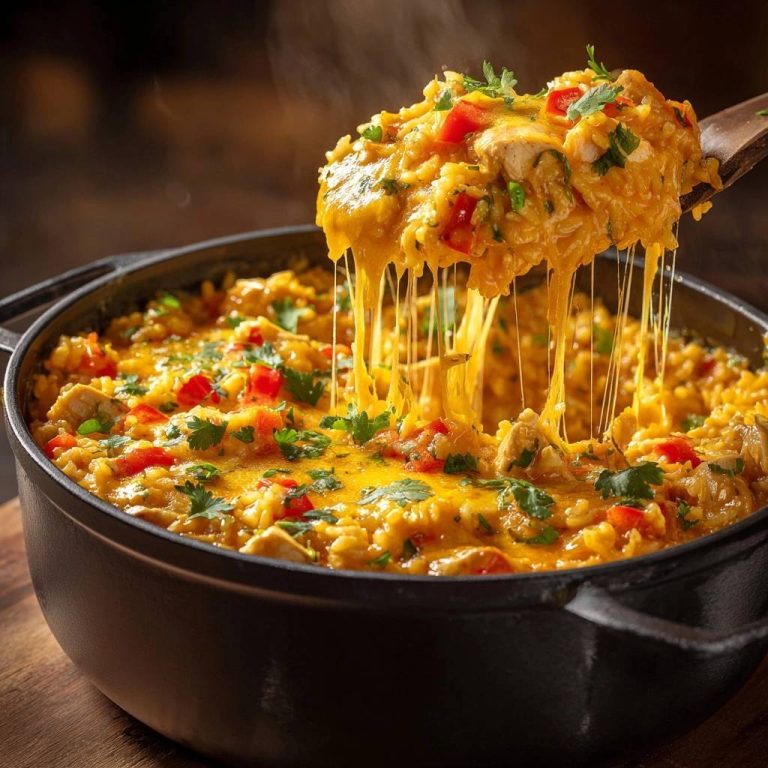
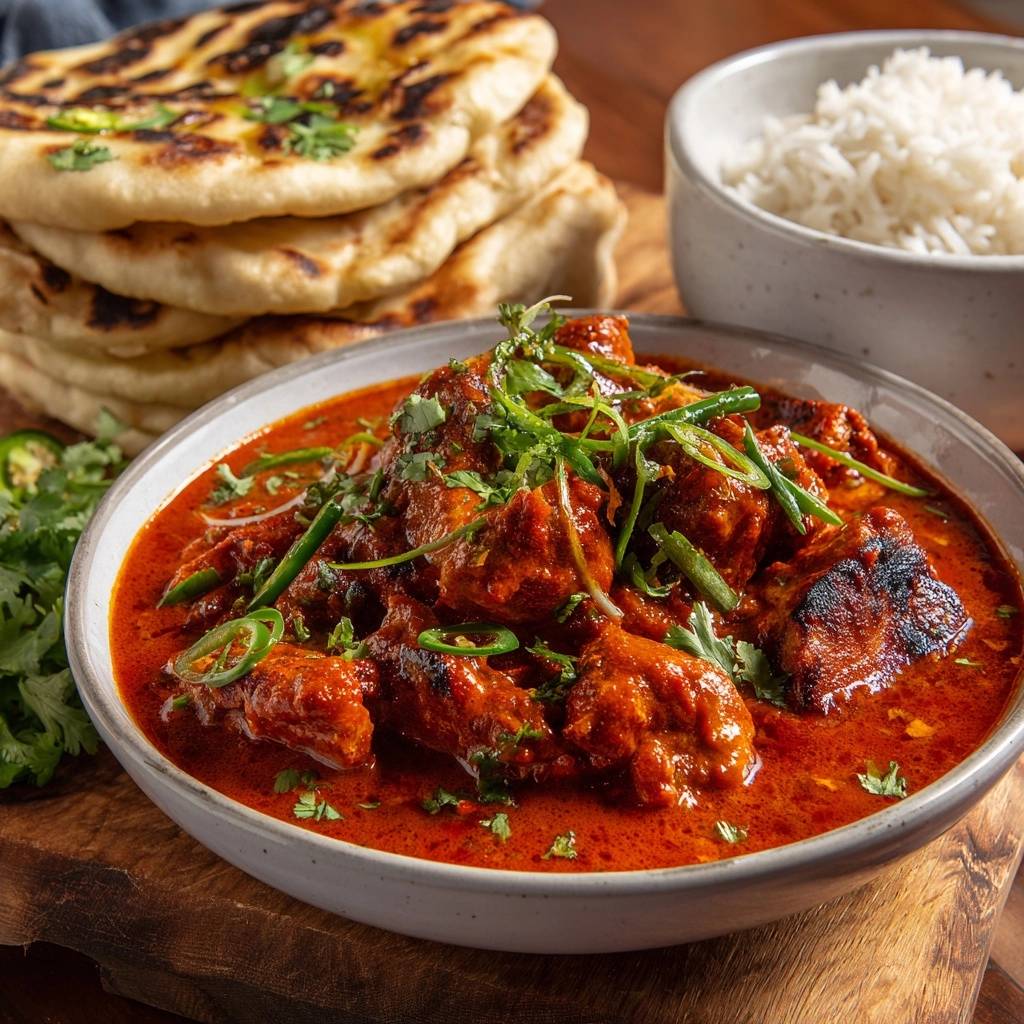
If you love this creamy, spiced sauce, you’ll want to ladle it over the juicy butter chicken with rice.
Garlic naan with visible char marks is also essential. The chewiness of the bread is the perfect partner for the velvet sauce. For a refreshing side, try “Lacha Pyaz”—thinly sliced red onions tossed with lemon juice, salt, and a little cilantro. The acidity cuts through the richness of the butter and cream perfectly.
Troubleshooting Common Sauce Consistency Issues
If your sauce tastes too sour, it usually means the tomatoes didn’t reduce long enough. You can fix this by adding a tiny pinch of sugar or simmering it for a few more minutes. If the sauce breaks and looks oily, try whisking in a tablespoon of warm water very vigorously to bring the emulsion back together.
Dry chicken is usually the result of using breast meat or overcooking it during the sear. Always stick with chicken thighs; they have more fat and connective tissue, which keeps them succulent during the simmering process. If the color looks dull, a tablespoon of tomato paste added early on can give it an extra boost.
Make Ahead Strategies and Storage Tips
Like most stews and curries, Butter Chicken Tikka actually tastes better the next day. As it sits in the fridge, the spices continue to meld and the chicken absorbs more of the sauce’s flavor. It will stay fresh in an airtight container for up to three days.
When reheating, do it slowly on the stovetop over low heat. If you microwave it on high, the butter emulsion will likely break, and you’ll end up with a puddle of oil. Add a splash of water or milk if the sauce has thickened too much in the fridge to bring back that original creamy consistency.
Expert Tips for the Perfect Garnish
Garnishing isn’t just for aesthetics; it adds functional flavor. Freshly julienned ginger provides a sharp, spicy bite that cleanses the palate between heavy, buttery mouthfuls. Similarly, sliced jalapenos or serrano peppers offer a fresh heat that contrasts with the cooked spices in the sauce.
Always add your cilantro at the very last second. The heat of the sauce will wilt it quickly, so you want it to be as bright and fresh as possible when it hits the table. These raw, crunchy elements are what make the dish feel alive and balanced rather than just a bowl of heavy cream.
How should I store leftovers?
Store your Butter Chicken Tikka in an airtight container in the refrigerator for up to 3 days. I don’t recommend freezing this dish because the high fat content from the heavy cream and butter can cause the sauce to separate and become grainy when thawed. If you must freeze it, do so before adding the cream and butter finish, then add those fresh when you reheat the base.
Why is my sauce still runny?
A runny sauce usually happens because the tomato base wasn’t reduced enough or the butter wasn’t emulsified correctly. To fix a runny sauce, you can simmer it uncovered for a few extra minutes before adding the cream. If you’ve already added the cream, try the “cold butter finish” mentioned in the recipe; the cold fat helps thicken the liquid into a glossy coating.
Can I use chicken breast instead of thighs?
You can use chicken breast, but you have to be very careful not to overcook it. Breast meat dries out quickly at high temperatures. If you choose breast meat, cut the chunks slightly larger and reduce the searing time. Chicken thighs are much more forgiving and stay juicy throughout the simmering process, which is why most chefs prefer them for this dish.
What can I use if I don’t have ginger-garlic paste?
If you don’t have pre-made paste, you can easily make your own by grating equal parts fresh ginger and garlic on a microplane. If you are completely out of fresh aromatics, you can substitute 1 teaspoon of garlic powder and 1 teaspoon of ground ginger in the marinade, though the flavor won’t be as pungent or authentic.
How do I prevent the sauce from curdling?
Curdling usually happens when cold dairy is added to a boiling hot, acidic sauce. To prevent this, lower the heat to a gentle simmer before pouring in the heavy cream. You can also “temper” the cream by mixing a spoonful of the hot sauce into the cream container first to warm it up before stirring the whole mixture into the pan.
Butter Chicken Tikka
Course: Main CourseCuisine: IndianDifficulty: medium4
servings20
minutes30
minutes485
kcal50
MinutesA rich and creamy Butter Chicken Tikka recipe that solves the problem of watery sauces. By reducing the tomato base and using the beurre monte technique, this dish achieves a thick, clingy consistency perfect for pairing with naan and rice.
Ingredients
2 lbs chicken thighs, cut into large bite-sized chunks
1 cup plain Greek yogurt
2 tablespoons lemon juice
2 tablespoons ginger-garlic paste
2 tablespoons garam masala, divided
1 tablespoon smoked paprika
1 teaspoon Kashmiri red chili powder (for the deep red color shown)
1 can (15 oz) tomato sauce or tomato puree
1/2 cup heavy cream
6 tablespoons cold unsalted butter, cubed
2 tablespoons vegetable oil
1 teaspoon salt
Fresh cilantro, sliced jalapenos, and julienned ginger for garnish
Basmati rice and charred garlic naan for serving
Directions
- In a large bowl, whisk together yogurt, lemon juice, ginger-garlic paste, 1 tablespoon garam masala, paprika, and chili powder. Add chicken and coat thoroughly. Marinate for at least 30 minutes (or overnight for best results).
- Heat oil in a large heavy-bottomed skillet or cast iron pan over high heat. To achieve the charred “Tikka” look in the image, sear the chicken in batches without overcrowding the pan. Let the chicken develop dark, blackened edges before flipping. Remove chicken and set aside; do not wipe out the pan.
- To solve the watery sauce issue, pour the tomato sauce into the same skillet. Simmer on medium heat for 10 to 12 minutes, stirring constantly. You must reduce the sauce until it turns a deep maroon and the oil begins to separate from the paste. This evaporation is critical for a thick consistency.
- Stir in the remaining 1 tablespoon of garam masala and salt. Lower the heat to medium-low and slowly pour in the heavy cream, stirring until the sauce is a vibrant, uniform orange-red.
- Add the charred chicken and any accumulated juices back into the pan. Simmer for 5-7 minutes until the sauce clings to the chicken and the meat is cooked through.
- Turn off the heat completely. This is the “Texture Lock-In” step: Stir in the cold cubes of butter one by one, whisking gently until each cube is melted before adding the next. This mounting technique (beurre monté) creates the glossy, thick sheen seen in the image and prevents the sauce from becoming runny.
- Garnish heavily with fresh cilantro, sliced jalapenos, and julienned ginger. Serve immediately in a deep bowl alongside fluffy basmati rice and naan with visible char marks.
Notes
- The secret to the thick texture is the tomato reduction and stirring in cold butter cubes at the end after turning off the heat.