Mastering Creamy Mushroom and Shredded Chicken Rotini
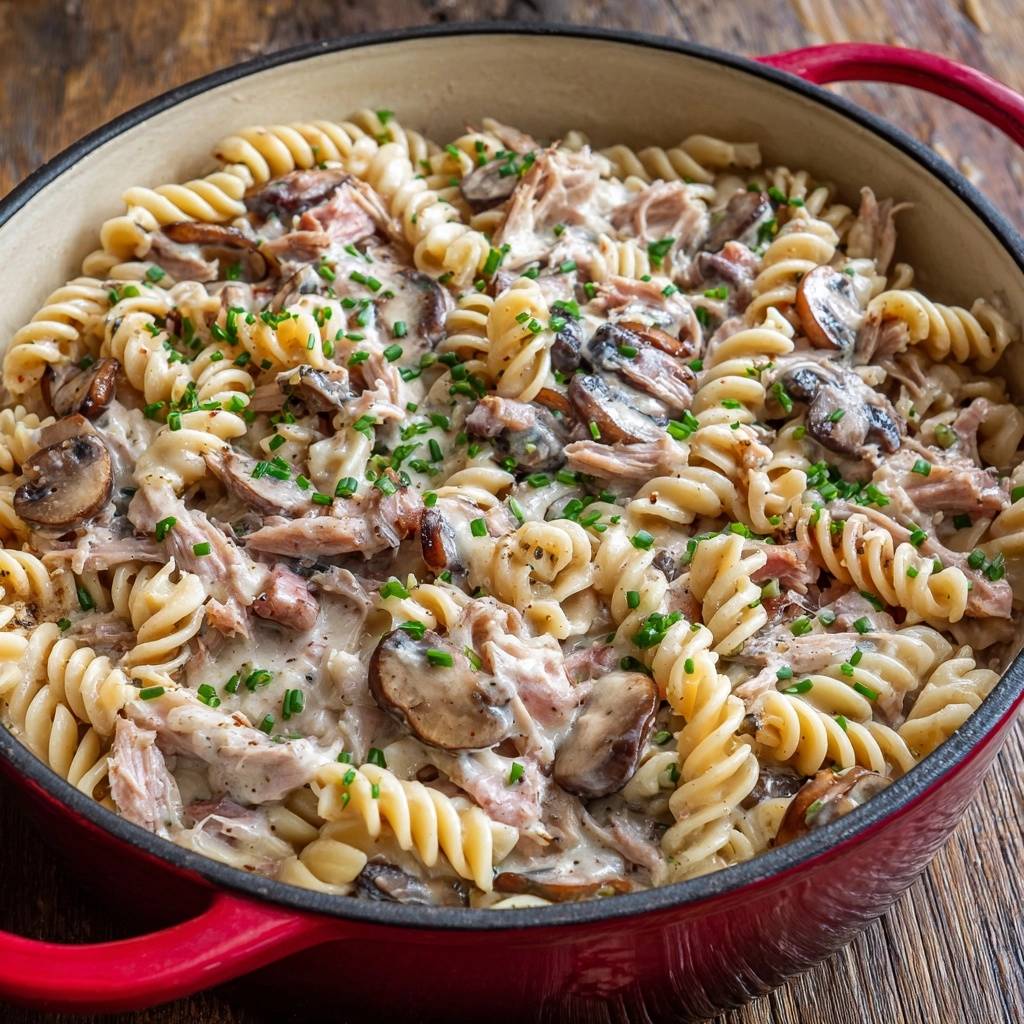
Nothing ruins a cozy dinner faster than a plate of pasta sitting in a puddle of watery, broken sauce. You’ve likely experienced it before: the cream separates, the flavor feels diluted, and the sauce slides right off the noodles instead of hugging them. It’s a common frustration that turns a potentially luxurious meal into a soggy disappointment.
The secret to a restaurant-quality Creamy Mushroom and Shredded Chicken Rotini lies in the science of the emulsion. By mastering a specific reduction technique and finishing the pasta directly in the pan, you create a silky, concentrated glaze. This ensures every bite is rich, velvety, and perfectly coated from the first forkful to the very last.
I’ve found that the real “aha!” moment comes when you stop treating the pasta and sauce as two separate entities. The secret is using undercooked pasta and starchy water to bind the fats together. This “starch-bind” method creates a cohesive sauce that won’t break or turn thin on your plate, giving you that professional finish every single time.
The Science of Emulsion and Starch Binding
Creating a stable cream sauce is more about chemistry than luck. When you combine heavy cream, milk, and cheese, you’re working with a high concentration of fats. Without a stabilizer, these fats naturally want to separate from the liquid, resulting in an oily mess. This is where your “liquid gold”—the starchy pasta water—comes into play.
As the rotini boils, it releases amylose starch into the water. When you add a splash of this cloudy water to your simmering cream, the starch molecules act as a bridge between the water and the fat. This process creates a stable emulsion that thickens the sauce naturally without the need for heavy flours or thickeners that can dull the flavor.
Furthermore, by adding undercooked rotini to the skillet, the pasta finishes its hydration cycle by absorbing the cream sauce itself. The starch on the surface of the noodles interacts with the Parmesan and cream to create a “velcro” effect. Instead of the sauce sitting on top, it becomes part of the pasta, resulting in a glossy, thick coating that stays put.
Essential Components for the Perfect Rotini Base
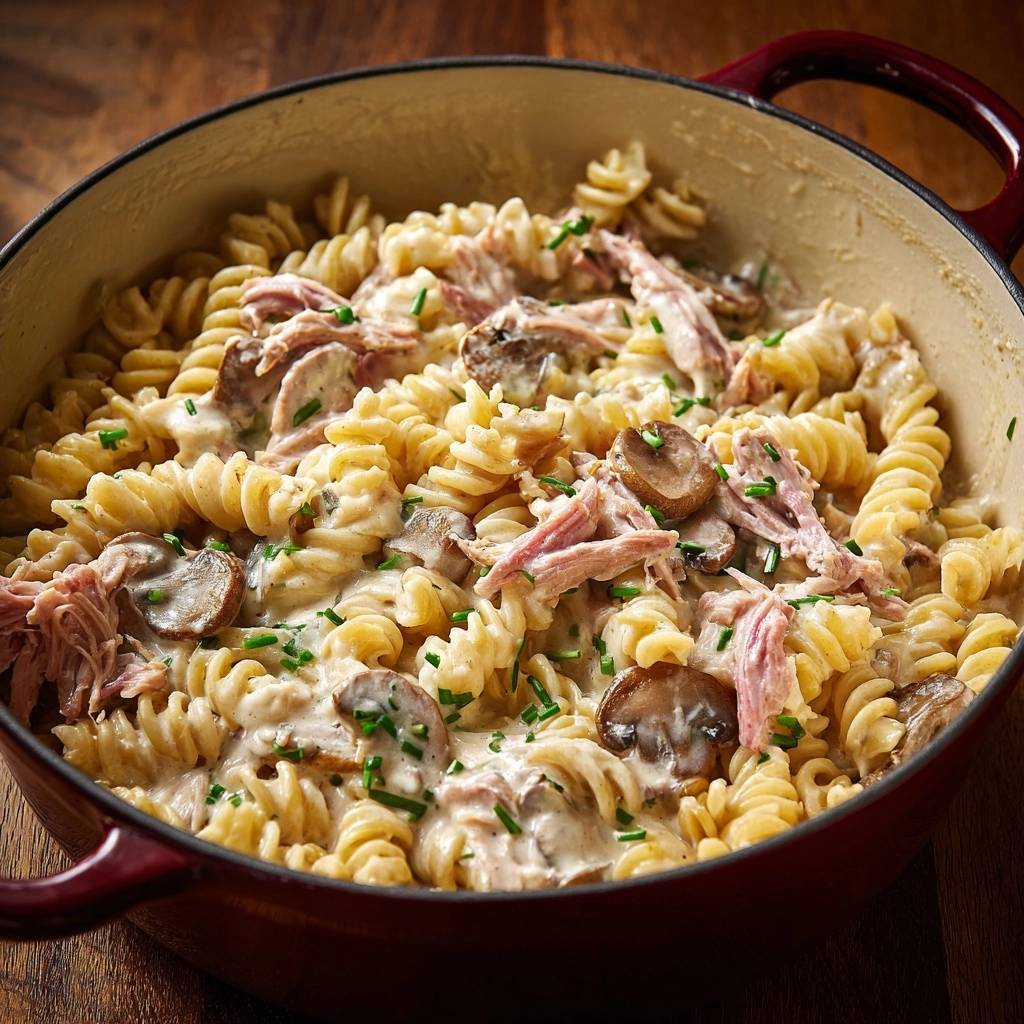
Quality ingredients are the backbone of this dish, and small choices make a massive difference in the final flavor profile. For the mushrooms, I always reach for cremini over standard white buttons. Cremini are just slightly more mature, giving them a deeper, earthier umami flavor and a firmer texture that holds up beautifully against the heavy cream.
When it comes to the protein, shredded chicken thighs are the undisputed winner. While breasts are lean, they tend to dry out and become stringy when reheated in a sauce. Thigh meat contains more connective tissue and fat, which keeps the chicken succulent and tender even as it simmers in the garlic-infused cream.
The most important rule in my kitchen for pasta is to ditch the green shaker can. Pre-shredded Parmesan is coated in potato starch or cellulose to prevent clumping in the container. These anti-caking agents prevent the cheese from melting smoothly, often leading to a grainy or “sandy” sauce. Freshly grating your cheese ensures it melts into a liquid state almost instantly.
Selecting the Right Mushroom Varieties
While cremini are the workhorse of this recipe, you can experiment with different varieties to change the moisture levels. Shiitakes offer a buttery, almost smoky flavor but have less water content, meaning they brown very quickly. Oyster mushrooms are delicate and velvety, but they can get lost if chopped too small. Stick to cremini for a reliable, meaty bite that balances the richness of the chicken.
Why Rotini is the Superior Pasta Shape
Pasta shape isn’t just about aesthetics; it’s about “sauce-trapping” architecture. Rotini features a tight screw-like spiral that creates deep grooves. These channels act like little reservoirs, capturing the minced garlic, bits of thyme, and thick cream. Unlike smooth penne or flat fettuccine, rotini ensures you get a bit of everything in every single mouthful.
Step-by-Step: Achieving the Perfect Sauce Reduction
The first phase is all about the Maillard reaction. You want to sear your sliced mushrooms in a hot pan with butter and oil until they are deep brown. This creates a “fond”—those little brown bits stuck to the bottom of the pan—which provides the foundational savory flavor for your entire sauce.
Next comes the infusion phase. Once the mushrooms are browned, add your minced garlic and dried thyme. You only need about 60 seconds here; you’re looking for the garlic to become fragrant without turning bitter or brown. This aromatic base will permeate the heavy cream as soon as it hits the pan.
During the reduction phase, pour in your cream and milk and turn the heat to medium. Use a wooden spoon to scrape up that mushroom fond. As the liquid simmers, the water evaporates, concentrating the fats and flavors. This is the moment to whisk in your reserved pasta water to begin the thickening process.
The final phase is the marriage. Toss in your undercooked rotini and the Parmesan. You must keep the pasta moving! Constant tossing helps the cheese melt evenly and encourages the pasta to “drink” the sauce. Within two minutes, you’ll see the liquid transform from a thin soup into a concentrated, velvety glaze.
The Secret to Searing Mushrooms Without Steaming
Most people make the mistake of salting mushrooms the moment they hit the pan. Salt draws out moisture immediately, which causes the mushrooms to boil in their own juices rather than sear. Leave them alone in a single layer for at least four minutes without salt. This allows the exterior to caramelize and develop a meaty texture.
The “Under-Cook” Technique for Al Dente Success
If you cook your pasta all the way in the water, it will become mushy once it hits the cream. Boiling the rotini for three minutes less than the package directions is mandatory. The pasta should still have a firm “snap” in the center. It will finish softening in the sauce, soaking up the cream like a sponge.
Troubleshooting Common Cream Sauce Pitfalls
If your sauce looks oily or “broken,” it usually means the heat was too high or it lacked enough starch. You can often fix this by adding a tablespoon of pasta water and whisking vigorously over low heat to re-emulsify the fats. Never let the sauce reach a rolling boil once the cheese is added, as high heat causes the proteins in the cheese to clump.
If your sauce looks oily or “broken,” it usually means the heat was too high or it lacked enough starch, which is why the same careful simmering technique works so well for this creamy garlic chicken penne.
On the flip side, if the sauce becomes too thick or “gloopy,” don’t panic. This usually happens if the pasta sits for too long before serving. Simply stir in a small splash of warm milk or pasta water to loosen the consistency. The goal is a sauce that flows slowly, like warm ganache, rather than a stiff paste.
Flavor Variations and Ingredient Swaps
This recipe is a fantastic canvas for customization. If you want a punch of acidity, try folding in half a cup of chopped sun-dried tomatoes during the garlic infusion phase. For a boost of greens, toss in two cups of fresh baby spinach at the very end; the residual heat will wilt it perfectly without making it slimy.
If you’re looking for a vegetarian-adjacent profile, you can swap the chicken for sautéed leeks or even roasted cauliflower. The leeks provide a soft, onion-like sweetness that pairs beautifully with the earthy mushrooms. Just ensure whatever protein or vegetable you add is relatively dry so it doesn’t water down your carefully reduced sauce.
Optimal Side Dishes for Creamy Pasta
Because this rotini is incredibly rich and savory, you need a side dish that offers a sharp contrast. A simple arugula salad dressed with fresh lemon juice and a pinch of salt is my favorite pairing. The peppery greens and bright acidity cut right through the heavy cream, cleansing your palate between bites.
Roasted balsamic Brussels sprouts are another excellent choice. The charred, slightly bitter edges of the sprouts and the sweet-tart balsamic glaze provide a complex counterpoint to the mellow, earthy flavors of the mushroom sauce. Avoid heavy, buttery garlic bread, which can make the meal feel overly weighted and greasy.
Storage and Reheating for Maximum Creaminess
Cream sauces are notoriously tricky to reheat because the fats tend to separate in the microwave, leaving you with oily noodles. To store, place leftovers in an airtight container for up to three days. I don’t recommend freezing this dish, as the cream and mushrooms can take on a grainy, spongy texture once thawed.
When you’re ready to eat, reheat the pasta in a small skillet over low heat. Add a splash of whole milk or water (about 1-2 tablespoons) to the pan. Cover it for a minute to let the steam loosen the sauce, then stir gently until it becomes creamy again. This “low and slow” method restores the emulsion perfectly.
Expert Tips for Professional Results
Using a heavy-bottomed Dutch oven is much better than a thin aluminum skillet. The thick walls distribute heat evenly, preventing the cream from scorching in hot spots. This consistent temperature is vital for a smooth reduction.
Try “tempering” your cream by taking it out of the fridge 15 minutes before cooking. Adding ice-cold cream to a hot pan can sometimes cause it to curdle or shock the other ingredients. A slightly warmer starting temperature ensures a smoother transition into the sauce.
For the best cheese integration, use a microplane to grate your Parmesan. The resulting “snow-like” texture melts almost instantly upon contact with the heat. This prevents any clumps from forming and ensures the cheese is distributed evenly throughout every spiral of the rotini.
Finally, I prefer using fresh chives over parsley for the garnish. Chives offer a very subtle, delicate onion backnote that complements the garlic and mushrooms without overpowering them. They add a pop of bright color and a fresh crunch that cuts through the richness of the dish.
How do I prevent the chicken from getting dry?
The best way to keep the chicken moist is to use shredded thigh meat and add it back into the pan only after the mushrooms are browned. Since the chicken is already cooked, you are simply warming it through and allowing it to absorb the sauce. Avoid over-sautéing the chicken in the initial stages, as prolonged direct heat will toughen the fibers.
Can I use a different type of pasta if I don’t have rotini?
Yes, you can substitute rotini with other “textured” shapes like fusilli, cavatappi, or radiatori. These shapes all feature ridges or spirals designed to hold onto thick sauces. Avoid long, smooth noodles like spaghetti or linguine for this specific recipe, as the heavy chunks of chicken and mushrooms will simply fall to the bottom of the bowl.
What is the best way to store and reheat leftovers?
Store your leftovers in an airtight container in the refrigerator for up to 3 days. To reheat, avoid the microwave if possible. Instead, place the pasta in a skillet over low heat with a tablespoon of milk. Stir gently as it warms; the milk will help re-incorporate the fats and bring the sauce back to its original velvety consistency.
Why is my sauce grainy even though I followed the steps?
Graininess is almost always caused by using pre-shredded cheese from a bag. Those products contain cellulose to keep the shreds separate, which does not melt. Another culprit could be overheating the sauce after the cheese is added. Once the Parmesan goes in, keep the heat on medium or low and remove the pan from the burner as soon as the sauce is smooth.
Can I make this recipe dairy-free?
While you can use dairy-free alternatives, the chemistry of the “starch-bind” works best with the fats found in heavy cream and animal-based cheese. If you must substitute, use a high-fat cashew cream or full-fat coconut milk (though this will change the flavor). Be aware that the sauce may not emulsify in the exact same way without the proteins found in traditional dairy.
Chicken Rotini
Course: Main CourseCuisine: AmericanDifficulty: easy4
servings15
minutes20
minutes580
kcal35
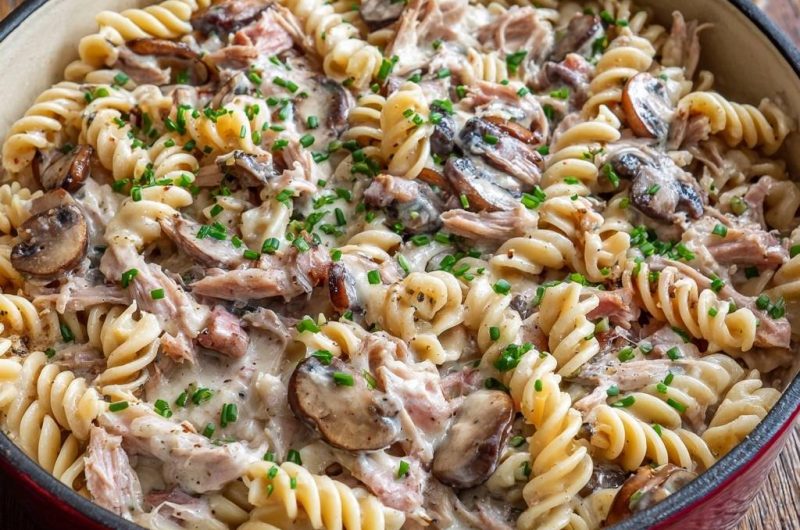
MinutesA rich and savory pasta dish featuring rotini, seared cremini mushrooms, and tender shredded chicken tossed in a garlic and parmesan cream sauce that is engineered to cling perfectly to the noodles.
Ingredients
1 pound rotini pasta
2 cups cooked chicken, shredded (thigh meat recommended for moisture)
1 pound cremini mushrooms, sliced
3 cloves garlic, minced
1.5 cups heavy cream
1/2 cup whole milk
3/4 cup freshly grated Parmesan cheese
2 tablespoons unsalted butter
1 tablespoon olive oil
1/2 cup reserved starchy pasta water
1/4 cup fresh chives, finely chopped
1/2 teaspoon dried thyme
Salt and cracked black pepper to taste
Directions
- Bring a large pot of heavily salted water to a boil. Cook the rotini for 3 minutes less than the package directions for al dente. The pasta must be firm and undercooked, as it will finish cooking in the sauce to absorb the cream.
- While the pasta cooks, heat olive oil and butter in a large Dutch oven or deep skillet over medium-high heat. Add the mushrooms in a single layer. Do not salt them yet. Let them sear undisturbed for 4 minutes until deep golden brown.
- Once the mushrooms are browned, add the minced garlic, dried thyme, and shredded chicken. Season with a pinch of salt and plenty of cracked black pepper. Sauté for 2 minutes until the garlic is fragrant.
- Before draining the pasta, scoop out 1 cup of the starchy pasta water. Drain the rest of the pasta.
- Lower the skillet heat to medium. Pour in the heavy cream and milk. Bring to a gentle simmer, scraping the bottom of the pan to release the flavorful browned bits (fond) from the mushrooms.
- Add 1/2 cup of the reserved starchy pasta water to the simmering cream. Whisk gently; the starch acts as a natural binder to prevent the sauce from breaking.
- Fold in the undercooked rotini and the Parmesan cheese. Toss constantly for 2 to 3 minutes over medium heat. As the pasta finishes cooking, it will “drink” the excess moisture, thickening the sauce into a concentrated glaze that coats the spirals perfectly.
- If the sauce becomes too thick, add a splash more pasta water. Remove from heat immediately once the sauce is velvety. Garnish generously with fresh chives and extra black pepper before serving.
Notes
- The secret to the non-watery sauce is undercooking the pasta by 3 minutes and finishing it in the sauce with reserved starchy pasta water to create a perfect emulsion.