Mastering Hearty Tomato Chicken Noodle Soup Without Mushy Pasta
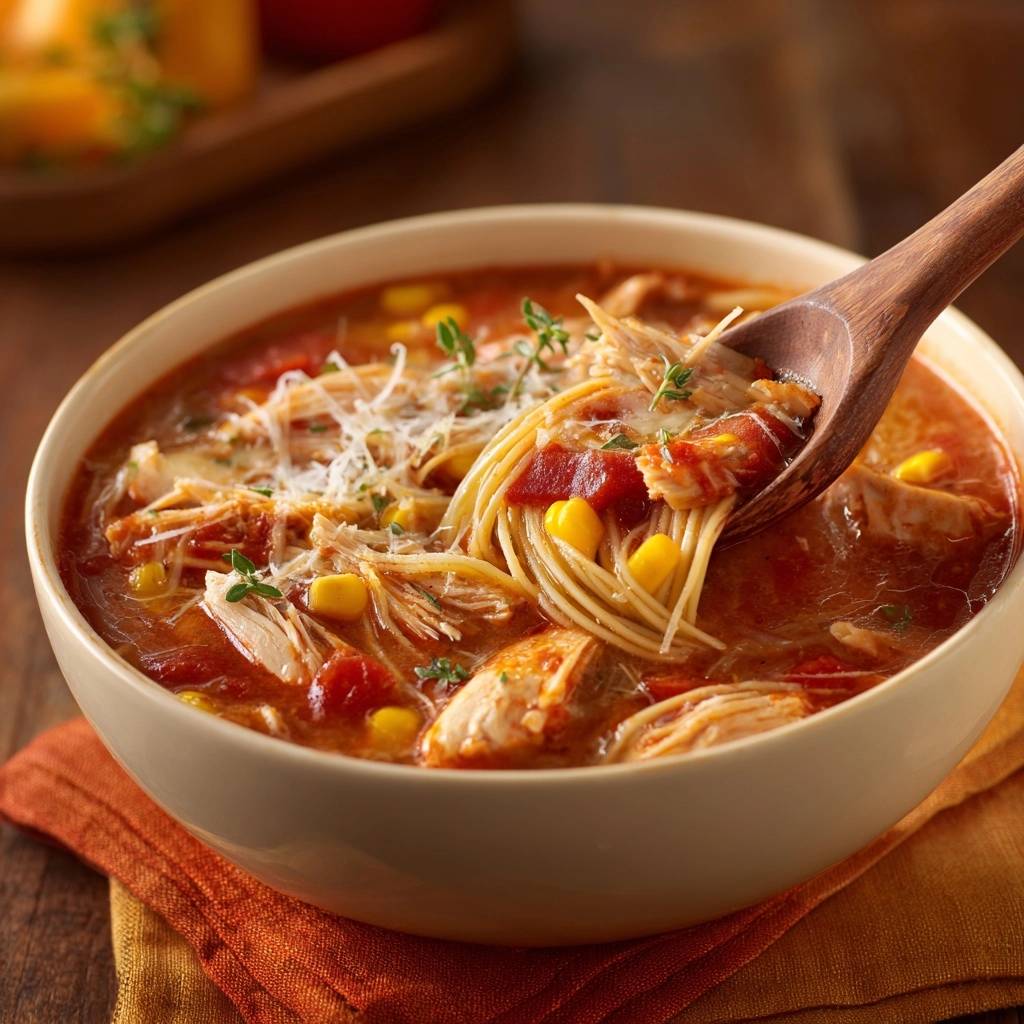
Imagine a bowl of soup where the broth is a vibrant, sunset red and the noodles actually hold their shape instead of dissolving into a cloudy mess. Most home cooks have faced the “leftover bloat” disaster, where a beautiful pot of soup turns into a thick, gummy porridge by the next morning. This Hearty Tomato Chicken Noodle Soup changes that narrative by focusing on the chemistry of thin pasta and a high-heat, rapid-finish method.
The secret lies in the combination of fire-roasted tomatoes and delicate angel hair pasta. While traditional egg noodles act like sponges that soak up every drop of liquid, angel hair requires a precise “immediate-stop” cooking technique. This ensures the noodles stay perfectly al dente while the broth remains plentiful and clear.
I’ve found that the acidity of the tomatoes provides a bright backbone that cuts through the richness of the chicken. By mastering the timing, you can serve a soup that looks and tastes like it came from a high-end bistro. The key is understanding how starch reacts to heat, which we will break down step by step.
The Science of Preventing Over-Expanded Noodles
Pasta is essentially a network of gluten proteins trapping starch granules. When you drop capellini, or angel hair, into boiling broth, those starch granules hydrate almost instantly because the noodle has such a high surface-area-to-volume ratio. Unlike thick rotini, which takes ten minutes to soften, angel hair reaches its peak texture in a fraction of that time.
Carry-over cooking is the silent enemy of a good noodle soup. Even after you turn off the burner, the residual heat in the liquid continues to cook the pasta. If you leave the pot on a hot stove, the noodles will continue to expand until they lose all structural integrity. This is why removing the pot from the heat source entirely is a non-negotiable step for maintaining a clear broth.
By stopping the heat the moment the noodles are flexible, you allow the pasta to finish softening in the bowl rather than in the pot. This prevents the starch from leaching out and thickening the soup into a stew-like consistency. You want a distinct separation between the silky strands of pasta and the savory tomato base.
Essential Components for a Robust Tomato Base
The foundation of this soup relies on fire-roasted diced tomatoes rather than standard canned varieties. Fire-roasted tomatoes are charred over an open flame before canning, which adds a subtle smokiness and a deeper sweetness. This depth of flavor makes the soup taste like it simmered for hours when it actually took less than thirty minutes.
Using low-sodium chicken broth is another professional move that gives you total control over the seasoning. Standard broths can be salt bombs, and as the liquid reduces during the boil, that saltiness intensifies. By starting with a low-sodium base, you can aggressively season the chicken itself, which builds layers of flavor from the bottom up.
The aromatics—dried thyme, garlic powder, and onion powder—need a moment to “bloom.” When these dried herbs hit the hot olive oil and chicken fat in the pan, they release their essential oils. This creates a fragrant, savory oil that coats the tomatoes and corn, ensuring every spoonful is packed with herbal notes.
Selecting the Right Chicken Cut
For a quick 25-minute meal, boneless skinless chicken breasts are the superior choice. While thighs are great for long braises, breasts sear beautifully and shred into clean, tender ribbons that catch the tomato broth. Searing the whole breast first is vital because it creates a Maillard reaction—that golden-brown crust that adds savory complexity to the entire pot.
Why Angel Hair Pasta is the Secret Weapon
Angel hair pasta is the secret weapon because it respects the broth. Thicker noodles like ditalini or wide egg noodles often dominate the dish, making it feel heavy. The thin strands of capellini provide a delicate mouthfeel that complements the acidity of the tomatoes without overwhelming the other ingredients. Plus, the 2-minute cook time means dinner is ready faster.
Step-by-Step: Searing and Shredding for Maximum Flavor
Start by heating your olive oil until it shimmers. When you place the seasoned chicken in the pot, you should hear a loud, aggressive sizzle. Don’t move the meat for at least five minutes; you want that deep brown crust to form. This “fond” on the bottom of the pot is concentrated flavor that will eventually dissolve into your broth.
Once the chicken is cooked through, move it to a cutting board and let it rest. This five-minute pause is the difference between juicy chicken and dry, stringy meat. Resting allows the juices to redistribute through the fibers. When you finally shred it with two forks, the meat will stay moist even after it’s added back to the hot liquid.
The Rapid-Boil Assembly and Timing Strategy
After removing the chicken, pour in the broth and use a wooden spoon to scrape up those browned bits from the bottom. This is called deglazing, and it’s how you get a rich, dark base. Bring the liquid to a vigorous, rolling boil before adding the fire-roasted tomatoes and the sweet corn. The corn adds a necessary pop of sweetness to balance the tomato acidity.
Now comes the critical timing. Add the angel hair and set a timer for exactly two minutes. At the 90-second mark, stir the shredded chicken back in just to warm it through. As soon as that timer hits two minutes, pull the pot off the burner. Do not let it sit on the warm element, or the noodles will start their transformation into mush.
Troubleshooting Your Hearty Tomato Chicken Noodle Soup
If you find that your broth has reduced too much during the boil, don’t panic. Simply splash in a half-cup of hot water or extra broth to loosen it up. If you aren’t planning to serve the soup immediately, the best fix is to cook the noodles separately and add them to individual bowls. This keeps the pasta from sitting in the liquid and growing too large.
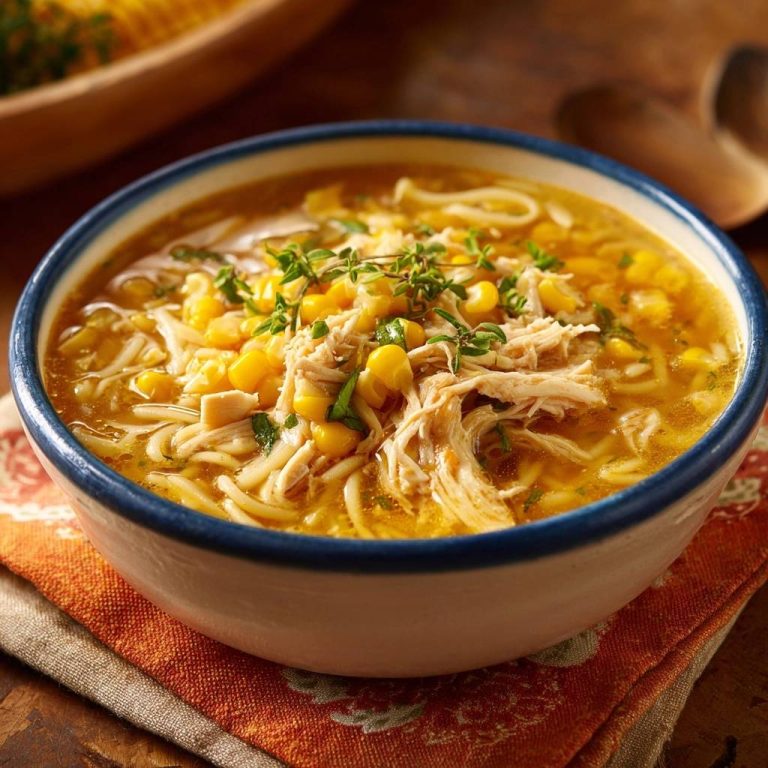
If the broth reduces too much, the same broth-adjusting trick works well for this chicken corn noodle soup.
Sometimes canned tomatoes can be a bit too acidic depending on the brand. If the broth tastes a little sharp, add a tiny pinch of granulated sugar. The sugar doesn’t make the soup sweet; it simply rounds out the harsh edges of the tomato. Alternatively, an extra sprinkle of parmesan cheese adds enough fat and salt to balance the acidity perfectly.
Flavor Variations and Ingredient Swaps
This recipe is a fantastic canvas for modifications. If you want more greens, stir in a handful of fresh baby spinach right when you remove the pot from the heat. The residual warmth will wilt the leaves in seconds without turning them gray. You can also swap the sweet corn for fire-roasted corn to double down on the smoky profile of the tomatoes.
For those avoiding dairy, you can skip the parmesan garnish. A heavy squeeze of fresh lemon juice right before serving provides a similar brightness and “lift” to the broth. Nutritional yeast is another great dairy-free alternative that offers a nutty, cheesy flavor that pairs exceptionally well with the dried thyme and garlic.
Optimal Pairings for a Complete Meal
Because this soup has a bright, acidic profile, it pairs best with earthy or neutral sides. A thick slice of toasted sourdough is perfect for mopping up the tomato broth. The tang of the bread mirrors the acidity of the soup while the crunchy crust provides a textural contrast to the soft angel hair noodles.
If you want a side salad, go for bitter greens like arugula or radicchio. These greens stand up well to the bold flavors of the fire-roasted tomatoes. Avoid overly sweet dressings; a simple vinaigrette with olive oil and balsamic will keep the meal feeling balanced and sophisticated.
Storage and Reheating: The “No-Mush” Protocol
Storing noodle soup requires a specific strategy. If you have leftovers, use a slotted spoon to remove the noodles and store them in a separate airtight container from the broth. If they sit together overnight, the noodles will drink up all the soup, leaving you with a thick paste the next day.
To reheat, bring the broth to a simmer on the stove first. Once the liquid is hot, drop the cold noodles into the pot for only 30 seconds. This is just enough time to take the chill off the pasta without overcooking it. This method ensures your second-day lunch tastes just as fresh as the original dinner.
Expert Tips for Professional Presentation
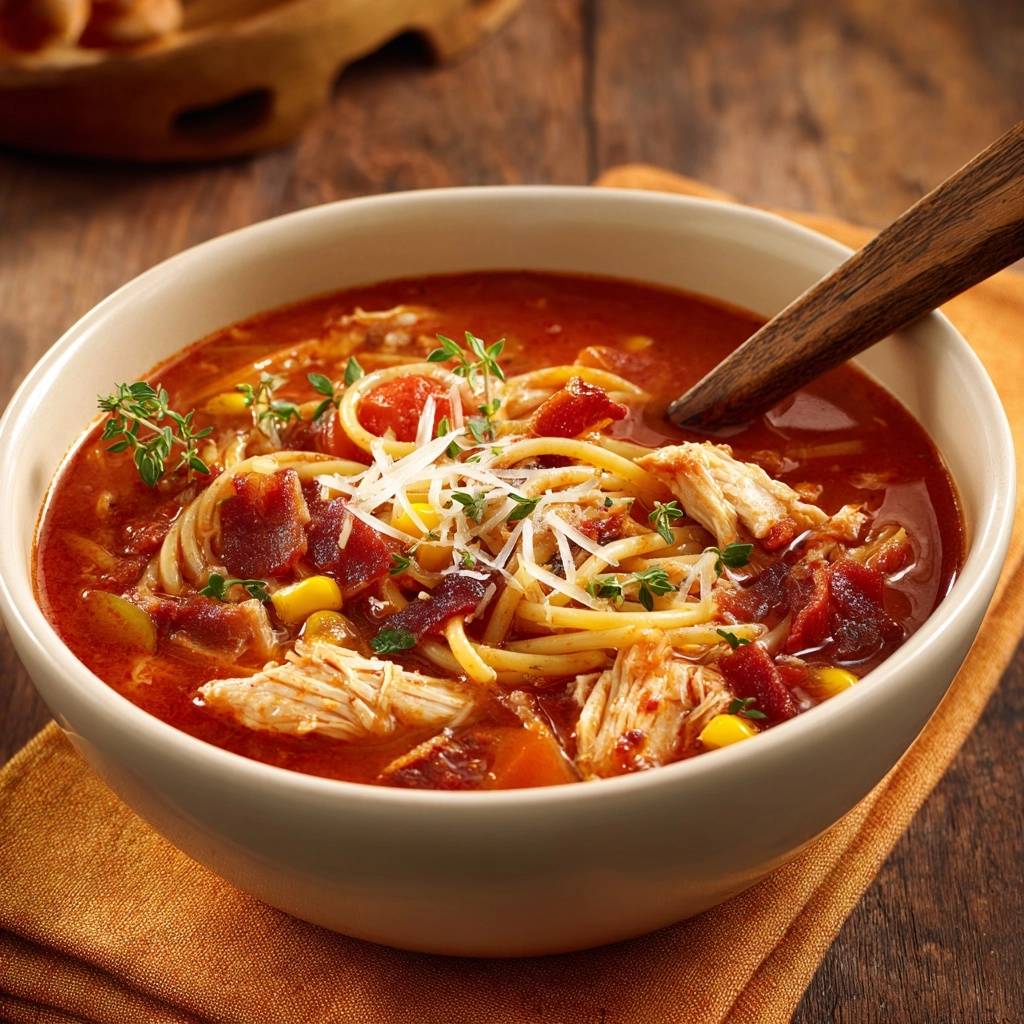
To get that restaurant-style look, use a pair of tongs to twirl the angel hair into a “nest” in the center of the bowl before ladling the broth and chicken around it. This keeps the noodles front and center. Use finely shredded parmesan rather than the powdered kind; the long shreds will melt into the hot broth, creating silky ribbons of cheese.
Finally, don’t skip the fresh thyme sprigs. While the dried thyme provides the base flavor, the fresh garnish gives off an immediate aromatic hit as the bowl hits the table. It signals to your guests that the dish is fresh, thoughtful, and far beyond a standard canned soup experience.
Frequently Asked Questions
Can I use fresh tomatoes instead of canned?
You can use fresh tomatoes, but you will need to peel and seed them first to avoid tough skins and excess water. Roma tomatoes work best because they have a lower moisture content. Roast them in the oven with a bit of olive oil until charred to mimic the fire-roasted flavor of the canned version.
How do I scale this recipe for a large crowd?
When doubling or tripling this recipe, the biggest challenge is the pasta. In a large pot, the noodles in the center take longer to cool down. For a crowd, I recommend boiling the angel hair in a separate pot of water, draining it, and placing a portion of noodles in each bowl before pouring the hot tomato and chicken broth over the top.
Is there a gluten-free alternative for angel hair?
Rice vermicelli is an excellent gluten-free substitute for angel hair. It has a very similar thickness and cooks even faster. However, be aware that rice noodles release more starch, so you should rinse them under cold water after boiling if you aren’t serving the soup immediately to prevent sticking.
Can I make this in a slow cooker or pressure cooker?
This specific recipe is designed for the stovetop because the quick-boil method is what keeps the delicate noodles from falling apart. A slow cooker would turn angel hair into mush within an hour. If you must use a slow cooker, cook the chicken and broth base for 4 hours, then add the noodles only in the last 5 minutes of cooking.
What if my broth is too salty?
If the broth tastes too salty, you can use the “potato trick.” Drop a peeled, halved potato into the simmering broth for about 10 minutes. The potato acts like a sponge for salt. Remove the potato before adding your noodles. Alternatively, you can dilute the soup with a splash of water and a squeeze of lemon juice to balance the sodium.
Tomato Chicken Noodle Soup
Course: Main CourseCuisine: AmericanDifficulty: easy4
servings15
minutes25
minutes360
kcal40
MinutesA vibrant and savory chicken noodle soup featuring fire-roasted tomatoes, sweet corn, and shredded chicken. This recipe uses a specific timing method with angel hair pasta to ensure the noodles stay al dente and the broth remains plentiful.
Ingredients
1 pound boneless skinless chicken breasts
4 cups low sodium chicken broth
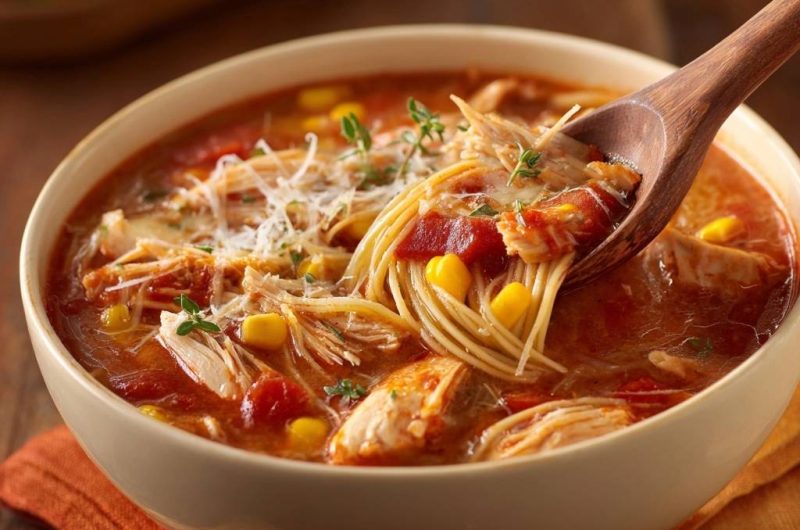
1 can (14.5 oz) fire-roasted diced tomatoes (for the visible chunks in the image)
1 cup frozen sweet corn
4 oz angel hair pasta (capellini)
2 tablespoons olive oil
1 teaspoon dried thyme
1/2 teaspoon garlic powder
1/2 teaspoon onion powder
Salt and black pepper to taste
1/4 cup finely shredded parmesan cheese
Fresh thyme sprigs for garnish
Directions
- Heat olive oil in a large pot over medium-high heat. Season the whole chicken breasts with salt, pepper, garlic powder, and onion powder. Sear the chicken for 5-6 minutes per side until golden brown and cooked through. Remove from the pot and let rest for 5 minutes before shredding with two forks.
- In the same pot (keeping the browned bits for flavor), pour in the chicken broth and the diced tomatoes with their juices. Bring the liquid to a vigorous boil.
- Add the sweet corn and dried thyme to the boiling broth. Let boil for 2 minutes.
- Add the angel hair pasta. Because angel hair is extremely thin, it cooks very quickly. To solve the mushy pasta problem, boil the noodles for only 2 to 3 minutes.
- Immediately stir the shredded chicken back into the pot just to warm it through (about 30 seconds).
- Remove the pot from the heat source instantly. This is the critical step to stop the pasta from over-expanding.
- Ladle the soup into bowls immediately. Top with a generous nest of finely shredded parmesan cheese and fresh thyme sprigs as shown in the image. Serving the soup the moment it is finished ensures the noodles maintain their distinct, thin structure and the broth stays clear and abundant.
Notes
- To prevent the pasta from absorbing all the broth, remove the pot from the heat source immediately after the noodles have cooked for 2 to 3 minutes and serve right away.