Crispy Chicken Tenders That Stay Crunchy
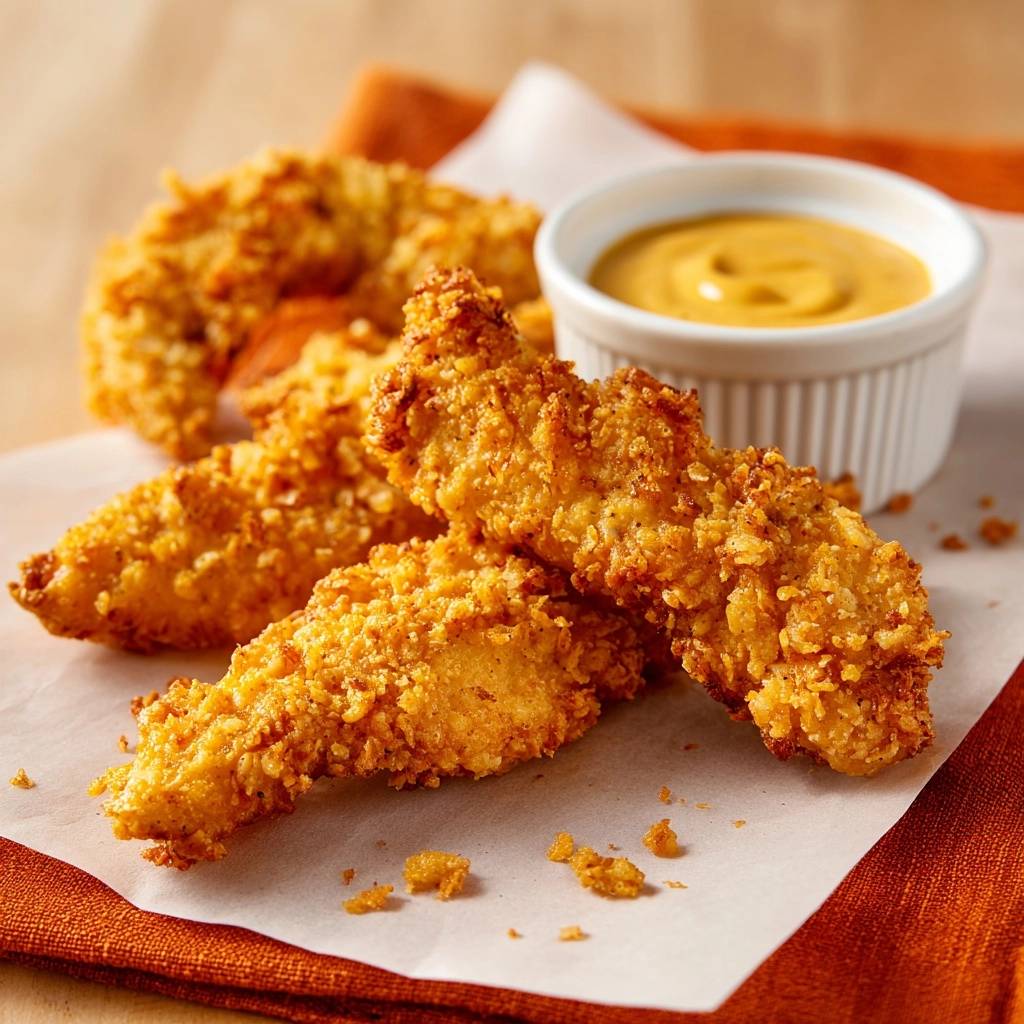
Oh man, nothing’s worse than biting into homemade crispy chicken tenders only to get a soggy, disappointing mess. You’ve been there, right? Those tenders that start crunchy but turn limp minutes later. This recipe fixes that with a triple-dredge method and hot-oil frying that locks in the crunch for hours.
Therefore, you get restaurant-quality crispy chicken tenders every time, even for beginners. In addition, the simple yellow mustard dip cuts through the richness perfectly. No more takeout runs when you crave that satisfying snap.
Here’s the pro tip that seals it: pat the chicken completely dry first. That simple step removes moisture so the breading grips tight and never slides off. You’ll taste the difference immediately.
The same dry-patting trick is key for these crispy chicken tenders too.
Why Home Crispy Chicken Tenders Fail
Moisture Traps in Breading Layers
Excess moisture on chicken tenders wrecks everything. It seeps into the breading layers, breaking surface tension and causing the coating to slide off or soak through during frying. However, patting them bone-dry changes that.
You create a grippy surface where flour adheres perfectly. Therefore, no steam builds up inside, and your crispy chicken tenders stay ultra-crunchy. It’s basic science, but most folks skip it and end up disappointed.
Chilling Step Seals the Crunch
After dredging, that 15-minute fridge chill firms up the layers. The cold sets the egg wash and panko, preventing separation when you hit the hot oil. Room-temp breading? It steams and softens fast.
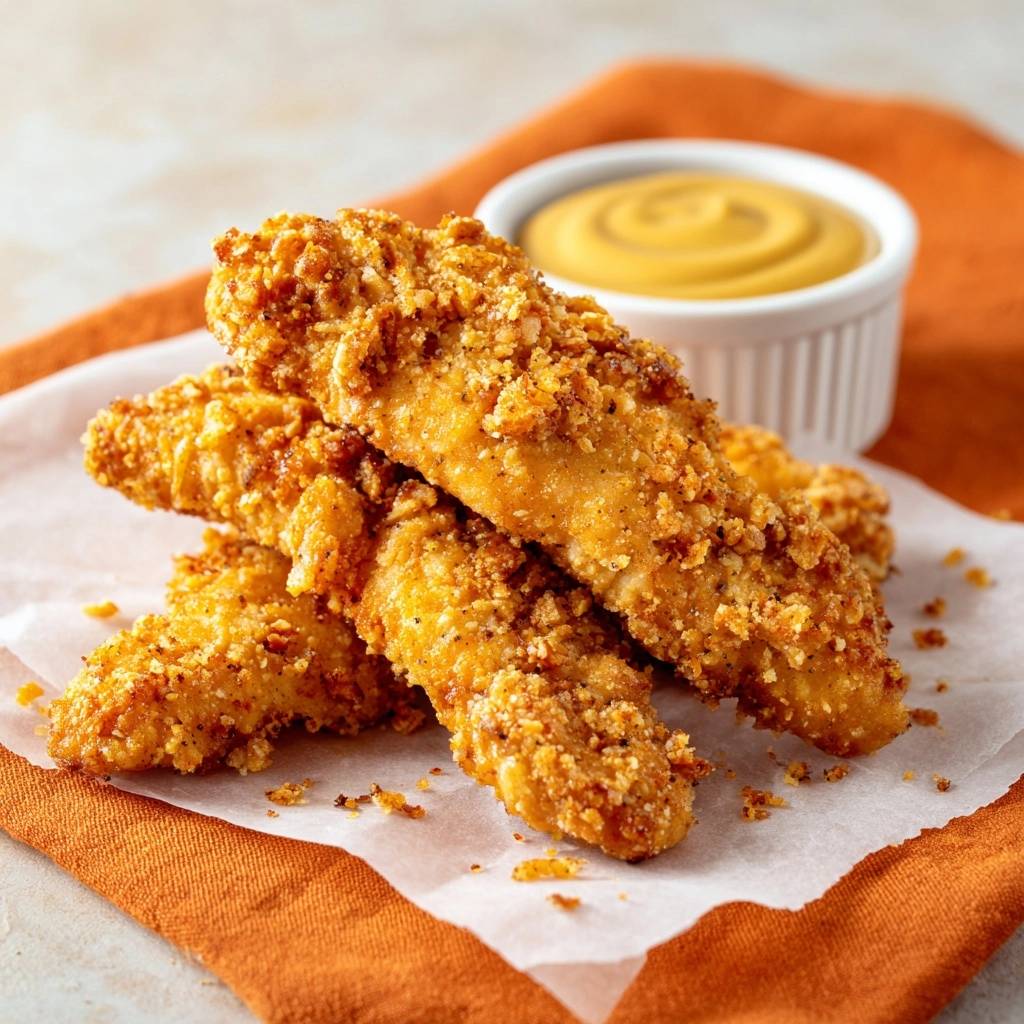
Picture this: chilled tenders fry to a shatteringly crisp shell, while unchilled ones go limp quick. In addition, it makes handling easier without crumbs flying everywhere. Game-changer for perfect results.
If you enjoy the crispy texture of these tenders, try this technique with juicy fried chicken for a savory-sweet twist.
Essential Ingredients for Crunchy Chicken Tenders
Chicken Tenders Prep Basics
Grab 1 pound of fresh chicken tenders, about 8 pieces. Uniform size ensures even cooking, so no raw centers or overdone edges. Pat them completely dry with paper towels; it’s crucial for breading adhesion.
Moisture repels coatings, but dry tenders let everything stick. Therefore, your crispy chicken tenders hold up beautifully. Fresh ones taste brighter too.
Flour, Egg, Panko Triple Dredge
Start with 1 cup all-purpose flour for the base grip. Then, beat 2 large eggs with 1 tablespoon water for sticky egg wash that binds everything. Finally, 2 cups panko breadcrumbs deliver light, airy crunch.
Panko beats regular breadcrumbs because it’s coarser and absorbs less oil. In addition, season as directed for flavor that pops. This triple setup creates an unbreakable barrier.
Seasonings and Frying Oil Role
Mix 1 teaspoon each garlic powder and paprika, plus 1 teaspoon salt and 1/2 teaspoon black pepper into the panko. Split half the salt and pepper into the flour too. Vegetable oil, about 2 cups, handles high heat without burning.
For dipping, 1/2 cup yellow mustard adds tangy contrast. Therefore, each bite balances crispy richness. These keep things simple yet bold.
Science of Triple Dredge for Crispy Chicken Tenders
Layered Coating Adhesion Mechanics
Flour dusts the chicken, creating tiny starch hooks. Egg wash glues it down, and panko presses in for texture. Heat triggers starch gelatinization, forming a moisture-proof seal.
Press firmly on all sides; gentle pats won’t cut it. Therefore, no gaps mean no sogginess later. It’s why this method outperforms single dips every time.
In addition, the water in egg wash thins it just right for even coverage. You’ll see the transformation from loose crumbs to a solid armor.
Hot Oil Frying Temperature Precision
Aim for 350 degrees F in 1/2 inch of oil. That sizzle crisps the outside instantly, sealing steam inside the chicken where it belongs. Too low? It steams the breading soft.
Test with a breadcrumb; immediate fizz means you’re good. Fry in batches to hold the temp steady. Therefore, every crispy chicken tender emerges golden and dry.
Step-by-Step Crispy Chicken Tenders Method
Dry and Setup Dredging Stations
Pat tenders dry thoroughly; feel for no damp spots. Set up three shallow bowls: flour with 1/2 teaspoon salt and pepper in the first, beaten eggs plus water in the second, seasoned panko in the third.
Everything at hand keeps you moving smooth. Therefore, no soggy mishaps from rushing. Smell that garlicky panko mix? You’re set for success.
Triple Dredge and Press Technique
Dredge each tender in flour, shake off excess to avoid clumps. Dip fully in egg wash, let drip a second. Then press into panko thickly on all sides.
Handle gently; rough tugs loosen layers. In addition, that firm press locks it tight. Watch the coating transform to a shaggy, even shield.
Chill, Heat Oil, Fry to Golden
Chill breaded tenders on a plate for 15 minutes. Heat oil to 350 degrees F in a large skillet. Fry 3-4 at a time, 3-4 minutes per side till deep golden.
Drain on a wire rack over a baking sheet; paper towels trap steam and soften. Rest 2 minutes. Therefore, maximum crunch awaits.
Quick Mustard Dipping Sauce Pair
Serve hot with 1/2 cup yellow mustard on the side. Its sharpness slices through the fried richness perfectly. Dip and crunch away.
Want a twist? Mix in a touch of honey if you like sweet tang. Keeps it effortless.
Equipment Choices for Perfect Crispy Chicken Tenders
Skillet and Thermometer Essentials
Use a large skillet for 1/2-inch oil depth; it fits batches without overflow. An instant-read thermometer nails 350 degrees F precisely. No guesswork means no greasy fails.
No thermometer? Drop a breadcrumb; steady sizzle confirms heat. Therefore, you control the crisp every time. Cast iron holds temp like a champ too.
Wire Rack Draining Advantage
Wire rack over a baking sheet lets air circulate, keeping bottoms crisp. Paper towels? They steam and sog the breading. Chill on a plate beforehand.
Tongs flip safely without piercing. In addition, this setup prevents pooling oil. Pro move for lasting crunch.
Avoiding Crispy Chicken Tenders Pitfalls
Preventing Soggy Breading Disasters
Top culprits: skipping the dry pat, no chill time, low oil temp, or paper towel drain. Each traps moisture and ruins texture. Follow this recipe, and they vanish.
Overmixing panko? It compacts and steams. Therefore, gentle pressing wins. Your tenders stay shatter-crisp for hours.
Overcrowding and Temp Drop Fixes
Max 3-4 tenders per batch; more drops temp, causing greasy results. Watch for slow bubbles, sign of cool oil. Remove extras and wait for recovery.
In addition, adjust heat between batches. Therefore, consistent goldens every time. Patience pays off big.
Flavor Twists on Crispy Chicken Tenders
Spice Blend Swaps for Variety
Swap paprika and garlic for cayenne if you crave heat, or Italian herbs for herby vibes. Lemon zest adds bright zing too. Keep panko base for crunch.
Test small batches first. Therefore, you dial in your perfect crispy chicken tenders without waste. Family loves the options.
Baking Adaptation for Less Oil
For oven, preheat to 425 degrees F, place on oiled wire rack, spray tops with oil, bake 20 minutes flipping halfway. Air fryer works at same temp, 10-12 minutes.
Crunch is good, not quite fried-level. In addition, less splatter means easier cleanup. Solid weeknight hack.
What to Serve with Crunchy Chicken Tenders
These crispy tenders call for sides that match their texture or offer a cool contrast. Here are two reliable options.
- For another crunchy veggie bite, try these Crispy Zucchini Fritters – they use a similar pan-fried technique and hold up well alongside chicken.
- A creamy Perfect Creamy Potato Salad balances the crunchy chicken with soft, tangy bites and keeps the meal hearty.
Pairing Sides with Crispy Chicken Tenders
Crisp Veggie and Slaw Matches
Coleslaw’s creamy crunch contrasts the breading beautifully. Cucumber salad adds cool freshness, or roasted broccoli brings charred edges. Shred cabbage, toss with vinegar and a touch of mayo for slaw.
These keep textures varied. Therefore, the plate pops with every bite.
Starch and Sauce Companions
Oven fries or sweet potato wedges soak up dips nicely. Upgrade mustard with honey for sweetness. Balance keeps meals exciting.
Fries crisp at 425 degrees F alongside if baking tenders. Smart multitasking.
Make-Ahead Crispy Chicken Tenders Guide
Breading and Freezing Workflow
Bread fully, chill 15 minutes, then freeze uncooked on a sheet before bagging up to 3 months. Thaw in fridge before frying. Or par-fry 2 minutes, freeze, finish later.
Therefore, dinner’s ready fast. Pro tip: label bags with dates. Effortless meal prep.
Reheating for Renewed Crunch
Oven at 375 degrees F on wire rack for 10-12 minutes, or air fryer 5 minutes. Skip microwave; it steams soft. Crisp returns every time.
Troubleshooting Crispy Chicken Tenders Issues
Breading Won’t Stick Solutions
Breading slides off? You skipped patting dry or chilling. Soggy overall? Weak egg wash or no press. Pat extra firm next time, chill fully.
Therefore, adhesion locks in. Fresh eggs help too. Fixes nail it.
Frying Oil Problems Fixed
Darkens too fast? Oil over 375 degrees F; lower heat. Pale and greasy? Below 350; crank it up. Thermometer prevents both.
Breadcrumb test spots issues quick. In addition, fresh oil fries cleaner. Consistent wins.
Mustard Sauce Customizations
Too sharp? Blend with mayo and honey for creamy dip. Kids prefer mild; spice lovers add cayenne. Simple tweaks please all.
Scaling for Family Batches
Double it? Use bigger bowls, more oil, fry in shifts. Adds 10 minutes total. Keeps crunch perfect for crowds.
FAQ
How do I store leftover crispy chicken tenders?
Store in an airtight container in the fridge for up to 3 days. They reheat well on a wire rack in a 375 degrees F oven for 8-10 minutes to restore crunch. Don’t freeze cooked tenders; breading gets soggy upon thaw, but uncooked breaded ones freeze great for 3 months.
Why did my crispy chicken tenders turn out soggy?
The main culprit is moisture: skipping the pat-dry step or fridge chill lets steam escape during frying, softening the breading. Low oil temp below 350 degrees F steams instead of crisps, and paper towel draining traps moisture. Pat extra dry, chill 15 minutes fully, hit exact temp, and use a wire rack; fixes it every time.
Can I substitute ingredients in crispy chicken tenders?
No chicken tenders? Slice breasts into strips for similar size. Swap panko with crushed cornflakes for crunch, but panko’s lighter. All-purpose flour out? Rice flour works for gluten-free grip. Egg allergy? Buttermilk wash clings well. Veggie oil gone? Canola holds heat same. Keeps the method foolproof.
What’s the best oil temperature for frying crispy chicken tenders?
350 degrees F is ideal; it sizzles breadcrumbs instantly for crust lock-in without burning. Use a thermometer for precision, or test: steady fizz without smoke. Fry batches to avoid drops below 325, which greases up tenders. Hot start means dry, crunchy results lasting hours.
Can I make crispy chicken tenders in an air fryer?
Yes, preheat to 400 degrees F, spray breaded tenders with oil, air fry 10-12 minutes flipping halfway. Crunch is close to fried but lighter. Don’t overcrowd basket; batches ensure even air flow and goldens. Great oil-free option without much texture loss.
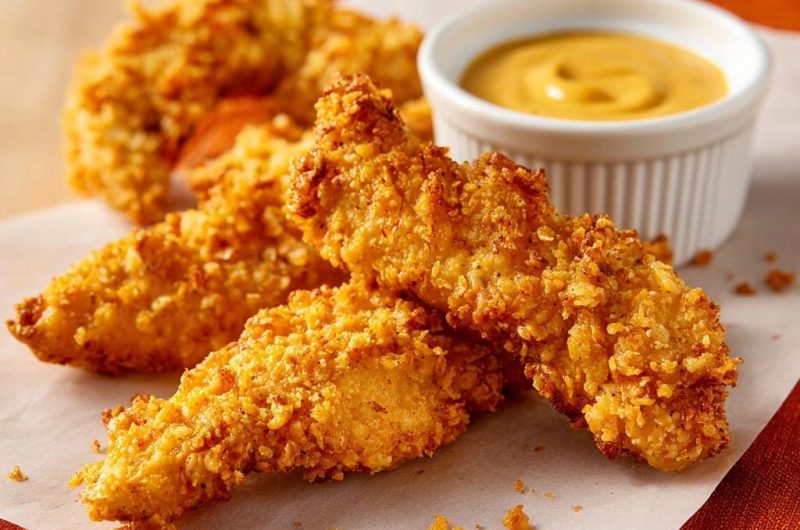
Crispy Chicken Tenders
Course: Main CourseCuisine: AmericanDifficulty: easy4
servings25
minutes15
minutes450
kcal40
MinutesHomemade chicken tenders always lose their crunch fast? This foolproof triple-dredge and hot-oil method seals the breading tight so it stays ultra-crispy for hours, even after dipping. Paired with simple mustard sauce for the perfect bite.
Ingredients
1 pound chicken tenders (about 8 pieces)
1 cup all-purpose flour
2 large eggs
1 tablespoon water
2 cups panko breadcrumbs
1 teaspoon garlic powder
1 teaspoon paprika
1 teaspoon salt
1/2 teaspoon black pepper
Vegetable oil, for frying (about 2 cups)
1/2 cup yellow mustard (for dipping sauce)
Directions
- Pat the chicken tenders completely dry with paper towels. This removes moisture so the breading grips perfectly and never slides off or sogs up.
- Set up three shallow bowls: flour seasoned with 1/2 teaspoon salt and pepper in the first; beaten eggs mixed with water in the second; panko mixed with garlic powder, paprika, remaining salt, and pepper in the third.
- Dredge each tender in flour (shake off excess), dip fully in egg wash, then press firmly into panko, coating all sides thickly. The firm press and dry start locks the layers together.
- Place breaded tenders on a plate and chill in the fridge for 15 minutes. This sets the coating so it stays crunchy during frying, solving the top sogginess culprit.
- Heat 1/2 inch of vegetable oil in a large skillet over medium-high heat to 350 degrees F (use a thermometer for precision, or test with a breadcrumb it should sizzle immediately). Fry tenders in batches, 3-4 minutes per side without crowding, until deep golden. Hot oil crisps instantly without steaming the breading. The chicken is done when it reaches 165°F (74°C) in the thickest part.
- Drain on a wire rack over a baking sheet (never paper towels, which trap steam and soften). Let rest 2 minutes.
- Serve with yellow mustard for dipping. Enjoy tenders that crunch every time!
Notes
- Pat chicken completely dry for perfect breading adhesion. Chill breaded tenders for 15 minutes to set coating. Use wire rack to drain, not paper towels, to avoid sogginess.