Ultra Creamy Cheese Ravioli with Clingy Sauce
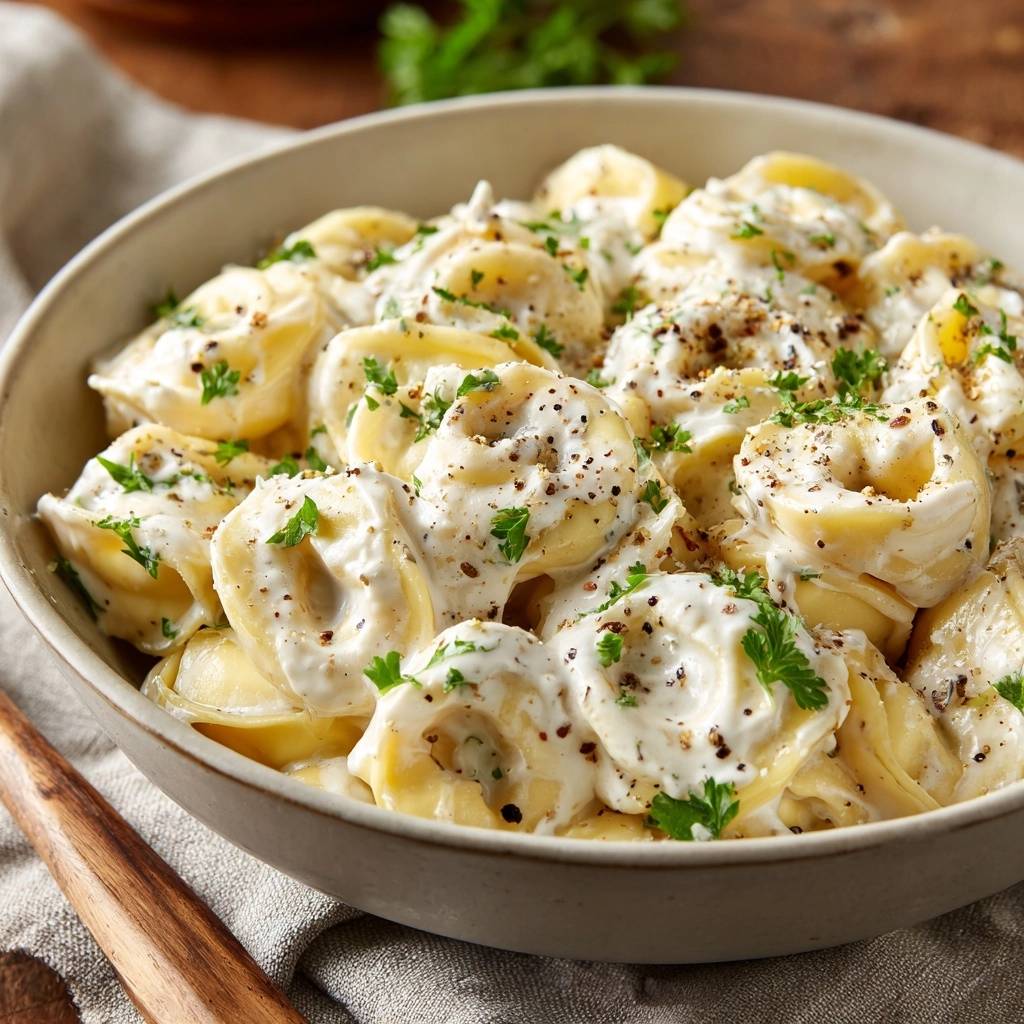
Why This Ultra Creamy Cheese Ravioli Stands Out
Picture this: you toss ravioli into a cream sauce, and it turns into a watery mess that pools at the bottom of the bowl. It happens all the time because most folks skip reducing the cream first. However, this recipe changes everything with a simple reduce-first trick, delivering thick, glossy sauce that clings like it came from a fancy Italian spot, all in about 20 minutes.
So why does it work so well? You concentrate the cream’s richness upfront, then emulsify off-heat with starchy pasta water. In addition, finely grated Parmesan melts smoothly without clumps. You’ll get that restaurant-perfect coat every time, no disasters.
Here’s the pro tip that seals it: always grate your own Parmesan right before adding it. Pre-shredded stuff has anti-caking agents that turn grainy in hot cream. Freshly grated powder-like cheese whisks in silky, proving this method’s foolproof edge.
Key Ingredients for Thick Ultra Creamy Cheese Ravioli
Heavy cream forms the backbone here. Its high fat content simmers down without splitting, unlike half-and-half that breaks easily. Therefore, use full-fat for that luxurious body. No heavy cream? Coconut cream works in a pinch, but it alters the flavor slightly.
Finely grated Parmesan delivers sharp, nutty melt. Freshly grated ensures it emulsifies perfectly, while pre-grated resists blending. In addition, unsalted butter builds a clean base flavor, letting the cheese shine. Chopped fresh parsley adds a bright finish at the end.
Don’t overlook the reserved pasta water. Its starch acts like glue for the emulsion. Fresh ravioli cooks quicker than frozen, but both work great. Salt the boiling water generously for seasoned pasta from the start.
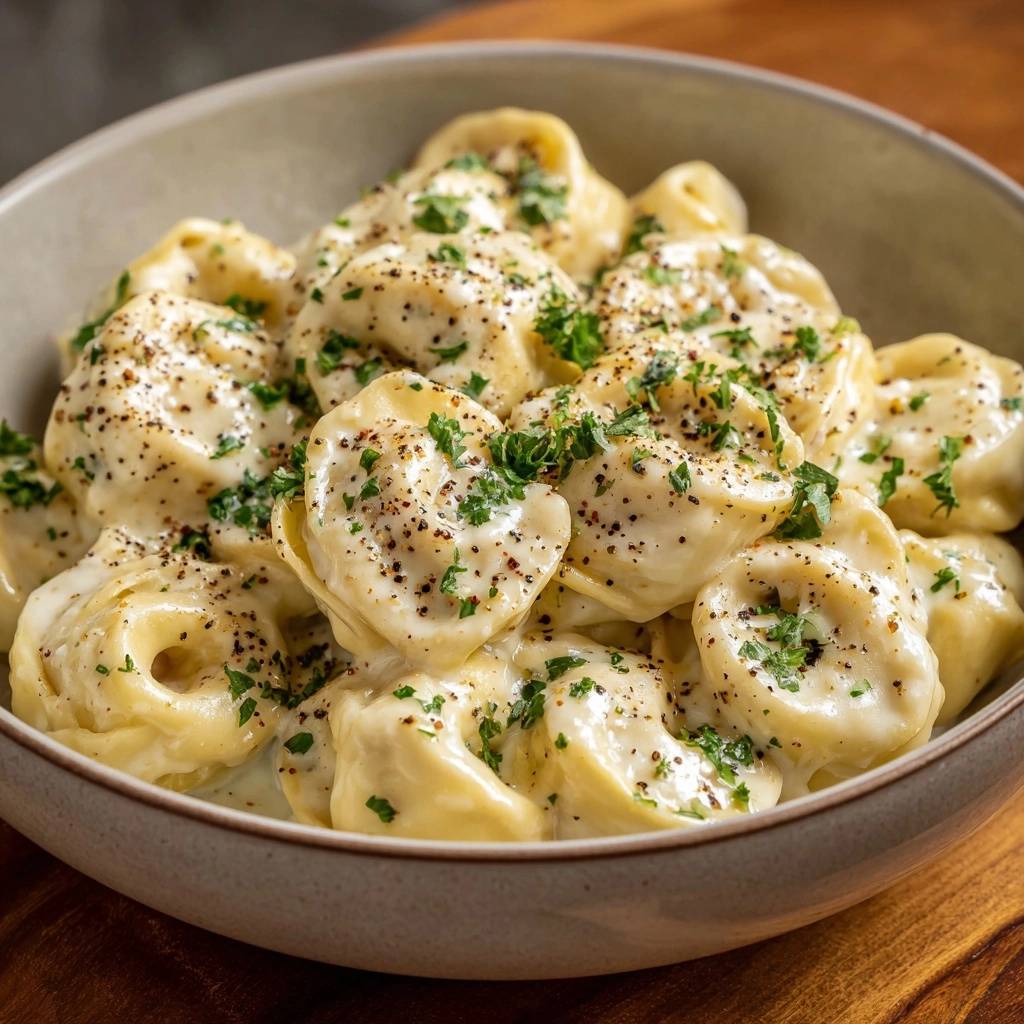
Heavy Cream’s Role in Sauce Thickness
Heavy cream’s at least 36% fat stabilizes during reduction. You simmer it gently, evaporating water to concentrate proteins and fats. Therefore, it thickens naturally without flour or cornstarch, staying velvety for ultra creamy cheese ravioli.
Parmesan Grating Technique for Smooth Melt
A Microplane grates Parmesan into fluffy powder that melts instantly. Box graters make coarser shreds that clump. So, use a Microplane for whisking handfuls into hot cream, preventing graininess in your sauce.
Science of Non-Watery Ultra Creamy Cheese Ravioli Sauce
Cream reduction evaporates water, intensifying flavors and building body through concentrated fats. Then, off-heat addition keeps proteins from seizing. In addition, pasta water’s starch (amylopectin) binds the emulsion, creating gloss without separation.
Butter’s Maillard reaction adds depth as it melts first. However, high heat on cheese causes graininess from over-coagulated casein. This method balances pH for stability, beating flour thickeners that dull taste and add gumminess.
Think of it like making a tight vinaigrette: gradual starch addition prevents breaking. You’ll see the sauce transform from thin to coating ribbons that hug every ravioli perfectly.
Reduction Builds Sauce Body
Simmering reduces volume by 1/3 in 4-5 minutes, losing water but gaining intense flavor. Watch for smaller, lazier bubbles, not a rolling boil that scorches. A spoon dipped in should leave a thick trail.
If the pre-shredded stuff just doesn’t cut it, the same rule applies for a silky skillet creamy fettuccine alfredo.
Emulsification with Pasta Starch
Starchy pasta water’s amylopectin molecules link fat and water droplets. Add it gradually off-heat while whisking for silky bonds. Therefore, your ultra creamy cheese ravioli sauce clings without pooling.
Equipment Choices for Perfect Ultra Creamy Cheese Ravioli
Grab a wide skillet for even reduction; its surface area speeds evaporation. A large pot ensures plenty of starchy pasta water. In addition, a Microplane zests cheese finely. Skip non-stick, as stainless lets fond build flavor, and cast iron holds steady heat.
Budget picks like a 12-inch skillet and basic grater do the job. Pro tools shine for precision, but everyday gear delivers pro results here.
Skillet Size Impacts Sauce Reduction
A 12-inch wide skillet maximizes surface for quick evaporation. Narrow pans trap steam, slowing reduction. Stainless conducts heat evenly, preventing hot spots that scorch cream.
Step-by-Step: Building Ultra Creamy Cheese Ravioli Sauce
Start with a large pot of heavily salted water; it seasons ravioli like ocean water. Boil fresh ravioli 3 minutes or frozen 5 until al dente, firm to bite.
Reserve exactly 1/2 cup pasta water before gently draining. Rinsing washes away starch you need for emulsification. Therefore, handle ravioli carefully to keep shapes intact.
Boil Ravioli Al Dente Precisely
Use 1 tablespoon salt per 4 quarts water. Fresh ravioli floats sooner, so test one early. No rinse preserves starch; scoop 1/2 cup water right away for sauce magic.
Step-by-Step: Reducing Cream for Clingy Texture
Melt 4 tablespoons butter in your skillet over medium. Pour in 2 cups heavy cream and simmer gently 4-5 minutes. Stir occasionally; you’ll smell sweet richness as it thickens by 1/3.
Watch for silky texture coating the pan. Too high heat boils over, so keep it lazy. This builds the body that won’t dilute with pasta.
Monitor Reduction Without Scorching
Bubbles should simmer lazily, not rage. Drag a spoon through; it clings if ready. If edges brown, lower heat immediately to avoid bitter scorch.
Step-by-Step: Off-Heat Emulsify Ultra Creamy Cheese Ravioli
Pull skillet off heat. Sprinkle in 1 cup finely grated Parmesan by handfuls, whisking fast each time until smooth. Gradually whisk in 2-3 tablespoons pasta water for gloss.
If you enjoy swapping fillings for this ravioli, the same creamy tomato base works beautifully in this creamy burrata gnocchi.
Taste; crack black pepper now. The sauce turns from matte to shiny emulsion. Pro tip: whisk like you’re tempering eggs for perfect silkiness.
Whisking Prevents Cheese Clumps
Add handfuls off-heat, whisk vigorously 10-15 seconds per batch. Speed disperses cheese before it sets. Slow addition keeps it lump-free and creamy.
Step-by-Step: Tossing Ravioli into Sauce
Add drained ravioli to skillet over low heat. Toss gently 1 minute until coated. Splash more pasta water if it thickens too much; it loosens to perfect cling.
Divide into bowls fast. Snip fresh parsley over top with extra pepper. Serve right away so cream stays molten and luxurious.
Gentle Toss Maintains Sauce Integrity
Low heat prevents breaking the emulsion. Use a wide spatula or tongs, not spoons that mash ravioli. Toss in figure-eights for even coating without tearing pasta.
Avoiding Pitfalls in Ultra Creamy Cheese Ravioli
Over-boiling pasta rinses starch, leaving sauce thin. High-heat cheese addition makes it grainy. Skipping reduction guarantees soupy results.
Spot separation? Whisk off-heat with extra pasta water. For graininess, blend in cold butter pats. Prevention beats fixes, so follow steps precisely for wins every time.
Fixing Separated or Grainy Sauce
Off-heat, whisk in 1 tablespoon cold butter or pasta water gradually. It re-emulsifies fats. Prevent by grating fine and adding cheese slowly; heat control is key.
Flavor Twists on Ultra Creamy Cheese Ravioli
Swap cheese ravioli for spinach or mushroom. Brown the butter first for nutty depth. In addition, stir in minced garlic during reduction for savory punch.
Try basil or thyme instead of parsley. Lemon zest brightens without thinning. Keep the core reduce-emulsify method for any twist to stay thick.
Herb and Citrus Enhancements
Swap parsley for basil ribbons or thyme sprigs. Add 1 teaspoon lemon zest off-heat for zip that cuts richness. It perks flavor without adding liquid.
What’s Next?
Try these delicious pairings:
Pairing Sides with Ultra Creamy Cheese Ravioli
Balance cream with crisp arugula salad tossed in vinaigrette. Roasted asparagus or zucchini adds char contrast. Garlic bread soaks up sauce perfectly.
Sparkling cranberry juice refreshes the palate alongside. Light sides keep the meal from feeling heavy.
Vegetable Sides Cut Through Cream
Arugula with lemon vinaigrette bites back at richness. Sauté spinach with garlic; its earthiness complements cheese. Quick roasts maintain snap.
Prep Ahead for Ultra Creamy Cheese Ravioli
Reduce sauce a day early; reheat gently on low with splash of milk. Grate cheese and chop parsley ahead. Freeze ravioli flat for quick thawing.
Batch for 4-6 by doubling ingredients. Re-emulsify with pasta water when reheating. Stores 3 days in fridge airtight.
Freezing Sauce Without Separation
Portion cooled sauce flat in bags; freeze up to 1 month. Thaw overnight in fridge, reheat low whisking in water. Emulsion holds for fresh taste.
Troubleshooting Ultra Creamy Cheese Ravioli Issues
How do I store leftovers and do they freeze well?
Store in an airtight container in the fridge up to 3 days. Reheat gently on stovetop with a splash of milk or pasta water to revive creaminess. It freezes well up to 1 month; thaw in fridge and whisk over low heat, but ravioli may soften slightly. Avoid microwaving to prevent separation.
Why is my sauce watery or separated?
This happens from skipping reduction or adding pasta water too fast. Reduce cream by 1/3 first for body, and emulsify off-heat gradually. Fix by whisking in cold butter off-heat; starch rebinds it quickly.
Can I substitute ingredients like Parmesan or heavy cream?
Use Pecorino for sharper tang, or half Pecorino/half Parmesan. For cream, full-fat coconut works vegan-style but expect milder flavor. Avoid low-fat dairy; it splits easily without enough fat for stability.
Sauce too thick after tossing?
Add 1 tablespoon reserved pasta water at a time over low heat while tossing. Starch loosens it to clingy perfection without diluting. Don’t overdo or it thins out.
How do I make it gluten-free?
Grab gluten-free cheese ravioli; they work identically. Ensure Parmesan is certified GF, and salt pasta water well. Sauce method stays the same for full creaminess.
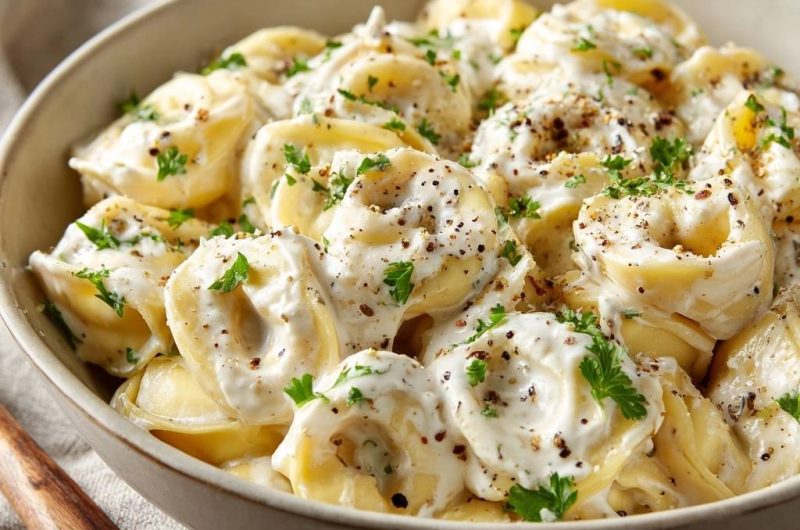
Cheese Ravioli
Course: Main CourseCuisine: ItalianDifficulty: easy4
servings10
minutes15
minutes650
kcal25
MinutesTired of cream sauces turning thin and soupy when tossed with ravioli? This recipe fixes it with one simple trick: reduce the cream first for thickness, then emulsify off-heat with starchy pasta water and finely grated cheese. No more diluted disasters, just restaurant-perfect cling every time.
Ingredients
1 pound fresh or frozen cheese ravioli
2 cups heavy cream
1 cup finely grated Parmesan cheese
4 tablespoons unsalted butter
1/2 cup reserved pasta cooking water
1/4 cup chopped fresh parsley
Freshly cracked black pepper, to taste
Salt, for pasta water
Directions
- Bring a large pot of salted water to a boil. Cook ravioli according to package until al dente, about 3-5 minutes for fresh. Reserve 1/2 cup pasta water, then drain ravioli gently without rinsing.
- In a large skillet over medium heat, melt butter. Pour in heavy cream and bring to a gentle simmer. Cook 4-5 minutes, stirring occasionally, until reduced by about 1/3 and thickened slightly. This is the key step: reducing first builds body so the sauce never waters down.
- Remove skillet from heat. Stir in finely grated Parmesan in small handfuls, whisking vigorously until melted and smooth. Add 2-3 tablespoons reserved pasta water gradually, stirring to emulsify into a glossy, coating sauce that clings without separating. Taste and season with black pepper.
- Add drained ravioli to skillet. Gently toss over low heat for 1 minute to coat evenly, adding a splash more pasta water only if needed for silkiness.
- Divide into bowls, garnish with chopped parsley and extra cracked pepper. Serve immediately for the creamiest bite.
Notes
- Use fresh or frozen cheese ravioli. Finely grate Parmesan for smooth emulsification. Reduce cream first to prevent watery sauce.