Cast Iron Skillet Cornbread: Moist Crumb, Crispy Crust
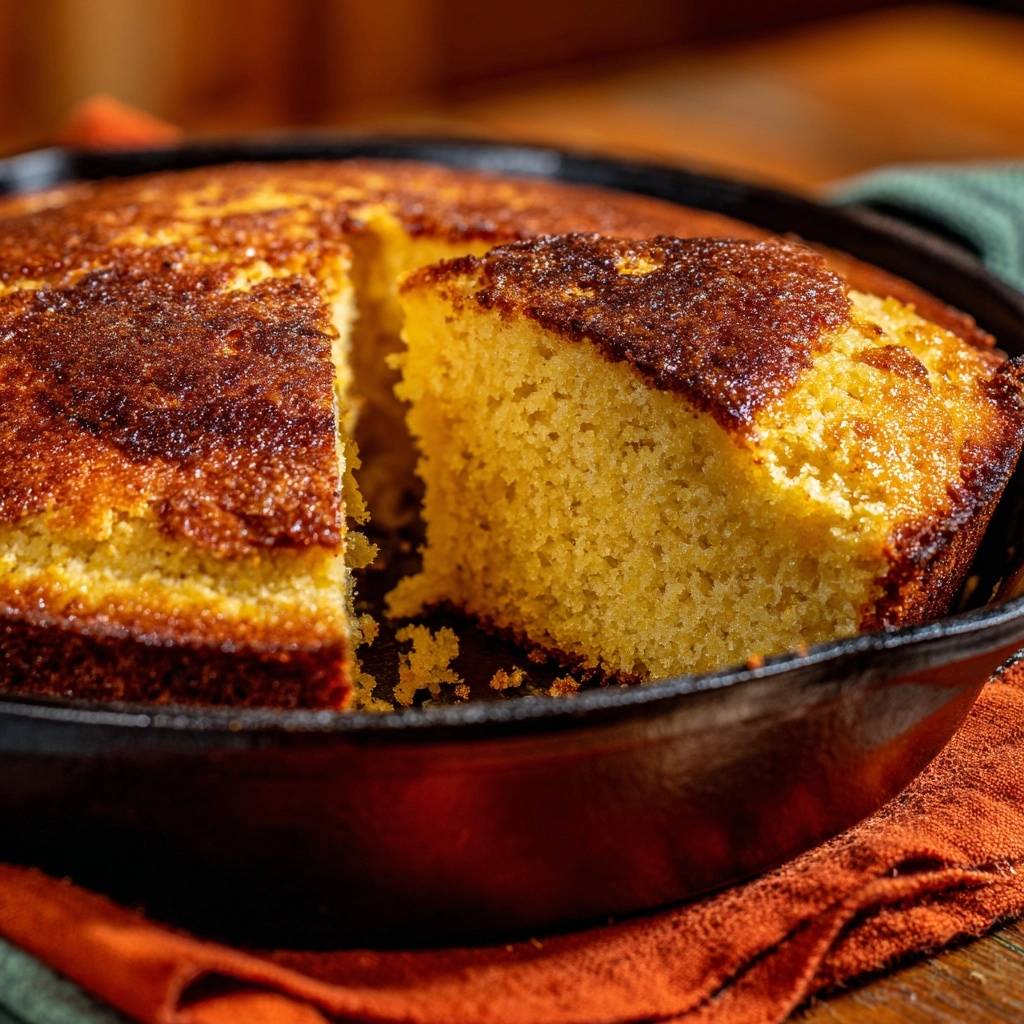
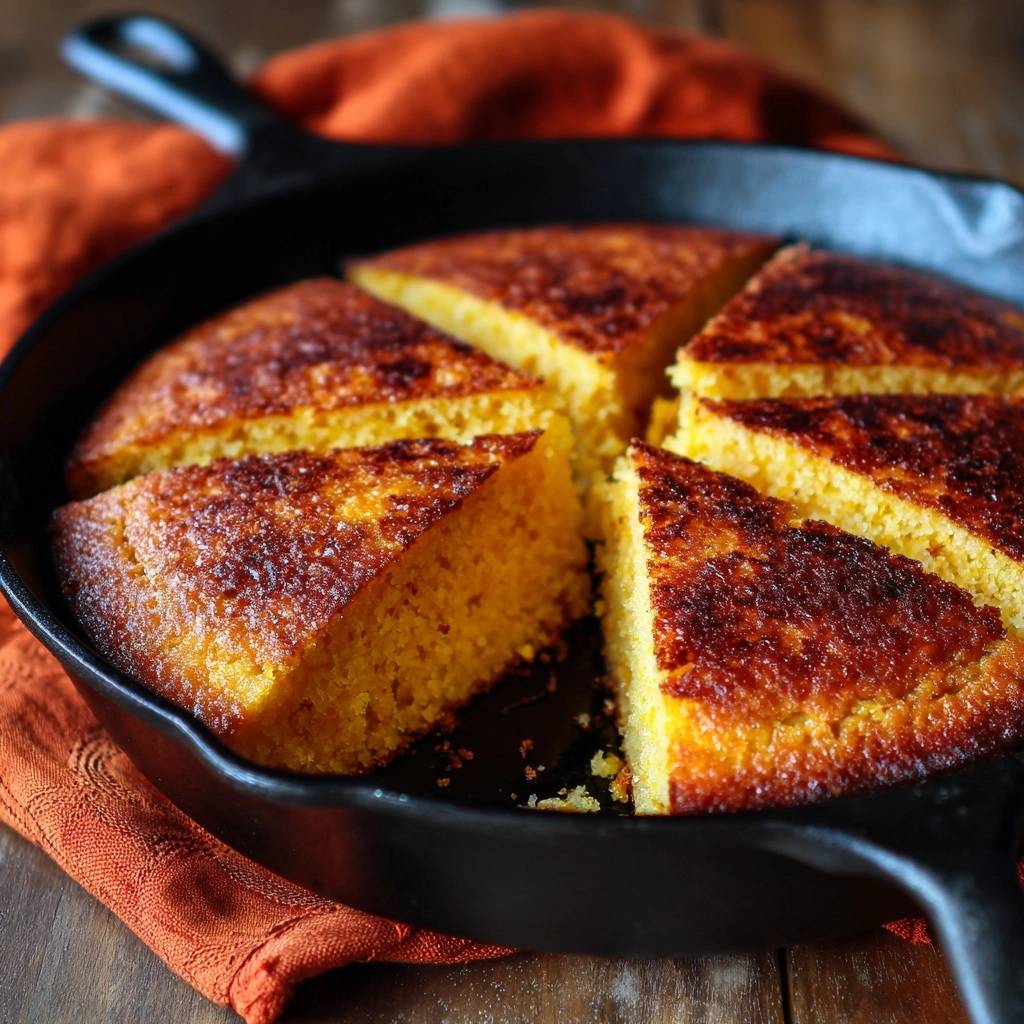
Ever bite into cornbread that’s dry as cardboard? It kills the whole meal. This cast iron skillet cornbread fixes that forever with a hot skillet butter baste. You get a steamy, tender crumb and that irresistible crispy crust every time.
Most recipes fail because they skip the preheat. Therefore, the batter steams from below right away. In addition, it locks in moisture you won’t find in a cold pan.
The secret? Swirl in butter until it foams and smells nutty. That’s your cue. Pour the batter, and watch it bubble for perfect cast iron skillet cornbread.
Why Cast Iron Skillet Cornbread Succeeds
Hot Skillet Magic for Moisture
Preheat your cast iron skillet at 425 degrees F for 10 minutes. Then add butter. It melts fast, foams up, and creates steam pockets as the batter hits it.
Standard baking? It dries out quick. However, this method steams from below first. Plus, the Maillard reaction kicks in for a golden, crunchy top.
You’ll smell that nutty aroma filling your kitchen. It’s science making your cast iron skillet cornbread foolproof moist.
Perfect Balance of Sweetness and Texture
The 1/4 cup sugar adds just enough subtle sweet to balance cornmeal’s earthiness. Buttermilk brings tang that cuts through.
This ratio avoids gumminess from too much cornmeal. Therefore, you get authentic Southern-style cast iron skillet cornbread that’s tender, not gritty.
Key Ingredients for Cast Iron Skillet Cornbread
Cornmeal and Flour Foundation
Yellow cornmeal gives that classic golden hue and corn flavor. Go for medium grind; it’s not too coarse or fine.
A 1:1 ratio with all-purpose flour keeps it light. No heaviness here. For gluten-free, swap in a 1:1 blend, but expect a slightly denser crumb.
Freshly measured, these build your base. They ensure every bite in your cast iron skillet cornbread shines.
Leavening Agents and Seasoning
Baking powder gives the quick rise you need. One tablespoon lifts the batter perfectly.
Salt enhances the corn’s natural sweetness. The sugar? It’s subtle, not overpowering like some no-sugar versions that taste flat.
Wet Ingredients for Tenderness
Buttermilk’s acidity reacts with baking powder for extra lift and that tangy zip. Room temp works best for smooth mixing.
Two eggs add structure without toughness. Melted unsalted butter keeps it rich but not greasy. Exact measures prevent soggy disasters.
These create the moist heart of your cast iron skillet cornbread. Oh man, it’s tender.
Equipment: Why Cast Iron Skillet Matters
Preheating the 10-Inch Skillet
Cast iron holds heat like a champ. A 10-inch size fits this batter just right; too big, and it spreads thin.
Preheat 10 minutes for even browning. Steel pans? They lose heat fast and give pale results. Keep your cast iron seasoned with oil wipes after use.
Pro tip: Use thick oven mitts. Safety first for that perfect cast iron skillet cornbread crust.
Butter for Skillet Coating
Two tablespoons unsalted butter go in the hot skillet. Swirl to coat sides; it foams and turns nutty quick.
Not hot enough? It won’t sizzle right. Grab a towel for grip. This baste is your moisture lock.
The Science Behind Skillet Butter Baste
Steam Pockets from Sizzling Batter
Hot butter hits 425 degrees F. Batter pours in, and instant steam rises from below. It traps moisture inside.
Evaporation dries the surface fast for crispiness. Muffin tins can’t match this; they lack the heat retention. Your cast iron skillet cornbread stays tender.
If you enjoy the contrast between the golden crust and tender crumb here, try this same skillet technique for garlic herb cheddar biscuits.
Basic baking science: Heat + moisture control equals perfection. You’ll see bubbles form right away.
Maillard Reaction for Golden Crust
At high heat, proteins and sugars brown. That’s the Maillard reaction giving nutty flavor and color.
Cast iron delivers steady 425 degrees F. No other pan nails this aroma. It’s why your cast iron skillet cornbread crust crackles.
Step-by-Step: Mastering Cast Iron Skillet Cornbread
Preheat and Prep Dry Mix
Set oven to 425 degrees F. Slide in the 10-inch cast iron skillet for 10 minutes. It should be screaming hot.
Whisk cornmeal, flour, baking powder, salt, and sugar in a big bowl. Aerate it light; lumps are okay for now.
Visual cue: Dry mix looks fluffy. You’re set for cast iron skillet cornbread success.
Combine Wet Ingredients Smoothly
Beat buttermilk, eggs, and 1/4 cup melted butter until smooth. No chunks here.
Pour into dry. Stir just 10 strokes. Overmix, and gluten toughens it up. Batter stays lumpy, that’s good.
Butter Baste and Batter Pour
Mitts on. Pull skillet, add 2 tablespoons butter. Swirl till it foams and coats everything.
Pour batter. It sizzles and steams instantly. That’s your moisture guarantee for cast iron skillet cornbread.
Don’t peek early. Let the magic happen.
Bake to Perfection and Cool
Bake 20 to 25 minutes. Top turns golden, springs back to touch, toothpick clean.
Cool 5 minutes in skillet. Steam escapes for easy slicing. Serve warm; edges stay crisp.
If you enjoyed the crispy crust of this cornbread, you will love the tall, flaky layers of these Southern biscuits.
Avoiding Common Mistakes in Cast Iron Skillet Cornbread
Overmixing Leads to Toughness
Excess stirring wakes gluten. Batter turns smooth but chewy. Stick to 10 strokes; lumps mean tender crumb.
Overmixed fix? Bake anyway, but next time count strokes. Your cast iron skillet cornbread deserves better.
Skillet Not Hot Enough
Pale, soggy bottom screams cold pan. Test with a water drop; it should dance and evaporate.
No foam from butter? Back in oven 2 more minutes. Then proceed for crisp cast iron skillet cornbread.
Wrong Bake Time or Temp
Underdone? Wet center. Overdone? Dry top. Check oven thermometer; calibrate if off.
High altitude? Add extra tablespoon buttermilk. Bake to cues, not clock, for perfect results.
Flavor Variations for Cast Iron Skillet Cornbread
Cheesy Jalapeño Twist
Fold in 1 cup shredded cheddar and 1/2 cup diced jalapeños with wet ingredients. Heat builds with seeds; remove for mild.
Cheese melts gooey, peppers cut sweetness. Pairs perfect with chili. Elevates your cast iron skillet cornbread.
Honey or Herb Infusions
Swap sugar for 1/4 cup honey in wet mix. Drizzle extra post-bake. Or add chopped chives, thyme for savory kick.
Honey boosts moisture too. Herbs keep it fresh. Choose based on sweet or savory vibes.
Gluten-Free Adaptations
Use 1:1 gluten-free flour blend. Add 1/2 teaspoon xanthan gum if not included. Texture firms up a bit.
Batter works same. Expect subtle density change. Still crispy crust on your cast iron skillet cornbread.
Pairing Cast Iron Skillet Cornbread
Classic Southern Sides
Sop it in collards’ pot likker or black-eyed peas juice. Crumble into chili for thickener.
One skillet serves 8 as side. Warm slices soak up flavors best. Southern comfort nailed.
What’s Next?
Try these delicious pairings:
Modern Mains and Salads
Crumble crispy edges over greens. Pairs with grilled veggies or creamy soups.
Soft centers contrast textures. Keeps meals exciting and fresh.
Make-Ahead and Storage for Cast Iron Skillet Cornbread
Freezing Slices Intact
Cool fully. Wrap slices tight in plastic, then foil. Freezes up to 3 months.
Thaw overnight, reheat in skillet at 350 degrees F. Crisp revives like fresh.
Batch Baking Strategies
Double recipe, use two skillets. Stores at room temp 2 days in cloth-covered dome.
Revive in toaster oven. Great for crowds or meal prep.
Troubleshooting Cast Iron Skillet Cornbread Issues
Gummy or Gritty Texture
Gummy from coarse cornmeal or underbaking. Gritty? Old grind. Use fresh medium yellow.
Bake fully, check toothpick. Prevention keeps it perfect.
Not Rising Enough
Stale baking powder. Test: Mix with hot water, it bubbles if fresh. Check buttermilk date too.
Sticking to Skillet
Not enough butter or unseasoned pan. Coat high on sides. Let cool 5 minutes, then loosen with spatula.
Too Sweet or Bland
Tweak sugar down to 2 tablespoons, up salt to 1.25 teaspoons. Taste batter if needed. Suits regional prefs.
Cast Iron Skillet Cornbread FAQ
Can I Use a Glass Pan Instead?
Glass won’t hold heat for the baste. No steam, so dry crumb and soft crust. Stick to cast iron for this method. If must, preheat glass too, but expect lesser results, longer bake by 5 minutes.
How to Tell When Done Baking?
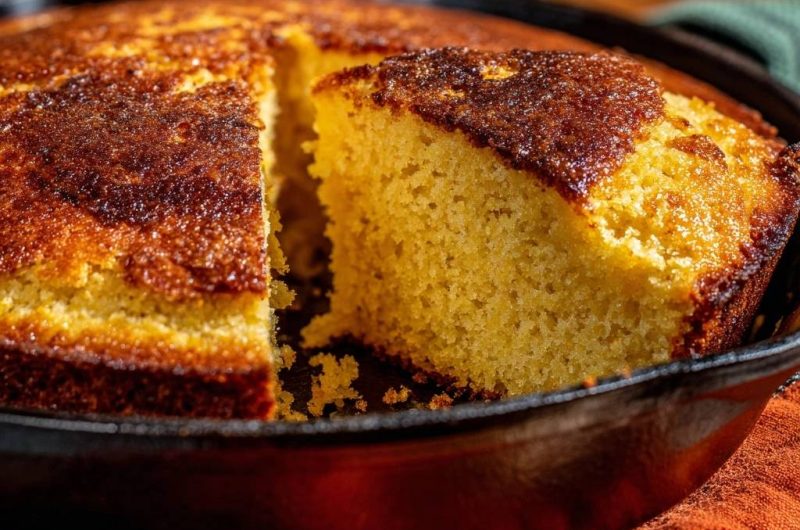
Golden top springs back to light touch. Toothpick in center pulls clean. Edges pull from pan sides. Rotate midway if oven uneven.
Best Substitutes for Buttermilk?
Mix 1 cup milk with 1 tablespoon lemon juice or vinegar; sit 5 minutes. Yogurt thinned with water works. Adds tang but milder lift. Flavor stays close to original cast iron skillet cornbread.
Does It Freeze Well?
Yes. Cool completely, slice, wrap individually in plastic and foil. Freeze up to 3 months. Thaw at room temp, reheat in 350 degrees F skillet 5 minutes for crisp.
Vegan Cast Iron Skillet Cornbread Possible?
Yes. Swap eggs for 2 flax eggs (2 tbsp ground flax + 6 tbsp water). Use plant milk + acid for buttermilk, oil for butter. Rises well, slightly denser but moist crumb holds. Crust still snaps.
Cornbread
Course: Side DishCuisine: AmericanDifficulty: easy8
servings10
minutes25
minutes250
kcal35
MinutesDry cornbread ruins every meal. This foolproof recipe uses a hot skillet butter baste that steams the batter from below for guaranteed moist crumb while crisping the crust.
Ingredients
1 cup yellow cornmeal
1 cup all-purpose flour
1 tablespoon baking powder
1 teaspoon salt
1/4 cup granulated sugar
1 cup buttermilk
2 large eggs
1/4 cup unsalted butter, melted (plus 2 tablespoons for skillet)
Directions
- Preheat oven to 425 degrees F. Place a 10-inch cast iron skillet in the oven to heat for 10 minutes.
- In a large bowl, whisk cornmeal, flour, baking powder, salt, and sugar.
- In another bowl, beat buttermilk, eggs, and 1/4 cup melted butter until smooth.
- Add wet ingredients to dry. Stir gently just until combined, about 10 strokes, to avoid toughness.
- Carefully remove hot skillet from oven. Add 2 tablespoons butter, swirling to coat bottom and sides completely, until it foams and smells nutty.
- Pour batter into sizzling skillet. It will bubble and steam instantly, locking in moisture.
- Bake 20 to 25 minutes until golden, crusty top springs back when touched, and toothpick comes out clean.
- Cool 5 minutes in skillet. Slice and serve warm. The hot butter baste creates steam pockets for perfect tenderness every time.
Notes
- Stir batter gently just until combined to avoid toughness. The hot butter baste creates steam pockets for perfect tenderness every time.