Cheddar Herb Biscuits: Flaky Layers Guaranteed
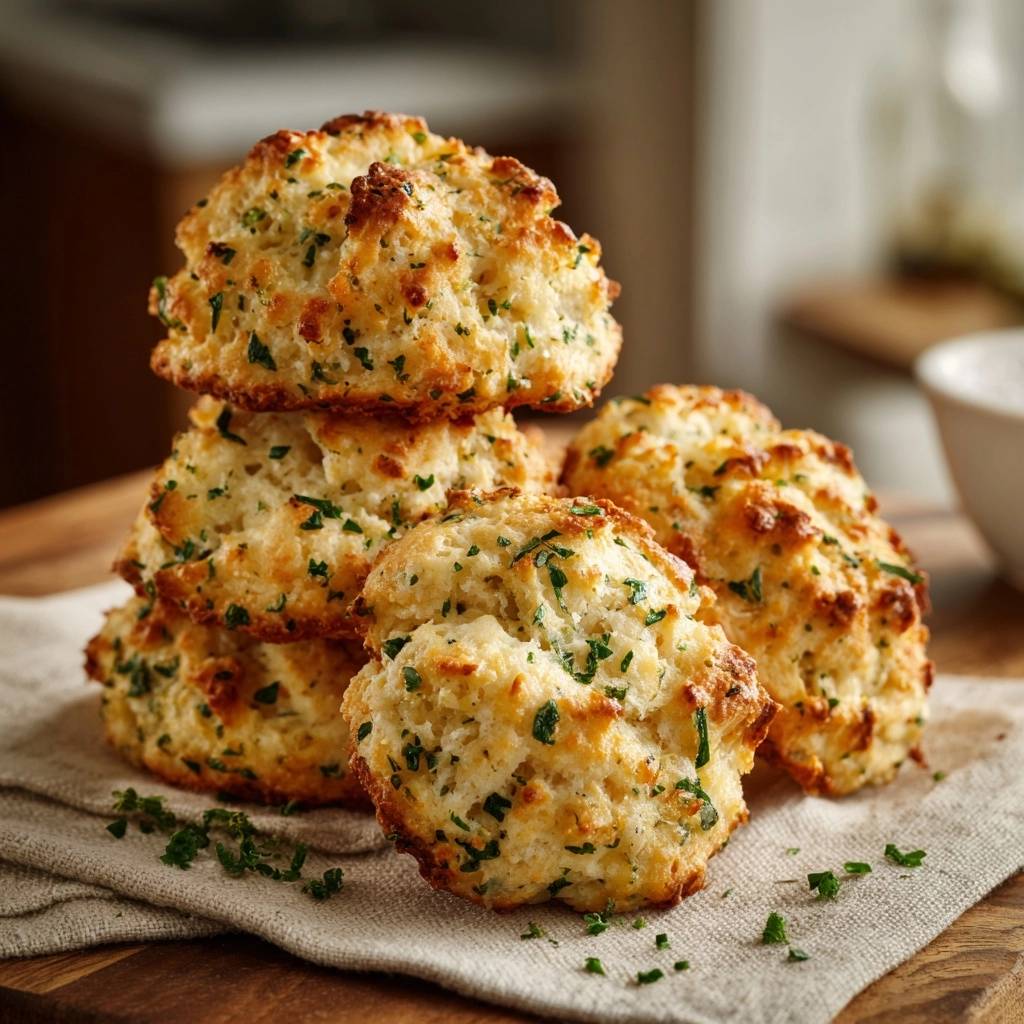
Homemade biscuits flop all the time, turning dense and flat no matter how hard you try. You’ve mixed the dough just right, or so you think, but they barely rise. This cheddar herb biscuits recipe fixes that forever with a simple dough folding trick that builds real layers.
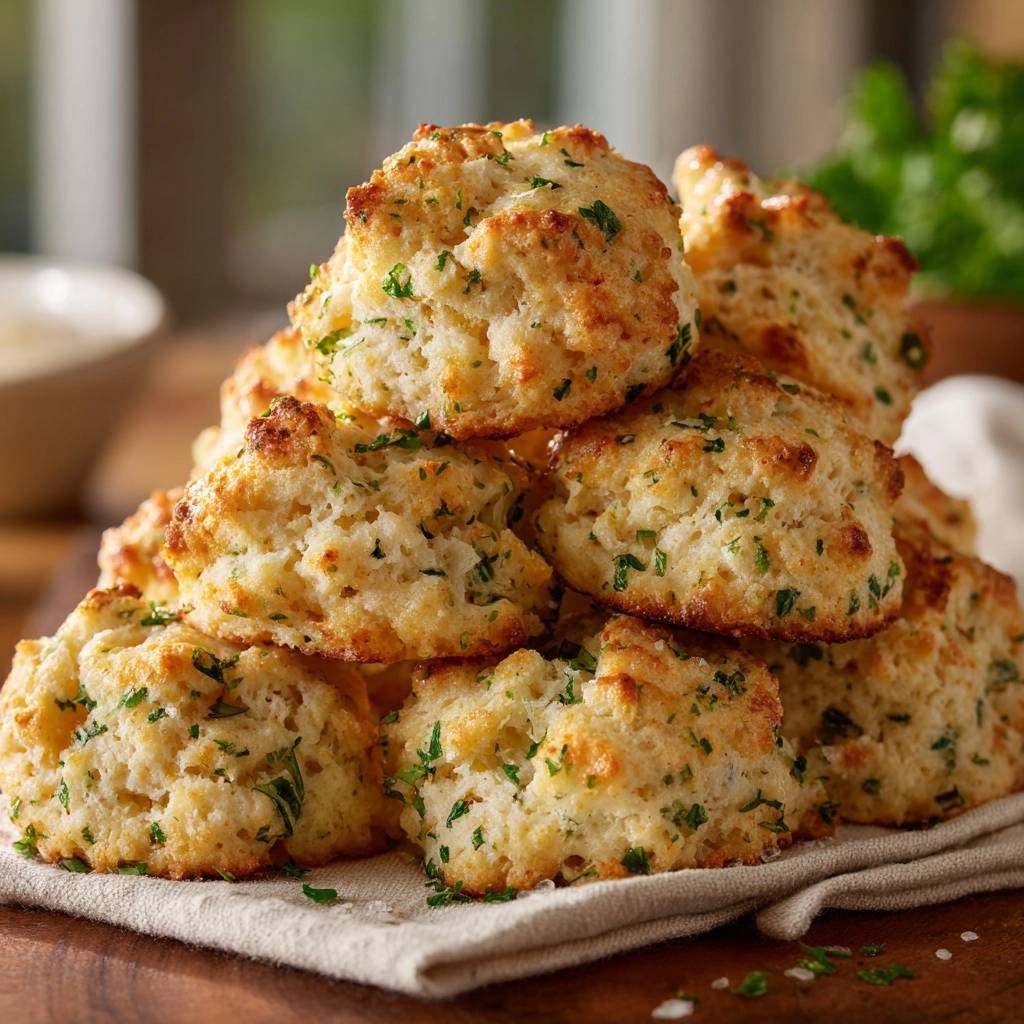
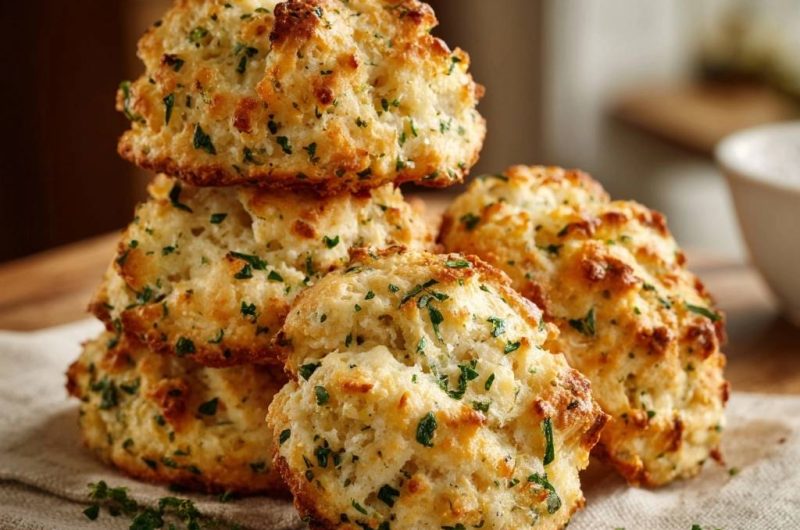
Therefore, you get sky-high biscuits that pull apart into buttery, cheesy strata every single time. Sharp cheddar melts perfectly inside, while fresh parsley adds a bright, herby punch that makes them irresistible. In addition, they bake up golden and steamy in just 25 minutes total, yielding about 10-12 biscuits perfect for breakfast, brunch, or any meal side.
The secret lies in the lamination folds. You pat and fold the dough like a letter four times total. This traps cold butter pockets that burst into flaky height in the oven, banishing tough texture for good.
Key Ingredients for Cheddar Herb Biscuits
Flour and Leavening Basics
All-purpose flour gives these cheddar herb biscuits their tender crumb without any heaviness. You need 2 cups because it strikes the perfect balance, not too soft like cake flour or too strong like bread flour. In addition, 1 tablespoon baking powder kicks off a quick chemical rise when it reacts with buttermilk’s acidity.
However, don’t swap for self-rising flour here. It works in a pinch but lacks control over the salt and leavening, which can mess with the flaky layers from our folding technique. Fresh baking powder ensures that tall rise you’re after.
Cold Butter’s Role in Flakiness
Grab 1/2 cup unsalted butter, cubed and chilled super cold, almost frozen. Unsalted lets you control the salt with the cheese-heavy dough, avoiding an overly salty bite. When you cut it into the flour, those pea-sized bits create steam pockets in the hot oven for insane flakiness.
Therefore, always use a pastry cutter to keep things cold and quick. Fingers warm the butter too fast, leading to dense results. Pro tip: pop the cubes in the freezer for 10 minutes before starting.
Cheese, Herbs, and Buttermilk Magic
One cup shredded sharp cheddar melts beautifully without greasiness, packing bold flavor into every bite. Shred a block yourself; pre-shredded has anti-caking agents that don’t melt as well. Meanwhile, 1/4 cup finely chopped fresh parsley brings earthy brightness, way better than dried which you’d use half as much of.
Cold buttermilk, 3/4 cup, tenderizes the gluten with its tang and helps the rise. No buttermilk? Mix milk with a teaspoon of lemon juice. Finally, 1 teaspoon salt ties it all together.
Science of Laminated Dough Layers
Why Folding Builds Height
Folding the dough mimics croissant lamination but keeps it dead simple for home cooks. You pat it into a rectangle, fold in thirds like a letter, rotate, and repeat four times total. This stacks thin butter-flour layers that trap steam, forcing a double rise in the oven.
If you enjoy working with these flaky layers, the same folding technique works beautifully for these golden skillet dinner rolls.
In contrast, overmixed dough develops tough gluten that deflates everything. However, our gentle folds create barriers like puff pastry, but way faster. You’ll see the height build right before your eyes.
Butter Steam and Temperature Control
At 425 degrees F, cold butter melts fast and expands into flaky strata. Buttermilk’s chill keeps it from softening too soon during mixing. Therefore, everything stays ice-cold until bake time.
Use an oven thermometer for accuracy; home ovens often run hot or cold. This ensures perfect steam action without burning the bottoms.
Essential Tools for Perfect Cheddar Herb Biscuits
Pastry Cutter vs. Fingers
A pastry cutter shines for smashing butter into pea-sized bits without warming the dough. It takes seconds and keeps things tender. Fingers work in hot kitchens if you move fast, but they melt butter quicker.
Avoid food processors; they overmix easily. Stick to manual for control.
Biscuit Cutter and Baking Setup
Grab a 2.5-inch round cutter and press straight down, no twisting, for even rising. Parchment on the baking sheet prevents sticking and crisps bottoms. Place biscuits touching slightly for soft sides, 2 inches apart overall.
Brush tops with buttermilk for that golden sheen. Simple tools, big payoff.
Step-by-Step: Mastering Cheddar Herb Biscuit Dough
Prepping Dry Mix and Butter
Preheat to 425 degrees F and line a sheet with parchment. Whisk 2 cups flour, 1 tablespoon baking powder, and 1 teaspoon salt in a big bowl. Work fast here to keep it cold.
Add cold butter cubes. Cut with a pastry cutter until you see coarse crumbs with pea-sized butter shining through. It should feel like damp sand with visible chunks; that’s your flakiness guarantee.
Incorporating Cheese and Herbs
Stir in 1 cup shredded sharp cheddar and 1/4 cup chopped parsley until evenly scattered. Chop herbs fine so they don’t clump. This distributes flavor without overworking the mix.
Pro tip: toss cheese in a bit of flour first if it’s super moist, preventing greasy pockets.
Step-by-Step: Lamination and Cutting Technique
Gentle Mixing and First Fold
Pour in 3/4 cup cold buttermilk. Stir gently with a fork just until shaggy clumps form; it’ll look messy, and that’s perfect. Overmixing kills tenderness, so stop there.
Turn onto a lightly floured surface. Pat into a 1-inch thick rectangle, fold in thirds like a letter, rotate 90 degrees, pat flat, and fold again. Repeat three more times total. Each fold builds those magical layers.
Final Shaping and Cutting
Pat to 1-inch thickness. Cut straight down with a 2.5-inch cutter; twisting seals edges and stops rise. Gently gather scraps once, re-pat, and cut more.
Space 2 inches apart on the sheet, touching for soft sides. Brush tops lightly with buttermilk. Ready for the oven.
Baking Cheddar Herb Biscuits to Golden Perfection
Bake 12-15 minutes until tops turn golden and they’ve risen tall. Middle rack works best; rotate halfway if your oven has hot spots. They’ll smell cheesy and herby, pulling apart steamily when done.
Cool on a rack for crisp bottoms, but serve warm for peak flakiness. Internal temp hits about 200 degrees F if you’re checking. Oh man, that first bite melts in your mouth.
Avoiding Common Biscuit Pitfalls
Overmixing and Flat Results
Shaggy dough beats smooth every time. Overmixing wakes gluten, making biscuits tough and low. Use a fork, not a spoon, for minimal handling.
Therefore, embrace the mess; it’ll transform in the folds.
Cutter Twists and Uneven Rise
Twisting the cutter seals edges, blocking steam escape for even lift. Press straight down. Handle scraps gently once only, or they toughen.
Fix oven hot spots by rotating the sheet midway.
Butter Too Warm Fixes
Dough feels soft or greasy? Chill it 10 minutes between steps. Room-temp buttermilk starts the melt too early. Keep everything fridge-cold.
Flavor Variations for Cheddar Herb Biscuits
Cheese and Herb Swaps
Swap sharp cheddar for gouda with scallions for smoky onion vibes. Parmesan and rosemary bring nutty earthiness; use 3/4 cup cheese to keep balance. Vegan cheddar works great with plant butter.
Always match bold cheese to hearty herbs. Proportions stay the same for flaky results.
Spice and Add-In Twists
Add 1 teaspoon garlic powder or black pepper for kick. Chives or corn kernels fold in easily for texture pops. Try cheddar dill for a sweet-savory twist.
Don’t overload; 1/4 cup add-ins max keeps layers intact.
Pairing Cheddar Herb Biscuits with Meals
Breakfast and Brunch Ideas
These cheddar herb biscuits shine under sausage gravy or as eggs Benedict bases. Pair with fruit compote for balance. Warm and flaky, they elevate any morning spread.
Dinner Side Dish Matches
Serve alongside tomato or potato soup, stews, roasted veggies, or fried chicken. Their cheesy herb punch cuts richness perfectly. You’ll crave them weekly.
If you’re looking for another bread to round out the meal, these soft buttery garlic herb dinner rolls are a natural choice.
Storage and Make-Ahead Strategies
Freezing Dough and Baked Biscuits
Freeze cut dough on a sheet, then bag for up to 3 months. Bake straight from frozen, adding 2-3 minutes. Baked biscuits freeze well too; thaw and reheat at 350 degrees F for 5 minutes.
Avoid microwaving; it sogs them up.
Room Temp and Fridge Lifespan
Store airtight at room temp for 2 days. Fridge lasts 5 days; refresh by brushing with butter and warming at 300 degrees F. They stay flaky with care.
Troubleshooting Cheddar Herb Biscuits
Dense Texture Solutions
Dense means overmixing, warm butter, or old baking powder. Test powder by fizzing in hot water. Next time, chill dough and fold gently.
What if they don’t rise?
Check baking powder freshness and oven temp. Weak powder or low heat kills lift. High 425 degrees F is non-negotiable for steam power.
Pale Tops or Dry Crumb
Miss the buttermilk brush? Underbake or overmeasure flour. Brush next time, bake to deep gold, and spoon flour lightly.
Herb Flavor Too Weak
Fresh parsley packs more punch than dried; use 1.5 times dried if substituting. Cheese melt can mute it, so chop fine and fold evenly.
Frequently Asked Questions About Cheddar Herb Biscuits
Can I use self-rising flour?
Yes, swap for the 2 cups all-purpose but skip added baking powder and cut salt to 1/2 teaspoon. It simplifies but gives less rise control, so layers might not stack as high. All-purpose with powder nails flaky perfection best.
Substitute milk for buttermilk?
Mix 3/4 cup milk with 1 tablespoon lemon juice or vinegar; let sit 5 minutes. It mimics tang for tenderness and rise, though real buttermilk edges it out slightly. Works great in a pinch.
Why fold the dough multiple times?
Folding four times laminates butter layers, trapping steam for sky-high lift like puff pastry. Fewer folds mean less height; more risks toughness. It’s the science behind no more dense biscuits.
How to achieve extra tall biscuits?
Pat exactly 1-inch thick, keep butter and buttermilk ice-cold, and blast at 425 degrees F. No twisting cutter, gentle folds only. These lock in maximum steam expansion for 2-inch towers.
What’s Next?
Try these delicious pairings:
Are these biscuits vegan adaptable?
Yes, use plant-based butter, vegan sharp cheddar, and buttermilk swap (almond milk plus vinegar). Texture stays flaky if you chill extra. Shred vegan cheese fine for best melt.
How do I store leftover cheddar herb biscuits?
Keep in an airtight container at room temp for 2 days or fridge up to 5. They freeze beautifully, baked or unbaked, for 3 months. Reheat at 350 degrees F for crisp revival; avoid microwave sogginess.
Why are my cheddar herb biscuits dense?
Overmixing develops gluten, warm butter melts early, or old baking powder fails. Stir to shaggy only, chill ingredients, and test powder with hot water fizz. Folding fixes most density issues.
Can I make cheddar herb biscuits gluten-free?
Swap for a 1:1 gluten-free flour blend with xanthan gum. Add an extra tablespoon buttermilk for moisture. They’ll rise well with cold technique but be slightly more tender.
Cheddar Herb Biscuits
Course: Side DishCuisine: AmericanDifficulty: easy10
biscuits20
minutes15
minutes250
kcal35
MinutesHomemade biscuits often end up flat and tough from overmixing and no layers. My simple dough folding technique creates flaky, sky-high results that stack perfectly every time, solving density for good.
Ingredients
2 cups all-purpose flour
1 tablespoon baking powder
1 teaspoon salt
1/2 cup unsalted butter, very cold and cubed
1 cup shredded sharp cheddar cheese
1/4 cup finely chopped fresh parsley
3/4 cup cold buttermilk
Directions
- Preheat oven to 425 degrees F. Line a baking sheet with parchment paper.
- In a large bowl, whisk together flour, baking powder, and salt.
- Add cold butter cubes. Use a pastry cutter or fingers to cut butter into flour until mixture resembles coarse crumbs with pea-sized butter pieces. This keeps biscuits tender.
- Stir in shredded cheddar and chopped parsley until evenly distributed.
- Pour in cold buttermilk. Stir gently with a fork just until dough comes together in shaggy clumps. Do not overmix, or biscuits turn dense.
- Turn dough onto a lightly floured surface. Gently pat into a 1-inch thick rectangle. Fold dough in thirds like a letter. Rotate 90 degrees, pat flat again, and fold in thirds. Repeat folding 3 more times total. This lamination builds flaky layers and traps steam for guaranteed sky-high rise, banishing dense texture forever.
- Pat dough to 1-inch thickness. Use a 2.5-inch round cutter to cut biscuits, pressing straight down without twisting to ensure even rising. Gather scraps gently and re-pat once to cut more.
- Place biscuits 2 inches apart on baking sheet, touching slightly for soft sides. Brush tops lightly with extra buttermilk for golden color.
- Bake 12-15 minutes until tops are golden and biscuits have risen tall. Serve warm for maximum flakiness.
Notes
- Use very cold butter and buttermilk for maximum flakiness. The folding technique builds layers for sky-high rise.