Chewy Oatmeal Chocolate Chip Cookies: The Secret to Softness
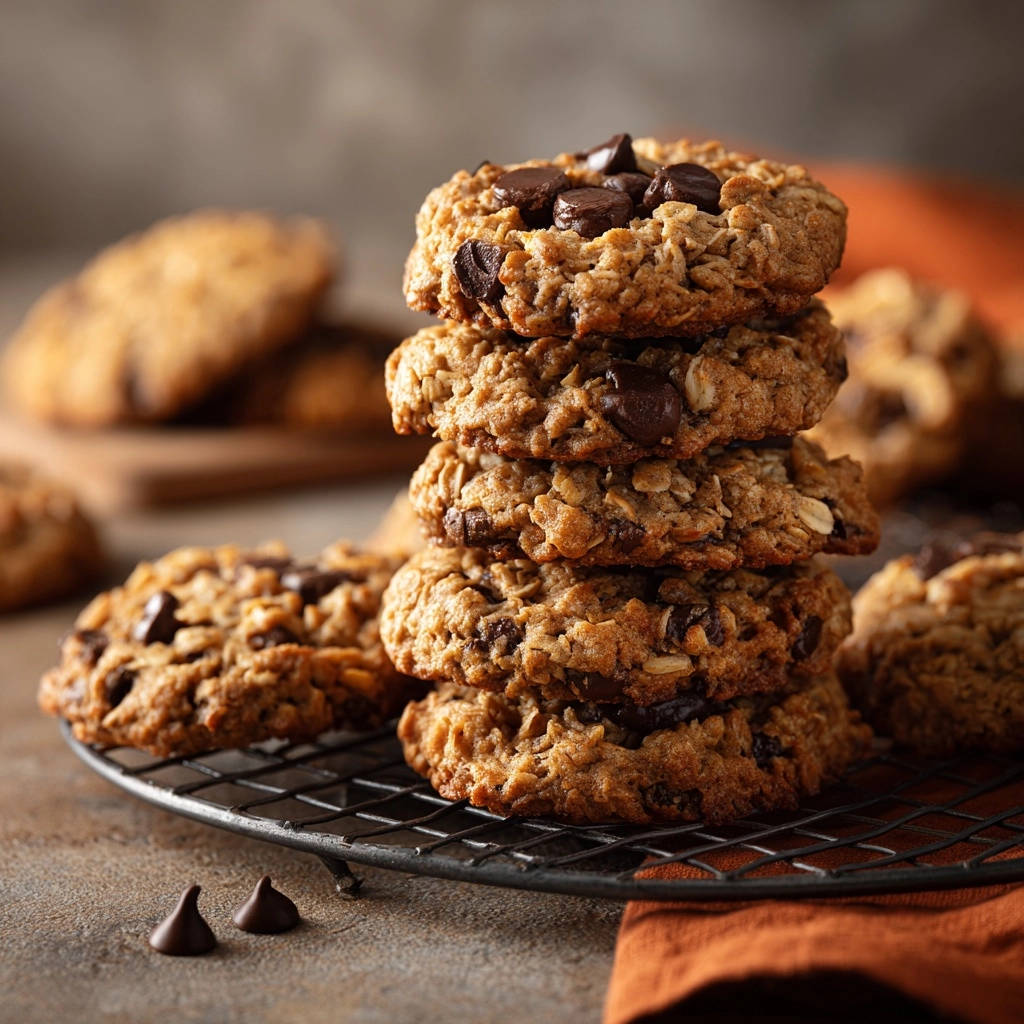
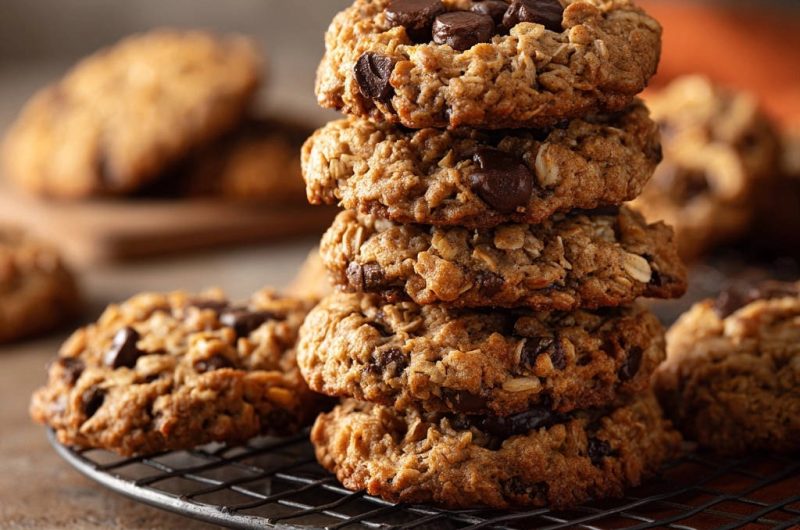
For years, I chased that elusive perfect tender middle in a classic cookie, often ending up with disappointing hard or crumbly results. My journey to master the ultimate Chewy Oatmeal Chocolate Chip Cookies finally led to a breakthrough, revealing simple tweaks that guarantee delightful softness every single time.
This recipe isn’t just about mixing ingredients; it’s a proven method for achieving that coveted warm, gooey texture that makes these homemade treats an instant family favorite.
Why This Chewy Oatmeal Chocolate Chip Cookie Recipe Shines
This particular recipe for Chewy Oatmeal Chocolate Chip Cookies stands out because it systematically addresses and overcomes common baking pitfalls. You’ll consistently achieve cookies that are wonderfully soft and perfectly chewy, never disappointingly hard or dry.
Our method incorporates precise steps and invaluable tips that make all the difference, ensuring a tender middle and golden edges that truly melt in your mouth. It’s the reliable solution for anyone craving genuinely soft-baked oatmeal cookies.
Gather Your Goodies: The Heart of Delicious Cookies
Butter, Sugars, & Vanilla: The Flavor Base
Unsalted butter, softened to room temperature, is crucial for both texture and flavor. Using unsalted allows you to control the exact salt content in your cookies, ensuring a balanced taste.
The combination of packed light brown sugar and granulated sugar is key to achieving that signature chewiness and perfect spread. Brown sugar adds essential moisture and a deeper, molasses-rich flavor.
A good quality vanilla extract isn’t just an ingredient; it’s a flavor enhancer. It rounds out the sweetness and adds an inviting aroma, elevating the entire cookie experience.
Flour & Leavening: Achieving Perfect Structure
All-purpose flour provides the essential structure for your cookies. Measuring it correctly, by spooning it into the cup and leveling, prevents a dense or dry cookie.
Baking soda acts as our primary leavening agent. It reacts with the acidic brown sugar, promoting spread and contributing to a soft, tender crumb in these delightful Chewy Oatmeal Chocolate Chip Cookies.
Just a hint of salt is vital for balancing the sweetness and enhancing all the other flavors. It subtly brings out the best in both the chocolate and the oats.
Old-Fashioned Oats & Chocolate Chips: The Signature Mix
Old-fashioned rolled oats are non-negotiable for that characteristic chewy texture we crave. Their thicker, less processed form holds up well during baking, providing substance and a delightful chew.
Semi-sweet chocolate chips melt into luscious pockets throughout the dough, offering a perfect counterpoint to the oats. While semi-sweet is traditional, feel free to experiment with milk or dark chocolate for a personalized touch.
Your Toolkit for Cookie Perfection
Having the right tools makes the baking process smoother and ensures consistent, professional-level results.
An electric mixer, either a stand mixer or a powerful hand mixer, is essential for properly creaming butter and sugars. Large mixing bowls are also crucial for combining ingredients without making a mess.
Always line your baking sheets with parchment paper. This prevents sticking, promotes even browning, and makes cleanup incredibly easy.
For uniform cookies that bake evenly, a cookie scoop is a game-changer. Finally, a wire rack is vital for cooling the cookies completely, ensuring their texture sets perfectly.
Baking Brilliance: A Step-by-Step Guide
- Prepare Your Workspace: Preheat & Line
Start by preheating your oven to a precise 350°F (175°C). This ensures your oven is at the correct temperature for immediate baking once the dough is ready, preventing inconsistent results.
Line your baking sheets with parchment paper. This simple step guarantees your cookies won’t stick, facilitating easy removal and uniform baking without the need for additional grease.
- Cream the Butter & Sugars: The Texture Foundation
In a large bowl, combine the softened unsalted butter with both brown and granulated sugars. Beat them together on medium speed until they are “just combined and smooth,” achieving a creamy consistency.
It’s absolutely crucial not to overbeat this mixture. Introducing too much air can lead to a cakier, less chewy cookie texture, which is the opposite of what we want for perfect Chewy Oatmeal Chocolate Chip Cookies.
- Incorporate Wet Ingredients: Eggs & Vanilla
Add the large eggs one at a time, beating well after each addition until fully incorporated. This ensures the eggs are evenly distributed, contributing to the cookie’s structure and moisture.
Stir in the vanilla extract, mixing until its fragrant essence is evenly blended throughout the butter and sugar mixture, enhancing the overall flavor profile.
- Combine Dry Ingredients: Whisk for Evenness
In a separate medium bowl, whisk together the all-purpose flour, baking soda, and salt. Whisking ensures these dry ingredients are thoroughly combined and evenly distributed, preventing pockets of leavening or salt in the finished cookie.
- Marry Wet and Dry: Mix Until Just Combined
Gradually add the whisked dry ingredients to the wet mixture, mixing on low speed. This slow addition helps to prevent flour from flying out of the bowl and allows for controlled incorporation.
Stop mixing as soon as “no dry streaks remain.” This is a critical point: overmixing the flour develops gluten, which directly contributes to a tougher, less tender cookie texture.
- Fold in Oats & Chocolate: The Finishing Touches
Gently fold in the old-fashioned rolled oats and semi-sweet chocolate chips using a spatula. Mix just until they are “evenly distributed throughout the dough.”
Avoid vigorous stirring, which can crush the delicate oats and overwork the dough, compromising the final texture of your Chewy Oatmeal Chocolate Chip Cookies.
- Scoop and Space: Prepare for Baking
Drop rounded tablespoons of the cookie dough onto your prepared baking sheets. A cookie scoop helps ensure uniform size, promoting even baking across the batch.
Crucially, leave about 2 inches of space between each cookie. This allows them to spread properly without running into each other, resulting in perfectly shaped cookies.
- Bake to Perfection: The Key to Soft Centers
Bake the cookies for 10 to 12 minutes. Pay close attention to visual cues, as oven temperatures can vary slightly.
Remove them from the oven when the “edges are lightly golden brown but the centers still look slightly soft and underdone.” This is the absolute key to achieving soft centers, as they will continue to set beautifully as they cool on the hot baking sheet.
- Cool & Transfer: The Crucial Setting Stage
Once removed from the oven, let the cookies cool on the baking sheets for 5 minutes. This is a crucial step that allows them to firm up gradually without becoming hard or falling apart.
After 5 minutes, carefully transfer the cookies to a wire rack to cool completely. This ensures air circulation around all sides, preventing condensation and preserving their perfect chewy texture.
Unlock Pro Secrets for Ultimate Chewiness
The Butter & Sugar Harmony: Avoiding Cakiness Always start with softened, not melted, butter. Cream it with sugars until just combined, not light and fluffy, to prevent too much air incorporation that can lead to a cakey texture instead of chewy.
The ‘Just Combined’ Flour Principle When adding dry ingredients to wet, mix only until no streaks of flour remain. Overmixing develops gluten, which directly contributes to tough, rather than tender, cookies.
The Underbaked Center: Your Key to Softness Pull your cookies from the oven when the edges are set and golden, but the centers still appear slightly soft and underdone. They will continue to bake and firm up on the hot baking sheet, resulting in that coveted chewy middle.
The Crucial Cooling Phase Don’t rush transferring your cookies! Allowing them to cool on the baking sheet for 5 minutes after baking is vital. This period lets them set gently without becoming hard or falling apart, achieving the perfect structure for transfer and ultimate chewiness.
Measure Oats Accurately For consistent texture, spoon oats into your measuring cup and level it off. Don’t pack them down unless specified, as this can lead to a drier, denser cookie.
Troubleshooting Your Oatmeal Chocolate Chip Cookies
Why Are My Chewy Oatmeal Chocolate Chip Cookies Spreading Too Much?
Excessive spreading can be caused by butter that’s too soft or melted, insufficient flour, or an oven that isn’t hot enough. Ensure your butter is softened but still cool, measure flour accurately, and check your oven temperature with a thermometer.
Chilling the dough for at least 30 minutes can also help prevent spreading by firming up the butter before baking. This extra step helps these homemade cookies hold their shape better.
My Cookies Are Tough or Crumbly, Not Chewy!
Tough cookies are often a sign of overmixing the flour, which develops gluten. Always mix just until the dry ingredients are incorporated, stopping as soon as no dry streaks remain.
Crumbly cookies might indicate too little moisture, possibly from over-measuring flour or under-mixing wet ingredients. Ensure accurate measurements and thorough creaming of butter and sugars to achieve the desired tender middle.
The Centers Aren’t Soft Enough, They’re Dry.
This is almost always due to overbaking. Remember to remove the cookies when the edges are set but the centers still look slightly underdone – this is the secret to soft centers.
Baking at too high a temperature can also dry them out quickly. Calibrate your oven if you suspect it’s running hot to prevent dry, hard cookies.
Serving Suggestions & Storage Smarts
Delightful Pairings
These warm, Chewy Oatmeal Chocolate Chip Cookies are perfect on their own, offering a rich and satisfying snack. However, they truly shine when paired with a cold glass of milk, a scoop of vanilla bean ice cream, or a comforting mug of hot coffee or tea.
For a perfect pairing, try our Mastering Sea Salt Dark Chocolate Chunk Cookies.
Consider crumbling them over yogurt or incorporating them into a simple trifle for a decadent, texturally exciting dessert. The possibilities for enjoying these soft and tender cookies are endless.
Keeping Them Fresh
Store your cooled cookies in an airtight container at room temperature for up to 3-5 days to maintain their delicious freshness. Adding a slice of plain bread to the container can help keep them wonderfully soft and moist.
Freezing Dough or Baked Cookies
To freeze dough, scoop individual balls onto a parchment-lined tray and freeze until solid. Once firm, transfer them to a freezer-safe bag or container, where they’ll keep for up to 3 months. Bake from frozen, adding a minute or two to the suggested baking time.
Baked Chewy Oatmeal Chocolate Chip Cookies can also be frozen in an airtight container or freezer bag for up to 2 months. Thaw them at room temperature, or warm briefly in the microwave for a fresh-baked experience.
Frequently Asked Questions (FAQ)
Can I use quick oats instead of old-fashioned rolled oats?
While you can, it’s not recommended for achieving the signature chewy texture of this recipe. Quick oats are more processed and absorb liquids differently, which can result in a softer, less substantial cookie. For the best “Chewy Oatmeal Chocolate Chip Cookies,” stick to old-fashioned rolled oats.
What’s the best way to measure flour and oats?
For flour, use the spoon-and-level method: spoon flour into your measuring cup until overflowing, then level off with a straight edge. For oats, simply scoop them into the measuring cup and level, avoiding packing them down. This ensures accurate measurements for perfect texture.
Can I make these Chewy Oatmeal Chocolate Chip Cookies gluten-free?
Yes, you can substitute the all-purpose flour with a 1:1 gluten-free baking flour blend that contains xanthan gum. Ensure your oats are certified gluten-free as well, as some brands may have cross-contamination. The baking time and texture may vary slightly, so keep a close eye on them.
Can I substitute other chocolate chip varieties?
Absolutely! While semi-sweet is traditional for classic “Chewy Oatmeal Chocolate Chip Cookies,” feel free to use milk chocolate, dark chocolate, white chocolate, or even a mix of different types of chocolate chips or chunks to customize your cookies. Enjoy experimenting with your favorite flavors!
If you enjoy using semi-sweet chocolate here, these loaded almond chocolate chunk cookies offer a similar richness with added crunch.
Your New Favorite Chewy Oatmeal Chocolate Chip Cookie Recipe Awaits!
Now that you’re armed with the secrets to consistently perfect, deeply chewy oatmeal chocolate chip cookies, it’s time to preheat your oven and get baking!
This recipe promises that delightful tenderness and rich flavor that will make these a cherished family favorite, bringing smiles with every bite. The pursuit of the perfect cookie ends here.
We’d love to hear about your baking success! Share your creations and tell us your favorite part about these irresistible treats in the comments below.
More to Try
If you are already in the mood for baking, these two recipes share the same warm, comforting vibe as your oatmeal chocolate chip cookies.
- For a savory breakfast side that uses a similar buttermilk tang, try Southern Biscuits and Mushroom Gravy — the fluffy biscuits balance the chewy cookies nicely.
- To double down on cinnamon and streusel, bake the Cinnamon Stre
Chewy Oatmeal Chocolate Chip Cookies
Course: DessertCuisine: AmericanDifficulty: easyServings2
dozen cookiesPrep time20
minutesCooking time10
minutesCalories900
kcalTotal time45
minutesDiscover the secret to perfectly soft and chewy oatmeal chocolate chip cookies that never turn out hard or crumbly. This recipe ensures a tender middle every time, thanks to simple adjustments in the baking process. Enjoy a delightful batch of these homemade treats.
Ingredients
1 cup (2 sticks) unsalted butter, softened
1 cup packed light brown sugar
1/2 cup granulated sugar
2 large eggs
1 teaspoon vanilla extract
1 1/2 cups all purpose flour
1 teaspoon baking soda
1/2 teaspoon salt
3 cups old fashioned rolled oats
1 1/2 cups semi sweet chocolate chips
Directions
- Preheat your oven to 350 degrees F (175 degrees C). Line baking sheets with parchment paper.
- In a large bowl, cream together the softened butter, brown sugar, and granulated sugar until just combined and smooth. Be careful not to overbeat, as too much air can lead to a cakier texture.
- Beat in the eggs one at a time, mixing well after each addition. Stir in the vanilla extract.
- In a separate medium bowl, whisk together the flour, baking soda, and salt.
- Gradually add the dry ingredients to the wet ingredients, mixing on low speed until just combined. Stop as soon as no dry streaks remain. Overmixing the flour can develop gluten, which contributes to a tougher cookie.
- Fold in the old fashioned rolled oats and chocolate chips until evenly distributed throughout the dough.
- Drop rounded tablespoons of dough onto the prepared baking sheets, leaving about 2 inches between cookies.
- Bake for 10 to 12 minutes, or until the edges are lightly golden brown but the centers still look slightly soft and underdone. This is the absolute key to achieving soft centers. They will continue to set as they cool on the baking sheet.
- Remove the baking sheets from the oven and let the cookies cool on the sheets for 5 minutes before transferring them to a wire rack to cool completely. This crucial step helps them firm up without becoming hard.
Notes
- To achieve soft centers, bake until edges are lightly golden but centers are still slightly soft. Cool on baking sheets for 5 minutes before transferring to a wire rack.