Classic Beef Lasagna
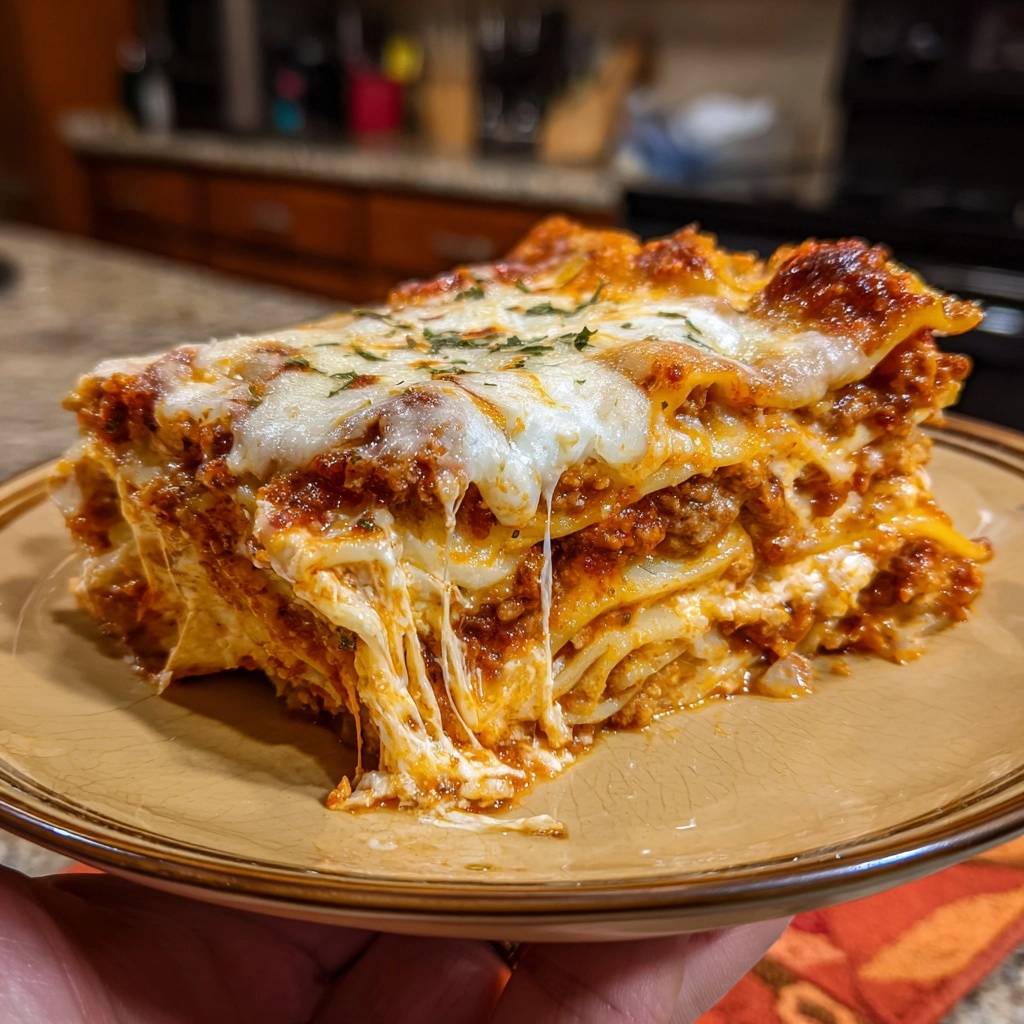
Picture this: you cut into your classic beef lasagna, and instead of a glorious, firm slice that stands tall, it collapses into a watery puddle. We’ve all been there, right? But this recipe changes everything. You’ll get those perfect, sliceable layers every time, thanks to draining the ricotta dry and balancing the sauce just right.
Why does classic beef lasagna demand such care? Moisture is the enemy here. Too much, and your layers turn soupy. This method fixes that forever by removing excess whey from the ricotta and simmering the beef sauce until it’s thick and rich. No more frustration, just cheesy, beefy bliss.
Here’s the pro tip that proves it works: press that ricotta between paper towels for a full 10 minutes. You’ll see the liquid squeeze out, and that’s your ticket to firm structure. Trust me, this one tweak makes all the difference in your classic beef lasagna.
Why Classic Beef Lasagna Demands Precision Layers
Soggy lasagna haunts home cooks everywhere. Common recipes skip draining the ricotta, so whey leaks out during baking and floods the dish. However, this classic beef lasagna recipe drains it first and reduces the sauce properly for firm results.
Science backs it up. Excess moisture prevents the noodles from absorbing just enough liquid to cook without breaking down. In addition, a balanced beef sauce clings to layers instead of pooling. You’ll never deal with runny beef lasagna again.
Origins of Classic Beef Lasagna Tradition
Lasagna traces back to Italy’s Emilia-Romagna region, where flat pasta sheets layered with ragu and bechamel defined the dish. Italian immigrants brought it to America in the 19th century.
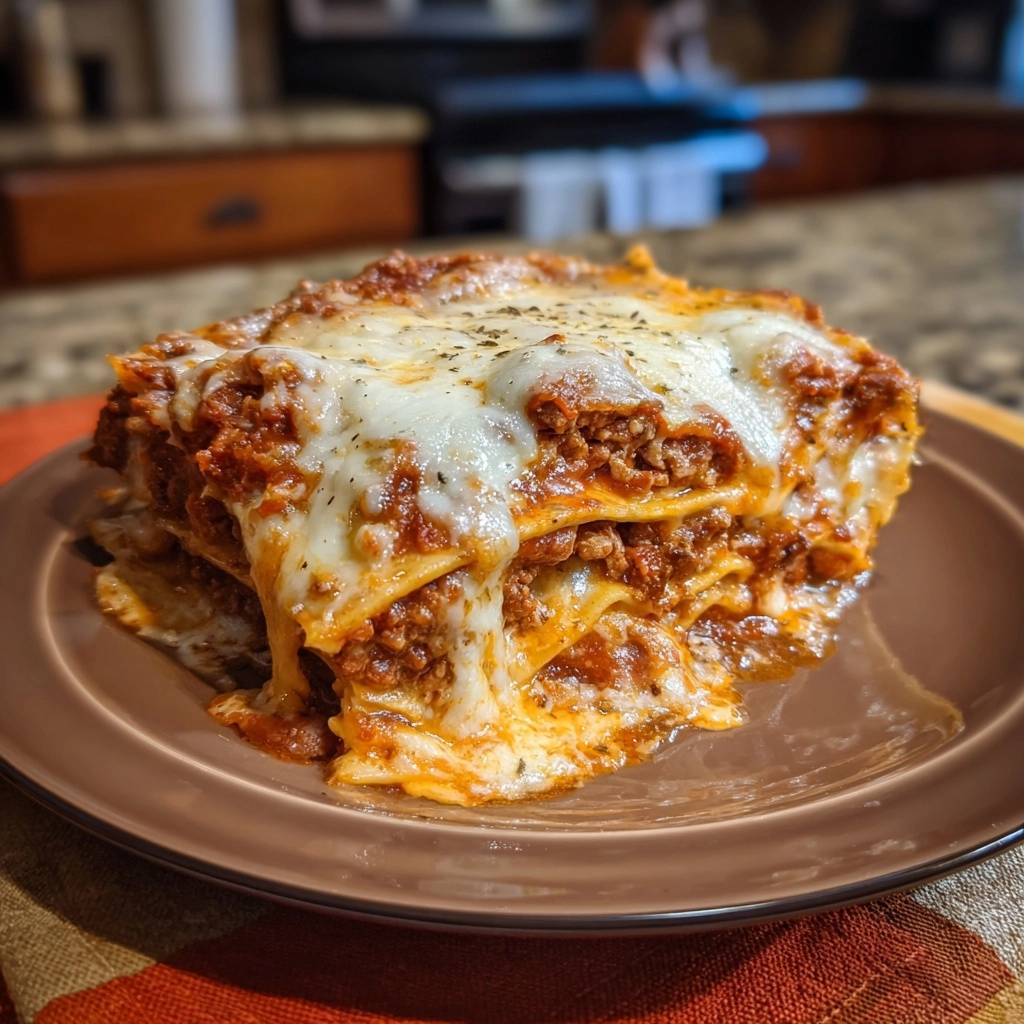
Here, it evolved with ground beef for richness and ricotta for creaminess, creating the hearty classic beef lasagna we crave. Families adapted it for big gatherings, emphasizing those stable, comforting layers.
Building Blocks for Firm Classic Beef Lasagna
Every ingredient in this beef lasagna recipe plays a role in texture and flavor. Start with the sauce group: 1.5 lbs ground beef delivers deep savoriness without greasiness if you drain the fat well. Onions and garlic build aroma, while crushed tomatoes, tomato sauce, and paste create body.
Cheese is key too. Ricotta, mixed with egg, binds layers once drained. Four cups mozzarella, divided, ensures even melt without rubberiness. One cup Parmesan adds sharp umami.
Noodles matter: no-boil types save time and cook perfectly in the sauce’s moisture, but regular ones work if parboiled briefly. You likely have most of these beef lasagna ingredients on hand already.
Meat Sauce Foundation: Beef and Tomato Ratios
Brown 1.5 lbs ground beef with diced onion and minced garlic until fragrant, about 8 minutes. Stir in 28 oz crushed tomatoes, 15 oz tomato sauce, and 2 tbsp tomato paste, plus oregano and basil. Simmer 15 minutes to thicken; this ratio evaporates water for clingy sauce. Lean beef swaps in easily for less fat.
Ricotta Draining: Secret to Dry, Stable Layers
Mix 15 oz ricotta with one egg, salt, and 1/2 cup Parmesan until smooth. Spread thin on paper towels, top with more towels, and press firmly for 10 minutes. You’ll watch whey drain away, leaving dry filling that won’t sog your classic beef lasagna. It’s a game-changer.
Cheese Melts: Mozzarella and Parmesan Balance
Divide 4 cups shredded mozzarella into layers to melt evenly and avoid a tough top. Sprinkle remaining Parmesan on top for a golden, umami crust. Freshly grated beats pre-shredded; it melts smoother without anti-caking agents.
Science of Beef Lasagna Layer Stability
Browning the beef triggers the Maillard reaction, building flavor compounds that deepen taste. Noodles gelatinize their starch in the oven’s steam, firming up. Cheese proteins coagulate into a stretchy matrix.
Resting 15 minutes lets collagen set, so slices hold shape. Therefore, precision in moisture control ensures your classic beef lasagna stays stable. Skip it, and everything slides apart.
Moisture Control in Ricotta and Sauce
Draining ricotta uses pressure and osmosis to pull out whey, preventing bake-time leaks. Sauce thickens through evaporation during simmering, concentrating flavors. Undrained versions pool liquid; this method keeps beef lasagna layers dry and defined.
Equipment Essentials for Beef Lasagna Success
A 9×13-inch baking dish ensures even heat distribution for perfect classic beef lasagna. Use heavy-duty foil to trap steam without sticking. A large skillet, ideally cast iron, browns beef deeply for better flavor.
Don’t overlook a colander for draining fat or paper towels for ricotta. These basics prevent common fails and make assembly smooth.
Baking Dish Dimensions and Foil Technique
Stick to 9×13 exactly; smaller pans cram layers and cause uneven cooking or burnt edges. Crimp foil tightly over the dish to contain steam, cooking noodles gently without drying out.
Phase 1: Mastering the Beef Ragu Base
Heat a skillet over medium and add ground beef, diced onion, and minced garlic. Cook 8 minutes until beef shows no pink and smells rich. Drain fat well to keep layers lean.
Stir in tomatoes, sauce, paste, oregano, basil, salt, and pepper. Simmer 15 minutes; the mixture thickens and aromas fill your kitchen. Cool slightly before layering to avoid sogginess.
Draining Fat for Lean Beef Lasagna
Tilt the skillet and spoon out fat, or pour into a bowl lined with paper towels. This step cuts grease, ensuring your classic beef lasagna stays light and sliceable.
Phase 2: Preparing No-Water Ricotta Filling
Combine ricotta, egg, salt, and Parmesan in a bowl until creamy. Spread onto paper towels, cover, and press 10 minutes. Liquid drains out, transforming wet cheese into a stable spread.
Pro tip: if it’s still damp, press again. This prevents soupiness guaranteed.
Phase 3: Assembling Classic Beef Lasagna Layers
Preheat oven to 375F. Spread 1 cup cooled meat sauce in your 9×13 dish. Lay 4 noodles evenly, then 1/3 of remaining sauce, 1/3 drained ricotta, and 1 cup mozzarella. Repeat twice.
Top with leftover mozzarella and Parmesan. Cool sauce first so it doesn’t make noodles soggy during assembly. Layers build stability this way.
Layer Sequence for Even Cooking
Always noodle, sauce, ricotta, mozzarella, repeat. This order ensures even cooking and melt. Finish with cheese for a bubbly crown on your beef lasagna.
Phase 4: Baking Beef Lasagna to Golden Perfection
Cover tightly with foil and bake 30 minutes at 375F. Steam cooks the noodles perfectly. Remove foil, bake 20 more minutes until golden and bubbling.
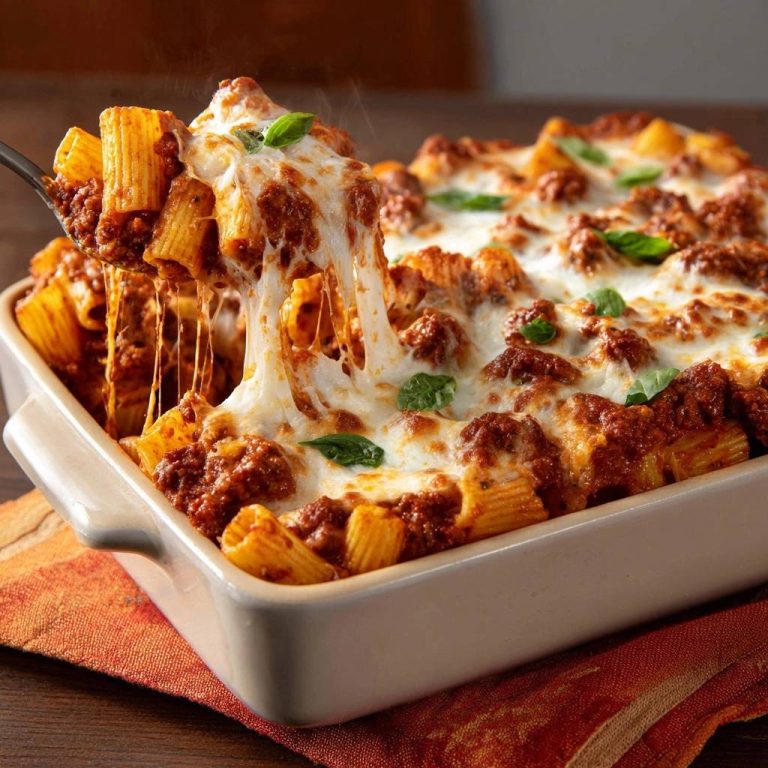
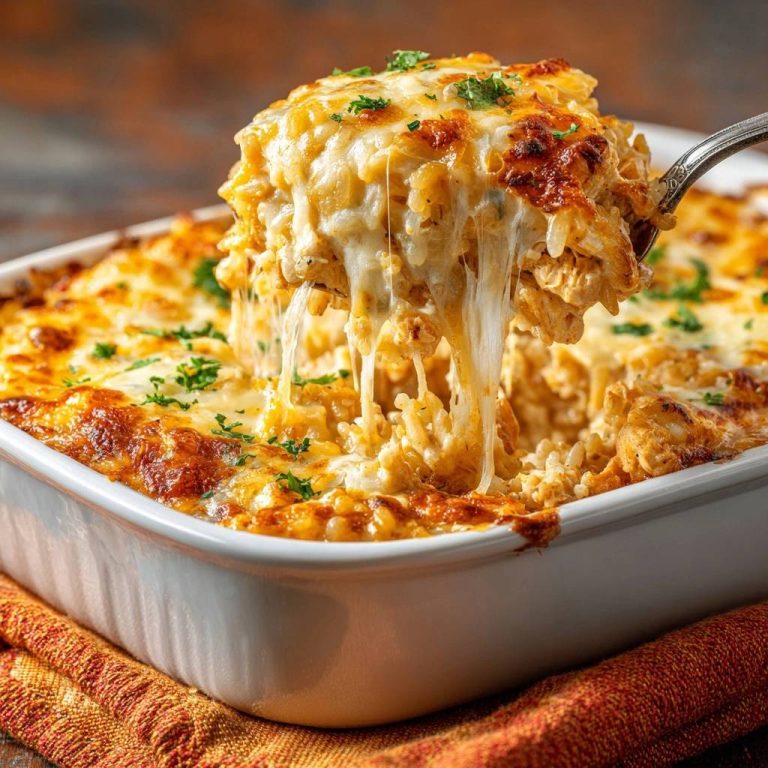
For extra crust, broil 2 minutes. Place rack in middle for even browning. Oh man, that cheese pull is worth it.
Resting Period for Sliceable Slices
Rest 15 minutes uncovered; collagen firms for clean cuts. Use a sharp knife for neat slices. Sprinkle fresh parsley for color and herby pop.
Make-Ahead and Freezing Beef Lasagna Guide
Assemble fully, wrap unbaked classic beef lasagna tightly in foil, and freeze up to 3 months. Thaw overnight in fridge, then bake with 10 extra minutes. It’s a lifesaver for busy weeks.
Bake-ahead? Cool completely, refrigerate up to 2 days, then reheat covered at 350F. Portion into singles for easy family meals; one pan feeds 12 generously.
Thawing and Reheating Without Sogginess
Thaw only in fridge to avoid excess moisture. Reheat covered with foil first, then uncover to crisp. Skip microwave; it makes layers rubbery.
Avoiding Classic Beef Lasagna Pitfalls
Top mistakes include skipping ricotta drain, leading to wateriness. Undercooked noodles happen without foil steam. Over-sauced pans drown everything.
No rest means sloppy slices, and wrong temp burns edges. Fixes: drain twice, foil tight, measure sauce precisely. Science wins every time.
Troubleshooting Watery or Runny Layers
Double-drain ricotta and simmer sauce 5 extra minutes. Test noodles by soaking in hot water; they should soften but hold shape. These tweaks save your beef lasagna.
Pairing Sides with Classic Beef Lasagna
Crisp green salad with vinaigrette cuts through the richness perfectly. Garlic bread soaks up sauce, adding crunch. Roasted veggies like zucchini bring earthiness.
If you enjoy this rich meat sauce, you’ll find the same bold flavor in a classic beef lasagna.
Sparkling cranberry juice refreshes the palate alongside hearty beef lasagna layers.
If you enjoy pairing a crisp salad with saucy pasta, you’ll love this beef and sun-dried tomato ragu for the same reason.
Flavor Twists on Beef Lasagna Classic
Mix chopped spinach into ricotta for green nutrition without changing texture. Swap half the beef for Italian sausage if you want spice, but keep draining fat.
What Goes Well with Beef Lasagna?
A rich, cheesy lasagna calls for something bright and crisp on the side. These two salads bring acidity, crunch, and a little bitterness to balance the hearty pasta.
- The Chopped Antipasto Salad adds briny olives, tangy pepperoncini, and fresh vegetables for a sharp contrast to the creamy béchamel.
- For a warm-weather option with roasted depth, try the Crispy Roasted Butternut Squash Kale Salad – the earthy squash and sturdy kale hold up next to the lasagna’s layers.
Add zucchini slices between layers for veggies. These keep the firm structure of classic beef lasagna intact while boosting flavor.
Expert Answers on Classic Beef Lasagna
Do no-boil noodles work in classic beef lasagna?
Yes, perfectly. The sauce’s moisture cooks them during baking, especially with foil on first. If using regular, parboil 5 minutes to avoid crunchiness. They both yield tender layers.
How do you store classic beef lasagna leftovers?
Cool completely, then portion into airtight containers. Refrigerate up to 4 days or freeze baked lasagna for 2-3 months. Thaw in fridge before reheating at 350F covered to retain moisture balance.
Why is my classic beef lasagna watery, and how do I fix it?
Usually undrained ricotta or thin sauce. Drain ricotta 10-15 minutes between towels, and simmer sauce until it mounds on a spoon. Resting 15 minutes also sets the structure firmly.
Can I make classic beef lasagna gluten-free?
Absolutely. Use gluten-free lasagna noodles and add 1/2 cup extra sauce for hydration. They cook similarly; just check package for oven temps. Layers stay stable.
What if I don’t have a 9×13 pan for beef lasagna?
Use two 8×8 dishes instead, halving layers. Bake same time, but watch edges. Adjust noodle count to fit; stability holds with precise stacking.
Can I make a vegetarian version of classic beef lasagna?
Swap beef for lentils simmered with garlic and onions. Use same sauce ratios and draining steps. It mimics richness while keeping firm, sliceable layers intact.
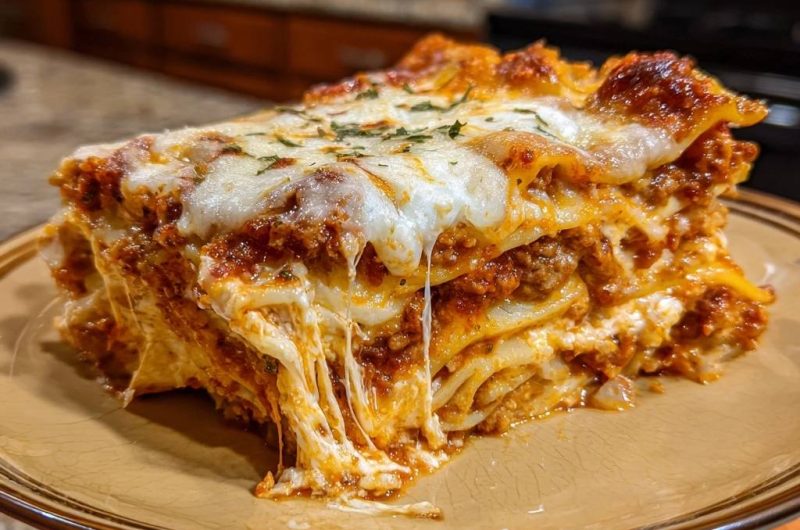
Beef Lasagna
Course: Main CourseCuisine: ItalianDifficulty: medium12
servings30
minutes1
hour5
minutes450
kcal95
MinutesTired of lasagna that turns into a soupy mess? This foolproof recipe drains the ricotta dry and balances sauce perfectly for firm, sliceable layers that hold every time. Melty cheese, rich beef sauce, and zero sogginess.
Ingredients
12 lasagna noodles (no-boil or regular)
1.5 lbs ground beef
1 large onion, diced
4 garlic cloves, minced
28 oz can crushed tomatoes
15 oz can tomato sauce
2 tbsp tomato paste
2 tsp dried oregano
2 tsp dried basil
Salt and pepper to taste
15 oz ricotta cheese
1 egg
4 cups shredded mozzarella cheese, divided
1 cup grated Parmesan cheese
Fresh parsley for garnish
Directions
- Brown ground beef with onion and garlic in a large skillet over medium heat until no pink remains, about 8 minutes. Drain fat. Stir in crushed tomatoes, tomato sauce, tomato paste, oregano, basil, salt, and pepper. Simmer 15 minutes until thickened. Cool slightly.
- Mix ricotta with egg, 1 tsp salt, and 1/2 cup Parmesan until smooth. This is the key to no watery layers: Spread ricotta on paper towels in a thin layer, top with more paper towels, and press firmly for 10 minutes to squeeze out all excess moisture. Discard liquid.
- Preheat oven to 375F. Spread 1 cup meat sauce in a 9×13-inch baking dish. Add 4 noodles. Layer 1/3 remaining sauce, 1/3 drained ricotta, and 1 cup mozzarella. Repeat layers twice. Top with remaining mozzarella and Parmesan.
- Cover tightly with foil and bake 30 minutes. Remove foil and bake 20 more minutes until bubbly and golden.
- Rest 15 minutes before slicing. This locks in structure for clean cuts. Garnish with parsley. Serve hot.
Notes
- Key to no watery layers: Drain ricotta by spreading on paper towels, topping with more paper towels, and pressing firmly for 10 minutes. Rest lasagna 15 minutes before slicing for clean cuts.