Classic Fried Rice: The Secret to Perfect, Fluffy Grains
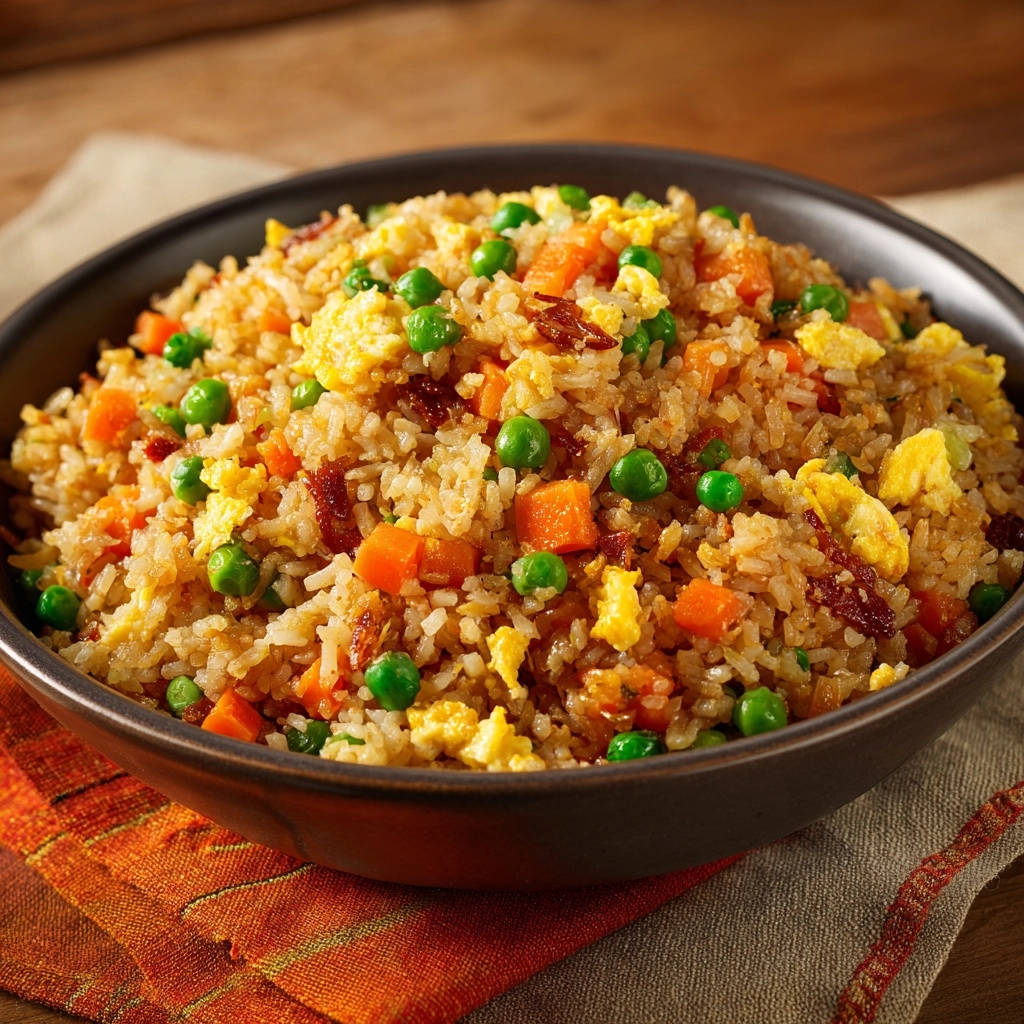
For years, I struggled to achieve that elusive, restaurant-quality Classic Fried Rice – you know, the one with distinct, fluffy grains, not a sticky, clumpy mess. It was my biggest kitchen frustration, but after much experimentation, I finally cracked the code to a truly authentic texture.
This recipe isn’t just about ingredients; it’s about a simple, yet game-changing technique that guarantees beautiful, separate grains every single time.
Get ready to transform your weeknight dinner with a Classic Fried Rice that tastes like it came straight from your favorite takeout spot, but even better.
Tired of Sticky Rice? Unlock the Secret to Fluffy Classic Fried Rice
We’ve all been there: eagerly anticipating a homemade fried rice masterpiece, only to serve up a disappointing, gummy blob.
That sticky texture is the bane of home cooks, but it’s entirely avoidable with the right approach.
This recipe directly tackles that common pitfall, ensuring your fried rice is light, airy, and full of distinct grains.
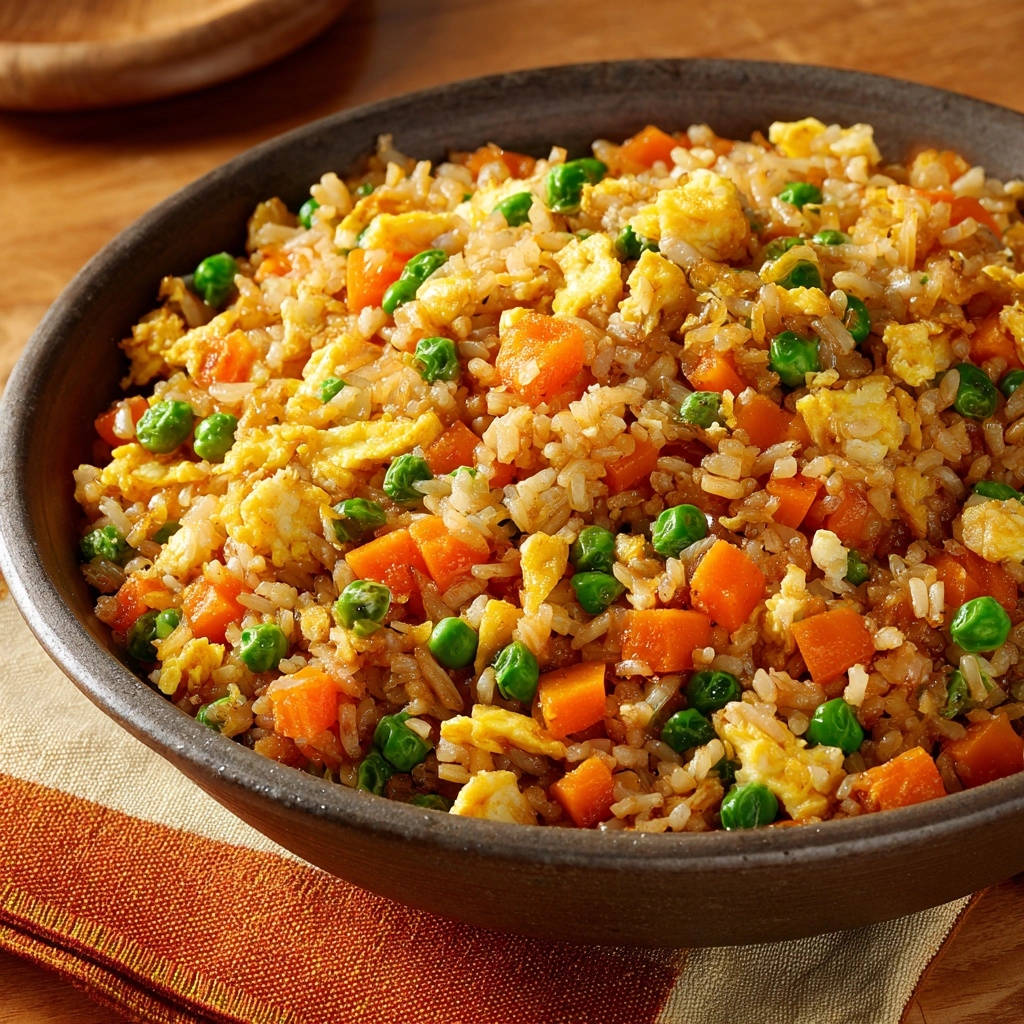
The “No More Clumps” Promise: Achieving Restaurant Texture at Home
The key to solving the sticky rice dilemma lies in moisture control and proper stir-frying technique.
This recipe provides crystal-clear guidance on preparing your rice and mastering the pan, resulting in perfectly separate grains that glide effortlessly against each other.
You’ll achieve that coveted restaurant-style texture right in your own kitchen.
Why This Classic Fried Rice Recipe Will Be Your New Go-To
Beyond its flawless texture, this Classic Fried Rice recipe offers incredible ease and speed, making it ideal for busy weeknights.
It’s highly adaptable, allowing you to customize it with your favorite proteins and vegetables.
The balanced savory flavor profile and satisfying bite will make this a consistent family favorite.
The Essential Lineup: What You Need for Perfect Classic Fried Rice
Success in Classic Fried Rice begins with understanding the role each ingredient plays.
Quality and preparation are paramount for that authentic flavor and texture.
The Unsung Hero: Perfectly Prepared Day-Old Rice
The foundation of exceptional Classic Fried Rice is, without a doubt, cold, day-old white rice.
Using old rice significantly reduces its moisture content, preventing stickiness during high-heat stir-frying.
If you don’t have day-old rice, cook fresh rice, spread it thinly on a baking sheet, and refrigerate for several hours until it’s thoroughly chilled and dried out.
Protein Power: Eggs and Savory Bacon
Scrambled eggs add a lovely texture, visual appeal, and subtle richness to your fried rice.
Crumbled, crispy bacon introduces an incredible depth of savory, salty flavor that complements the rice beautifully.
For alternatives, cooked chicken or shrimp can be excellent additions, or skip the bacon for a vegetarian option.
Freshness & Crunch: Vibrant Vegetables
Frozen peas and finely diced carrots provide essential color, a touch of sweetness, and tender-crisp texture.
They cook quickly and integrate seamlessly into the dish, adding a pleasant freshness.
Feel free to experiment with other quick-cooking vegetables like corn or finely chopped bell peppers.
The Umami Touch: Soy Sauce and Beyond
Soy sauce is the backbone of Classic Fried Rice flavor, delivering essential umami and saltiness.
Use a good quality soy sauce for the best results.
While optional, a tiny pinch of white pepper can add a subtle aromatic warmth, and a dash of sesame oil at the very end elevates the aroma significantly.
Your Essential Tools for a Successful Fried Rice Experience
Having the right equipment ensures your cooking process is smooth and your results are optimal.
You don’t need fancy gadgets, just the right essentials.
Wok vs. Skillet: Choosing Your Stir-Frying Companion
A wok is ideal for fried rice due to its high heat distribution and sloped sides, perfect for tossing.
However, a large (12-inch or larger) heavy-bottomed skillet or cast-iron pan works beautifully too.
The key is ample surface area and excellent heat retention for effective stir-frying.
Spatula Savvy: The Right Tool for Tossing and Turning
A sturdy, heat-resistant spatula, preferably a metal wok spatula or a large wooden spoon, is crucial.
It allows you to effectively break up rice clumps, scrape the bottom, and continuously toss ingredients.
Your Path to Perfection: Crafting Classic Fried Rice Step-by-Step
Follow these steps closely, paying attention to the specific techniques for each stage, and you’ll achieve perfect Classic Fried Rice every time.
- Prep the Rice: The Golden Rule for Fluffiness
This is the most crucial step! Ensure your cooked white rice is completely cold, preferably day-old.
If using fresh rice, spread it out thinly on a baking sheet and refrigerate for a few hours until thoroughly chilled and dried. This dryness is essential for preventing stickiness and achieving separate grains.
- Scramble the Eggs to Perfection
In a large skillet or wok, heat 1/2 tablespoon of cooking oil over medium-high heat. Whisk the eggs with a pinch of salt.
Pour into the hot pan and scramble until just set, then remove and set aside. Don’t overcook them; they’ll finish cooking later and should remain tender.
- Sauté the Vegetables and Bacon Base
Add the remaining 1/2 tablespoon of oil to the same pan. Add the diced carrots and stir-fry for 2-3 minutes until slightly tender-crisp.
Add the frozen peas and crumbled bacon, continuing to stir-fry for another 1-2 minutes until heated through and fragrant.
- The Core Technique: Vigorously Stir-Frying the Rice
Push the vegetables and bacon to one side of the pan. Add the cold, day-old rice to the empty side.
Break up any clumps with your spatula. Let the rice sit undisturbed for about 30 seconds to get a slight toast on the grains, then begin to vigorously stir-fry, constantly moving the rice around the hot pan for 3-5 minutes.
This continuous movement over high heat helps evaporate any remaining moisture and keeps the grains separate and distinct, preventing sogginess.
- Combine, Season, and Incorporate Eggs
Add the soy sauce directly over the rice and continue to stir-fry, tossing everything together to ensure the sauce evenly coats all the grains.
Fold in the cooked scrambled eggs, gently mixing until just combined and evenly distributed throughout the Classic Fried Rice.
- Final Heat-Through and Serving
Continue to stir-fry for one more minute until everything is heated through and well combined.
Serve immediately for the best texture and flavor, capturing that fresh-from-the-wok essence.
Beyond the Basics: Chef’s Secrets for Next-Level Classic Fried Rice
Elevate your homemade fried rice from good to truly exceptional with these pro tips.
The Undisputed King: Why Cold, Day-Old Rice Reigns Supreme
I cannot stress this enough: dry, cold rice is the single most important factor for fluffy, non-sticky fried rice.
The chilling process further dries out the rice, preventing it from steaming and clumping when it hits the hot pan.
Mastering the High Heat: The Key to Authentic Fried Rice Texture
Stir-frying demands intense heat to quickly cook ingredients and evaporate moisture, creating that slight char and nutty flavor.
Don’t be shy with the heat; a smoking hot pan is your friend for achieving that coveted “wok hei” (breath of the wok) essence.
Don’t Overcrowd Your Pan: The Golden Rule for Stir-Frying
Overcrowding cools down the pan, causing ingredients to steam instead of stir-fry, leading to soggy results.
If you’re making a larger batch, cook in two separate portions to maintain high heat and ensure proper browning and separation of grains.
Layering Flavors: When to Add Aromatics (and Why)
While not in the basic recipe, consider adding minced garlic or ginger early in the vegetable sauté step.
Sautéing them briefly until fragrant (about 30 seconds) infuses the oil with their potent flavors, building a deeper aromatic base for your Classic Fried Rice.
A Touch of Toasted Sesame Oil: The Finishing Flourish
For an extra layer of authentic, nutty aroma, drizzle a teaspoon of toasted sesame oil over your fried rice just before serving.
Its delicate flavor is best preserved when added at the very end, off the heat.
Troubleshooting Your Classic Fried Rice: Common Hiccups & Quick Fixes
Even with the best instructions, minor issues can arise. Here’s how to fix common fried rice problems.
Problem: My Fried Rice is Still Sticky and Mushy!
Solution: The most common culprits are fresh, warm rice or an overcrowded pan.
Ensure your rice is truly cold and dry; if not, spread it out and chill longer.
If your pan is too full, the temperature drops, and ingredients steam instead of fry; try cooking in smaller batches.
Problem: My Classic Fried Rice Tastes Bland.
Solution: This usually means it needs more seasoning.
Add another splash of soy sauce, a tiny bit of salt, or a dash of white pepper to taste while stir-frying.
Sometimes, a drizzle of toasted sesame oil can also enhance the overall flavor profile.
Problem: My Vegetables are Soggy or Burnt!
Solution: Soggy vegetables indicate too low heat or overcrowding, causing them to steam.
Burnt vegetables mean the heat was too high without enough stirring, or they were added too early.
Adjust your heat and stir continuously to achieve that perfect tender-crisp texture.
Elevate Your Plate: Serving, Storing, and Customizing Your Fried Rice
This Classic Fried Rice is fantastic on its own, but it also pairs beautifully with other dishes and is surprisingly versatile.
Perfect Pairings: What to Serve With Your Classic Fried Rice
Classic Fried Rice makes a wonderful meal on its own or as a delicious side dish.
For a perfect pairing, try our Mastering Golden Egg Fried Rice: The Dry-Chill Method for Perfect Grains.
Consider serving it alongside pan-seared chicken, egg drop soup, or fresh spring rolls for a complete meal.
It also pairs wonderfully with a vibrant vegetable side like skillet street-style corn.
Creative Classic Fried Rice Variations: Proteins, Veggies & More!
Don’t be afraid to customize! Swap out bacon for cooked shrimp, shredded chicken, or even cubed firm tofu for added protein.
Beyond peas and carrots, consider adding finely chopped bell peppers, green beans, or corn kernels for extra color and nutrients.
For a different flavor profile, try adding a touch of oyster sauce or a pinch of sugar for a hint of sweetness.
Storing Leftovers Like a Pro for Optimal Freshness
Cool any leftover Classic Fried Rice quickly by spreading it on a plate or shallow container.
For a grain-free twist that still delivers that satisfying fried rice texture, try this veggie quinoa fried rice.
Store it in an airtight container in the refrigerator for up to 3-4 days.
Fried rice generally reheats well in a microwave or a hot skillet with a tiny bit of oil.
Can You Make This Classic Fried Rice Ahead of Time?
While best served fresh, you can prep some components in advance to speed up mealtime.
Cook your rice the day before and chill it, and have your vegetables pre-chopped and bacon cooked.
This makes the actual stir-frying process incredibly fast when you’re ready to eat.
Your Classic Fried Rice Questions Answered
Let’s clarify some common queries about achieving the best Classic Fried Rice.
What’s the best type of rice to use for Classic Fried Rice?
Long-grain white rice, such as jasmine or basmati, is ideal for Classic Fried Rice due to its lower starch content and ability to hold its shape.
These varieties yield distinct, fluffy grains when properly prepared.
Can I use fresh rice if I don’t have day-old?
Yes, you can, but it requires an extra step: cook the fresh rice, then immediately spread it out thinly on a baking sheet.
Refrigerate it for at least a few hours, or ideally, overnight, until it’s completely cold and significantly dried out to prevent stickiness.
Is a wok absolutely necessary for making great fried rice?
While a wok is the traditional and preferred tool for stir-frying due to its heat distribution and shape, it’s not absolutely necessary.
A large, heavy-bottomed skillet or cast-iron pan with plenty of surface area and good heat retention will yield excellent results.
How can I make this Classic Fried Rice vegetarian or vegan?
To make it vegetarian, simply omit the bacon. For a vegan version, skip the bacon and eggs entirely.
You can substitute the eggs with crumbled firm tofu for a similar texture, and use tamari or coconut aminos instead of soy sauce if needed.
What’s the trick to getting that slight smoky “wok hei” flavor?
Achieving “wok hei” in home kitchens relies on very high heat, ensuring your pan is smoking hot before adding ingredients, and not overcrowding the pan.
This allows for rapid cooking and a slight charring of the rice and ingredients, contributing to that elusive smoky aroma.
Ready to Stir Up a Masterpiece? Share Your Classic Fried Rice!
Now that you’re armed with the secrets to perfectly fluffy, non-sticky Classic Fried Rice, I encourage you to try this recipe tonight.
What Goes Well with Fried Rice
Fried rice is a complete meal on its own, but adding a protein and a fresh side turns it into a bigger spread.
- Pair it with Crispy Pineapple Chicken for a sweet and savory contrast that keeps the crunch going.
- A scoop of Southern Style Coleslaw adds a cool, tangy crunch that cuts through the richness of the fried rice.
It’s simpler than you think to achieve truly delicious results, and the satisfaction of mastering this staple dish is immense.
Whip up a batch, experiment with your favorite add-ins, and enjoy the incredible flavors of homemade Classic Fried Rice.
Don’t forget to share your creations and let me know how it turned out in the comments below!
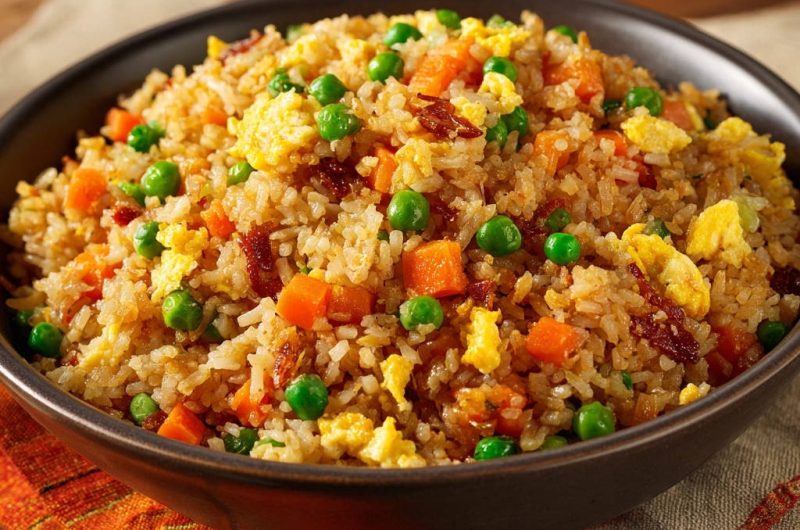
Fried Rice
Course: Main CourseCuisine: ChineseDifficulty: easy3
servings15
minutes15
minutes350
kcal30
minutesDiscover the secret to perfectly fluffy, non-sticky fried rice every time. This classic recipe uses a simple technique to achieve distinct grains, transforming your weeknight dinner into an authentic restaurant-quality meal.
Ingredients
3 cups cooked day-old white rice, cold
2 large eggs
1 tablespoon cooking oil (like vegetable or canola)
1/2 cup frozen peas
1/2 cup diced carrots (small dice)
3 slices cooked bacon, crumbled
2 tablespoons soy sauce
Pinch of salt (optional, for eggs)
Directions
- Prep the Rice: This is the most crucial step! Ensure your cooked white rice is completely cold, preferably day-old. If using fresh rice, spread it out thinly on a baking sheet and refrigerate for a few hours until thoroughly chilled and dried. This dryness is essential for preventing stickiness and achieving separate grains.
- Cook Eggs: In a large skillet or wok, heat 1/2 tablespoon of cooking oil over medium-high heat. Whisk the eggs with a pinch of salt. Pour into the hot pan and scramble until just set, then remove and set aside.
- Cook Vegetables and Bacon: Add the remaining 1/2 tablespoon of oil to the same pan. Add the diced carrots and stir-fry for 2-3 minutes until slightly tender-crisp. Add the frozen peas and crumbled bacon, continuing to stir-fry for another 1-2 minutes.
- The Rice Technique: Push the vegetables and bacon to one side of the pan. Add the cold, day-old rice to the empty side. Break up any clumps with your spatula. Let the rice sit undisturbed for about 30 seconds to get a slight toast on the grains, then begin to vigorously stir-fry, constantly moving the rice around the hot pan for 3-5 minutes. This continuous movement over high heat helps evaporate any remaining moisture and keeps the grains separate and distinct.
- Combine and Season: Add the soy sauce directly over the rice and continue to stir-fry, tossing everything together to ensure the sauce evenly coats all the grains. Fold in the cooked scrambled eggs.
- Serve Hot: Continue to stir-fry for one more minute until everything is heated through and well combined. Serve immediately.
Notes
- For best results, always use cold, day-old cooked rice to prevent stickiness and achieve separate grains.