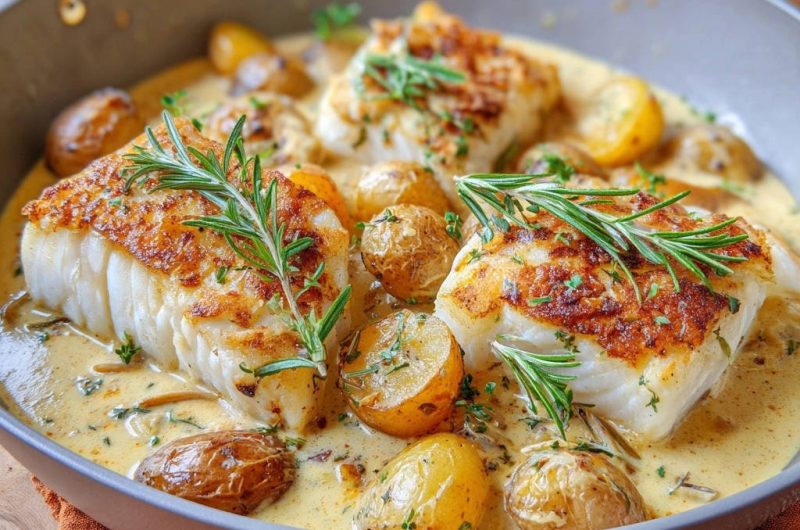
Pan-Seared White Fish & Creamy Potatoes: Flaky Fish Secret
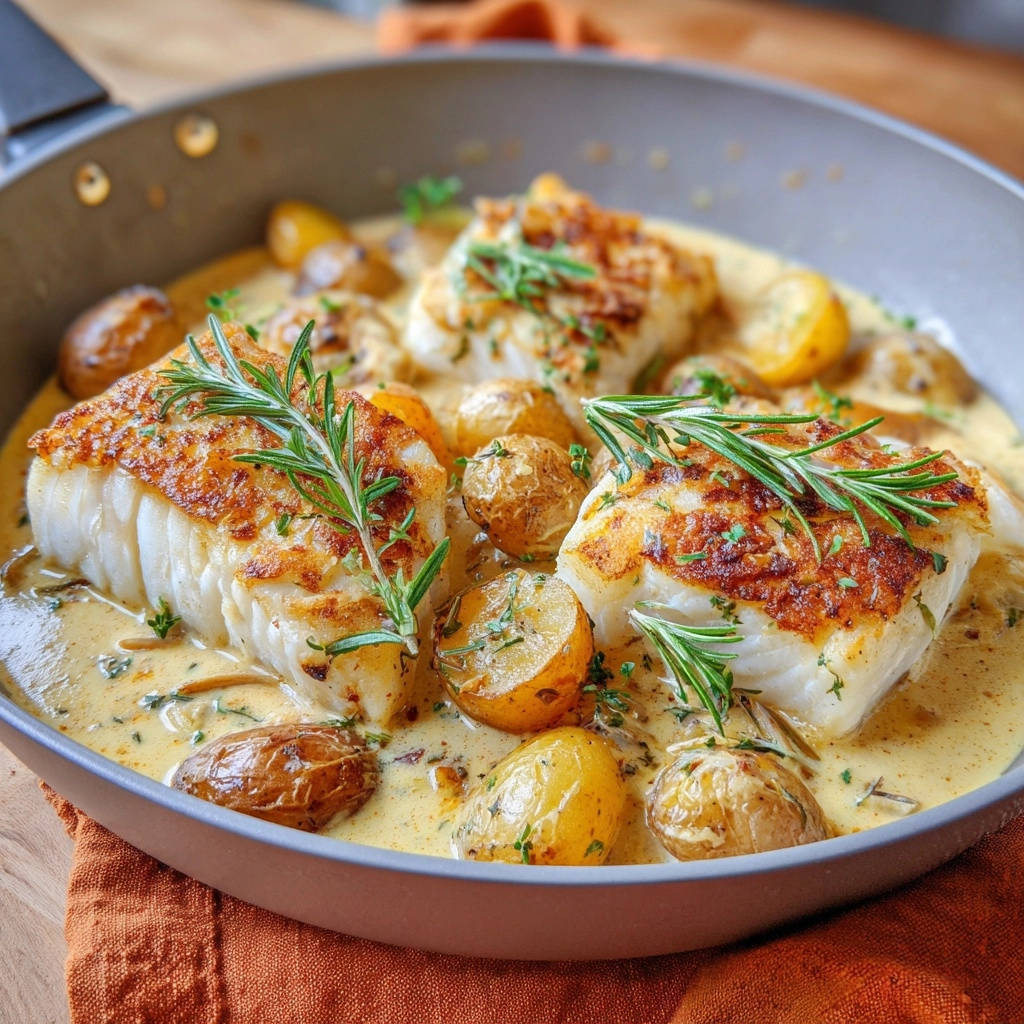
There’s nothing quite as frustrating as anticipating a delightful fish dinner, only to find it disappointingly dry. I’ve certainly been there, but through countless kitchen experiments, I discovered a game-changing method for Pan-Seared White Fish & Creamy Potatoes that guarantees perfectly flaky, moist fish every single time.
This recipe isn’t just about avoiding dryness; it’s about a seamless culinary experience where tender fish meets a rich, velvety sauce and perfectly cooked potatoes, making it ideal for both busy weeknights and special gatherings.
Say Goodbye to Dry Fish: Why This Recipe is a Game Changer
This Pan-Seared White Fish & Creamy Potatoes recipe stands out by addressing common cooking pitfalls, ensuring a consistently delicious outcome.
The Secret to Perfectly Flaky Fish (Every Time!)
The magic of this recipe lies in its two-stage cooking process. We achieve a beautiful golden-brown sear first, locking in essential flavors, then gently finish the fish within the simmering creamy sauce.
This method prevents the fish from ever drying out, delivering an incredibly tender, flaky texture that will surprise and delight you.
Effortless Elegance: From Weeknight Meal to Special Occasion
Despite its gourmet appearance and restaurant-quality taste, this dish is surprisingly straightforward to prepare. It utilizes simple techniques that yield impressive results.
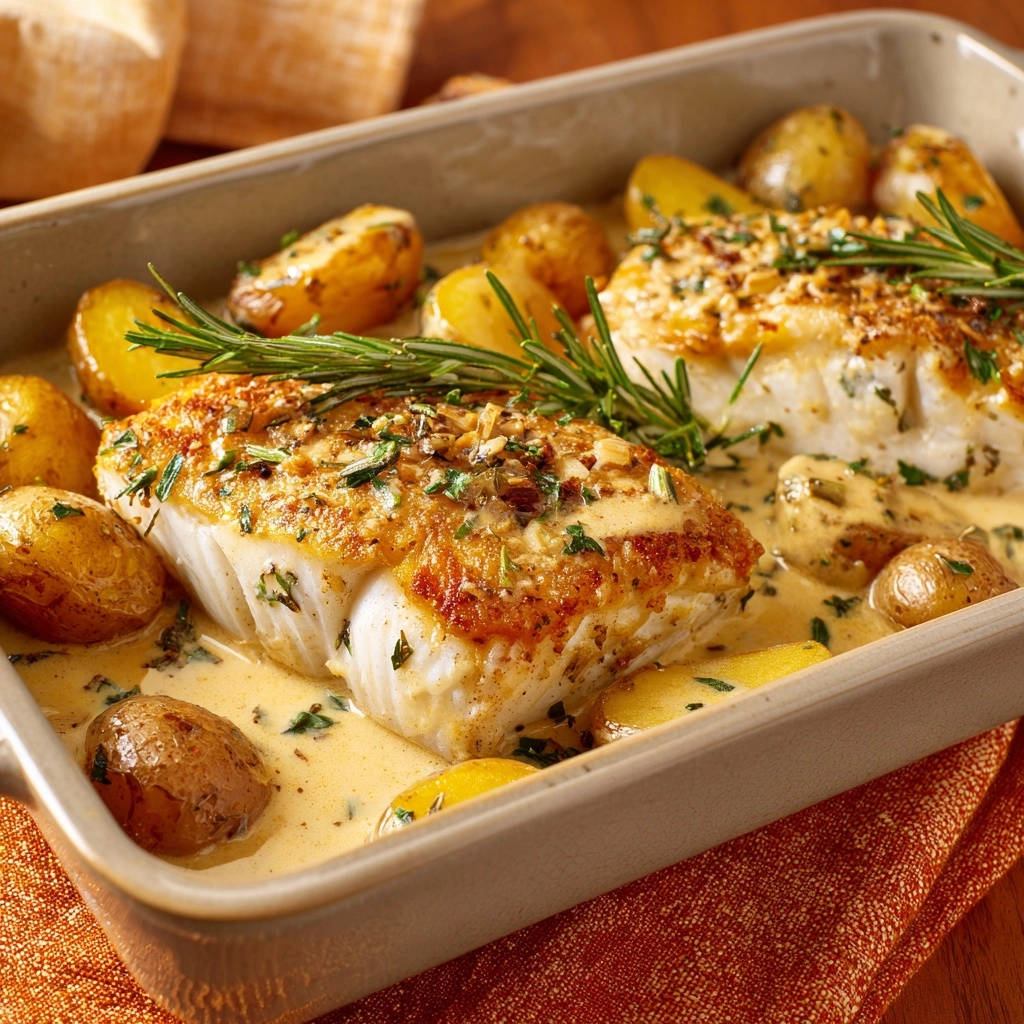
It’s an ideal choice when you want to impress without spending hours in the kitchen, proving elegance doesn’t always require complexity.
Flavor Harmony: Rich Creamy Sauce Meets Tender White Fish
The delicate, mild flavor of white fish is perfectly complemented by a luscious, herb-infused creamy sauce.
The addition of savory shallots, garlic, and fresh rosemary creates a depth of flavor that coats the tender potatoes and fish beautifully, providing a truly comforting and satisfying meal.
Gather Your Gear: Essential Kitchen Tools for Success
Having the right tools on hand makes the cooking process smooth and enjoyable. Here are the essentials for creating your perfect Pan-Seared White Fish & Creamy Potatoes.
The Right Skillet: Opting for Oven-Safe
A large, heavy-bottomed, oven-safe skillet is crucial for this recipe. It allows for searing on the stovetop and finishing the dish evenly.
Cast iron or high-quality stainless steel skillets are excellent choices for their ability to retain and distribute heat consistently, essential for a good sear.
Prep Essentials: Cutting Boards, Knives, & Paper Towels
You’ll need a sturdy cutting board and a sharp chef’s knife for preparing the shallots, garlic, and potatoes.
Abundant paper towels are also vital for thoroughly drying the fish, a key step for achieving a perfect crust.
Measuring & Mixing: For Perfect Sauce Consistency
Accurate measuring cups and spoons ensure your sauce has the ideal balance of ingredients.
A whisk is helpful for blending the sauce components smoothly, preventing lumps and ensuring a velvety texture.
From Pantry to Plate: Crafting Your Ingredient List
Quality ingredients are the foundation of any exceptional dish. Here’s how to select the best components for your Pan-Seared White Fish & Creamy Potatoes.
The Star: Choosing Your White Fish Fillets
Opt for firm, flaky white fish like cod, halibut, or snapper, ideally about 1-inch thick. Freshness is paramount for taste and texture.
If using frozen fish, ensure it’s fully thawed in the refrigerator overnight. Patting the fish thoroughly dry with paper towels before seasoning is non-negotiable for a crisp sear.
Creamy Comfort: Perfecting the Potato Base
Small baby potatoes or creamer potatoes are perfect here as they cook quickly and absorb the sauce beautifully.
Halve any larger potatoes to ensure even cooking and a consistent bite in every forkful.
Aromatics & Alchemy: Shallots, Garlic, & Fresh Herbs
Finely minced shallots and garlic provide a sweet and pungent aromatic base, building deep flavor in the sauce.
Fresh rosemary sprigs infuse the sauce with an earthy, piney aroma, while fresh parsley adds a bright, herbaceous finish. Consider a few sprigs of fresh thyme for an additional layer of complexity.
The Velvety Sauce: Broth, Cream, & Seasoning Essentials
Use a good quality vegetable or chicken broth as the liquid foundation for your sauce; it greatly impacts the final flavor.
For a perfect pairing, try our Mastering Pan-Seared White Fish with Chimichurri and Roasted Wedges.
Heavy cream provides luxurious richness and body, transforming the broth into a luscious, comforting sauce. A simple seasoning of salt and fresh black pepper balances all the flavors.
Oil & Butter: The Foundation of Flavor & Sear
Olive oil is ideal for achieving a high-heat sear on both the potatoes and the fish, promoting a beautiful golden crust.
Unsalted butter forms the base of the creamy sauce, adding richness and helping to sauté the aromatics.
Mastering the Method: Your Path to Flawless Pan-Seared White Fish & Creamy Potatoes
Follow these detailed steps to achieve a dish that’s both impressive and delicious, ensuring every element is cooked to perfection.
- Prepare the Fish:
Pat the fish fillets thoroughly dry with paper towels. Season generously on both sides with salt and pepper.
This is a critical first step to ensure a crispy sear and prevent steaming. Don’t skip it!
- Sear the Potatoes:
Heat 1 tablespoon of olive oil in a large oven-safe skillet over medium-high heat. Add the potatoes, cut-side down if halved, and sear for 5-7 minutes until golden brown and slightly tender.
Achieving a good sear on the potatoes adds flavor and texture before they finish cooking in the sauce.
- Remove Potatoes & Prepare for Fish:
Remove the potatoes from the skillet and set aside.
This ensures the potatoes don’t overcook while the fish gets its initial sear.
- The Crucial Fish Sear:
Add the remaining 1 tablespoon of olive oil to the same skillet. Increase heat slightly. Once hot, carefully place the seasoned fish fillets, presentation-side down, into the skillet.
Sear for 2-3 minutes until a beautiful golden-brown crust forms. This crucial initial sear locks in flavor but do not cook through.
A hot skillet is key for a good crust. Listen for the sizzle!
- Rest the Seared Fish:
Carefully remove the seared fish from the pan and set it aside on a plate.
This step is key to preventing overcooking later, allowing the fish to finish gently in the sauce.
- Build the Aromatic Sauce Base:
Reduce the heat to medium. Add the butter to the skillet. Once melted, add the minced shallot and cook for 2-3 minutes until softened.
Add the minced garlic and cook for another minute until fragrant. Avoid burning the garlic; keep the heat moderate.
- Simmer the Creamy Sauce:
Pour in the vegetable broth, scraping up any browned bits from the bottom of the pan (this adds immense flavor). Bring to a simmer, then stir in the heavy cream, rosemary sprigs, and thyme if using. Season the sauce with a pinch of salt and pepper.
Allow the sauce to gently reduce and meld flavors for a few minutes.
- Combine & Finish Cooking:
Return the seared potatoes to the simmering sauce. Then, gently nestle the partially cooked fish fillets back into the sauce, seared-side up, ensuring the sauce comes about halfway up the sides of the fish.
Let the fish gently simmer in the sauce for 5-8 minutes, or until it is cooked through and flakes easily with a fork. The gentle heat of the simmering sauce finishes cooking the fish slowly and evenly, preventing it from drying out.
Monitor the fish carefully; exact cooking time depends on thickness.
- Serve & Garnish:
Remove the rosemary sprigs. Stir in the chopped fresh parsley. Serve immediately, spooning the creamy sauce and potatoes over each fish fillet, and garnish with more fresh parsley or a small rosemary sprig.
For a perfect pairing, try our Mastering Pan-Seared White Fish and Roasted Potatoes.
Fresh herbs truly brighten the final dish.
Elevate Your Dish: Pro Tips for Restaurant-Quality Results
Transform your homemade Pan-Seared White Fish & Creamy Potatoes into a truly exceptional meal with these expert tips.
The Dryness Defense: Why Patting Fish is Non-Negotiable
Patting the fish dry creates a surface free of moisture, allowing for direct contact with the hot pan and promoting a crispy, golden-brown crust.
Excess moisture on the fish’s surface causes it to steam rather than sear, leading to a dull color and a rubbery texture.
Achieving the Perfect Sear: Heat Control is Key
Ensure your skillet is properly preheated before adding the oil and then the fish. The oil should shimmer, but not smoke vigorously.
A good sear happens quickly; don’t move the fish until a crust forms, typically 2-3 minutes. This builds incredible flavor and texture.
The Gentle Finish: Preventing Overcooking in Sauce
The beauty of finishing the fish in the simmering sauce is the even, gentle heat, which cooks the fish slowly from all sides without direct exposure to high temperatures.
To check for doneness, gently flake the thickest part of the fish with a fork; it should separate easily and appear opaque throughout.
Flavor Boosters: Maximizing Your Creamy Sauce
When deglazing the pan with broth, actively scrape up all the browned bits (fond) from the bottom. These bits are packed with concentrated flavor and will enrich your sauce immensely.
Using fresh, high-quality herbs and tasting the sauce to adjust seasoning before adding the fish will ensure a perfectly balanced flavor profile.
Don’t Crowd the Pan: Why Space Matters for Searing
When searing fish or potatoes, ensure there’s enough space between each piece in the skillet.
Overcrowding lowers the pan’s temperature and releases steam, preventing a proper sear and leading to soggy results.
Beyond the Basic: Customizing Your White Fish & Creamy Potatoes
Feel free to get creative and personalize this recipe to suit your taste or what you have on hand.
Fish Alternatives: Exploring Other Fillet Options
While cod, halibut, and snapper are excellent choices, you can also use other firm white fish like tilapia, pollock, or even sea bass.
For a different flavor profile, consider salmon fillets, though they may require slightly different cooking times. For another fantastic way to enjoy white fish, try our Sheet Pan Lemon Herb White Fish.
Herb & Spice Twists: Personalizing Your Flavor Profile
Beyond rosemary and parsley, experiment with fresh dill for a brighter, more Mediterranean feel, or a pinch of red pepper flakes for a subtle kick.
A squeeze of fresh lemon juice at the very end can also brighten the entire dish, cutting through the richness of the cream.
Making it Lighter: Dairy-Free or Lower-Fat Options
For a dairy-free version, consider using unsweetened full-fat coconut milk (note: this will impart a subtle coconut flavor) or a good quality plant-based cream alternative.
For a lighter option that still offers some richness, you can use half-and-half instead of heavy cream, though the sauce will be thinner.
Vegetable Boosts: Adding More Greens or Color
Stir in a handful of fresh spinach during the last few minutes of simmering, or add quartered cherry tomatoes alongside the potatoes for extra color and freshness.
Blanched asparagus or green beans can also be added to the sauce along with the potatoes for a more complete one-pan meal.
Serving Your Masterpiece: Complementary Pairings & Presentation
Thoughtful plating and complementary sides can elevate your Pan-Seared White Fish & Creamy Potatoes to an unforgettable dining experience.
What to Serve With Pan-Seared White Fish & Creamy Potatoes
This dish is quite complete on its own, but a simple side can enhance the meal. A crisp, light green salad with a vinaigrette dressing provides a refreshing contrast.
What to Serve Alongside That Fish
Pair the flaky, pan-seared white fish and creamy potatoes with a side that adds brightness or richness.
- A chilled, tangy Creamy Southern Style Potato Salad brings a cool, creamy contrast and a hint of mustard and pickle, perfect against the mild fish.
- For a warm, cheesy-sweet option, the Savory Cranberry Brie Monkey Bread offers pull-apart richness and tart cranberry notes that echo the potato’s creaminess without overwhelming the fish.
Crusty bread is perfect for soaking up every last drop of the delicious creamy sauce. Alternatively, a side of delightful crispy baked asparagus makes an excellent pairing.
Picture Perfect: Garnishing for Impact
Arrange the fish and potatoes artfully on the plate, ensuring a generous spoonful of the creamy sauce. A sprinkle of fresh chopped parsley adds vibrant color and freshness.
A small sprig of fresh rosemary or thyme can also serve as an elegant visual garnish, hinting at the aromatic flavors within.
Plan Ahead: Storing & Reheating Your Leftovers
Enjoying your delicious Pan-Seared White Fish & Creamy Potatoes doesn’t have to stop after the first meal. Here’s how to manage leftovers.
How to Store Leftover White Fish & Potatoes
Allow the dish to cool completely before transferring it to an airtight container. Refrigerate promptly within two hours of cooking.
Stored correctly, your leftovers will stay fresh in the refrigerator for up to 2-3 days.
Best Practices for Reheating
For best results, gently reheat the dish on the stovetop over low to medium heat, adding a splash of broth or cream if the sauce has thickened too much.
You can also reheat in the microwave in short bursts, stirring occasionally, but be mindful not to overcook the fish, as it can dry out quickly.
Oops! Common Issues & How to Fix Them
Even expert cooks encounter hiccups. Here are solutions to common problems you might face with this Pan-Seared White Fish & Creamy Potatoes recipe.
“My Fish is Dry!”
Ensure your initial sear was brief (2-3 minutes) and only for color, not to cook through. The fish should finish cooking gently in the sauce, so avoid simmering for too long.
Always check for doneness by flaking with a fork; remove immediately once it’s opaque and flakes easily.
“My Sauce is Too Thin/Thick!”
If your sauce is too thin, allow it to simmer gently for a few more minutes, uncovered, to reduce and thicken slightly. If it’s too thick, simply stir in a tablespoon or two of extra broth or cream until it reaches your desired consistency.
“Potatoes Aren’t Tender!”
The initial searing of the potatoes is crucial for starting their cooking process. If they’re still firm, let them simmer slightly longer in the sauce until fork-tender before adding the fish back in.
“No Golden Crust on My Fish!”
This usually indicates the pan wasn’t hot enough, or the fish wasn’t thoroughly patted dry before searing. Ensure a very hot skillet and completely dry fish for that beautiful crust.
Also, avoid overcrowding the pan; cook fish in batches if necessary.
Your Questions Answered: Pan-Seared White Fish & Creamy Potatoes FAQs
Here are answers to some of the most frequently asked questions about this delightful fish recipe.
Can I use frozen fish for this recipe?
Yes, absolutely! Just make sure to thaw the frozen fish completely in the refrigerator before cooking. Once thawed, pat the fillets extremely dry with paper towels to ensure a good sear.
What type of white fish is best for searing?
Firm, flaky white fish varieties are best. Cod, halibut, snapper, and sea bass are excellent choices as they hold their shape well and develop a beautiful crust.
Is this recipe gluten-free?
Yes, this recipe for Pan-Seared White Fish & Creamy Potatoes is naturally gluten-free as it does not use any flour or gluten-containing thickeners.
How long does this dish stay fresh in the refrigerator?
When stored in an airtight container, the dish will stay fresh and safe to eat for up to 2-3 days in the refrigerator.
Can I make the sauce ahead of time?
You can prepare the aromatic base (sautéing shallots and garlic, adding broth) a day ahead and store it in the refrigerator. Stir in the cream and fresh herbs just before finishing the dish to maintain optimal freshness and texture.
Ready to Create Your Own Flaky Fish Success Story?
You now have all the expert tips and detailed guidance to master the art of Pan-Seared White Fish & Creamy Potatoes. This recipe promises perfectly flaky fish, tender potatoes, and a rich, satisfying sauce every time.
Don’t let the fear of dry fish hold you back! Give this recipe a try and transform your dinner routine. I’d love to hear about your experience and see your delicious creations in the comments below!
White Fish
Course: Main CourseCuisine: AmericanDifficulty: easyServings4
servingsPrep time20
minutesCooking time25
minutesCalories650
kcalTotal time45
minutesSay goodbye to dry fish! This recipe uses a clever technique to ensure perfectly flaky, moist white fish, nestled in a rich, creamy sauce with tender baby potatoes. A flavorful and satisfying main course that’s easier than you think.
Ingredients
4 (6-ounce) white fish fillets (like cod, halibut, or snapper), about 1-inch thick
1 pound small baby potatoes or creamer potatoes, halved if large
2 tablespoons olive oil, divided
2 tablespoons unsalted butter
1 small shallot, finely minced
2 cloves garlic, minced
1 cup vegetable broth or chicken broth
1/2 cup heavy cream
2 sprigs fresh rosemary
1 tablespoon fresh parsley, chopped, plus more for garnish
Salt and fresh black pepper to taste
Optional: A few sprigs of fresh thyme
Directions
- Pat the fish fillets thoroughly dry with paper towels. Season generously on both sides with salt and pepper.
- Heat 1 tablespoon of olive oil in a large oven-safe skillet over medium-high heat. Add the potatoes, cut-side down if halved, and sear for 5-7 minutes until golden brown and slightly tender. Remove the potatoes from the skillet and set aside.
- Add the remaining 1 tablespoon of olive oil to the same skillet. Increase heat slightly. Once hot, carefully place the seasoned fish fillets, presentation-side down, into the skillet. Sear for 2-3 minutes until a beautiful golden-brown crust forms. This crucial initial sear locks in flavor, but do not cook through.
- Carefully remove the seared fish from the pan and set it aside on a plate. This step is key to preventing overcooking later.
- Reduce the heat to medium. Add the butter to the skillet. Once melted, add the minced shallot and cook for 2-3 minutes until softened. Add the minced garlic and cook for another minute until fragrant.
- Pour in the vegetable broth, scraping up any browned bits from the bottom of the pan. Bring to a simmer, then stir in the heavy cream, rosemary sprigs, and thyme if using. Season the sauce with a pinch of salt and pepper.
- Return the seared potatoes to the simmering sauce. Then, gently nestle the partially cooked fish fillets back into the sauce, seared-side up, ensuring the sauce comes about halfway up the sides of the fish.
- Let the fish gently simmer in the sauce for 5-8 minutes, or until it is cooked through and flakes easily with a fork. The gentle heat of the simmering sauce finishes cooking the fish slowly and evenly, preventing it from drying out.
- Remove the rosemary sprigs. Stir in the chopped fresh parsley. Serve immediately, spooning the creamy sauce and potatoes over each fish fillet, and garnish with more fresh parsley or a small rosemary sprig.
Notes
- The two-stage cooking method ensures perfectly moist, flaky fish.