Creamy Asparagus Risotto: Gummy-Free Perfection
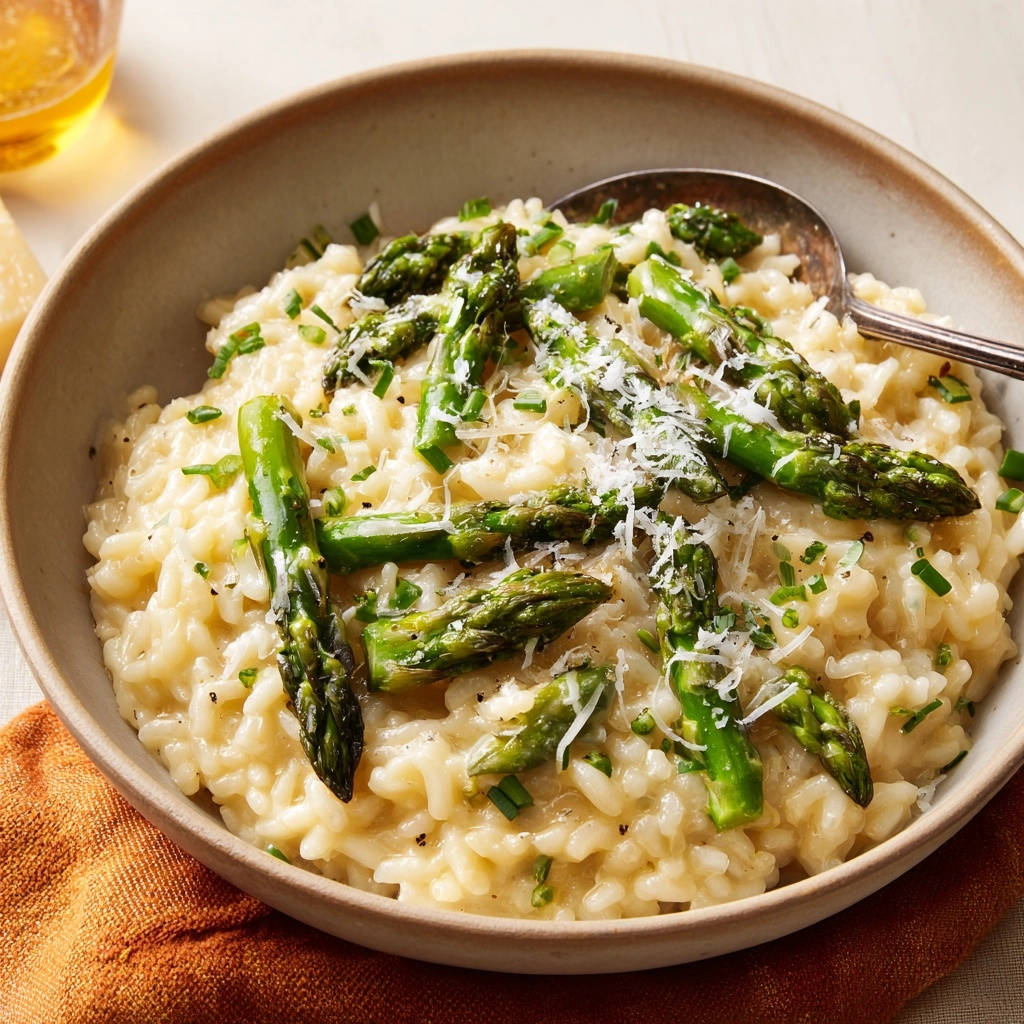
For years, I believed a truly luscious, restaurant-quality Creamy Asparagus Risotto was an elusive dish, prone to being either a sticky, gummy mess or a soupy disappointment. My journey to mastering this classic began with frustration, but ended with discovering the simple secrets to achieving that perfect, “wave-like” consistency every single time. This recipe is your reliable guide to a remarkably velvety, never-gummy risotto, elevating a comforting classic with the vibrant freshness of spring asparagus.
Why This Creamy Asparagus Risotto Will Be Your New Favorite
The Secret to “Never Gummy” Risotto
The key to a truly outstanding risotto lies in its texture: individual grains that are tender yet still possess a slight chew, all enveloped in a rich, creamy sauce. This recipe prioritizes a crucial “toasting” step for the rice, creating a protective barrier around each grain. This technique ensures they release their starches gradually, yielding that signature velvety texture without ever becoming a sticky, unappetizing clump.
Restaurant-Quality Creaminess, Made Simple
Achieving a luxurious mouthfeel doesn’t require a culinary degree. Our method focuses on consistent, gradual addition of warm broth, allowing the Arborio rice to slowly release its starch. This gentle process, combined with the final off-heat stirring of Parmesan cheese and chives, emulsifies into a wonderfully cohesive and indulgent finish. You’ll be amazed at the depth of flavor and silken texture.
If you enjoy the creamy texture of risotto, try this crispy halloumi and spinach risotto.
A Fresh Take on Comfort Food
While risotto is inherently comforting, the addition of crisp, bright asparagus transforms this dish into something truly special. The subtle sweetness and tender bite of asparagus cut through the richness of the Parmesan, creating a beautifully balanced meal. It’s the perfect way to celebrate fresh, seasonal produce in a sophisticated yet approachable format.
Gathering Your Essentials: The Building Blocks of Flavor
Core Ingredients for Classic Risotto
Arborio rice is non-negotiable for its high starch content, essential for that creamy texture. Finely chopped yellow onion and minced garlic form the aromatic base, building deep layers of flavor. Freshly grated Parmesan cheese adds crucial saltiness and umami, contributing significantly to the final richness.
Freshness Matters: Selecting Asparagus
Choose asparagus with firm, bright green stalks and tight, compact tips. Avoid any that appear limp or have open, flowering tops. For preparation, simply snap off the tough, woody ends; they’ll naturally break where the tender part begins, ensuring every bite is delicious.
Stock: The Heart of Your Risotto (Warmth is Key!)
Warm vegetable broth is absolutely critical for successful risotto. Adding cold broth would shock the rice, hindering starch release and slowing down the cooking process. Keep your broth gently simmering in a separate pot to ensure consistent warmth throughout the entire cooking time, promoting even absorption and creaminess.
Mastering the Art of Creamy Asparotto Risotto: Step-by-Step
The Aromatic Foundation: Sautéing Onion & Garlic
In a large, heavy-bottomed pot or Dutch oven, combine olive oil and unsalted butter over medium heat. Add the finely chopped yellow onion and cook patiently for 5 to 7 minutes until it becomes beautifully softened and translucent. This crucial step extracts the onion’s sweet, foundational flavor without browning.
Next, stir in the minced garlic and cook for just one more minute. The garlic should become fragrant, filling your kitchen with a delightful aroma, but be careful not to let it brown, which can turn it bitter.
The Essential Toast: Sautéing the Arborio Rice (Crucial for Gummy-Free Results!)
Add the Arborio rice directly to the pot with the aromatics. Stir the rice constantly for 2 to 3 minutes, allowing each grain to “toast.” You’ll notice the edges of the rice grains become translucent while their centers remain opaque.
This “toasting” step, known as tostatura, is vital. It creates a protective shell around each grain, preventing them from breaking down and becoming mushy, which is the secret to achieving that perfect, separate yet creamy risotto.
The Gradual Embrace: Ladling in Broth for Perfect Texture
Pour in about 1 cup of the warm vegetable broth. Begin stirring constantly. The rice will eagerly absorb the liquid, and you should continue stirring until the broth is almost completely absorbed before adding more.
This consistent, gradual addition of warm broth is the most important step for developing the risotto’s signature creamy texture. It allows the starch to release slowly and evenly, creating a velvety sauce while keeping the rice distinct and al dente. Maintain a steady, gentle simmer throughout this process.
Adding the Green: Incorporating Asparagus
After approximately 10 to 12 minutes of adding broth, when the rice is halfway to being cooked, stir in the cut asparagus pieces. Continue the process of adding broth, about ½ to ¾ cup at a time, and stirring frequently until the liquid is nearly absorbed.
Adding the asparagus at this stage ensures it cooks to a tender-crisp perfection, retaining its vibrant green color and delicate flavor without becoming overcooked or mushy.
The Al Dente Moment: Knowing When It’s Ready
Continue adding broth and stirring. The entire cooking process, from the first broth addition, typically takes about 20 to 25 minutes. Taste the rice frequently to gauge its doneness.
Your risotto is ready when the rice is al dente – tender but still has a slight, pleasant chew in the center. The overall consistency should be creamy and flowing like a gentle wave when you shake the pot, not stiff or soupy.
The Final Flourish: Stirring in Cheese and Chives
Once the risotto reaches its desired al dente consistency and creamy texture, remove the pot immediately from the heat. Stir in the grated Parmesan cheese and the freshly chopped chives.
The residual heat will melt the Parmesan, emulsifying it with the rice and remaining broth to create an incredibly rich and wonderfully creamy finish. Season generously with salt and freshly ground black pepper to taste, adjusting until perfect.
Serve It Up!
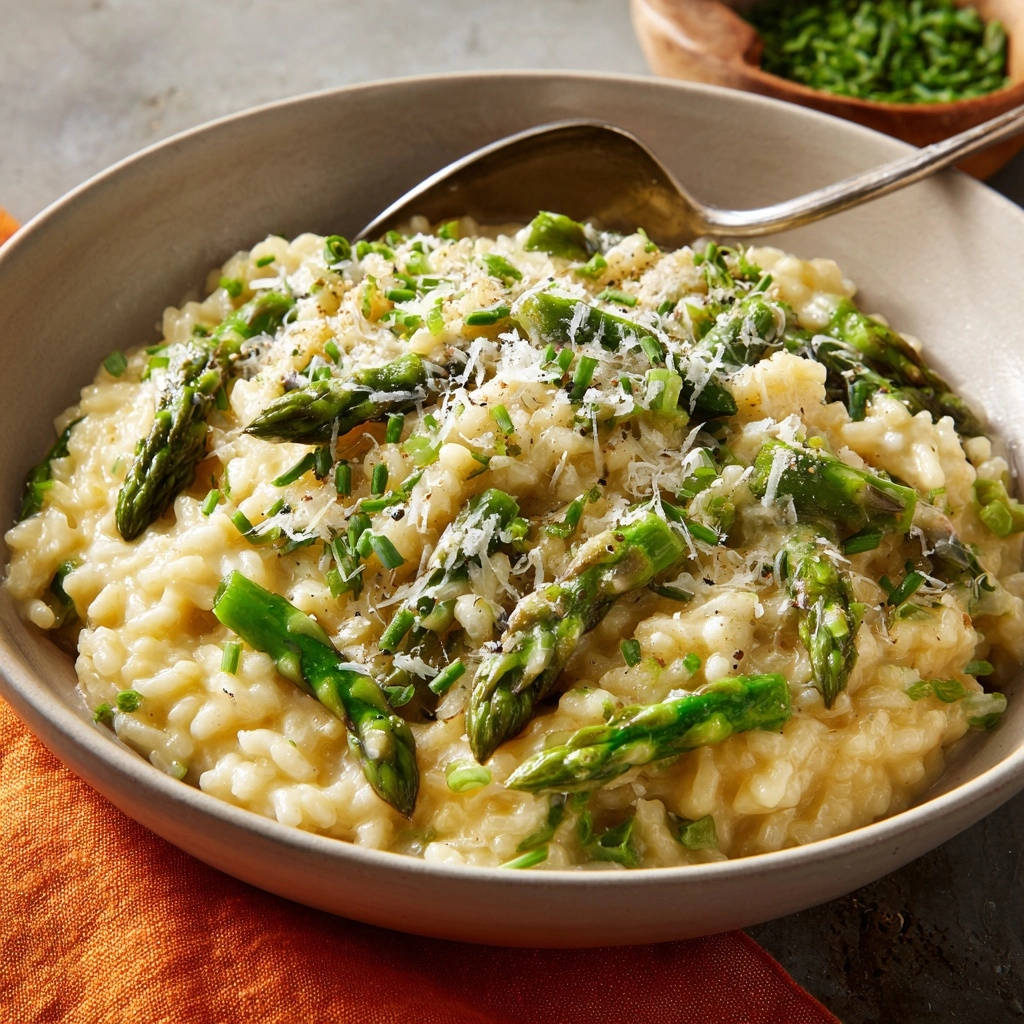
Serve your Creamy Asparagus Risotto immediately in warm bowls. For an extra touch of elegance and flavor, garnish each serving with a sprinkle of additional grated Parmesan and fresh chives.
For a perfect pairing, try our Creamy Mushroom Asparagus Pea Risotto Recipe.
Chef’s Secrets: Elevating Your Risotto Game
Temperature Control: The Warm Broth Advantage
Always keep your vegetable broth consistently warm in a separate saucepan. Adding cold broth to hot rice will shock the grains, interrupting the cooking process and preventing the even release of starch. This can lead to unevenly cooked rice and a less creamy final product, so maintaining that gentle simmer is key.
The Power of Consistent Stirring (Without Overdoing It)
Stirring is crucial for risotto; it helps release the starches from the Arborio rice, creating its signature creaminess. However, don’t stir constantly or aggressively. Frequent, gentle stirring is sufficient to prevent sticking and encourage starch release. Over-stirring can break down the rice grains too much, leading to a gluey texture.
Taste, Taste, Taste: Seasoning Your Risotto
Seasoning should be an ongoing process. Start with salting your onion and garlic, and remember that as the broth reduces and the Parmesan is added, the saltiness will concentrate. Taste often throughout the broth addition phase and make small adjustments. The goal is a perfectly balanced flavor, not an overly salty one.
Finishing Touches: The Importance of Resting (A Brief Moment of Perfection)
Once your risotto is cooked and you’ve stirred in the Parmesan and chives, cover the pot and let it rest off the heat for 1 to 2 minutes. This brief pause allows the flavors to meld beautifully and the consistency to settle into its ultimate creamy perfection. It’s a small step that makes a big difference in the final mouthfeel of your Creamy Asparagus Risotto.
Troubleshooting Common Risotto Hurdles
“Why is My Risotto Sticky or Gummy?”
This is often due to either insufficient toasting of the rice at the beginning, which allows the grains to break down too easily, or using the wrong type of rice. Ensure your Arborio rice is properly toasted to translucent edges and that you’re stirring consistently but not excessively. Too high heat can also cook the outside before the inside.
“My Risotto is Too Soupy or Too Dry!”
If your risotto is too soupy, simply continue cooking and stirring gently over low heat until more liquid has been absorbed. If it’s too dry, slowly add a small amount more of warm broth, stirring until it reaches your desired creamy consistency. Risotto is forgiving; just adjust the liquid gradually until perfect.
“The Rice Isn’t Cooking Evenly”
Uneven cooking typically stems from inconsistent heat distribution or insufficient stirring. Ensure your heat is truly medium and even across the bottom of your pot. Stirring regularly, especially scraping the bottom and edges of the pot, ensures all rice grains are exposed to the broth and cook at a similar rate.
Essential Tools for Your Creamy Asparagus Risotto Journey
The Right Pot Makes a Difference
A heavy-bottomed pot or a Dutch oven is ideal for making Creamy Asparagus Risotto. Its thick base ensures even heat distribution, preventing hot spots that can cause rice to stick or burn. This consistent temperature is crucial for the gradual and uniform cooking of the Arborio rice.
Beyond the Pot: Other Helpful Utensils
A sturdy wooden spoon is excellent for stirring, allowing you to scrape the bottom of the pot effectively without scratching. A ladle is essential for adding broth in controlled increments. Finally, a fine grater for Parmesan ensures a light, fluffy cheese that melts seamlessly into your risotto, creating that luxurious, creamy texture.
Serving Suggestions, Storage, and Make-Ahead Tips
Perfect Pairings for Creamy Asparagus Risotto
This elegant dish stands beautifully on its own as a main course. For a more substantial meal, it pairs wonderfully with a simple grilled protein like lemon-herb chicken or perfectly seared scallops. A light, crisp green salad with a vinaigrette dressing offers a refreshing contrast. If you’re looking for more great pairing ideas, consider how well it complements a tender, flaky white fish prepared with bright lemon and herbs.
What to Serve with Creamy Asparagus Risotto
A bright, crisp salad balances the rich, creamy texture of the risotto. These two options bring contrast and crunch to the plate.
- For a sweet and savory contrast with roasted vegetables, try this Crispy Roasted Butternut Squash Kale Salad – the tangy dressing cuts through the risotto’s creaminess.
- Add a warm, earthy element with this Warm Bacon Mushroom Arugula Salad, where the peppery greens and savory mushrooms echo the risotto’s umami notes.
Storing Leftovers Like a Pro
While risotto is best enjoyed immediately, leftovers can be stored. Transfer any remaining Creamy Asparagus Risotto to an airtight container and refrigerate promptly. It will keep well for 2 to 3 days. The texture will firm up significantly in the fridge, so reheating correctly is important.
Can You Make Risotto Ahead? (And How to Reheat)
Risotto is notoriously temperamental when made fully ahead, as the rice continues to absorb liquid and lose its ideal consistency. It’s truly best enjoyed fresh. However, you can prep your mise en place (chop onions, mince garlic, warm broth, trim asparagus) to make the cooking process quicker. When reheating, gently warm the risotto over low heat, adding a splash of extra warm broth or water as you stir. This will help bring back some of its creamy texture and prevent it from drying out.
Frequently Asked Questions About Creamy Asparagus Risotto
Can I Use Different Vegetables?
Absolutely! The beauty of risotto is its versatility. You can easily substitute or add other vegetables. Spring peas, sautéed mushrooms, roasted butternut squash, or fresh spinach are all excellent choices. If using different vegetables, consider their cooking times and add them at the appropriate stage.
What If I Don’t Have Arborio Rice?
Arborio rice is highly recommended due to its specific starch content, which is key to risotto’s characteristic creaminess. If you can’t find Arborio, Carnaroli or Vialone Nano are the next best options, as they also have high starch content. Standard long-grain or short-grain rice will not yield the same creamy, al dente result.
Is This Recipe Vegetarian/Vegan Friendly?
This Creamy Asparagus Risotto recipe is inherently vegetarian, as it uses vegetable broth and no meat products. To make it vegan, simply omit the Parmesan cheese or use a high-quality plant-based Parmesan alternative. Ensure your butter is also plant-based, or use olive oil exclusively.
Can I Add Protein to My Risotto?
Yes, adding protein can make this a heartier meal. Seared scallops, grilled shrimp, or shredded cooked chicken are fantastic additions. For a savory crunch, you could also stir in some crispy bacon bits at the end. For another great way to enjoy asparagus as a side, try our recipe for crispy baked asparagus.
Your Creamy Asparagus Risotto Masterpiece Awaits!
You now possess all the secrets to crafting a perfectly creamy, intensely flavorful, and delightfully gummy-free Creamy Asparagus Risotto. This recipe transforms a seemingly daunting dish into an approachable culinary triumph that will impress and nourish. Don’t just read about it; step into your kitchen, embrace the art of the stir, and prepare to savor every exquisite bite of your homemade masterpiece. We’d love to hear how your risotto journey unfolds – share your successes!

Asparagus Risotto
Course: Main CourseCuisine: ItalianDifficulty: medium4
servings15
minutes30
minutes550
kcal45
minutesUnlock the secret to perfectly creamy, restaurant-quality risotto with this easy-to-follow method. Say goodbye to sticky or soupy results and hello to dreamy, al dente grains infused with fresh asparagus and Parmesan. This recipe ensures a consistently perfect texture every time.
Ingredients
1 tablespoon olive oil
1 tablespoon unsalted butter
1 small yellow onion, finely chopped
2 cloves garlic, minced
1 ½ cups Arborio rice
6 cups warm vegetable broth
1 pound asparagus, tough ends trimmed, cut into 1-inch pieces
½ cup grated Parmesan cheese, plus more for serving
2 tablespoons chopped fresh chives, plus more for serving
Salt to taste
Freshly ground black pepper to taste
Directions
- Heat olive oil and butter in a large, heavy-bottomed pot or Dutch oven over medium heat. Add the chopped onion and cook until softened and translucent, about 5 to 7 minutes. Add the minced garlic and cook for another minute until fragrant.
- Add the Arborio rice to the pot. Stir constantly for 2 to 3 minutes, toasting the grains until the edges are translucent but the center is still opaque. This “toasting” step is key to ensuring each grain holds its shape and prevents the final dish from becoming gummy.
- Pour in about 1 cup of the warm vegetable broth. Stir constantly until the broth is almost completely absorbed by the rice. The warm broth helps the starch release gradually, creating that signature creaminess without making the rice mushy or sticky.
- Continue adding the warm broth, about ½ to ¾ cup at a time, stirring frequently after each addition until the liquid is nearly absorbed before adding more. Maintain a steady, gentle simmer. This consistent, gradual addition and stirring is the most important step for achieving perfect, separate yet creamy grains.
- After about 10 to 12 minutes of adding broth, add the cut asparagus pieces. Continue adding broth and stirring. Cook until the rice is al dente, meaning it’s tender but still has a slight chew in the center, and the risotto is creamy and flowing like a gentle wave when you shake the pot. This usually takes about 20 to 25 minutes total from when you first added the broth.
- Once the risotto reaches the desired consistency, remove the pot from the heat. Stir in the grated Parmesan cheese and chopped chives. Season with salt and freshly ground black pepper to taste. The final stirring off the heat with cheese and butter (if adding more) emulsifies everything into a wonderfully creamy finish.
- Serve immediately in bowls, garnished with more grated Parmesan and fresh chives, if desired.
Notes
- This recipe emphasizes key techniques: toasting the rice, gradually adding warm broth, and consistent stirring for perfect texture.