Creamy Pesto Spaghetti with Poached Egg: Master the Perfect Egg
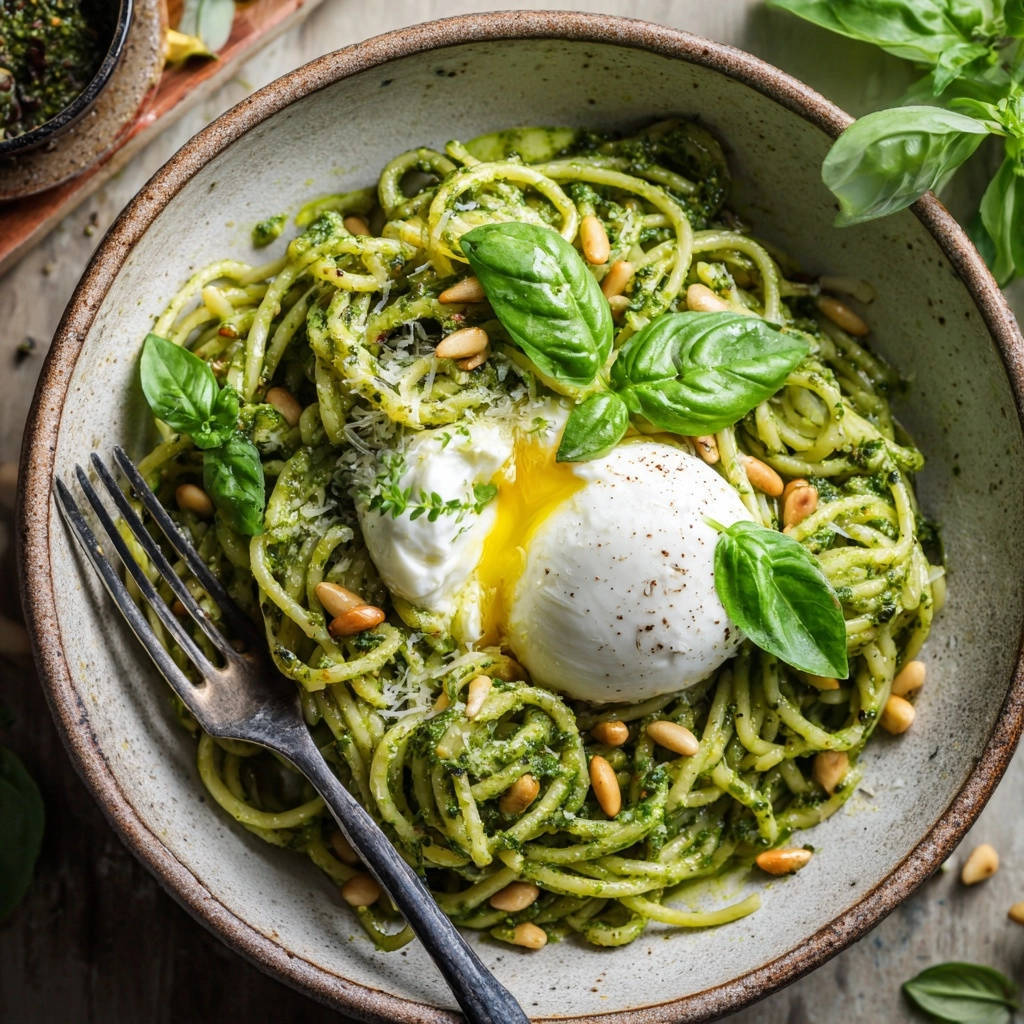
There’s a unique magic in a perfectly poached egg, its golden yolk ready to burst and create a luxurious sauce. But let’s be honest, mastering that delicate culinary feat can feel intimidating. I’ve been there, coaxing countless eggs into submission, and I’m thrilled to share my foolproof trick for achieving restaurant-quality Creamy Pesto Spaghetti with Poached Egg every time, right in your own kitchen.
This recipe isn’t just about delicious flavors; it’s about building your confidence in creating an elegant, yet incredibly simple, meal. Get ready to elevate your weeknight dining experience with stunning, perfectly poached eggs and vibrant, creamy pasta.
For a perfect pairing, try our Easy Pesto Pasta: The Secret to Perfectly Coated Noodles.
Why This Creamy Pesto Spaghetti with Poached Egg Will Become Your Go-To
The Magic of a Perfectly Poached Egg (Simplified!)
The allure of a perfectly poached egg lies in its velvety, runny yolk, transforming any dish it graces into something truly special. This recipe demystifies the poaching process, providing a simple yet effective method that guarantees beautifully set whites and liquid gold yolks.
No more struggling with stringy whites or overcooked centers; you’ll achieve consistent, flawless results that are sure to impress.
Quick & Satisfying: A Weeknight Culinary Delight
This dish is a testament to how gourmet flavors can be achieved efficiently, making it an ideal choice for busy weeknights. It offers deep satisfaction with minimal effort, proving that sophistication doesn’t have to mean spending hours in the kitchen.
Enjoy a comforting and elegant meal that comes together quickly, leaving you more time to savor the experience.
Flavor Harmony: Freshness Meets Creaminess
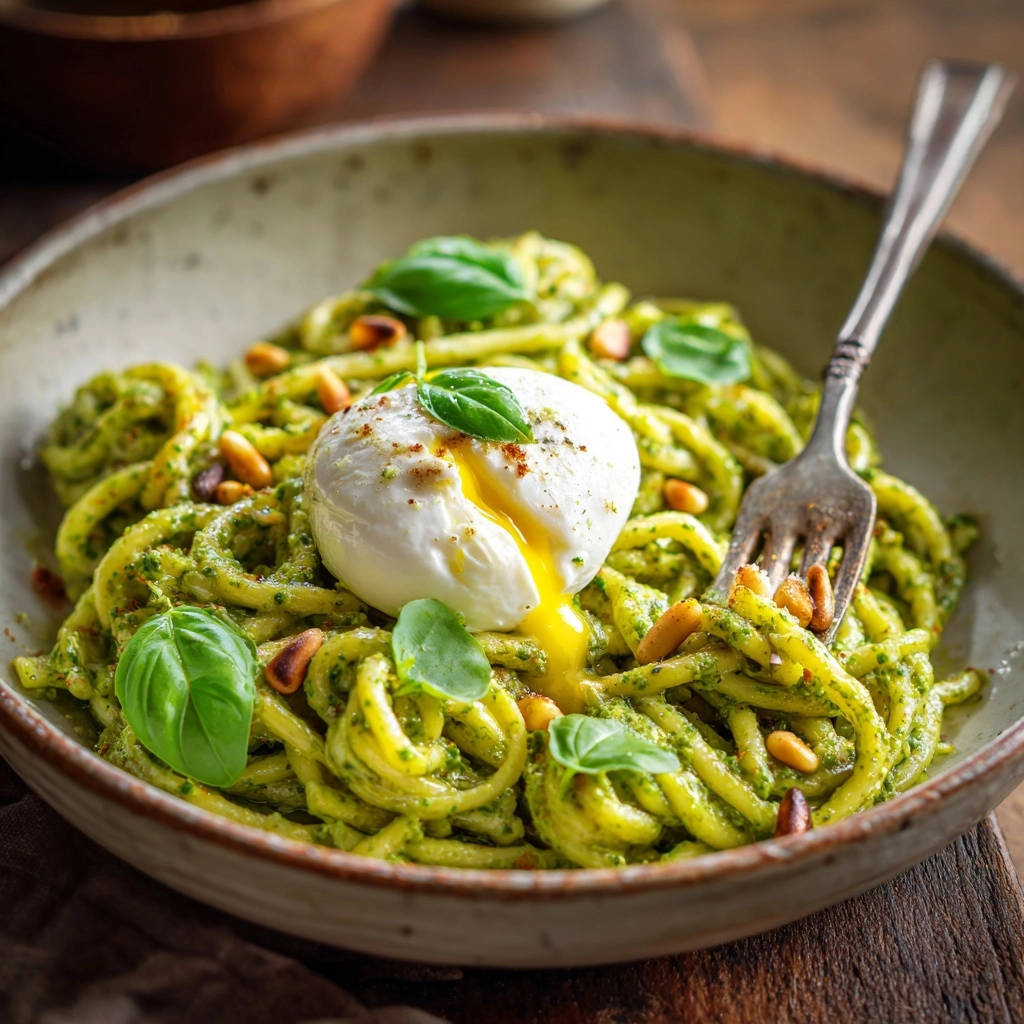
Experience an exquisite balance where the vibrant, herbaceous notes of pesto meet the rich, savory depth of Parmesan cheese. The secret weapon of reserved pasta water adds a luscious creaminess, perfectly complemented by the luxurious stream of a runny egg yolk.
Every bite of this creamy pesto spaghetti is a symphony of textures and tastes, harmoniously blending freshness with indulgence.
Gathering Your Gustatory Gold: Essential Ingredients
Pasta Perfection: Choosing Your Spaghetti
Spaghetti is the ideal canvas for this dish, its long strands beautifully clinging to the pesto sauce and absorbing every bit of flavor. Its classic form creates a delightful textural experience with each twirl.
For variety, you can also use other long pasta shapes like linguine or fettuccine. Always cook your pasta to a perfect al dente, ensuring a pleasant chew and preventing it from becoming mushy.
The Heart of the Sauce: Pesto Pointers
While homemade pesto offers unparalleled freshness, a good quality store-bought pesto works wonderfully for convenience. Look for a prepared pesto with vibrant green color and fresh ingredients like basil, pine nuts, garlic, Parmesan, and olive oil.
A high-quality pesto provides the backbone of this dish, delivering that essential bright, herbaceous flavor that defines it.
Egg-cellent Choice: The Fresher, The Better
Using the freshest possible eggs is paramount for successful poaching; it’s a non-negotiable step for beautiful results. Fresh eggs have tighter whites that hold their shape better when introduced to hot water.
Older eggs tend to have thinner whites that scatter and create undesirable stringy bits in the poaching water. Prioritize freshness for flawless, perfectly poached eggs.
Flavor Boosters: Toasted Pine Nuts, Parmesan & Fresh Herbs
Each garnish plays a crucial role in elevating the final dish. Toasted pine nuts provide a delightful crunch and nutty depth that complements the pesto beautifully.
Grated Parmesan cheese adds a salty, umami kick, while fresh basil leaves and an optional sprig of fresh thyme contribute aromatic freshness and vibrant color. Proper pine nut toasting involves a dry skillet over low heat, ensuring they’re fragrant and golden, not burnt.
Your Chef’s Toolkit: Essential Kitchen Equipment
Large Pot for Pasta: A generously sized pot is essential for cooking spaghetti evenly. It allows the pasta to move freely, preventing sticking and ensuring every strand cooks perfectly al dente.
Medium Saucepan for Poaching: Choose a saucepan with a wide base and at least 3-4 inches of depth. This provides ample space for the eggs to poach without crowding and ensures they are fully submerged.
Small Ramekins or Cups: These are your secret weapons for perfect poaching. Cracking each egg into a separate ramekin allows for a controlled, gentle slide into the water, preventing breakage and maintaining the egg’s shape.
Slotted Spoon: Indispensable for delicately retrieving the poached eggs from the water. A silicone or fine-mesh slotted spoon is ideal for preventing damage to the fragile whites and yolks.
Dry Skillet: A small, dry skillet is perfect for toasting pine nuts. Toasting in a dry pan enhances their flavor and aroma significantly.
Tongs or Pasta Server: While optional, a good pair of tongs or a pasta server makes tossing the spaghetti with the pesto and Parmesan much more efficient, ensuring every strand is evenly coated.
Crafting Your Masterpiece: A Step-by-Step Guide to Poached Egg Perfection
-
Pasta Prep: Boil and Reserve
Bring a large pot of salted water to a rolling boil. Properly seasoning the water is crucial for flavoring the pasta from the inside out, making your spaghetti delicious on its own.
Add the spaghetti and cook according to package directions until al dente – this firm texture is key for a great pasta dish that won’t turn mushy when tossed with sauce.
Before draining, reserve about 1/2 cup of pasta water; this starchy liquid is your secret weapon for emulsifying the sauce and achieving a wonderfully creamy consistency.
-
Golden Aroma: Toasting Pine Nuts
While the pasta cooks, gently toast the pine nuts in a dry skillet over medium-low heat for 3-5 minutes, stirring frequently. This step awakens their natural oils and enhances their nutty flavor.
Watch them carefully; pine nuts can go from lightly golden and fragrant to burnt very quickly, so vigilance is key.
Remove them from the skillet immediately once toasted to prevent further cooking from residual heat, ensuring a perfect crunch.
-
Poaching Station Setup: Gentle Simmer is Key
Fill a medium saucepan with about 3-4 inches of water. This depth allows the eggs to cook fully submerged without touching the bottom, promoting even cooking.
Bring it to a gentle simmer over medium heat; you want tiny bubbles forming at the bottom, not a rolling boil, which would break the delicate egg whites and cause them to disperse.
Season the water with a pinch of salt to add subtle flavor to the eggs as they poach, enhancing their overall taste.
-
Egg Transfer: The Ramekin Advantage
Crack each fresh egg individually into a small ramekin or cup. This simple, crucial step makes it significantly easier to gently slide them into the water in a controlled manner.
It also allows you to inspect for any shell fragments or imperfections before they enter the poaching water, ensuring a clean cook.
-
The Swirl Method: Your Foolproof Poaching Trick
When the water is at a consistent, gentle simmer, use a spoon to create a gentle swirl in the center of the water. This vortex helps to gather the egg whites around the yolk, creating a neat shape.
Carefully tip one egg from its ramekin into the swirling water, as close to the surface as possible to minimize splashing and maintain its elegant form.
Immediately repeat with the second egg if your pan is large enough; otherwise, poach them one at a time to avoid overcrowding and ensure proper cooking for each delicate egg.
-
The Perfect Poach: Timing is Everything
Cook the eggs for 3 to 4 minutes. The whites should be fully set and opaque, but the yolk should still be beautifully runny and warm, the hallmark of a perfectly poached egg.
You can gently test the firmness of the white with a slotted spoon, avoiding the yolk. Adjust cooking time slightly based on egg size and your desired yolk consistency.
-
Saucing the Spaghetti: Creamy Pesto Magic
While the eggs poach, drain the cooked spaghetti, ensuring you’ve reserved that crucial pasta water.
Return the spaghetti to the pot. Add the prepared pesto and 2 tablespoons of grated Parmesan cheese, then toss well to ensure every strand is coated in the vibrant sauce.
If the sauce seems too thick, add a tablespoon or two of the reserved pasta water, stirring until it reaches your desired creamy, silky consistency. This helps emulsify the sauce and binds it beautifully to the pasta.
-
Delicate Delivery: Removing Poached Eggs
Carefully remove the poached eggs from the water using a slotted spoon. Handle them with extreme gentleness to avoid breaking the delicate whites or the runny yolks.
Allow any excess water to drain off before transferring them to the pasta, preventing a watery dish.
-
Assembly: Your Culinary Canvas
Divide the pesto spaghetti evenly between two bowls, creating a slight nest in the center for the egg to rest comfortably.
Gently place a poached egg on top of each serving, ensuring it rests securely on the pasta, ready for its grand reveal.
-
Finishing Flourish: Garnish and Serve
Garnish generously with the toasted pine nuts, fresh basil leaves, and an optional sprig of fresh thyme for an extra aromatic touch.
Add a crack of fresh black pepper to taste. Serve immediately with extra Parmesan cheese on the side for those who desire more savory depth.
Beyond the Recipe: Expert Tips for Next-Level Creamy Pesto Spaghetti
Maintain Poaching Temperature Discipline: The gentle simmer is non-negotiable for perfectly poached eggs. A rolling boil will shred your eggs, while too low a temperature will result in a longer cooking time and a less appealing texture.
Consider a Dash of Vinegar: While our swirl method is effective, adding 1-2 teaspoons of white vinegar to the poaching water can further aid in the coagulation of egg whites, leading to a tighter, neater egg. It won’t affect the flavor.
Warm Your Serving Bowls: For a truly restaurant-like touch, gently warm your serving bowls before plating. This helps to keep the pasta and delicate poached egg warmer for longer, enhancing the dining experience from start to finish.
Customize Your Pesto: If making your own pesto, experiment with different nuts (walnuts, almonds) or greens (spinach, kale) for unique flavor profiles. Even with store-bought, a squeeze of fresh lemon juice can brighten it, adding a fresh zesty lift.
Add a Hint of Heat: For those who enjoy a little kick, a pinch of red pepper flakes stirred into the pesto spaghetti can add a subtle, warming dimension to the dish, complementing the richness of the creamy pasta sauce.
Common Poaching Puzzles Solved: Troubleshooting Your Eggs
Problem: My Poached Eggs Are Stringy and Fall Apart!
This is typically caused by water that is boiling too vigorously or by using eggs that aren’t perfectly fresh. Ensure your water is at a gentle simmer, with only small bubbles forming at the bottom, never a rolling boil. Always opt for the freshest eggs available, as older eggs have thinner whites that disperse easily in hot water.
Problem: The Yolk Isn’t Runny; It’s Too Firm!
This indicates your eggs cooked for too long. Keep a close eye on the cooking time, aiming for 3-4 minutes for most medium to large eggs to achieve a beautifully runny yolk. You can gently test the firmness of the white with a slotted spoon, being careful to leave the yolk undisturbed.
Problem: My Egg Stuck to the Bottom of the Pan!
This can occur if the bottom of your saucepan isn’t perfectly clean, or if the water isn’t quite hot enough at the moment the egg enters, preventing immediate setting. Ensure a clean pan and that the water is at a consistent gentle simmer before introducing the eggs.
Problem: The Pesto Sauce is Too Dry or Clumpy!
You likely need more reserved pasta water. This starchy liquid is crucial for creating a smooth, emulsified sauce. Add it gradually, a tablespoon at a time, while tossing the spaghetti until the sauce reaches a silky, rich consistency that coats every strand beautifully.
Your Burning Questions Answered: Creamy Pesto Spaghetti FAQs
Can I use a different type of pasta for this recipe?
Absolutely! While spaghetti is traditional and offers a great texture, this dish works wonderfully with other long pasta shapes like linguine or fettuccine, or even shorter pastas such as penne or fusilli. Adjust cooking times according to package directions to ensure an al dente spaghetti alternative.
How do I make this recipe suitable for a vegetarian diet?
This recipe is inherently vegetarian! Just double-check that your chosen pesto (especially if store-bought) does not contain any animal-derived ingredients like certain cheeses with animal rennet or broths. Otherwise, you’re good to go for a delightful vegetarian Creamy Pesto Spaghetti with Poached Egg.
Can the pesto spaghetti be prepared ahead of time?
You can prepare the pesto spaghetti mixture (without the poached egg) a few hours in advance and gently reheat it with a splash of reserved pasta water or vegetable broth to restore its creaminess. However, for the best texture and flavor, always poach the eggs fresh just before serving, as they are best enjoyed immediately.
What are good substitutes if I don’t have pine nuts?
If pine nuts aren’t available, toasted walnuts or slivered almonds make excellent substitutes, providing a similar nutty flavor and satisfying crunch. Always toast them in a dry skillet for maximum aromatic impact, ensuring they are golden and fragrant.
How do I know if my eggs are fresh enough for successful poaching?
A simple float test can help: gently place an egg in a bowl of cold water. Very fresh eggs will sink to the bottom and lay on their side. Eggs that stand on end are a bit older but usually fine for poaching. If an egg floats, it’s too old and should not be used for poaching or consumption.
Beyond the Bowl: Creative Serving Suggestions & Pairings
A Light, Crisp Side Salad
Complement the richness of the pasta with a refreshing green salad, dressed simply with a bright lemon vinaigrette. This adds a lovely contrast in texture and flavor, cutting through the creaminess of the Creamy Pesto Spaghetti with Poached Egg.
Crusty Artisan Bread
Serve with a warm, crusty baguette, ciabatta, or focaccia. It’s perfect for mopping up any remaining pesto sauce and, of course, the glorious runny yolk, ensuring no drop of deliciousness is left behind.
Thoughtful drink pairing
For grape juice enthusiasts, a crisp, white grape juice such as a sparkling grape juice would beautifully complement the herbaceous pesto and rich egg yolk. A light-bodied sparkling grape juice is also a wonderful choice for this delightful weeknight meal.
Adding More Protein (Optional)
While the poached egg provides satisfying protein, for an even heartier meal, consider serving this alongside grilled chicken breast, pan-seared shrimp, or even some flaked hot-smoked salmon. These additions can elevate it further into a substantial restaurant-quality pasta dish.
Savoring Later: Storage and Make-Ahead Tips
Storing Leftover Pesto Spaghetti
Store any leftover pesto spaghetti (ideally without the poached egg) in an airtight container in the refrigerator for up to 2-3 days. Note that the sauce may thicken upon cooling, so be prepared to adjust its consistency when reheating.
Reheating Your Pasta
Gently reheat the pasta in a skillet over medium-low heat. To restore its creamy texture, add a splash of reserved pasta water, vegetable broth, or a tiny bit of cream, stirring frequently until warmed through. Avoid the microwave if you want to maintain the best pasta texture.
Components You Can Prepare in Advance
The pine nuts can be toasted days ahead and stored in an airtight container, ready for garnish. If making your own homemade pesto, it can also be prepared several days prior and refrigerated. For optimal freshness and texture, always cook the pasta and poach the eggs just before you plan to serve.
Ready to Impress? Share Your Creamy Pesto Spaghetti with Poached Egg Masterpiece!
You now possess the “super simple trick” to mastering perfectly poached eggs, transforming a humble bowl of pasta into a restaurant-quality pasta meal. There’s immense satisfaction in watching that golden yolk cascade over vibrant pesto spaghetti, creating an unparalleled fusion of flavors and textures.
This recipe isn’t just about a delicious dish; it’s about building confidence in your kitchen, demonstrating culinary finesse, and creating memorable dining experiences for yourself and your loved ones. No more intimidation – just pure poaching prowess!
We’re eager to see your culinary creations! Share your Creamy Pesto Spaghetti with Poached Egg masterpiece on social media and tag us. Let the world see your perfectly poached triumph!
Creamy Pesto Spaghetti
Course: Main CourseCuisine: ItalianDifficulty: easy2
servings15
minutes15
minutes750
kcal30
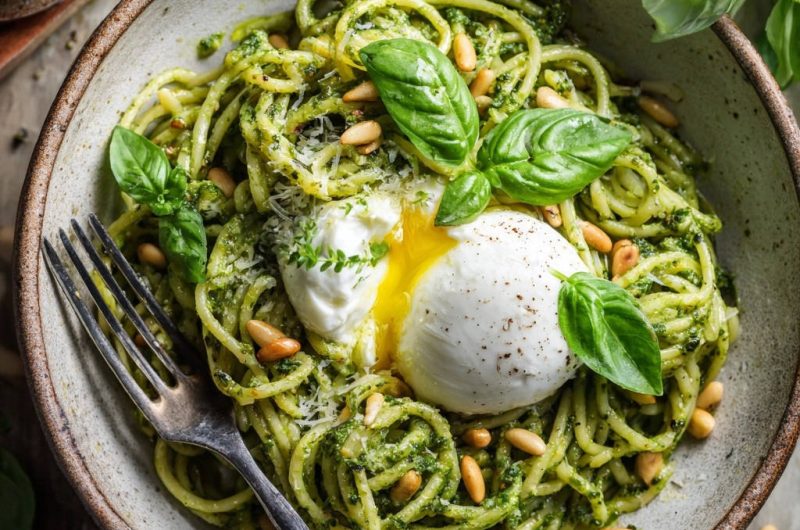
minutesElevate your pasta night with this creamy pesto spaghetti, crowned with a perfectly runny poached egg. Discover a simple trick for flawless poaching every time, bringing restaurant-quality dining to your kitchen. A satisfying and elegant meal ready in minutes.
Ingredients
8 ounces spaghetti
1/2 cup prepared pesto
2 large eggs, freshest possible
1/4 cup pine nuts, toasted
2 tablespoons grated Parmesan cheese, plus more for serving
Fresh basil leaves, for garnish
Black pepper, to taste
Salt, for pasta water and poaching water
Fresh thyme sprig, for garnish (optional)
Water, for boiling and poaching
Directions
- Bring a large pot of salted water to a rolling boil. Add the spaghetti and cook according to package directions until al dente. Reserve about 1/2 cup of pasta water before draining.
- While the pasta cooks, gently toast the pine nuts in a dry skillet over medium-low heat for 3-5 minutes, stirring frequently, until lightly golden and fragrant. Remove from skillet immediately to prevent burning.
- Prepare your poaching station. Fill a medium saucepan with about 3-4 inches of water. Bring it to a gentle simmer over medium heat. You want tiny bubbles forming at the bottom, not a rolling boil. Season the water with a pinch of salt.
- For the perfect poached eggs: Crack each egg individually into a small ramekin or cup. This makes it easier to gently slide them into the water.
- When the water is at a gentle simmer, use a spoon to create a gentle swirl in the center of the water. Carefully tip one egg from its ramekin into the swirling water, as close to the surface as possible. The swirl helps keep the white together. Immediately repeat with the second egg, if your pan is large enough, or poach them one at a time.
- Cook the eggs for 3 to 4 minutes. The whites should be fully set and opaque, but the yolk should still be beautifully runny. You can gently test the firmness of the white with a slotted spoon.
- While the eggs poach, drain the cooked spaghetti (remembering to reserve some pasta water). Return the spaghetti to the pot. Add the pesto and 2 tablespoons of grated Parmesan cheese. Toss well to coat. If the sauce seems too thick, add a tablespoon or two of the reserved pasta water, stirring until it reaches your desired creamy consistency.
- Carefully remove the poached eggs from the water using a slotted spoon. Drain any excess water.
- Divide the pesto spaghetti between two bowls. Gently place a poached egg on top of each serving.
- Garnish generously with toasted pine nuts, fresh basil leaves, an optional sprig of fresh thyme, and a crack of black pepper. Serve immediately with extra Parmesan cheese on the side.
Notes
- Features a simple trick for perfectly poached eggs every time.