Perfectly Moist Meatloaf: The Never-Dry Secret Revealed!
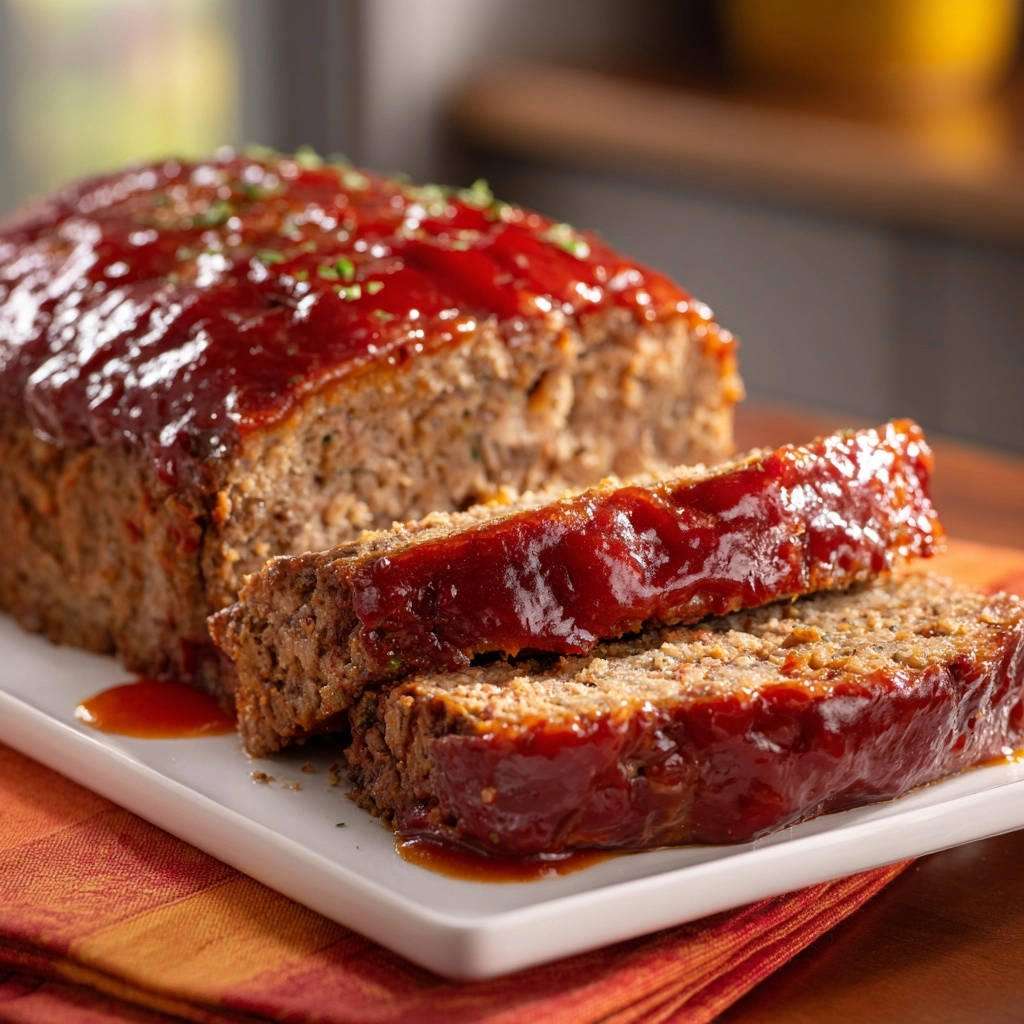
There’s nothing more disappointing than slicing into a dry, crumbly meatloaf after all your effort. I’ve been there countless times, but after years of kitchen experiments, I finally cracked the code: the secret to a truly Perfectly Moist Meatloaf that’s incredibly tender and flavorful, guaranteed to become your family’s most requested dinner.
Why This Perfectly Moist Meatloaf Will Become Your Go-To Recipe
This isn’t just another meatloaf recipe; it’s a commitment to a consistently juicy, flavorful experience. We’re addressing common pitfalls head-on to deliver perfection every time.
The Game-Changing Trick for Ultimate Juiciness
Our secret weapon lies in how we treat the breadcrumbs. Soaking them in milk ensures they absorb and then release moisture throughout the cooking process.
This ingenious technique prevents dryness, guaranteeing a tender, succulent texture in every bite.
Effortless Perfection: A Foolproof Method for Everyone
Even if you’re new to meatloaf making, this recipe guides you with precision. The steps are straightforward, focusing on simple techniques that yield impressive results.
It’s designed to be reliable, eliminating guesswork and boosting your kitchen confidence.
Beyond Basic: Flavor That Impresses
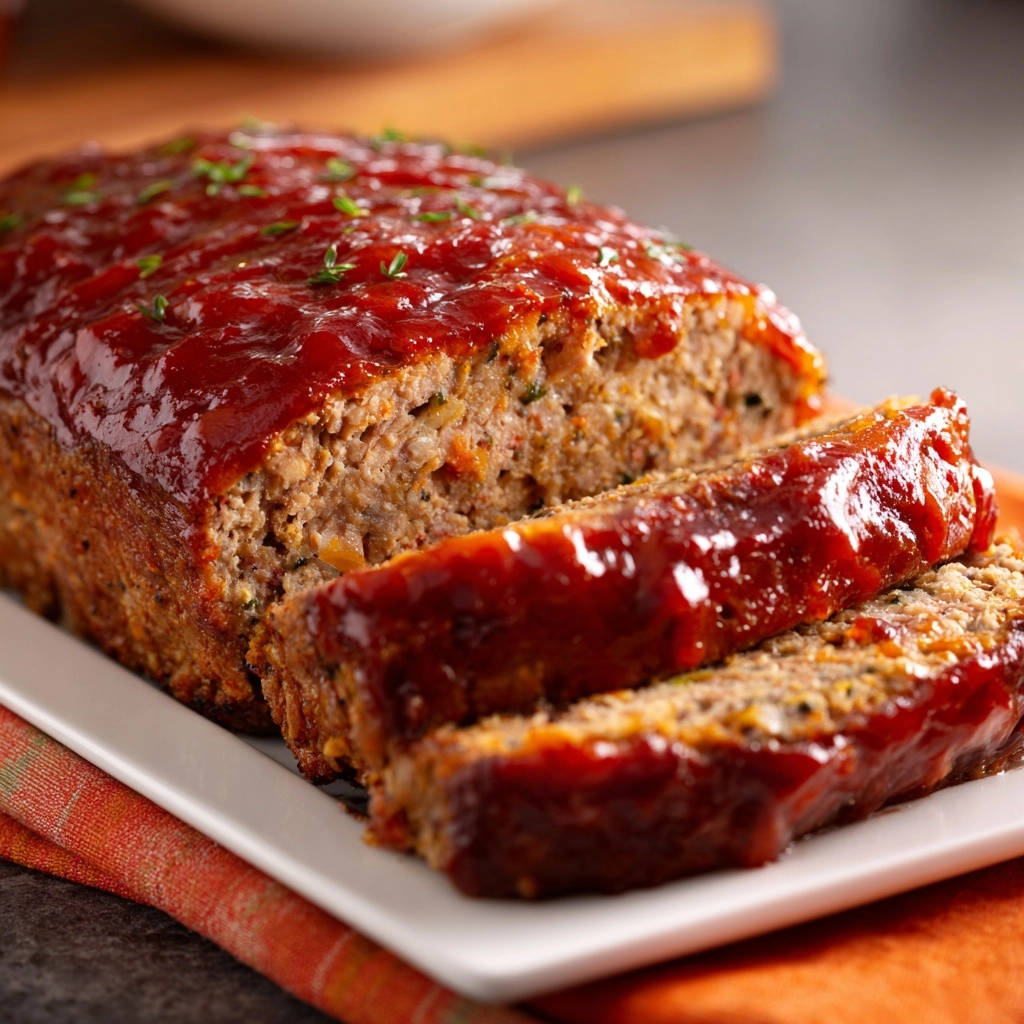
We combine classic aromatics like onion and garlic with fresh parsley to build a robust flavor foundation. The tangy-sweet glaze adds a vibrant, caramelized finish.
This balance of savory depth and bright glaze ensures each slice of this Perfectly Moist Meatloaf is truly unforgettable.
Gathering Your Flavor Arsenal: Key Ingredients for Success
Understanding the role of each ingredient is crucial for crafting a truly exceptional Perfectly Moist Meatloaf. Quality matters, and these choices make all the difference.
The Core: Choosing the Right Ground Beef
2 pounds ground beef (80/20 lean): This fat-to-lean ratio is paramount for a juicy meatloaf.
The fat renders during cooking, contributing significantly to moisture and rich flavor, preventing a dry, tough result.
The Moisture Makers: Breadcrumbs and Milk Demystified
1 cup plain breadcrumbs: These act as tiny sponges, rehydrating to become critical moisture-distributors.
1/2 cup milk (whole or 2%): Milk helps plump up the breadcrumbs, ensuring they effectively trap and release moisture into the meat mixture.
This is the cornerstone of our moist meatloaf promise.
Aromatic Essentials: Onion, Garlic, and Fresh Herbs
1 small onion, finely diced: Onion provides a foundational savory base and adds subtle sweetness when cooked.
2 cloves garlic, minced: Garlic offers a pungent, aromatic kick that deepens the overall flavor profile of your homemade meatloaf.
1/4 cup chopped fresh parsley (or 1 tablespoon dried): Parsley adds a touch of freshness and a vibrant herbaceous note that brightens the rich meat flavor.
The Tangy-Sweet Glaze Components
1/2 cup ketchup: The classic base, providing a sweet and savory foundation for the glaze.
2 tablespoons brown sugar: Adds depth and helps create a beautiful caramelization on the meatloaf’s surface.
1 tablespoon apple cider vinegar: This crucial ingredient cuts through the richness, balancing the sweetness with a delightful tang that elevates the entire dish.
Essential Gear: What You’ll Need in Your Kitchen
Having the right tools ready makes the cooking process smoother and ensures the best results for your Perfectly Moist Meatloaf.
Mixing Bowls and Measuring Utensils
You’ll need at least one large mixing bowl for combining the meatloaf mixture. Accurate measuring cups and spoons are also essential for ingredient ratios.
Baking Vessels: Loaf Pan or Baking Sheet?
A standard 9×5 inch loaf pan is ideal for a classic shape and helps contain juices. Alternatively, you can form the loaf on a foil-lined baking sheet for a crispier exterior.
Choosing a baking sheet allows for more surface caramelization, while a loaf pan often yields a softer, more uniform result.
The Mighty Meat Thermometer: Your Key to Doneness
A reliable meat thermometer is indispensable for food safety and preventing overcooking. It’s the most accurate way to ensure your meatloaf reaches the perfect internal temperature.
This tool guarantees a juicy, not dry, result every time.
Your Path to Perfectly Moist Meatloaf: A Detailed Recipe Guide
Follow these steps closely to unlock the secret to a consistently tender and flavorful Perfectly Moist Meatloaf.
Phase 1: Preparing Your Foundation (The Moisture Secret!)
Soak the Breadcrumbs: In a large bowl, combine the plain breadcrumbs and milk. Stir them gently until combined, then let the mixture sit undisturbed for 5 minutes.
This seemingly simple step is the game-changer, allowing the breadcrumbs to fully absorb moisture, which they’ll then release into your meatloaf as it bakes, ensuring it stays incredibly juicy.
Phase 2: Combining Flavors with a Gentle Hand
Add Aromatics and Egg: To the bowl with the soaked breadcrumbs, add the lightly beaten egg, finely diced onion, minced garlic, chopped parsley, salt, and black pepper. Mix these ingredients thoroughly until everything is well incorporated.
This ensures an even distribution of flavor throughout your entire homemade meatloaf.
Gently Mix in Ground Beef: Add the ground beef to the bowl last. Using your hands, gently combine all ingredients until they are just mixed. The mixture should feel cohesive but not dense.
Remember: overmixing is the enemy of tender meatloaf. Overworking the meat can develop tough muscle fibers, leading to a dense and rubbery texture. A light touch is key to maintaining that signature tender texture.
Phase 3: Shaping and Glazing for Golden Perfection
Preheat Your Oven and Prepare Your Pan: Preheat your oven to 350°F (175°C). Lightly grease your chosen loaf pan (9×5 inch) or a foil-lined baking sheet.
Proper preparation prevents sticking and ensures easy removal after baking.
Form the Loaf: Gently shape the meat mixture into a uniform loaf. If using a baking sheet, ensure it’s a tight, even shape.
Avoid compacting the mixture too much, as this can lead to a denser meatloaf. A looser pack promotes tenderness.
Whisk Together the Glaze: In a small separate bowl, whisk together the ketchup, brown sugar, and apple cider vinegar until thoroughly combined.
This creates that irresistible tangy-sweet topping.
Apply the First Glaze Layer: Spread about half of the prepared glaze evenly over the top of the formed meatloaf.
This initial layer begins to caramelize and infuse flavor during the first bake.
Phase 4: Baking to Juicy Doneness
Initial Bake: Place the meatloaf in the preheated oven and bake for 45 minutes.
This allows the meatloaf to begin cooking through and firm up before the final glaze application.
Second Glaze and Final Bake: Carefully remove the meatloaf from the oven. Spread the remaining glaze evenly over the top.
Return the meatloaf to the oven for another 15-20 minutes, or until an internal temperature of 160°F (71°C) is reached when measured with a meat thermometer in the thickest part.
Using a meat thermometer is crucial for achieving perfect doneness without the risk of overcooking, which can lead to a dry meatloaf.
Phase 5: The Crucial Resting Period
Rest Before Slicing: Once cooked, remove the meatloaf from the oven and let it rest, uncovered, for 10 minutes before slicing and serving.
This vital resting period allows the juices within the meatloaf to redistribute evenly throughout the loaf.
Cutting into it too soon will cause those precious juices to run out, resulting in a drier, less flavorful slice. Resting guarantees every portion is truly a Perfectly Moist Meatloaf.
Chef’s Secrets for an Unforgettable Perfectly Moist Meatloaf
Beyond the steps, understanding the ‘why’ behind certain techniques elevates your meatloaf from good to extraordinary.
The Power of Soaked Breadcrumbs: Why It Works
When breadcrumbs are soaked in milk, they rehydrate into tiny, absorbent sponges. As the meatloaf cooks, these rehydrated crumbs slowly release their moisture.
This continuous release of moisture into the surrounding ground beef is precisely what keeps the entire loaf incredibly juicy and prevents it from drying out, a common pitfall in many meatloaf recipes.
The Gentle Touch: Avoiding Overmixing at All Costs
Overmixing ground meat activates and develops myosin, a protein responsible for toughness. This is akin to how kneading dough develops gluten.
When you combine ingredients, mix just until everything is incorporated. The goal is a cohesive mixture, not a dense, rubbery block. A lighter hand ensures a tender, crumbly texture, essential for this Perfectly Moist Meatloaf.
Mastering the Glaze: Timing and Flavor Balance
The two-stage glazing process is key to a beautiful, flavorful crust. The first application bakes into the meatloaf, while the second creates a fresh, vibrant top layer.
This method prevents the glaze from burning or becoming too thick, ensuring a shiny, caramelized, and perfectly balanced sweet and tangy finish.
The Importance of Resting Your Meatloaf
Resting allows the muscle fibers in the meatloaf to relax and reabsorb juices that have migrated to the center during cooking. If you slice it immediately, these juices will pour out onto your cutting board.
A 10-minute rest ensures that when you cut into your tender meatloaf, the moisture remains locked inside each slice, providing that ultimate juicy texture.
Customize Your Creation: Meatloaf Variations and Smart Swaps
While this recipe guarantees a Perfectly Moist Meatloaf, feel free to adapt it to your taste or dietary needs.
Spice It Up: Herb and Seasoning Alternatives
Experiment with different herb combinations. Try fresh sage and thyme for a more autumnal flavor, or a pinch of smoked paprika for warmth.
A dash of red pepper flakes can introduce a subtle heat, or consider a tablespoon of Worcestershire sauce for added umami depth.
Different Meats, Different Flavors
You can substitute half of the ground beef with ground turkey for a leaner option, though you might need a bit more milk to maintain moisture. Ground beef or even lamb can also be incorporated for unique flavor profiles.
For more ideas on flavorful ground meat dishes, explore recipes like our Creamy Skillet Meatballs, which showcase how versatile these ingredients can be.
Glaze Transformations
Instead of the classic glaze, try a tangy BBQ sauce for a smoky twist, or a savory mushroom gravy for a richer, more comforting experience.
You can also create a simple onion soup mix glaze by combining a packet of onion soup mix with a half cup of water and a tablespoon of brown sugar.
Gluten-Free and Dairy-Free Adjustments
For a gluten-free meatloaf, use gluten-free breadcrumbs or an equal amount of certified gluten-free oats. Ensure they are still soaked in milk for moisture.
For dairy-free, substitute the milk with unsweetened dairy-free milk alternatives like almond or soy milk. The impact on texture will be minimal.
Perfect Pairings: What to Serve with Your Hearty Meatloaf
A delicious meatloaf deserves equally comforting and flavorful accompaniments to complete the meal.
Classic Comfort Sides
Creamy mashed potatoes are an absolute must, perfect for soaking up any extra glaze or juices. A side of classic macaroni and cheese or a hearty green bean casserole also makes for a delightful pairing with this family-favorite comfort food.
Fresh and Green Options
Balance the richness of the meatloaf with vibrant vegetables. Simple steamed broccoli, roasted carrots, or a fresh garden salad provide a welcome contrast.
For a fantastic seasonal option, consider serving it alongside our Crispy Baked Asparagus for an easy and flavorful side.
Complementary Sauces
Always offer extra glaze on the side for those who love more. A rich mushroom gravy or a dollop of sour cream mixed with chives can also elevate each bite of your juicy meatloaf.
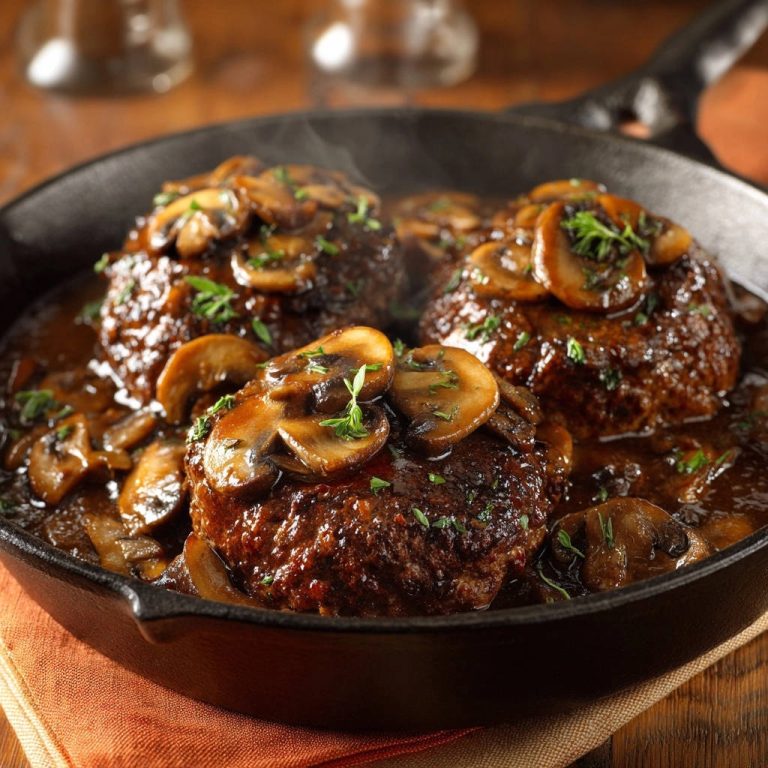
For a more decadent pairing, try a homemade brown gravy, similar to what we pair with our Salisbury Steak with Mushroom Gravy.
Plan Ahead: Storing and Preparing Your Meatloaf in Advance
This Perfectly Moist Meatloaf is excellent for meal prep, making weeknight dinners a breeze.
Refrigerating Cooked Meatloaf
Store leftover meatloaf in an airtight container in the refrigerator for up to 3-4 days. Slicing it before storing can help it cool down faster and makes reheating individual portions easier.
Freezing for Future Meals
For longer storage, freeze individual slices or a whole cooled meatloaf tightly wrapped in plastic wrap, then foil, for up to 3 months. Thaw overnight in the refrigerator before reheating.
Reheat from frozen in the oven at a lower temperature (around 300°F/150°C) until warmed through, often covered to prevent drying.
Prepping Components Ahead of Time
Chop your onions, mince your garlic, and measure out your parsley the day before. You can also whisk together the glaze ingredients and store them covered in the fridge.
This streamlines your cooking process, making assembly of your homemade meatloaf quick and easy on a busy evening.
Tackling Common Meatloaf Challenges: Troubleshooting Tips
Even expert cooks encounter hiccups. Here are solutions to common meatloaf problems.
“My Meatloaf is Dry!”
Solution: Revisit the breadcrumb soaking step-it’s crucial for moisture. Ensure you’re using 80/20 ground beef, as leaner meat will naturally be drier. Most importantly, use a meat thermometer to prevent overcooking; pulling it at 160°F (71°C) is key.
“It’s Too Crumbly!”
Solution: Ensure you have sufficient binding ingredients, specifically the egg and the soaked breadcrumbs. Avoid overmixing, but ensure the ingredients are just combined enough to hold together. The mixture should feel cohesive.
“Why Is It Falling Apart?”
Solution: This often points to insufficient binders or not allowing the crucial resting period. Ensure your egg is large enough and the breadcrumbs are properly soaked. Also, always let your meatloaf rest for 10 minutes before slicing; this allows it to set and the juices to redistribute.
“The Glaze Isn’t Sticking.”
Solution: The two-stage glaze application helps. Ensure the surface of the meatloaf isn’t excessively greasy before applying the glaze; a quick pat with a paper towel can help if needed. The glaze should adhere well once it starts to caramelize.
Your Perfectly Moist Meatloaf Questions Answered
Can I use different ground meat?
Yes, you can certainly experiment! You can substitute half of the ground beef with ground turkey, ground beef, or a combination for a different flavor. Keep in mind that leaner meats like turkey might require slightly more milk or a bit of extra moisture to maintain the “perfectly moist” quality.
How do I know when my meatloaf is done?
The most reliable way is by using a meat thermometer. Insert it into the thickest part of the meatloaf, avoiding any fat or bone. Your Perfectly Moist Meatloaf is done when it reaches an internal temperature of 160°F (71°C). Do not rely on visual cues alone.
What’s the best way to reheat leftovers?
For best results, gently reheat slices in the oven at 300°F (150°C), covered with foil, until warmed through. This prevents drying out. You can also microwave slices with a splash of water or broth for a quicker option, though the oven method retains more moisture.
Can I make individual meatloaf muffins?
Absolutely! This recipe works beautifully for individual portions. Divide the mixture among a greased muffin tin. Baking time will be significantly reduced, typically 20-30 minutes, or until the internal temperature reaches 160°F (71°C). Apply the glaze halfway through the baking time.
Ready to Create Your Own Perfectly Moist Meatloaf Masterpiece?
Now that you’re armed with all the secrets, tips, and techniques, you’re ready to create a truly exceptional Perfectly Moist Meatloaf.
Dive into your kitchen with confidence, knowing you’re about to serve a dish that’s not just a meal, but a comforting triumph. Don’t forget to share your delicious results with us!
Meatloaf
Course: Main CourseCuisine: AmericanDifficulty: medium6
servings20
minutes1
hour450
kcal80
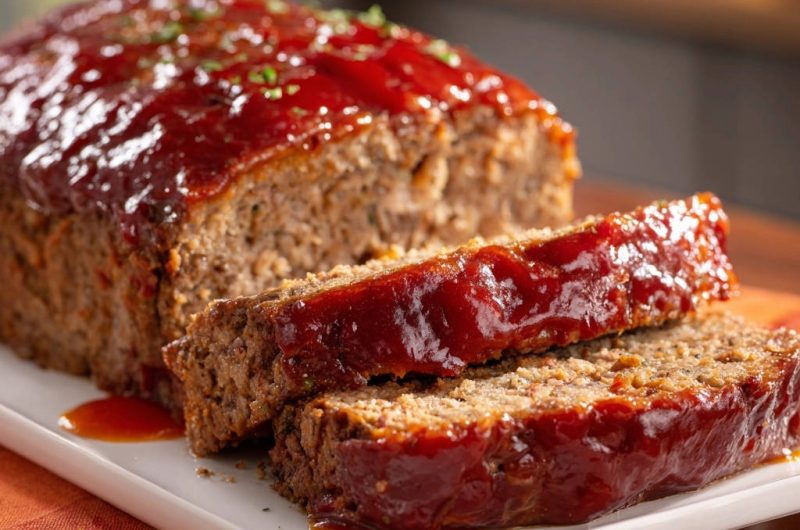
minutesDiscover the simple, game-changing trick that ensures your meatloaf is incredibly moist and flavorful, every single time. This foolproof recipe guarantees a juicy texture and delicious taste that will impress everyone at the dinner table.
Ingredients
2 pounds ground beef (80/20 lean)
1 cup plain breadcrumbs
1/2 cup milk (whole or 2%)
1 large egg, lightly beaten
1 small onion, finely diced
2 cloves garlic, minced
1/4 cup chopped fresh parsley (or 1 tablespoon dried)
1 teaspoon salt
1/2 teaspoon black pepper
For the Glaze:
1/2 cup ketchup
2 tablespoons brown sugar
1 tablespoon apple cider vinegar
Directions
- Prepare the breadcrumbs: In a large bowl, combine the breadcrumbs and milk. Stir them together gently and let sit for 5 minutes. This crucial step allows the breadcrumbs to absorb moisture, which they will then release into your meatloaf as it cooks, keeping it incredibly juicy.
- Add the lightly beaten egg, finely diced onion, minced garlic, chopped parsley, salt, and pepper to the bowl with the soaked breadcrumbs. Mix these ingredients thoroughly.
- Add the ground beef to the bowl. Using your hands, gently combine all ingredients until just mixed. Be careful not to overmix, as overworking the meat can lead to a tough and dense meatloaf. The lighter touch here helps maintain a tender texture.
- Preheat your oven to 350°F (175°C).
- Lightly grease a loaf pan (9×5 inch) or shape the mixture into a loaf on a foil-lined baking sheet.
- In a small bowl, whisk together the ketchup, brown sugar, and apple cider vinegar for the glaze.
- Spread about half of the glaze evenly over the top of the meatloaf.
- Bake for 45 minutes.
- Remove the meatloaf from the oven, spread the remaining glaze over the top, and return to the oven for another 15-20 minutes, or until an internal temperature of 160°F (71°C) is reached.
- Once cooked, let the meatloaf rest for 10 minutes before slicing and serving. This resting period allows the juices to redistribute, ensuring every slice is perfectly moist.
Notes
- The breadcrumb soaking step is key for moisture; resting allows juices to redistribute.