Crispy Baked Fish: Golden Crunch, Tender Flakes Every Time
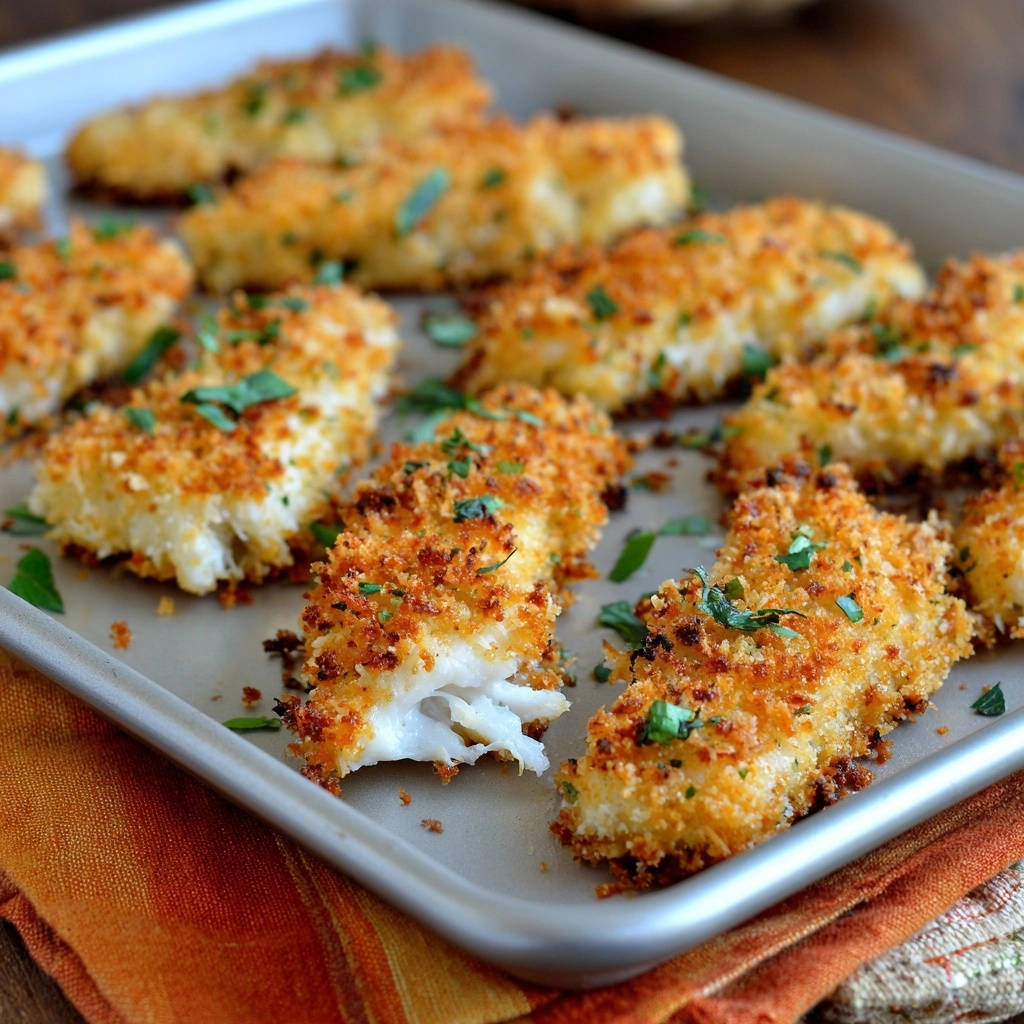
Few things are as frustrating as anticipating perfectly Crispy Baked Fish, only to bite into a soggy exterior and dry interior. I’ve been there countless times!
But after years of testing, I’ve cracked the code to achieving that coveted golden crunch on the outside while keeping the fish incredibly tender and flaky within, making this recipe a true game-changer for any seafood lover.
Beyond Basic: What Makes Our Crispy Baked Fish So Irresistible?
The Perfect Textural Harmony: Crispy Outside, Flaky Inside
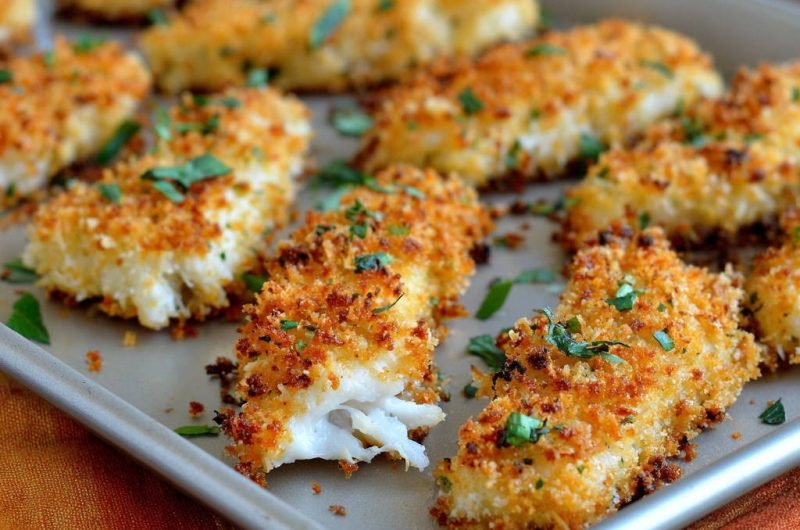
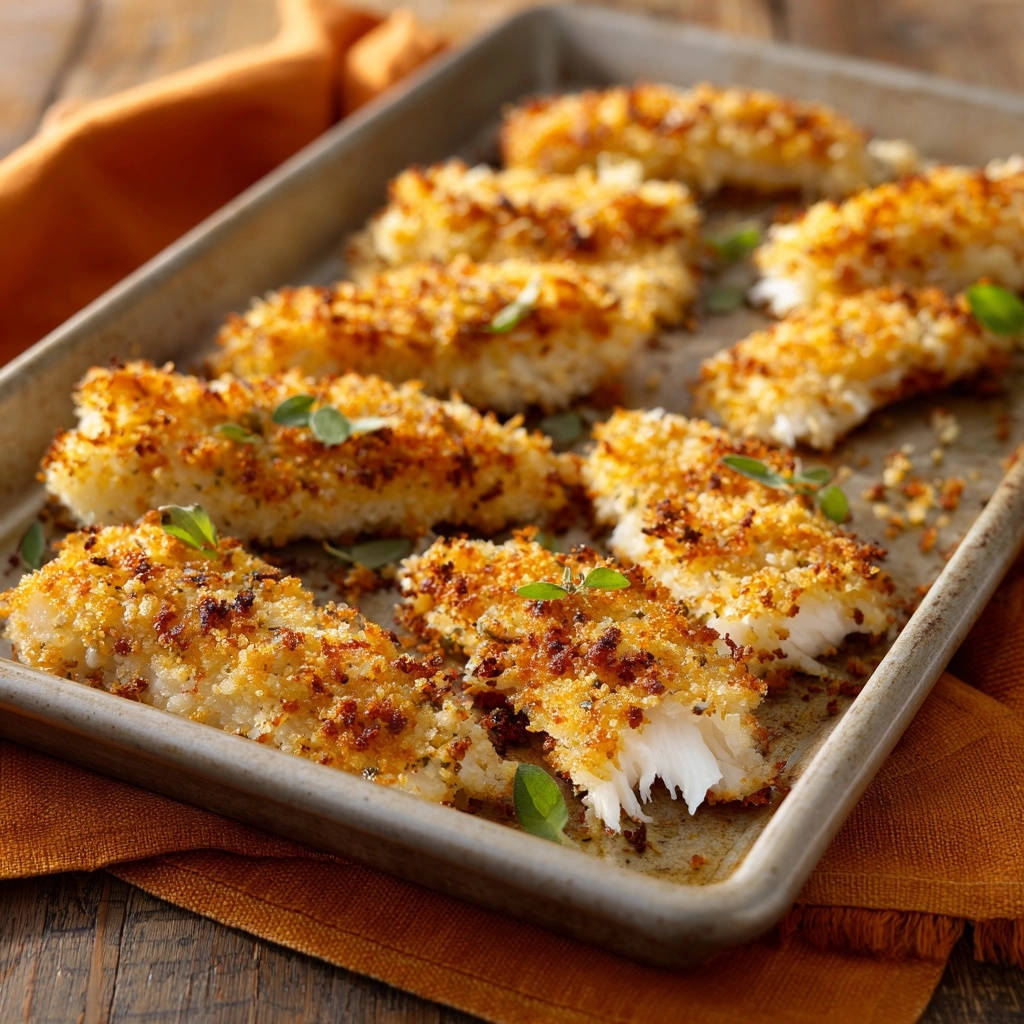
This recipe masters the art of contrast, delivering an unbelievably crispy panko crust that shatters with every bite.
Beneath that golden armor lies delicate, moist fish, cooked just to perfection without any hint of dryness.
Simplicity Meets Spectacle: A Game-Changing Method
You’ll be amazed at how straightforward this technique is, transforming humble fish fillets into a dish that looks and tastes gourmet.
It’s an accessible method, ensuring success for home cooks of all skill levels, from beginners to seasoned chefs.
Health-Conscious Comfort: Baked, Not Fried
Enjoy all the satisfying crunch and flavor typically associated with fried fish, but with the benefits of baking.
This oven-baked approach reduces fat without compromising on that irresistible crispy texture, making it a healthier weeknight staple.
The Building Blocks of Flavor: Inside Your Crispy Baked Fish
Choosing Your Star: The Best White Fish for Baking
Opt for firm, mild white fish fillets such as cod, tilapia, haddock, or pollock.
Look for fillets that are thick, evenly cut, and fresh, ensuring they hold their shape and remain moist during baking.
Achieving the Golden Crust: Flour, Egg, and Panko Trio
All-purpose flour creates a dry surface, allowing the egg wash to adhere seamlessly.
Beaten eggs act as a binder, creating a sticky layer for the ultimate coating.
Panko breadcrumbs are the secret to superior crispness; their airy, flaky texture outperforms standard breadcrumbs every time.
Flavor Foundations: Salt, Pepper, and Fresh Parsley
A simple blend of salt and freshly ground black pepper seasons the breading from the inside out, enhancing the fish’s natural taste.
Fresh chopped parsley, added at the end, provides a bright, herbaceous finish and a pop of vibrant color.
The Right Fat: Cooking Oil for Crisping
A light greasing of the baking sheet with olive or vegetable oil prevents sticking and contributes to the golden-brown crust.
This minimal fat is essential for achieving that delightful crispness without deep-frying.
If you love the bright lemon flavor in this dish, try this lemon crumb baked white fish for another crunchy, citrusy option.
Essential Tools for Your Crispy Baked Fish Adventure
Preparing Your Workspace: From Sheet Pan to Breading Bowls
A large, sturdy baking sheet is crucial for arranging the fish in a single layer, preventing steaming.
Three shallow dishes or plates are indispensable for your breading station, allowing for an organized and efficient coating process.
The Right Oven: Achieving Consistent Heat
A properly preheated oven, reaching 425°F (220°C), ensures the breading crisps up quickly before the delicate fish can dry out.
Consistent, high heat is key to that desirable golden-brown finish.
Your Path to Crispy Baked Fish Perfection: A Step-by-Step Guide
- Preheat and Prep:
Set your oven to 425 degrees F (220 degrees C). Lightly grease a large baking sheet with cooking oil.
A high oven temperature is crucial for the breading to crisp quickly before the fish overcooks.
- Moisture Control: Pat Your Fish Dry:
Gently pat the fish strips with a paper towel to remove any excess surface moisture.
This critical step ensures the breading adheres properly and promotes maximum crispness.
- Set Up Your Breading Station:
Arrange three shallow dishes: one with flour, one with beaten eggs, and the third with panko breadcrumbs mixed with salt and pepper.
This organized setup streamlines the coating process, making it clean and efficient.
- Dredge, Dip, and Coat:
Working with one fish strip at a time, first dredge it in the flour, shaking off any excess. Then dip it into the beaten egg, letting any extra drip off.
Finally, roll the strip in the panko breadcrumbs, pressing gently to ensure an even, generous coating.
- Arrange on the Baking Sheet:
Place the breaded fish strips in a single layer on the prepared baking sheet.
Ensure they are not touching; this allows air to circulate, preventing steaming and promoting crispiness.
- Bake to Golden Perfection:
Bake for 10 to 12 minutes, or until the fish is opaque throughout and flakes easily with a fork.
The key to avoiding dry fish is precise timing – cook just until done, checking at the 10-minute mark.
If you prefer a crunchier surface, the same high-heat method works beautifully for these crispy baked fish fillets.
- Garnish and Serve Hot:
Once baked, remove from the oven and garnish immediately with fresh chopped parsley.
Serve your crispy baked fish piping hot to enjoy its best texture and flavor.
Chef’s Secrets: Elevate Your Crispy Baked Fish Game
The Power of Patting Dry: Why Moisture is the Enemy of Crisp
Don’t skip the step of thoroughly patting your fish fillets dry. Excess moisture on the surface turns to steam in the oven, preventing that coveted golden crunch.
Mastering the Breading Station: For Even, Flawless Coats
Ensure your breading dishes are wide enough to accommodate the fish strips comfortably. Use one hand for the wet ingredients (egg) and the other for dry (flour, panko) to keep things tidy and prevent clumping.
Temperature is Key: The 425°F Advantage
Baking at a high temperature (425°F/220°C) is essential. It allows the breading to crisp up quickly while the delicate fish cooks through in minimal time, preventing it from drying out.
The Golden Rule: Don’t Overcook Your Flaky Fish!
Fish cooks very quickly. As soon as it’s opaque throughout and flakes easily with a fork, it’s done. Even a minute or two longer can lead to dry, tough fish.
Serving it Right: From Oven to Plate
For the best texture, serve your crispy baked fish immediately after it comes out of the oven. The breading will be at its peak crispness.
Crispy Baked Fish Rescue: Common Issues & Quick Fixes
“My Fish Isn’t Crispy!”
Ensure your oven was fully preheated to 425°F and that you didn’t overcrowd the baking sheet. Overcrowding traps steam, inhibiting crispness. Also, double-check that you thoroughly patted the fish dry.
“My Fish is Dry and Tough!”
This is usually a sign of overcooking. Next time, begin checking for doneness at the lower end of the baking time (10 minutes) and remove the fish as soon as it flakes easily.
“The Breading Won’t Stick (or it Falls Off)!”
The key is proper moisture control. Make sure your fish is patted very dry before flouring, and that you shake off excess flour before dipping in egg. Press the panko gently but firmly to create a good seal.
Perfect Pairings: What to Serve with Your Crispy Baked Fish
Classic Compliments: Go-To Side Dishes
This crispy baked fish pairs beautifully with a fresh lemon wedge and simple sides like perfectly crispy baked asparagus, a vibrant green salad, or fluffy rice.
For a heartier meal, consider crispy oven-baked fries or creamy mashed potatoes to complete your seafood dinner.
Sauces That Shine: Dips and Drizzles
A classic tartar sauce is always a hit, offering a tangy counterpoint to the rich fish. Other delicious options include a bright dill sauce, a spicy sriracha mayo, or simply a generous squeeze of fresh lemon juice to highlight the fish’s natural flavors.
Make Ahead & Storage: Enjoying Your Crispy Baked Fish Later
Can You Make Crispy Baked Fish Ahead?
While best served fresh, you can prepare the breaded fish strips up to an hour in advance and keep them refrigerated on the baking sheet until ready to bake.
For optimal crispness, baking just before serving is always recommended to achieve the best texture.
Best Ways to Reheat for Maximum Crispness
To revive the crispness, reheat leftover fish in a preheated oven (around 350°F/175°C) or an air fryer for a few minutes until heated through and crisp again.
What to Serve with Crispy Baked Fish
These two sides round out the meal with soft bread to soak up juices and a cheesy, herb-flecked rice that matches the fish’s light texture.
- Warm, pillowy soft buttery garlic herb dinner rolls are ideal for wiping the plate clean of any leftover pan drippings.
- For a creamy, savory contrast to the crunchy
Microwaving is not recommended as it will make the breading soggy and diminish the desirable texture.
Freezing Leftover Baked Fish
Cooked crispy baked fish can be frozen for up to 1 month. Allow it to cool completely, then store in an airtight container or freezer bag.
Reheat from frozen in the oven or air fryer for best results, ensuring it reaches an internal temperature of 165°F (74°C).
Your Top Questions About Crispy Baked Fish, Answered!
What types of fish work best for this recipe?
Firm, white, flaky fish fillets such as cod, tilapia, haddock, pollock, or snapper are ideal for this recipe. Their mild flavor and firm texture hold up well to the breading and high-heat baking.
Can I use gluten-free breadcrumbs?
Absolutely! Gluten-free panko breadcrumbs can be used as a direct 1:1 substitute, allowing those with dietary restrictions to enjoy this delicious crispy baked fish.
The resulting texture will be very similar to traditional panko, ensuring a delightful crunch.
Is it possible to air fry this fish?
Yes, air frying is a fantastic alternative! Preheat your air fryer to 375°F (190°C).
Spray the breaded fish lightly with oil and cook for 8-12 minutes, flipping halfway, until golden and cooked through. Cooking times may vary by air fryer model, so always check for doneness.
How do I know when the fish is perfectly cooked?
The fish is done when it’s opaque throughout and flakes easily with a fork at its thickest part.
For precise results, a meat thermometer inserted into the thickest portion should read 145°F (63°C), indicating a safe and tender seafood dish.
Can I skip the flour step?
While you can, the flour step is highly recommended as it provides a dry surface for the egg wash to adhere to, which in turn helps the panko stick much better.
Skipping it may result in a less even and less crispy coating, so it’s a small step that yields big results for your oven-baked fish.
For another incredibly simple and flavorful fish option, consider trying our zesty lemon herb white fish recipe, perfect for busy weeknights.
Ready to Impress? Share Your Crispy Baked Fish Masterpiece!
There you have it – the secret to achieving perfectly golden, irresistibly Crispy Baked Fish with tender, flaky insides, every single time.
This recipe is more than just a meal; it’s a culinary triumph that’s simple enough for weeknights but impressive enough for guests, promising a delightful seafood experience.
Don’t let the fear of dry or soggy fish deter you any longer. Embrace this game-changing method and discover the joy of effortless, delicious seafood that will become a new family favorite.
We can’t wait to see your creations! Share your experience and photos with us in the comments below or tag us on social media.
Crispy Baked Fish
Course: Main CourseCuisine: AmericanDifficulty: easyServings4
servingsPrep time20
minutesCooking time12
minutesCalories450
kcalTotal time35
minutesDiscover the secret to perfectly crispy baked fish that’s tender and flaky on the inside. This simple, game-changing method ensures a golden crunch without drying out the fish. You’ll wonder why you ever did it any other way!
Ingredients
1 pound white fish fillets (such as cod, tilapia, or haddock), cut into 1-inch strips
1/2 cup all-purpose flour
2 large eggs, beaten
1 1/2 cups panko breadcrumbs
1 teaspoon salt
1/2 teaspoon black pepper
2 tablespoons cooking oil (like olive or vegetable oil)
2 tablespoons fresh parsley, chopped, for garnish
Directions
- Preheat your oven to 425 degrees F (220 degrees C). Lightly grease a large baking sheet with cooking oil.
- Pat the fish strips very gently with a paper towel to remove any excess surface moisture. This helps the breading stick without drying out the fish itself.
- Set up a breading station: Place the flour in a shallow dish, the beaten eggs in another, and the panko breadcrumbs mixed with salt and pepper in a third dish.
- Dredge each fish strip first in the flour, shaking off any excess. Then dip it into the beaten egg, allowing any extra to drip off. Finally, roll it in the panko breadcrumbs, pressing gently to ensure a good, even coating.
- Arrange the breaded fish strips in a single layer on the prepared baking sheet, ensuring they are not touching.
- Bake for 10 to 12 minutes, or until the fish is opaque throughout and flakes easily with a fork. The key to avoiding dry fish is to cook it just until it’s done, without overdoing it. A higher oven temperature helps the breading crisp quickly while the fish cooks through in minimal time.
- Once baked, remove from the oven and garnish immediately with fresh chopped parsley. Serve hot.
Notes
- The key to avoiding dry fish is to cook it just until it’s done; a higher oven temperature helps the breading crisp quickly while the fish cooks through in minimal time.