Mastering the Ultra-Fine Tangy Cabbage and Carrot Slaw
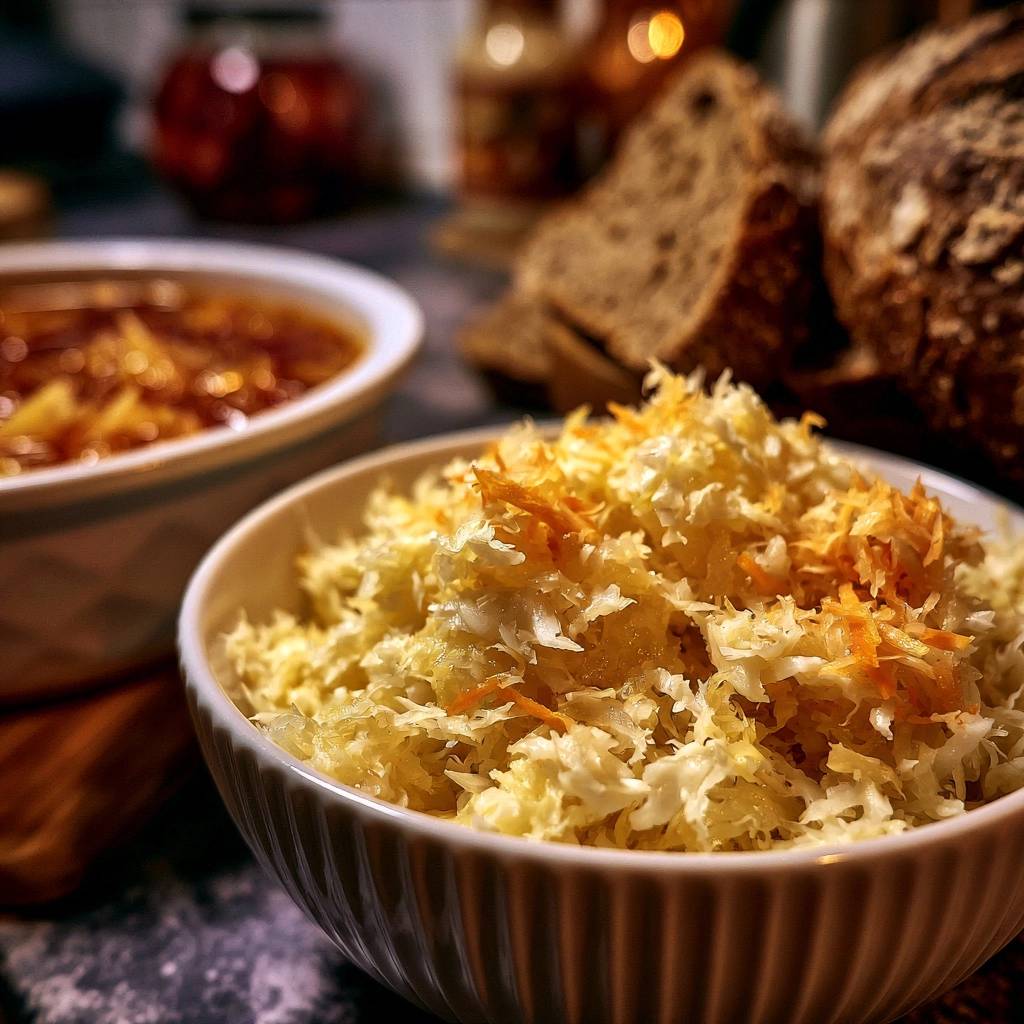
Most coleslaws suffer from a tragic, watery fate. You’ve seen it before: a puddle of diluted dressing at the bottom of the bowl and limp, sad vegetables that have lost their spirit. This Ultra-Fine Tangy Cabbage and Carrot Slaw is the definitive cure for the “soggy bottom” syndrome that plagues backyard barbecues and deli counters alike.
The secret isn’t just in the ingredients, but in a fundamental shift in how we treat the vegetables. By moving away from chunky shreds and embracing a “micro-shred” philosophy, we create a texture that is light, airy, and incredibly tender. This isn’t just a side dish; it’s a technical departure from the heavy, mayo-laden salads of the past.
I’ve found that the real breakthrough comes from the moisture-wicking salt cure. This step physically changes the structure of the cabbage, ensuring it stays crisp for hours even after the dressing hits the bowl. If you’ve ever been disappointed by a watery salad, this method will completely change your kitchen game.
The Physics of the Micro-Shred Technique
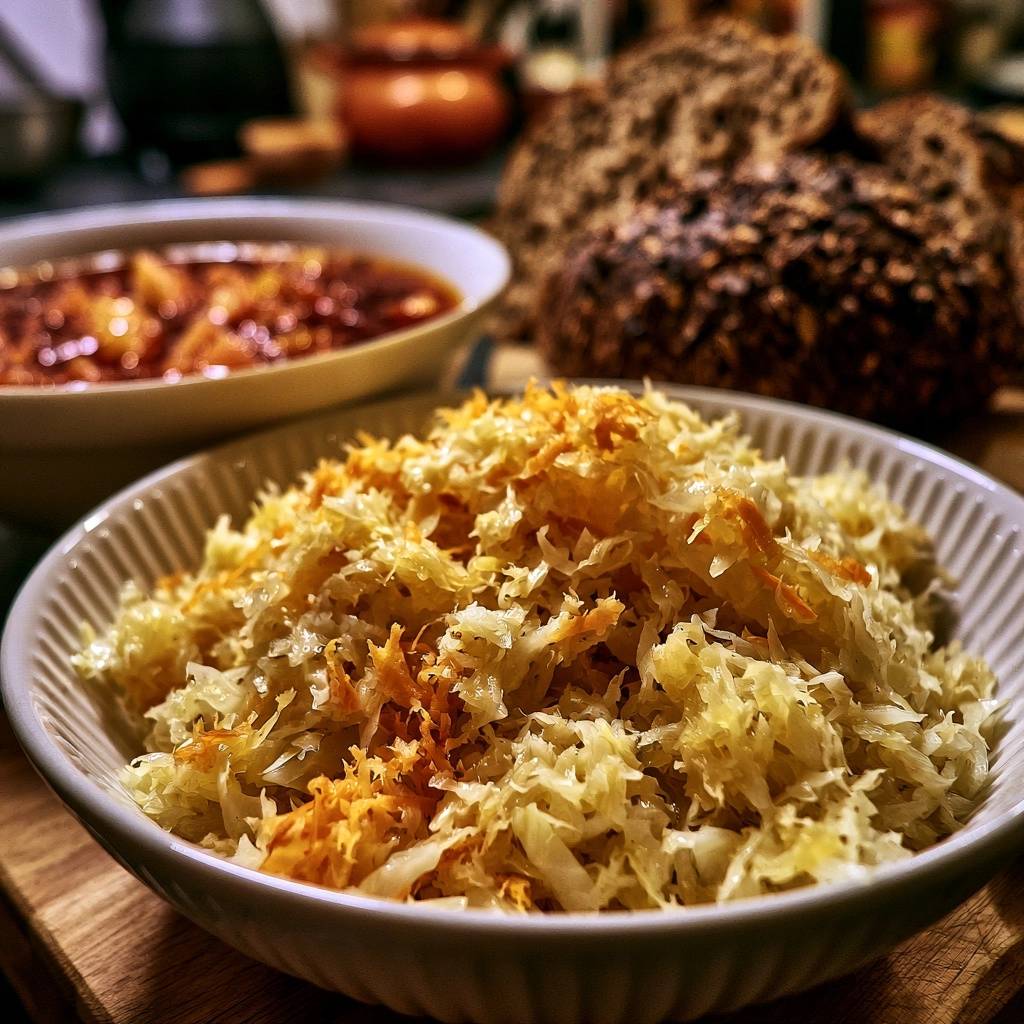
Standard slaws usually feature long, ropey ribbons of cabbage that can be difficult to chew and even harder to coat evenly. When you switch to 1/4-inch flecks, you exponentially increase the surface area of the vegetables. This allows the tangy vinaigrette to cling to every tiny edge rather than sliding off into a pool at the bottom.
The mouthfeel of these fine-cut vegetables is a revelation. Instead of the aggressive, woody crunch of a thick cabbage stalk, you get a delicate, airy snap. It feels sophisticated and intentional. Because the pieces are so small, they integrate perfectly with the finely grated carrots, creating a uniform bite that carries the flavor of the dressing in every forkful.
Furthermore, this fine texture allows the cabbage to soften just enough to be pleasant without losing its structural integrity. Large chunks often feel raw and disconnected from the dressing. These micro-flecks, however, act like a sponge for the apple cider vinegar and honey, absorbing the brightness while maintaining a distinct, lasting crunch that holds up through the entire meal.
Manual Knife Work vs. Mechanical Shredding
Using a sharp chef’s knife gives you the most control over the final texture. You can shave the cabbage into paper-thin ribbons before cross-cutting them into tiny flecks. This method minimizes bruising and keeps the cell walls of the cabbage relatively intact, which helps preserve that fresh, peppery bite.
However, a food processor with a fine shredding disc is a massive time-saver for larger batches. While the mechanical action can generate a small amount of heat friction, the speed is unbeatable. Just be careful not to over-process the vegetables into a mush; you want distinct flecks, not a puree.
Essential Components for the Tangy Slaw Base
Success starts with the cabbage. Look for a head of green cabbage that feels heavy for its size. A heavy cabbage indicates high water content and tightly packed leaves, which results in a much crispier slaw. If the head feels light or hollow, the leaves are likely dry and will turn leathery rather than crunchy.
Always discard the tough, dark green outer leaves. They are often bitter and too fibrous for this delicate micro-shred style. You want the pale green and white inner leaves that offer a mild, sweet flavor. For the carrots, peeling them is essential to remove any earthy bitterness from the skin, ensuring the natural sweetness shines through.
Freshness is your best friend here. Since we aren’t using a heavy cream or mayo to mask the ingredients, the quality of your produce is front and center. A vibrant, firm carrot will grate into beautiful orange jewels that provide a stunning visual contrast against the pale cabbage.
The Role of Celery Seed and Honey
Celery seed is the unsung hero of this recipe. It provides a deep, earthy backbone that grounds the sharp acidity of the apple cider vinegar. Without it, the slaw can taste one-dimensional. It adds a savory “old-school” flavor profile that makes people wonder what your secret ingredient is.
Honey serves as the perfect emulsifier for this vinaigrette. Unlike granulated sugar, which can remain gritty in cold liquids, honey dissolves instantly and creates a smooth, slightly thickened texture. This helps the oil and vinegar stay bonded together, ensuring the dressing coats the vegetables in a silky, even layer.
The Science of the Moisture-Wicking Salt Cure
The most common mistake in slaw-making is ignoring the internal water of the cabbage. Cabbage is roughly 90% water, stored inside the vacuoles of its cells. When you add a dressing—especially one with salt or acid—it draws that water out via osmosis, resulting in a watery mess. The salt cure solves this before it starts.
By tossing the shredded cabbage and carrots with kosher salt and letting them rest, you are forcing that excess moisture out early. You’ll notice the vegetables begin to look glossy and eventually start to “weep” into the bowl below. This process doesn’t just prevent sogginess; it actually seasons the vegetable from the inside out.
After about 20 minutes, the cabbage transforms from stiff and brittle to pliant and flexible. This change in texture is exactly what you want. Once you squeeze out that extracted water, the cabbage becomes a blank, thirsty canvas. It is now ready to soak up your flavorful dressing without diluting it.
Why Kosher Salt is Non-Negotiable
I always reach for kosher salt because its large, coarse flakes are much easier to distribute evenly by hand. Table salt is too fine and dense, making it very easy to accidentally over-salt the delicate cabbage flecks. The jagged edges of kosher salt also help “scrub” the surface of the vegetables, kickstarting the moisture release.
Because kosher salt dissolves more slowly than fine salt, it draws moisture out steadily without immediately penetrating the core of the vegetable. This gives you more control. If you use table salt, you risk the slaw becoming unpleasantly salty before the moisture has even had a chance to escape.
Step-by-Step: Executing the Ultra-Fine Tangy Cabbage and Carrot Slaw
The workflow for this recipe is all about patience and physical transformation. You’ll start with a mountain of fluffy, shredded vegetables and end with a concentrated, flavor-packed side dish. The transition from the “resting” phase to the “squeezing” phase is where the magic happens.
Don’t rush the process. While the prep only takes 20 minutes of active work, that middle resting period is vital. Use that time to whisk your dressing or prep your main course. The goal is a slaw that stays vibrant and crunchy from the first bite to the last.
Phase 1: Achieving the Micro-Fleck Texture
Start by cutting your cabbage into quarters and removing the core. Shave each quarter into the thinnest ribbons possible. Once you have a pile of ribbons, turn them 90 degrees and chop through them again. You are looking for tiny 1/4-inch flecks that look almost like confetti.
For the carrots, use the smallest holes on your box grater. You want the carrots to be almost as fine as the cabbage so they integrate seamlessly. If the carrot pieces are too large, they will feel out of place and won’t benefit as much from the salt cure.
Phase 2: The Salt, Rest, and Squeeze Process
Place your beautiful pile of vegetables into a colander set over a large bowl. Sprinkle the kosher salt over the top and use your hands to toss everything together. Make sure every little fleck has a bit of salt on it. Let it sit for at least 20 minutes.
Now comes the most important part: the squeeze. Take a handful of the salted vegetables and squeeze with all your might over the sink. You will be shocked at how much green liquid comes out. Keep going until the mass feels dry and significantly reduced in volume. It should look like a dense ball of vegetable confetti.
Phase 3: Emulsifying the Tangy Vinaigrette
In a separate small bowl, whisk the apple cider vinegar, olive oil, honey, black pepper, and celery seed. Whisk vigorously until the honey is completely incorporated and the oil no longer sits on top. The dressing should look slightly opaque and well-blended.
Taste a tiny bit of the dressing. It should be sharp, sweet, and peppery. Remember that the cabbage already has a bit of salt from the cure, so we don’t add extra salt to the vinaigrette. The honey will help the dressing cling to the dry vegetables you just squeezed.
Phase 4: The Final Fluff and Integration
Transfer your squeezed vegetables to a clean bowl. They will be clumped together from the squeezing, so use a fork to “fluff” them back up. This separates the flecks so the dressing can reach every single piece. It should look light and airy again before you add the liquid.
Pour the dressing over the fluffed vegetables and toss thoroughly. You’ll notice immediately that the dressing doesn’t run to the bottom. Instead, it coats the cabbage like a thin, glossy lacquer. This is the “Anti-Soggy Bottom” philosophy in action!
Avoiding Common Slaw Texture Mistakes
The biggest pitfall is being too gentle during the squeezing phase. If you don’t remove enough water, the slaw will inevitably become watery within ten minutes of dressing. Don’t be afraid to really put some muscle into it. The cabbage is tougher than it looks and can handle the pressure.
Another common error is dressing the cabbage before it has rested with the salt. If you skip the cure, the salt in the dressing will draw out the water while the slaw sits on the table. This results in a diluted flavor and a pool of liquid. Always cure, squeeze, and then dress for the best results.
If you find the final result is too salty, it usually means the cabbage was squeezed but not fluffed properly, or too much salt was used. You can easily fix this by giving the salted vegetables a very quick rinse under cold water before the final squeeze. This removes excess surface salt while keeping the texture benefits.
Flavor Variations and Ingredient Swaps
This recipe is a fantastic canvas for customization. If you want a vegan version, simply swap the honey for maple syrup or agave nectar. Maple syrup adds a lovely autumnal depth that pairs beautifully with the apple cider vinegar. The texture will remain exactly the same.
You can also experiment with fresh herbs. Finely minced flat-leaf parsley or cilantro can add a burst of freshness. However, keep in mind that fresh herbs will wilt faster than the cabbage. If you plan on making this a day ahead, wait to add the fresh herbs until just before you serve it.
For a bit of heat, a pinch of red pepper flakes or a finely minced jalapeño (seeds removed) works wonders. The sweetness of the honey and the crunch of the cabbage provide a perfect balance for a little spicy kick. Just ensure the pepper is minced as finely as the cabbage to maintain that uniform texture.
Optimal Pairings for Tangy Cabbage Slaw
This slaw is the ultimate palate cleanser. Because it is high in acidity and has a clean, sharp finish, it pairs perfectly with rich, fatty meats. It is a dream alongside slow-braised beef or grilled chicken thighs. The vinegar cuts right through the fat, making every bite feel fresh.
It also works beautifully as a topping. Try piling a generous spoonful onto a shredded beef sandwich or using it as a crunchy base for roasted root vegetable platters. The “micro-fleck” texture means it stays put on a sandwich much better than long, slippery ribbons of traditional coleslaw.
I also love serving this at picnics because it doesn’t contain any dairy or eggs. It is much safer to leave out on a warm day than a mayonnaise-based salad. Plus, the bright, vibrant colors of the green cabbage and orange carrots look beautiful on any table spread.
Storage and Make-Ahead Preparation
Thanks to the salt cure, this slaw has an impressive shelf life. While most slaws are best within an hour, this version stays remarkably crisp for up to 24 hours in the refrigerator. For “Maximum Crunch,” serve it within 30 minutes of dressing. The texture will be light and snappy.
If you prefer a “Mellowed Flavor,” let it chill for about two hours. This allows the vinegar to slightly pickle the vegetables, deepening the tanginess. To make it ahead of time, you can shred, salt, and squeeze the vegetables a day in advance. Store the dry vegetable “ball” and the dressing separately, then toss them together right before the party.
Can I use red cabbage instead of green?
You certainly can, but be prepared for the color to bleed. Red cabbage contains powerful pigments that will turn the entire slaw (and the carrots) a bright pinkish-purple after about 30 minutes. If you don’t mind the vibrant color, the flavor and texture will be just as delicious. For a cleaner look at a party, stick with green cabbage.
My slaw is too salty, how do I fix it?
If you’ve already dressed it and it tastes too salty, the best fix is to add more bulk. Shred a little extra cabbage or carrot (no need to salt these) and mix them in. If you catch the saltiness after the resting phase but before dressing, simply put the vegetables in a colander and rinse them with cold water. Squeeze them dry again, and you’ll have perfectly seasoned veggies.
Can I use a mandoline for the micro-shred?
A mandoline is great for getting those paper-thin ribbons, but please use the safety guard! Once you have the thin ribbons, you still need to use a knife to cross-cut them into the 1/4-inch flecks. The mandoline alone won’t give you the “fleck” texture, but it’s a great tool for the first step of the process.
Why is my dressing separating?
Dressing separation usually happens if the honey wasn’t fully incorporated or if the oil was added too quickly. To fix it, whisk the dressing vigorously in a small jar or bowl before pouring it over the slaw. The honey acts as a stabilizer, so make sure it is completely dissolved into the vinegar before you start whisking in the olive oil.
How do I scale this for a large crowd without it getting soggy?
The salt-cure method is actually the best way to scale for a crowd. Because you are removing the water beforehand, the slaw won’t get soggy even in a large catering tray. Just ensure you have a large enough colander to salt the cabbage in batches. Squeeze the cabbage very thoroughly, as a large volume of vegetables can trap more moisture in the center of the mass.
Ultra-Fine Tangy Cabbage and Carrot Slaw
Course: Side DishCuisine: AmericanDifficulty: easy6
servings20
minutes20
Minutes85
kcalAmerican
Ingredients
1 small head green cabbage, outer leaves removed
2 large carrots, peeled
1 teaspoon kosher salt
3 tablespoons apple cider vinegar
2 tablespoons extra virgin olive oil
1 tablespoon honey
1/2 teaspoon black pepper
1/2 teaspoon celery seed
Directions
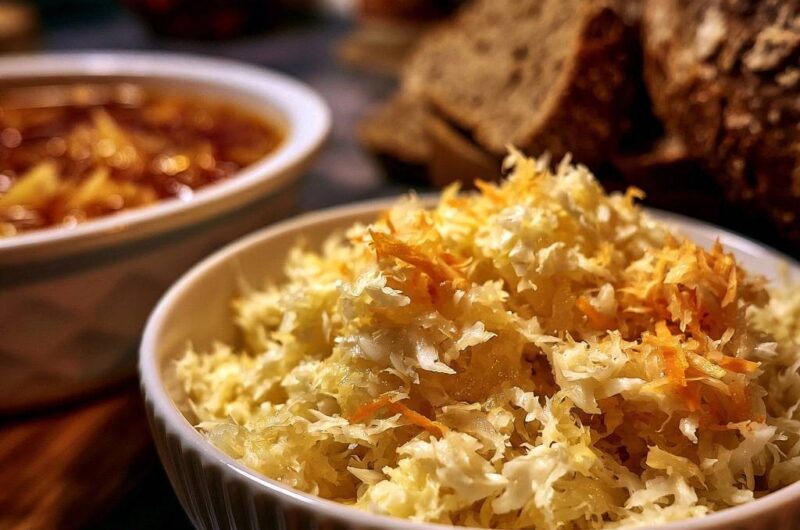
- Micro-Shred the Vegetables: To achieve the texture in the image, do not use a standard grater. Use a food processor with the fine shredding disc, or use a sharp chef’s knife to shave the cabbage into paper-thin ribbons, then cross-cut those ribbons into tiny, 1/4-inch flecks. Finely grate the carrots using the smallest holes on a box grater.
- The Salt Cure: Place the finely shredded cabbage and carrots in a large colander set over a bowl. Sprinkle with the kosher salt and toss thoroughly with your hands.
- Rest: Let the vegetables sit for 20 to 30 minutes. The salt will draw out the internal moisture that causes sogginess.
- The Squeeze: This is the most important step. Take handfuls of the salted vegetables and squeeze them firmly over the sink. You will be surprised by how much liquid is released. Continue until the vegetables feel significantly drier and reduced in volume.
- Prepare Dressing: In a small bowl, whisk together the apple cider vinegar, olive oil, honey, black pepper, and celery seed until the honey is fully dissolved.
- Combine: Transfer the squeezed, dry vegetables to a clean serving bowl. Fluff them with a fork to separate the compressed bits.
- Dress and Toss: Pour the dressing over the vegetables and toss well. Because the excess water has been removed, the dressing will be absorbed into the fibers of the vegetables rather than sliding off.
- Serve: Serve immediately for maximum crunch, or chill for 30 minutes to allow the flavors to meld. The slaw will remain crisp for hours.
Notes
- The salt cure is the most important step to ensure the dressing is absorbed rather than pooling at the bottom.