Perfect Oven-Roasted Chestnuts
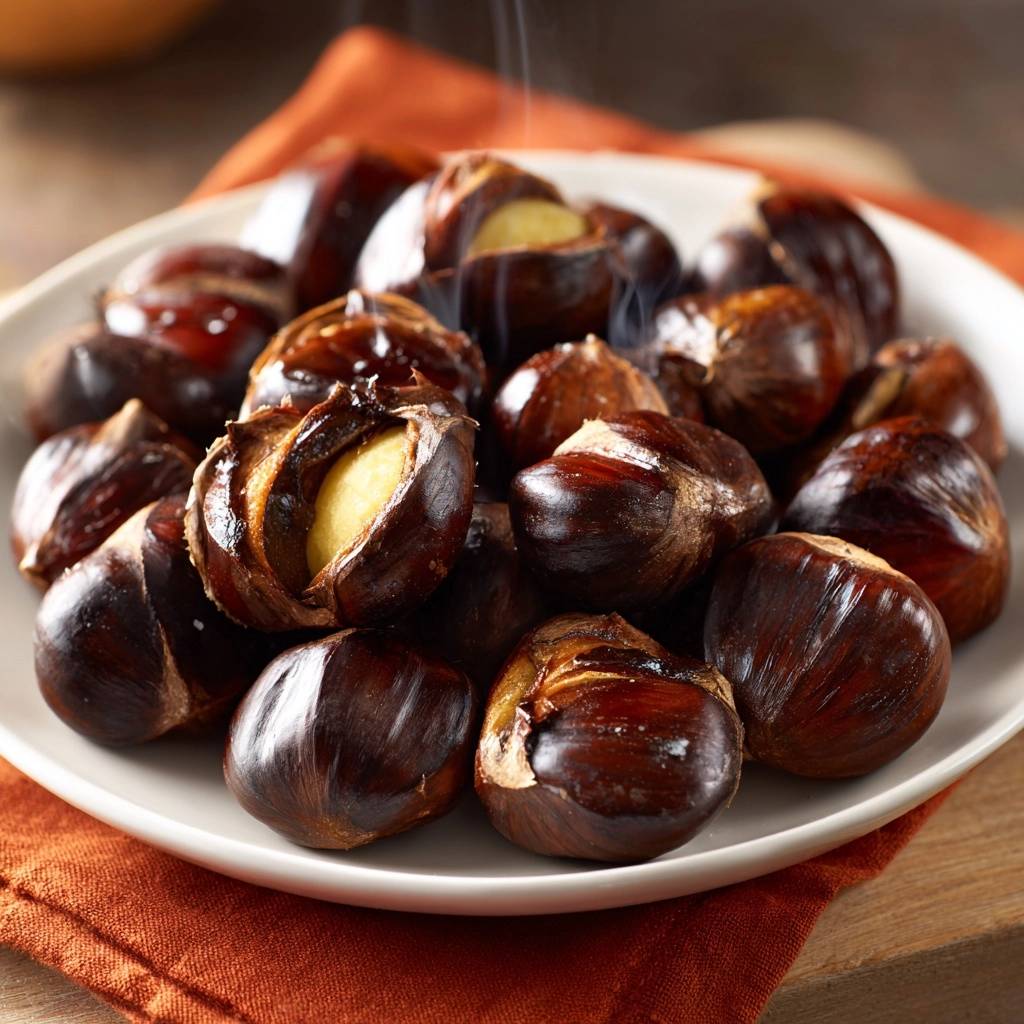
Ever scorched your fingers peeling stubborn chestnuts with skins that cling like glue? You know the drill: holiday excitement turns to frustration fast. But this oven-roasted method changes everything. A simple X-score and towel steam make shells pop right off, hot and effortless.
That’s why you’ll love it. Oven roasting locks in that nutty sweetness without the waterlogged mess from boiling. Plus, it delivers glossy, tender nuts perfect for snacking or seasonal treats.
Here’s the expertise kicker: cut a deep X on every single nut. Shallow scores fail because steam builds up and explodes or hardens the shell. Do it right, and peels slide off like butter. You’ll wonder why you ever struggled.
Why Oven-Roasting Transforms Chestnuts
Oven-roasting brings out chestnuts’ nutty, sweet core like nothing else. Boiling soaks them in water, diluting that cozy flavor. Dry oven heat concentrates it instead, giving crisp skins and a tender bite.
However, timing matters. At 425°F, you get perfect results without drying them out. In addition, this method amps up the Maillard reaction for deeper, toasty notes everyone craves during holidays.
Freshness seals the deal. These nuts shine in fall and winter, evoking that warm, festive vibe without much effort.
If you enjoy the warmth of roasted seasonal flavors, the same high-heat technique works beautifully for these crispy garlic potato medallions.
Seasonal Freshness Indicators
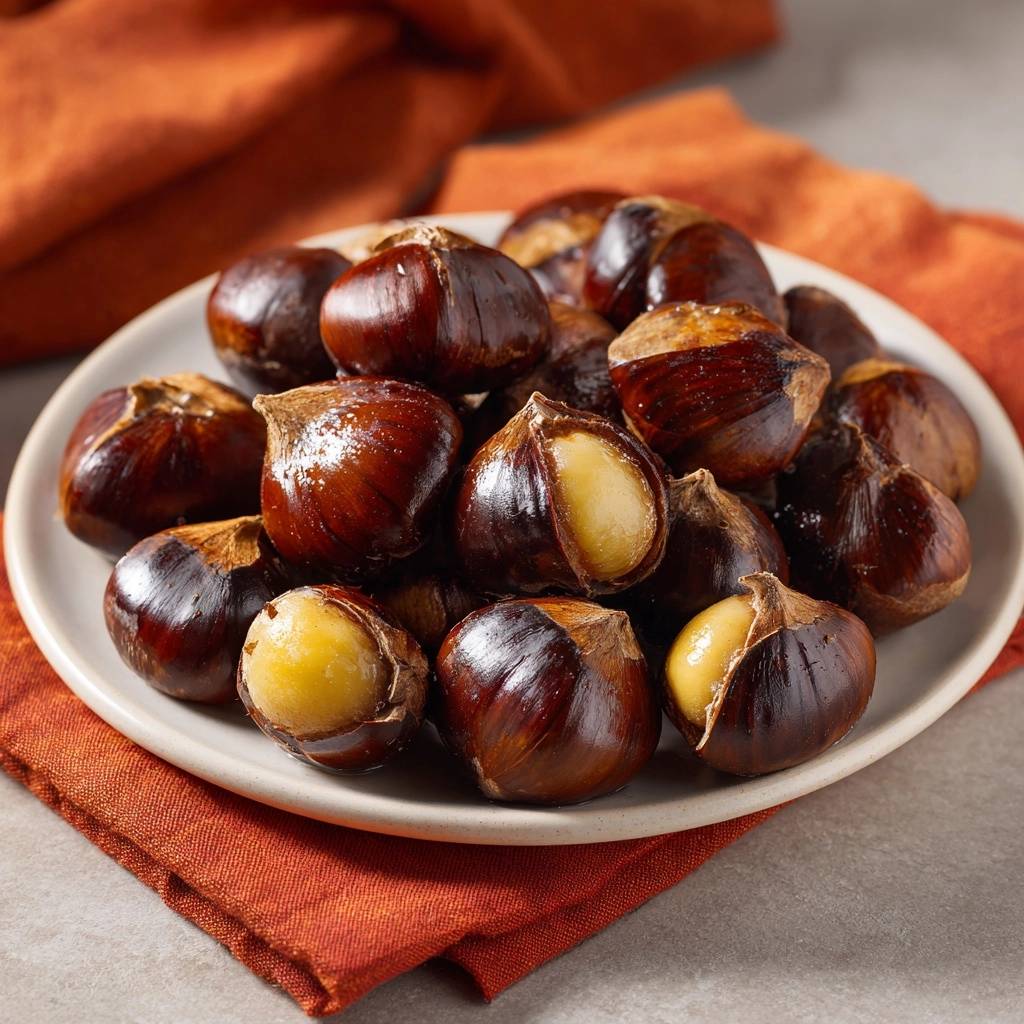
Pick chestnuts with shiny, taut shells that feel heavy for their size. They shouldn’t rattle inside when shaken. Lightweight or cracked ones are dried out and won’t roast well.
Therefore, buy local when possible over imports. One pound raw yields about 2 to 3 servings peeled, so grab extra for sharing. Rinse them first to spot any mold.
Science of Scoring and Steam Escape
The X-score isn’t just a cut; it’s physics in action. Chestnuts hold moisture that turns to steam under heat. Without an escape route, pressure builds and risks bursting or sticking.
A deep X vents it perfectly. Then, the oven triggers the Maillard reaction, browning sugars for that irresistible nutty depth. Finally, towel steaming adds humidity to loosen the pellicle without sogginess.
Pro tip: always score deeply, about 1/2 inch through the shell. Shallow ones trap steam, leading to tears later.
Heat Dynamics Inside Shells
At 425°F for 25 to 30 minutes, heat penetrates evenly to tenderize the core. Skins curl back from the X, signaling doneness. Squeeze gently; they should yield without mush.
Shallow cuts fail here because steam doesn’t escape fully. Deep X’s ensure success every time. Keep the oven rack in the middle for steady heat flow.
Essential Gear for Flawless Roasting
You need a sharp paring knife for clean X-scores, a heavy baking sheet for even roasting, and a thick kitchen towel for steaming. Skip parchment; direct contact crisps the edges nicely.
Cast iron works great too if your sheet warps. These basics prevent uneven cooking or tough peels. Invest in quality, and you’ll roast chestnuts year after year.
However, don’t overcrowd the sheet. Air needs to circulate for that perfect roast.
Knife Sharpness for Clean Cuts
Grab a 3 to 4-inch paring knife with a honed edge. Dull blades slip and tear shells. Hone it before starting for smooth, deep cuts.
Place nuts flat-side down on the board. Stabilize with curled fingers, and slice confidently across the rounded top. Safety first keeps it fun.
Selecting Premium Fresh Chestnuts
Start with 1 pound of fresh, in-shell chestnuts; no substitutes beat their quality. Look for plump ones without cracks or mold. They should feel heavy and firm.
Rinse under cool water to remove debris, then pat dry. This improves grip for scoring and prevents steaming issues. Store in the fridge for up to a week max.
In addition, avoid any with fuzzy spots. Fresh ones guarantee glossy results inside.
Mastering the X-Score Technique
Preheat your oven to 425°F. Rinse and pat dry the chestnuts. Place each flat-side up on a cutting board.
With a sharp paring knife, score a deep X, about 1/2 inch, on the rounded side of every nut. This lets steam escape, preventing explosions and ensuring easy peels. Skip any? They’ll stick later.
Do every single one for uniform cooking. It’s quick and makes all the difference.
Single-Layer Baking Sheet Spread
Spread scored-side up in a single layer on the baking sheet. No crowding; air circulation is key. Position in the middle rack.
Roast 25 to 30 minutes until skins curl back and nuts feel tender when squeezed. Check at 25 to avoid overcooking. The aroma will hit sweet and nutty.
Critical Post-Roast Steaming Phase
Dump hot chestnuts straight from the oven into a clean kitchen towel. Bundle tightly and let steam for 5 minutes. This traps humidity, softening shells completely.
Do it immediately; cooling hardens the pellicle fast. You’ll smell that toasty goodness intensifying. Patience here pays off big.
Effortless Warm Peeling Method
While still warm, open the X and slide out the glossy nut. It pops free easily, no scalding fingers. Work quickly before they cool.
Discard any shriveled or off insides. One pound raw gives about 2 cups peeled. Use the towel to shield your hands if needed.
Pro tip: peel over a bowl to catch them warm and ready to eat.
Avoiding Chestnut Roasting Pitfalls
Hard peels? You scored too shallow. Burnt outsides mean overtime; check at 25 minutes. Soggy nuts happen without towel steaming.
Lower the temp to 400°F for small batches. At high altitude, add 2 to 3 minutes. Test ripeness pre-roast by squeezing; underripe stay tough.
Therefore, follow the X and steam religiously. Most fails come from skipping those.
Batch Size and Timing Tweaks
Stick to 1 pound max per sheet for even heat. High altitude? Extend by 2 to 3 minutes. Small batches roast faster, so watch closely.
Underripe nuts feel rock-hard pre-roast. Pass on those for best results.
What to Serve with Roasted Chestnuts
Roasted chestnuts have a sweet, earthy flavor that pairs well with both bright vegetables and a hearty poultry dish. Here are two recipes that round out the meal nicely.
- The Orange-Glazed Beets bring a tangy-sweet contrast and the same tender, oven-roasted texture as the chestnuts.
- For a cozy, filling counterpart, the Creamy Chicken and Dumplings offer soft, savory bites that balance the nutty richness of the chestnuts.
1 pound fresh chestnuts (in shells)
- Preheat oven to 425 degrees F. Rinse chestnuts under cool water and pat dry.
- Place each chestnut flat-side up on a cutting board. With a sharp paring knife, score a deep X through the shell on the rounded side of every nut. This critical step lets steam escape during roasting, loosening the skin for effortless peeling, no sticking or tearing.
- Spread chestnuts scored-side up in a single layer on a baking sheet. Roast for 25 to 30 minutes, until skins curl back from the X cuts and nuts are tender when gently squeezed.
- Remove from oven and immediately transfer hot chestnuts to a clean kitchen towel. Bundle them up tightly and let steam for 5 minutes, the key lock-in step that softens shells completely.
- Peel while still warm, popping open the X and sliding out the glossy, moist nut. Enjoy hot!
Creative Chestnut Flavor Variations
Once peeled, toss warm nuts with sea salt and vanilla for sweet simplicity. Or try rosemary honey for an herby twist. Cinnamon sugar brings cozy vibes.
Stuff foil-wrapped garlic cloves in with the batch for infused flavor. Keep it authentic; these elevate the natural nuttiness without overpowering.
Experiment post-peel when they’re most receptive.
Sweet vs. Savory Seasoning Ideas
Sweet: Toss in melted butter and maple glaze right after peeling. Or cinnamon sugar with a vanilla pinch. Savory: Butter-sage leaves melted in.
Always season warm so flavors cling. Five nuts per idea serve as a quick snack burst.
Perfect Pairings for Roasted Chestnuts
Pair with brie and cheeses on a holiday board. They shine next to mulled cider or in salads for crunch. Solo warm snacking works too, or mix into trail treats.
If you enjoy the cozy warmth of roasted nuts, you’ll love the deep, savory comfort of this slow roasted pulled beef.
Nutrition-wise, they’re loaded with fiber and antioxidants, a low-cal festive win. Ten nuts clock about 100 calories with 3 grams fiber.
Versatile and satisfying every way.
Storage and Make-Ahead Strategies
Cool peeled chestnuts fully, then store airtight in the fridge up to 3 days. They freeze beautifully for 3 months; thaw by steaming briefly.
Reheat at 350°F for 5 minutes to revive crispness. Bulk prep now for holiday ease. Don’t refreeze thawed ones.
Oven-Roasted Chestnuts FAQ
How do I store roasted chestnuts and can they freeze?
Store cooled, peeled chestnuts in an airtight container in the fridge for up to 3 days. They stay moist and flavorful. For longer, freeze in a zip-top bag for 3 months; thaw in a towel steam for 2 minutes to restore texture without sogginess.
Why won’t my chestnut shells peel easily?
Shallow X-scores are the usual culprit; steam can’t escape properly, hardening the pellicle. Always cut deep, 1/2 inch through the shell on every nut. If cooled too long post-roast, reheat briefly at 350°F and steam again for 2 minutes to loosen.
Can I substitute anything for fresh chestnuts or skip the X-score?
No true subs match fresh chestnuts’ flavor and texture; jarred ones get mushy when reheated. Skipping the X risks explosions or stuck peels due to pressure buildup. Score every one deeply for safety and ease.
Is oven-roasting better than boiling or microwaving?
Yes, boiling waterlogs the nuts, washing out nutty sweetness. Microwaving heats unevenly, often burning spots while leaving cores tough. Oven at 425°F with dry heat concentrates flavors perfectly in 25-30 minutes.
Are roasted chestnuts vegan and what’s the nutrition?
Absolutely vegan as is. Per 10 peeled nuts: about 100 calories, 3g fiber, antioxidants, and low fat. They’re a smart, satisfying holiday treat boosting digestion.
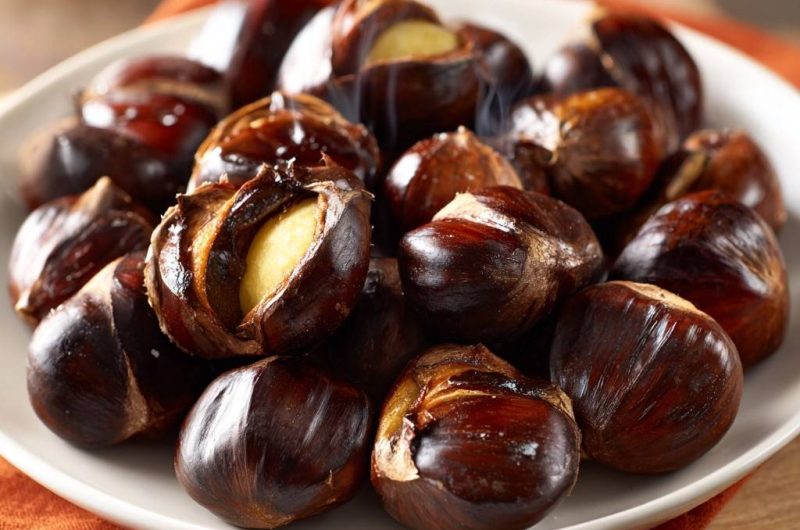
Oven-Roasted Chestnuts
Course: SnackCuisine: AmericanDifficulty: easy1
pound chestnuts10
minutes30
minutes240
kcal40
MinutesStruggling with rock-hard chestnut skins that stick and scald your fingers? This foolproof scoring and steaming trick makes shells pop off hot and easy, delivering tender, glossy nuts every time without the frustration.
Ingredients
Directions
Notes
- Score a deep X on each chestnut to allow steam to escape, ensuring easy peeling. Steam in a towel immediately after roasting for best results.