Glazed Maple Salmon with Roasted Squash: The Moisture-Lock Method
Most home cooks approach salmon with a sense of dread, fearing that thin line between raw and rubbery. You’ve likely experienced that chalky, dry texture that happens when the healthy fats leak out, leaving you with a bland piece of fish. The frustration ends here because restaurant-quality seafood isn’t about luck; it’s about managing heat and moisture.
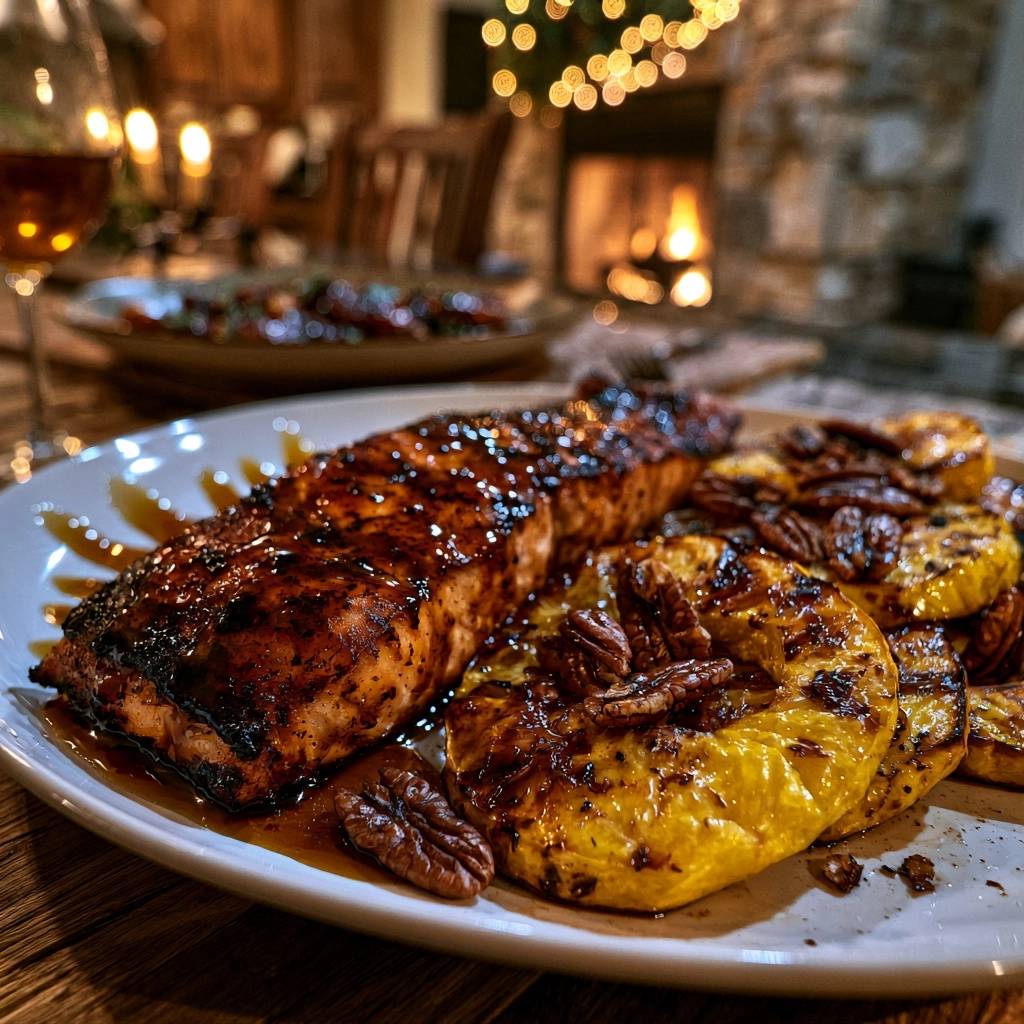
This recipe utilizes a moisture-lock technique that creates a protective barrier around the fillet. By combining a high-heat sear with a sugar-dense maple glaze, you trap the juices inside while the exterior transforms into a dark, mahogany crust. The result is a buttery, tender interior that flakes at the mere suggestion of a fork, providing a massive contrast to the crunchy, caramelized surface.
The real secret lies in the resting period. While it’s tempting to eat the second the pan leaves the oven, the carry-over heat is what finishes the center perfectly. If you cut into it too soon, you lose the very moisture you worked so hard to preserve. Trust the process, and you’ll never serve a dry fillet again.
Essential Components for the Maple-Balsamic Reduction
The glaze isn’t just for flavor; it’s a functional tool for caramelization. Real maple syrup is non-negotiable here because its natural sugars have a specific burn point that creates a sticky, complex coating. Avoid pancake syrups made of corn syrup, as they lack the depth and mineral content needed to stand up to the savory soy sauce.
Soy sauce provides the essential umami backbone, acting as a salty foil to the sweetness of the maple and brown sugar. This balance ensures the dish tastes sophisticated rather than like a dessert. The addition of balsamic glaze introduces a necessary acidity that brightens the heavy fats in the salmon, while garlic powder and smoked paprika add a layer of complexity.
Smoked paprika is the “hidden” hero in this reduction. It mimics the flavor of a wood-fired grill, giving the salmon a rustic, charred aroma without requiring an outdoor smoker. When these ingredients hit the hot cast iron, they reduce rapidly into a thick syrup that clings to the fish and the squash rings.
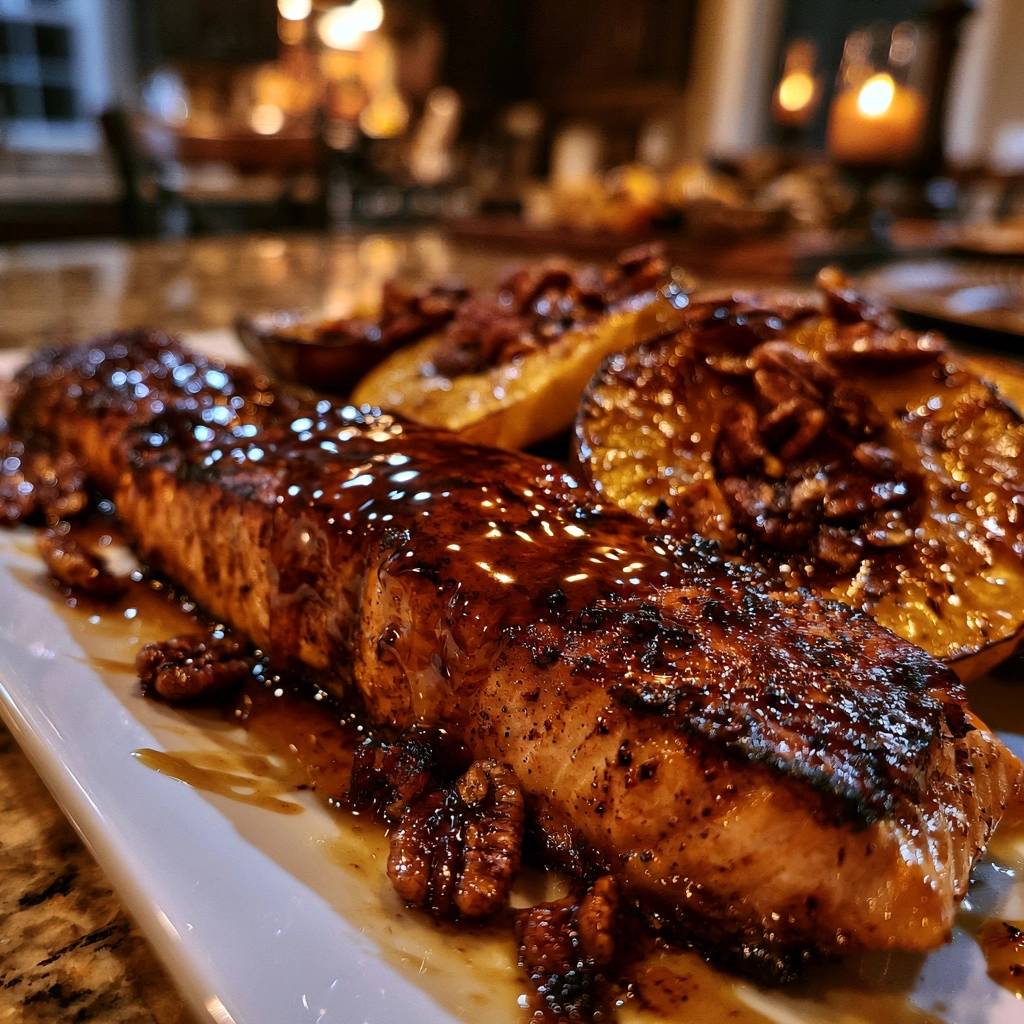
Selecting the Right Salmon Cut
For this high-heat method, you need 6-8 oz fillets with the skin still attached. The skin acts as a natural thermal barrier, protecting the delicate flesh from the intense, direct heat of the cast iron skillet. Without the skin, the bottom of the fish would likely overcook and toughen before the top glaze has a chance to caramelize.
Look for fillets that are uniform in thickness so they cook at the same rate. If one end is significantly thinner, it will dry out while the thick center remains underdone. Center-cut pieces are usually the most reliable for achieving that perfect, medium-rare to medium finish throughout the entire portion.
Delicata Squash: The Ideal Roasting Companion
Delicata squash is the perfect partner for salmon because it doesn’t require peeling. The skin is thin and edible, which saves you significant prep time and adds a pleasant structural contrast to the soft fish. Unlike butternut or acorn squash, which can take forty minutes to soften, delicata cooks quickly.
When sliced into half-inch rings, the squash develops beautiful browned edges in the same timeframe the salmon needs to sear and roast. It absorbs the maple drippings from the pan, turning the vegetable into a savory-sweet treat that feels much more indulgent than a standard side dish.
The Science of the Perfect Sear
Achieving a professional crust requires the Maillard reaction, a chemical process between amino acids and reducing sugars. To trigger this, your salmon must be bone-dry. If there’s any moisture on the surface of the fish, the heat of the pan will turn that water into steam, resulting in gray, mushy salmon instead of a crisp sear.
You must pat the fillets with paper towels until they no longer feel tacky. Once the fish is dry, it needs to hit a shimmering oil surface. You’ll know the oil is ready when it ripples and just begins to send up a tiny wisp of smoke. This high initial heat bonds the glaze to the protein fibers almost instantly.
The “do not touch” rule is vital here. Once the salmon hits the pan flesh-side down, leave it alone for the full two to three minutes. Moving the fish prematurely tears the delicate surface and prevents the sugars from forming that signature mahogany crust. The pan will release the fish naturally once the sear is complete.
Step-by-Step: Executing the High-Heat Roast
Phase 1: Pre-Roasting the Squash
Start by preheating your oven to 425°F. This high temperature is essential for roasting rather than steaming. Toss your squash rings in olive oil and salt, then give them a 12-minute head start on a baking sheet. You want them to be just starting to soften and show the faintest hint of gold before they meet the salmon.
Phase 2: The Flesh-Side Sear
While the squash roasts, get your cast iron skillet hot. Place the dried salmon fillets flesh-side down into the shimmering oil. You should hear a loud, aggressive sizzle immediately. Let them sit undisturbed for 2-3 minutes. You aren’t cooking the fish through yet; you’re just building that flavor-packed exterior wall.
Phase 3: The Oven Finish and Glaze Application
Flip the salmon so the skin side is down. Carefully transfer the pre-roasted squash and raw pecans into the skillet, nestling them around the fish. The pecans will toast in the residual salmon fats and glaze drippings, becoming incredibly fragrant. Brush the glaze generously over everything and slide the whole skillet into the oven.
Watch for the glaze to bubble and darken. This usually takes 5 to 8 minutes depending on the thickness of your fillets. The sugars will transform into a thick, lacquer-like coating that smells of toasted maple and woodsmoke. The pecans should look glossy and the squash should be tender enough to pierce with a fork.
The Secret to Retaining Internal Moisture
The most common mistake is cooking salmon until it looks “done” in the oven. Because of carry-over cooking, the internal temperature will continue to rise by 5 to 10 degrees after you remove it from the heat. If it looks perfect in the pan, it will be overdone by the time it hits your plate.
Pull the skillet when the center of the salmon still looks slightly translucent. Let it rest in the pan for 4 minutes. This resting period allows the muscle fibers to relax and reabsorb the juices. It also prevents the albumin—that white, unappealing protein—from being squeezed out of the fish, keeping the interior succulent.
Troubleshooting Common Salmon Mistakes
If you notice your glaze is darkening too quickly or smells like it’s burning before the fish is cooked, move your oven rack to a lower position. The high sugar content in maple syrup makes it sensitive to the intense heat of the upper heating elements. Lowering the pan allows the fish to finish cooking through gentle convection.
If the salmon skin sticks to the cast iron when you try to serve it, you likely didn’t let the pan get hot enough before adding the oil, or you didn’t use enough oil. To fix this, let the pan sit for a minute out of the oven; sometimes the steam generated during resting helps release the skin from the metal.
For underdone squash, ensure you aren’t crowding the rings. If they are overlapping, they will steam instead of roast. Keep them in a single layer to ensure the hot air can circulate around each piece, creating those caramelized edges that make delicata so delicious.
Optimal Side Dish Pairings
Since this dish is rich, sweet, and savory, you need an acidic or bitter side to balance the palate. A simple arugula salad dressed with heavy lemon juice and a pinch of sea salt works perfectly. The peppery bite of the greens cuts right through the fatty salmon and the sugary maple glaze.
Steamed broccolini seasoned with red pepper flakes is another excellent choice. The slight bitterness of the brassica and the heat from the pepper flakes provide a necessary counterpoint to the balsamic reduction. Avoid heavy, starchy sides like mashed potatoes, which can make the entire meal feel overly weighted and sweet.
Expert Tips for Seafood Preparation
Can I use frozen salmon for this recipe?
Yes, but you must thaw it completely in the refrigerator overnight. Once thawed, use extra paper towels to squeeze out any excess moisture. Frozen fish tends to hold more water, so if you don’t dry it thoroughly, you won’t get a proper sear and the texture may become mushy.
How do I prevent the pecans from burning?
Pecans have a high oil content and can turn from toasted to burnt in seconds. Only add them during the final oven roasting phase (Step 6). If your oven runs particularly hot, you can even wait to add them for the last 3 minutes of cooking to ensure they stay crunchy and sweet.
What if I don’t have a cast iron skillet?
A heavy stainless steel skillet is the best alternative. Avoid non-stick pans for this specific recipe, as they cannot handle the high heat required for the initial sear and often aren’t oven-safe at 425°F. Stainless steel will provide a similar crust, though you may need a touch more oil to prevent sticking.
Can I substitute honey for maple syrup?
Honey is a fine substitute, but be aware that it has a lower burn point than maple syrup. If using honey, keep a close eye on the salmon during the oven phase. You might need to tent the skillet loosely with foil if the glaze starts to turn black instead of deep brown.
How do I store and reheat leftovers without drying them out?
Store leftovers in an airtight container in the fridge for up to two days. To reheat, avoid the microwave at all costs. Instead, place the salmon in a covered pan with a splash of water or broth over low heat for 5 minutes. This creates a steam chamber that warms the fish without stripping away the moisture.
Variations for Different Dietary Needs
If you need a soy-free option, coconut aminos are a perfect 1:1 replacement for soy sauce. They are slightly sweeter, so you might want to reduce the brown sugar by half a teaspoon to maintain the flavor balance. The umami profile remains similar enough to keep the dish grounded.
For those with nut allergies, simply omit the pecans. You can replace them with raw sunflower seeds for a similar crunch, or just add an extra half-squash to the pan. The seeds will toast beautifully in the glaze just like the pecans would, providing that essential texture without the allergen risk.
Glazed Maple Salmon with Roasted Squash
Course: Main CourseCuisine: AmericanDifficulty: easy2
servings15
minutes25
minutes40
Minutes510
kcalAmerican
Ingredients
2 large salmon fillets (6-8 oz each), skin-on
1 small delicata squash, sliced into 1/2-inch rings (seeds removed)
1/2 cup raw pecan halves
3 tablespoons maple syrup
2 tablespoons soy sauce
1 tablespoon balsamic glaze (plus extra for drizzling)
1 tablespoon brown sugar (for deep caramelization)
1 teaspoon smoked paprika
1/2 teaspoon garlic powder
2 tablespoons olive oil, divided
Salt and cracked black pepper to taste
Directions
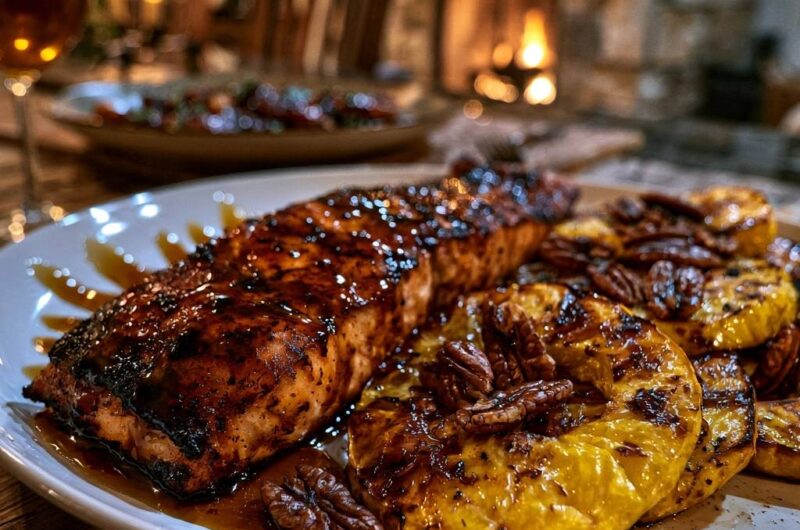
- Preheat your oven to 425°F (220°C). The higher heat is essential for the dark, charred glaze seen in the image.
- In a small bowl, whisk together the maple syrup, soy sauce, balsamic glaze, brown sugar, smoked paprika, and garlic powder.
- On a large rimmed baking sheet, toss the squash rings with 1 tablespoon of olive oil, salt, and pepper. Spread them in a single layer and roast for 12 minutes.
- While the squash is roasting, pat the salmon fillets completely dry with paper towels. Season only the skin side with salt and pepper.
- Heat the remaining 1 tablespoon of olive oil in a heavy, oven-safe cast iron skillet over medium-high heat. Once the oil is shimmering and slightly smoking, place the salmon flesh-side down. Sear for 2-3 minutes without moving it to develop a dark, caramelized crust.
- Carefully flip the salmon so it is skin-side down. Remove the baking sheet from the oven and move the squash rings into the skillet around the salmon. Add the pecans to the gaps.
- Generously brush the top of the salmon and the squash rings with the maple-balsamic glaze.
- Place the entire skillet into the oven. Roast for 5-8 minutes. The sugars in the glaze will bubble and darken into a deep mahogany crust.
- Remove from the oven. Brush one final layer of glaze over the fish. Let the salmon rest in the pan for 4 minutes. This is the “No More Dry Salmon” secret: the carry-over heat finishes the center while the resting period allows the juices to redistribute into the fibers.
- Serve the salmon and squash immediately, drizzling with any remaining thickened glaze from the pan and an extra swirl of balsamic glaze for visual pop.
Notes
- The secret to ‘No More Dry Salmon’ is the 4-minute resting period in the pan, which allows carry-over heat to finish the center while keeping the juices intact.