Mastering the Cheesy Broccoli Pasta Bake
We have all experienced the disappointment of a soggy vegetable casserole. You pull a bubbling dish from the oven, expecting a comforting meal, only to find the broccoli has turned into a watery, gray mush that dilutes the entire sauce. It is a common kitchen fail that turns a great idea into a limp dinner.
The secret to a truly elite Cheesy Broccoli Pasta Bake lies in the contrast between textures. You want pasta that holds its shape, a sauce that clings like velvet, and broccoli that still has a distinct, roasted bite. This recipe moves away from the standard “dump and bake” method to ensure every forkful is structurally sound and packed with flavor.
To achieve this, we focus on moisture management. By roasting the vegetables separately and significantly undercooking the noodles, we control exactly how much liquid stays in the pan. This professional approach ensures your final dish is rich and creamy rather than thin and soupy.
The Science of Preventing Watery Broccoli
Broccoli is roughly 90% water. When you boil it or steam it inside a covered casserole dish, those cell walls break down and release all that liquid directly into your cheese sauce. This is why many recipes end up with a pool of green-tinted water at the bottom of the baking pan.
Par-roasting the broccoli at a high temperature before it ever touches the pasta is the ultimate fix. This process uses dry heat to evaporate surface moisture and tighten the vegetable’s cellular structure. Instead of losing its integrity, the broccoli becomes concentrated in flavor.
Furthermore, roasting triggers the Maillard reaction. This chemical reaction between amino acids and reducing sugars creates those beautiful charred edges and a nutty, savory depth. You simply cannot get that complexity from boiling, and it provides a smoky counterpoint to the heavy dairy in the sauce.
Essential Components for a Rich Cheese Sauce
The foundation of this bake is a classic Mornay sauce, which is essentially a Béchamel with cheese folded in. For the best results, you need a short, sturdy pasta like Penne or Rigatoni. These shapes feature ridges and hollow centers that act as “sauce traps,” ensuring you get cheese in every single bite.
When it comes to the liquid base, whole milk is non-negotiable. The higher fat content provides a stable emulsion that is less likely to “break” or curdle under the high heat of the oven. Skim or 1% milk often results in a thin, grainy sauce that lacks the mouthfeel required for a premium gratin.
Quality cheese is the most important factor here. Always buy blocks and grate them yourself. Pre-shredded cheeses are coated in potato starch or cellulose to prevent clumping in the bag, but those additives also prevent the cheese from melting smoothly into the sauce, often leaving you with a gritty texture.
Selecting the Right Cheese Trio
A single cheese rarely provides everything a pasta bake needs. We use a trio to hit every sensory note. Sharp Cheddar provides the punchy, acidic backbone that cuts through the richness of the milk and butter. It is the primary flavor driver of the dish.
For the “cheese pull” and superior meltability, we bring in Gruyère or Mozzarella. Gruyère adds a sophisticated, earthy sweetness, while Mozzarella offers that classic stretchy texture. Finally, a dusting of Parmesan adds a salty, umami finish that helps the top crust brown beautifully.
Pantry Spices that Elevate the Mornay
A plain white sauce can taste flat without the right aromatics. Onion and garlic powder provide a savory base layer without the moisture of fresh aromatics. Smoked paprika adds a very subtle hint of wood-fired flavor that complements the roasted broccoli.
The real “chef’s secret” here is a pinch of ground nutmeg. While it might seem like a dessert spice, nutmeg is a traditional pairing for dairy. It doesn’t make the sauce taste like a cookie; instead, it highlights the sweetness of the cream and adds a mysterious depth that makes people ask for your secret ingredient.
Phase One: Preparing the Roasted Broccoli Base
Start by preheating your oven to 425°F. This high heat is essential for quick evaporation. Cut your broccoli into uniform, bite-sized florets. If the pieces vary too much in size, the small ones will burn before the large ones lose their raw crunch.
Toss them with olive oil, salt, and pepper directly on a sheet pan. You want them spread out in a single layer so they roast rather than steam. After about 10 minutes, you should see the tips turning dark brown. This is exactly when you pull them out; they will finish softening later in the sauce.
Phase Two: The Under-Boiling Pasta Strategy
Most people cook their pasta until it is ready to eat, then put it in the oven. This is a mistake. The pasta will continue to cook in the cheese sauce, absorbing liquid like a sponge. If it starts fully cooked, it will end up mushy and bloated.
Follow the “3-minute rule.” Boil your pasta in heavily salted water, but drain it exactly three minutes before the package says it will be al dente. It should feel quite firm, almost crunchy in the very center. This “snap” ensures the pasta absorbs the seasoned milk during the bake, locking the flavor inside the noodle itself.
Phase Three: Constructing the Perfect Roux and Sauce
The roux—a cooked mixture of equal parts butter and flour—is what thickens your sauce. Melt the butter over medium heat and whisk in the flour. Keep it moving for about two minutes. You are looking for a “blonde” roux that smells slightly nutty but hasn’t turned brown yet.
To avoid lumps, add your milk very slowly. Start with just a splash and whisk until it forms a thick paste, then gradually add more. This slow tempering allows the flour granules to hydrate evenly. Once all the milk is in, simmer until the sauce is thick enough to coat the back of a spoon, a stage chefs call “nappe.”
Phase Four: Assembly and the High-Heat Finish
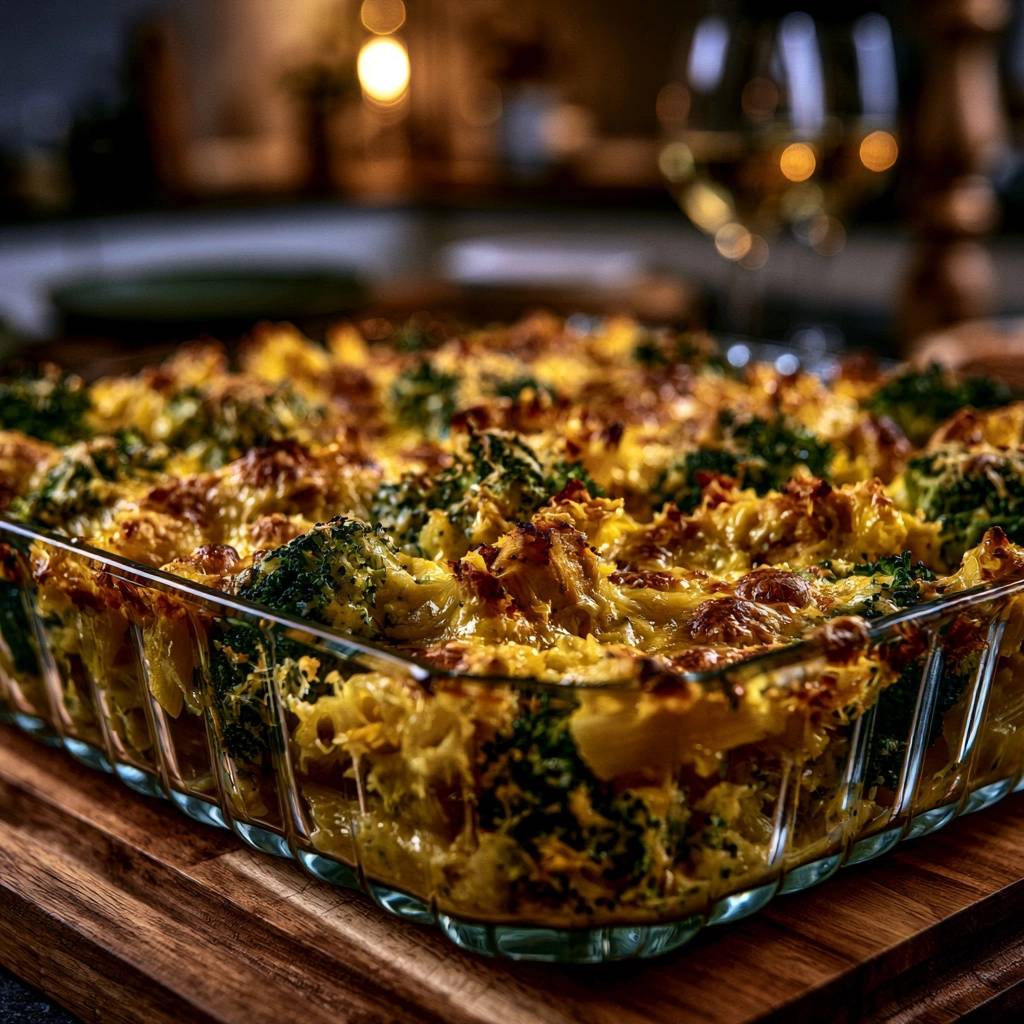
Gently fold the undercooked pasta and roasted broccoli into the warm cheese sauce. Be careful not to be too aggressive; you want the broccoli florets to stay intact. Transfer the mixture to a 9×13 inch glass dish, which provides the perfect surface area for a high cheese-to-pasta ratio.
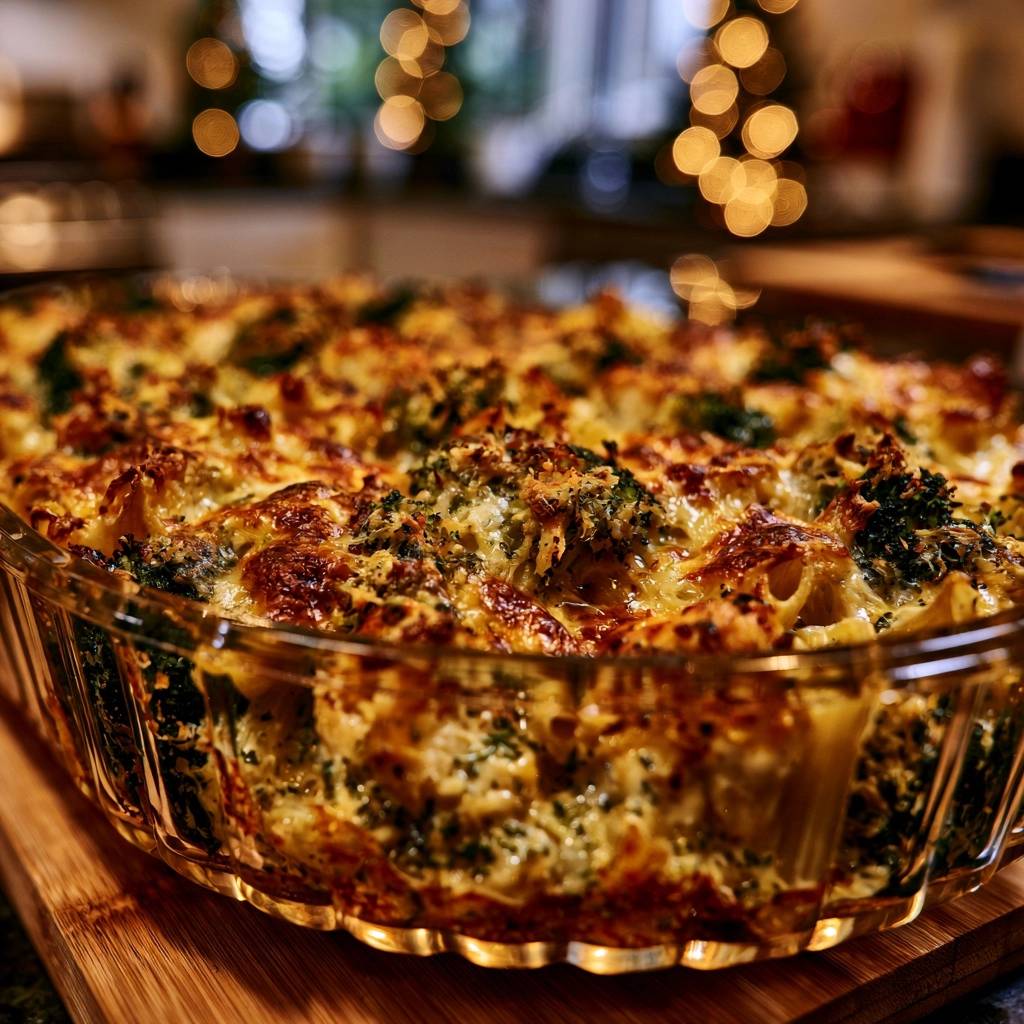
Top the dish with your remaining cheese and bake. For that restaurant-quality finish, switch to the broiler for the last two minutes. Stay right by the oven door! The transition from golden brown to burnt happens in seconds. You want dark, crispy peaks of cheese that provide a crunch against the creamy interior.
Avoiding Common Casserole Mistakes
If your sauce looks greasy, it usually means the heat was too high or the cheese was added to boiling liquid, causing the fat to separate. Always remove the sauce from the heat before stirring in your cheese. This gentle residual heat is enough to melt it without breaking the emulsion.
Another common error is serving the dish the second it leaves the oven. The sauce needs time to “set.” Letting the bake rest for five minutes allows the starches in the pasta to bind with the fats in the sauce. This results in a cohesive dish that stays together on the plate rather than running everywhere.
Make-Ahead Strategies and Storage Logistics
This is a fantastic meal-prep dish. You can roast the broccoli and make the sauce a day in advance. However, I recommend storing the sauce and cooked pasta separately in the fridge. If they sit together overnight, the pasta will drink up all the moisture, leaving you with a dry bake the next day.
When you are ready to eat, combine them and add a splash of milk to loosen the sauce before topping with cheese and baking. Leftovers will keep in an airtight container for up to three days. Reheat in the oven at 350°F covered with foil to prevent the cheese from drying out, or use a microwave with a damp paper towel over the bowl.
Customizing Your Cheesy Broccoli Pasta Bake
While this version is a vegetarian powerhouse, you can easily tweak the flavors. Adding a tablespoon of Dijon mustard to the sauce adds a sharp tang that pairs beautifully with cheddar. For a bit of texture, you can top the cheese with crushed crackers or panko breadcrumbs mixed with melted butter.
If you want more heat, whisk in a half-teaspoon of red pepper flakes or a dash of hot sauce into the milk. For extra protein without meat, stir in a can of rinsed chickpeas or some toasted sliced almonds. These additions provide a nice textural contrast without releasing extra water into the sauce.
Optimal Side Dish Pairings
Because this dish is very rich and creamy, you want to pair it with something bright and acidic. A simple arugula salad with a lemon-shallot vinaigrette is perfect. The peppery greens and citrus juice cut right through the heavy cheese, refreshing your palate between bites.
Avoid serving this with heavy garlic bread or mashed potatoes. Since the base of the meal is pasta, adding more heavy starches can make the meal feel overwhelming. A crisp apple and walnut slaw or even simple roasted carrots with a splash of balsamic vinegar provide the balance you need.
Expert Troubleshooting FAQ
Can I use frozen broccoli?
Yes, but you must be careful. Frozen broccoli is blanched before freezing, so it contains even more moisture than fresh. Thaw it completely and pat it very dry with paper towels before roasting. You may need to roast it for an extra 5 minutes to ensure all the ice-melt evaporates, otherwise, the bake will be watery.
Why did my sauce separate and turn oily?
This usually happens if the sauce gets too hot after the cheese is added. High heat causes the proteins in the cheese to tighten and squeeze out the fat. To fix this next time, make sure your milk and flour base is thickened, then turn off the stove entirely before folding in your shredded cheese.
Can I use gluten-free pasta?
You can, but gluten-free pasta is much more fragile. It tends to go from firm to mushy very quickly. I recommend undercooking it by only 1 or 2 minutes instead of 3, and being very gentle when folding it into the sauce. Look for a corn or brown rice-based blend, as they tend to hold their shape better in baked dishes.
What if I don’t have a broiler?
If your oven doesn’t have a broiler setting, simply move your oven rack to the highest position. Increase the temperature to 450°F for the final 5-7 minutes of baking. This puts the cheese closer to the heating element, which will help you achieve those crispy, browned bits without overcooking the center of the pasta.
How do I scale this for a crowd?
You can easily double this recipe, but do not crowd the broccoli on one pan. Use two separate baking sheets for roasting to ensure the florets get crispy. When baking the final assembly, use two 9×13 pans rather than one deep dish. If the pasta is too deep, the middle won’t heat through before the top burns.
Cheesy Broccoli Pasta Bake
Course: Main CourseCuisine: AmericanDifficulty: easy6
servings15
minutes35
minutes50
Minutes440
kcalAmerican
Ingredients
1 pound short pasta (penne, rotini, or rigatoni)
5 cups fresh broccoli florets, cut into bite-sized pieces
2 cups shredded sharp cheddar cheese
1 cup shredded mozzarella or Gruyère (for that golden, bubbly crust)
1/2 cup grated Parmesan cheese
2 1/2 cups whole milk
1/4 cup unsalted butter
1/4 cup all-purpose flour
1/2 teaspoon garlic powder
1/2 teaspoon onion powder
1/4 teaspoon smoked paprika
1/4 teaspoon ground nutmeg (optional, for sauce depth)
Salt and black pepper to taste
2 tablespoons olive oil
Directions
- Preheat your oven to 425°F (220°C). Toss the raw broccoli florets with olive oil, salt, and pepper on a large baking sheet. Roast for 10 minutes. This is the secret step: roasting removes excess moisture that usually makes casseroles watery, ensuring your broccoli stays firm and flavorful.
- While the broccoli roasts, boil your pasta in heavily salted water for 3 minutes less than the package directions for al dente. The pasta should still have a firm “snap” in the center, as it will absorb the sauce in the oven. Drain and set aside.
- In a medium saucepan, melt the butter over medium heat. Whisk in the flour and cook for 1-2 minutes until it smells slightly nutty. Slowly whisk in the milk, a half-cup at a time, stirring constantly until the sauce is thick enough to coat the back of a spoon.
- Remove the sauce from the heat. Stir in 1 cup of the cheddar, the Parmesan, garlic powder, onion powder, paprika, and nutmeg. Season with salt and pepper to taste.
- In a large bowl, combine the undercooked pasta, the par-roasted broccoli, and the cheese sauce. Fold gently until every piece of pasta is filled with sauce.
- Transfer the mixture to a 9×13 inch glass baking dish. Top evenly with the remaining 1 cup of cheddar and the 1 cup of mozzarella/Gruyère.
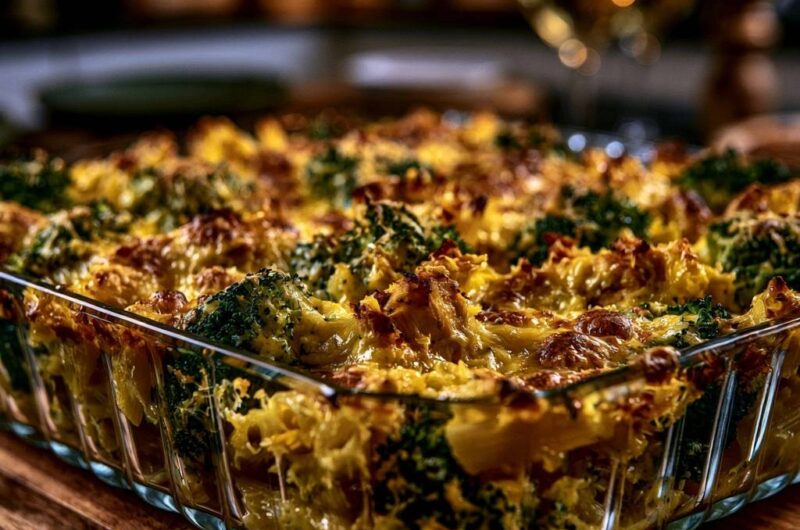
- Bake at 425°F for 15-20 minutes. For the specific dark, crispy peaks seen in the image, turn the broiler on for the final 2-3 minutes, watching closely until the cheese is deeply browned and bubbling.
- Let the dish rest for 5 minutes before serving to allow the sauce to set.
Notes
- The secret to this dish is par-roasting the broccoli at 425 degrees Fahrenheit to remove excess moisture and undercooking the pasta by 3 minutes to ensure the perfect texture after baking.