Gorgeous Orange Bundt Cake: Effortless Release, Perfect Every Time
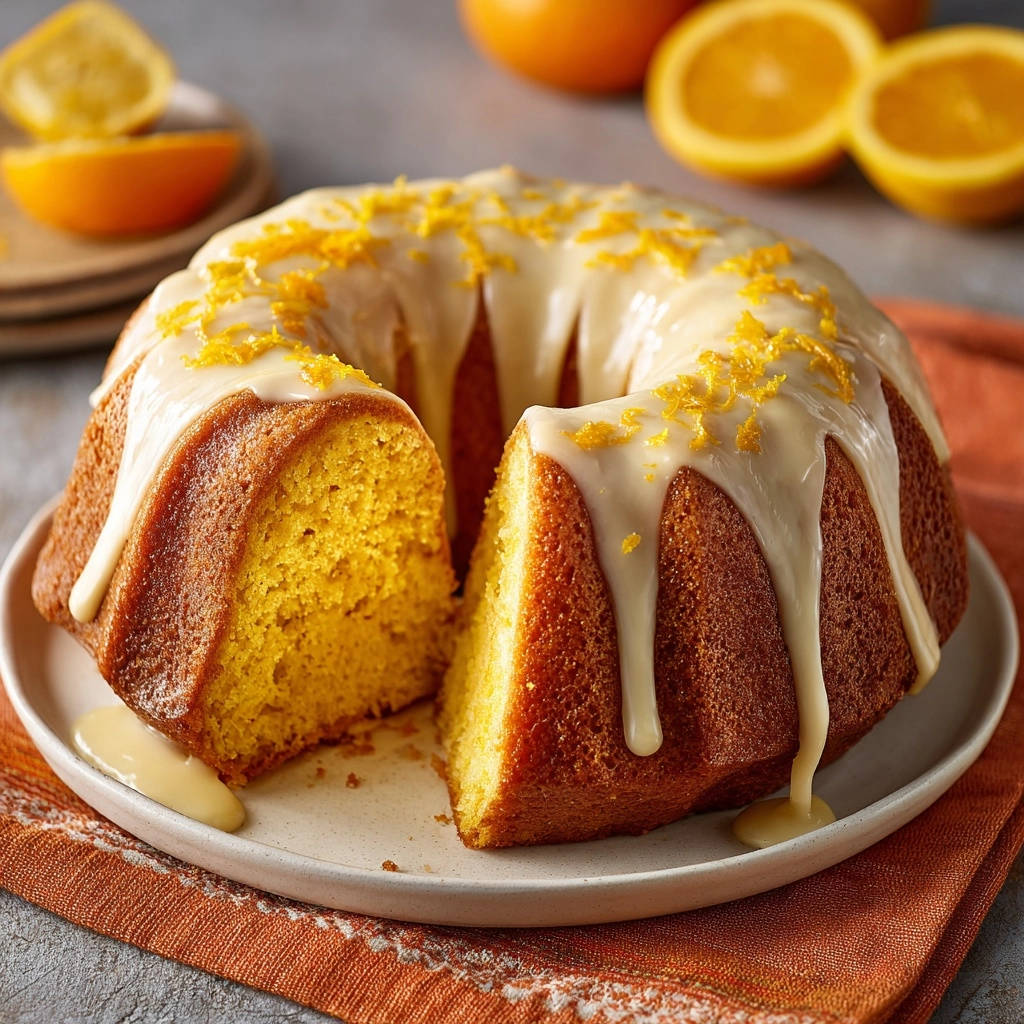
I’ve been there – the heartbreak of a beautiful bundt cake stuck to the pan, ruining all your hard work. That’s why I perfected this Gorgeous Orange Bundt Cake recipe, focusing on a foolproof pan preparation method that guarantees a flawless release every single time.
Get ready for a show-stopping dessert that’s as delightful to eat as it is to behold, bursting with fresh citrus flavor.
Beyond the Basics: Why This Orange Bundt Cake Shines
The “Never Stick” Guarantee: Your Flawless Release Secret
Many bakers dread the moment of unmolding a bundt cake, fearing it will stick and crumble. Our recipe tackles this head-on with a meticulously detailed pan preparation technique.
It’s more than just a quick grease; it’s a strategic method ensuring your cake slides out perfectly, preserving its intricate design. This simple yet critical step builds confidence, allowing you to focus on the joy of baking and presentation.
A Symphony of Citrus: Bright, Balanced Flavor
This isn’t just an “orange-flavored” cake; it’s a true celebration of fresh citrus. We use both vibrant orange zest and freshly squeezed juice to infuse every bite with authentic, zesty brightness.
The result is a wonderfully balanced sweetness, without any artificial notes. It’s a truly refreshing taste experience that elevates this bundt cake far beyond the ordinary.
Effortless Elegance: A Showstopper for Any Table
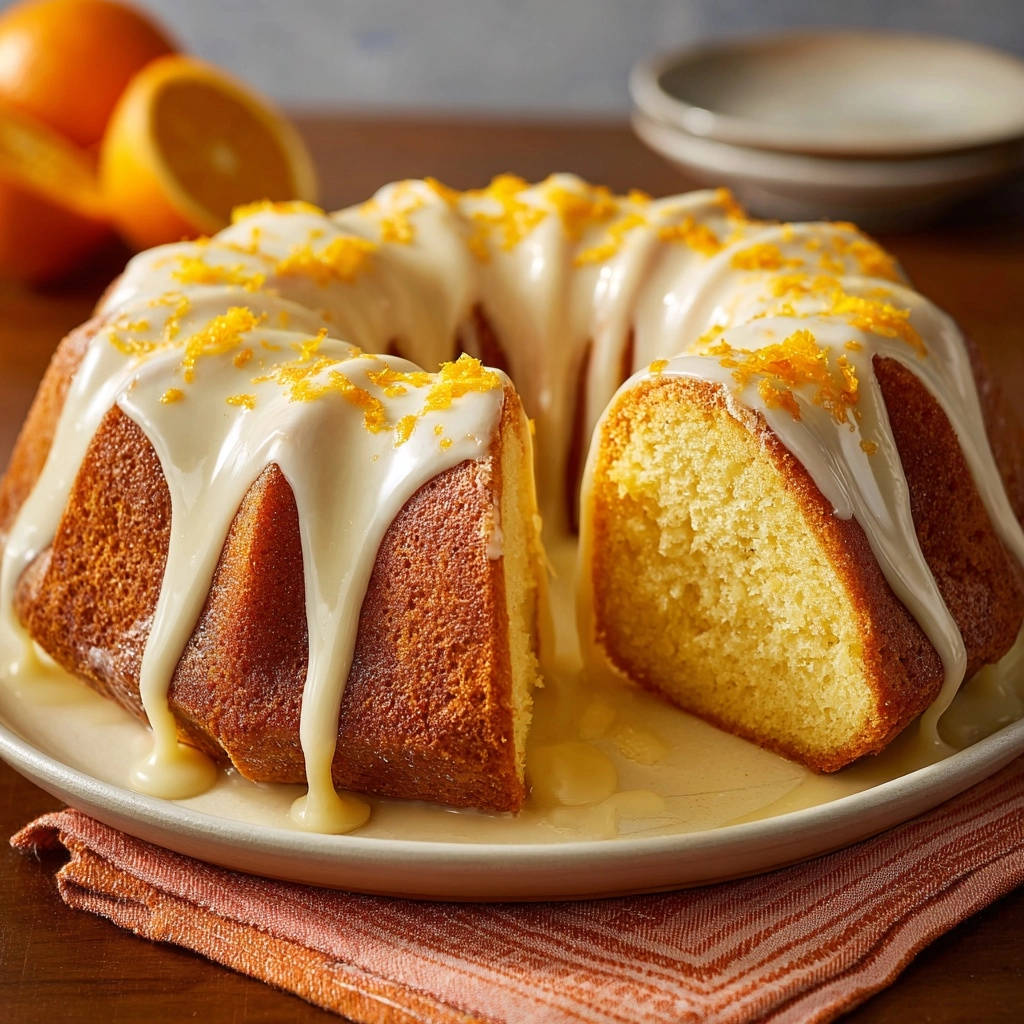
A well-made bundt cake naturally commands attention with its beautiful fluted shape. Our recipe ensures a consistently perfect form and a golden crust, making this Gorgeous Orange Bundt Cake an ideal centerpiece.
It’s elegant enough for special occasions but easy enough for a delightful weekend treat, impressing guests with minimal fuss.
The Heart of the Batter: Key Ingredients for Your Gorgeous Orange Bundt Cake
For the Cake: Crafting the Perfect Crumb
All-purpose flour: Provides the cake’s essential structure, ensuring a tender yet stable crumb.
Baking powder & salt: Act as crucial leavening agents for that beautiful rise, while salt balances the sweetness.
Unsalted butter: Adds richness, moisture, and contributes to the cake’s delicate texture. Softened butter is key for proper creaming.
Granulated sugar: Sweetens the cake and helps tenderize it, contributing to a moist result.
Large eggs: Bind the ingredients, add moisture, and contribute to the cake’s overall structure and richness.
Orange zest: The potent source of essential orange oils, delivering intense, fresh citrus aroma and flavor. Don’t skip fresh!
Fresh orange juice: Adds liquid, bright acidity, and a natural, tangy sweetness to the batter.
Milk: Contributes to the cake’s tenderness and moistness, balancing the acidity of the orange juice.
For the Zesty Glaze: A Bright Finishing Touch
Powdered sugar: Forms the base of our simple, pourable glaze, dissolving easily for a smooth finish.
Fresh orange juice: Infuses the glaze with vibrant, authentic citrus flavor and provides the perfect liquid for adjusting consistency. This really makes the glaze shine.
Garnish: A Pop of Color and Aroma
Orange zest: A final sprinkle of fresh zest adds a beautiful visual appeal and an extra burst of aromatic orange oils just before serving.
Your Kitchen Arsenal: Essential Tools for Bundt Cake Bliss
Must-Have Baking Equipment
10-Cup Bundt Pan: The star of the show! A good quality pan with a non-stick coating makes your job easier, but proper preparation is still paramount.
Electric Mixer (Stand or Handheld): Essential for thoroughly creaming butter and sugar, and incorporating eggs effectively to achieve the right batter consistency.
Mixing Bowls: You’ll need several – one for dry ingredients, one for liquids, and a large one for the main batter.
Whisk: For combining dry ingredients and making the glaze lump-free.
Measuring Cups & Spoons: Accuracy in baking is crucial for consistent results and a perfect Orange Cake Recipe.
Rubber Spatula: Perfect for scraping down bowls and gently folding in ingredients without overmixing.
Wire Rack: Necessary for cooling the cake evenly and allowing air circulation, preventing a soggy bottom.
Pastry Brush: Invaluable for ensuring every intricate detail of your bundt pan is perfectly buttered and floured for that seamless release.
Your Step-by-Step Journey to Gorgeous Orange Bundt Cake Perfection
Step 1: The Ultimate Secret to a Non-Stick Bundt Pan
Preheat your oven to 350°F (175°C) right away; consistent temperature is vital. The absolute secret to a Gorgeous Orange Bundt Cake that doesn’t stick lies in precise pan preparation.
Thoroughly grease a 10-cup bundt pan with softened unsalted butter, ensuring every nook and cranny is coated. Use a pastry brush to really work the butter into all the intricate details of the pan’s design.
Next, liberally dust the buttered pan with all-purpose flour. Rotate the pan, gently tapping it, to make sure the flour evenly coats all surfaces. Invert the pan and tap out any excess flour; this creates a perfect non-stick barrier for effortless release.
Step 2: Dry Ingredients Harmonized
In a medium bowl, whisk together the all-purpose flour, baking powder, and salt. Whisking ensures these leavening agents and seasonings are evenly distributed throughout the dry mixture, which is crucial for a consistent rise and flavor in your bundt cake.
Step 3: Creaming for Cloud-Like Texture
In a large bowl, cream together the softened unsalted butter and granulated sugar with an electric mixer. Beat on medium-high speed until the mixture is light, fluffy, and pale yellow, usually about 3 to 4 minutes.
This creaming process incorporates air into the butter and sugar, which contributes significantly to the cake’s light and tender texture.
Step 4: Eggs for Structure and Richness
Add the large eggs one at a time to the creamed butter mixture, beating well after each addition until fully incorporated.
Adding eggs gradually allows them to emulsify properly with the butter, creating a stable batter that provides structure and moisture to your Gorgeous Orange Bundt Cake.
Step 5: Infusing Citrus Zest
Stir in the vibrant orange zest into the butter and egg mixture. This step ensures the aromatic oils from the zest are evenly distributed throughout the batter, maximizing that fresh citrus flavor.
Step 6: Liquids United
In a separate small bowl, whisk together the fresh orange juice and milk until fully combined. Having these liquids ready ensures a smooth and efficient addition to your batter later.
Step 7: The Art of Combining Wet and Dry (Don’t Overmix!)
Alternately add the dry ingredients and the wet ingredients (orange juice and milk mixture) to the butter mixture, beginning and ending with the dry ingredients. Mix on low speed with your electric mixer until just combined.
Be careful not to overmix the batter; overmixing develops gluten, which can lead to a tough, dry cake. Stop mixing as soon as no streaks of flour are visible for a truly Fluffy Orange Cake.
Step 8: Filling Your Perfectly Prepped Pan
Pour the carefully prepared batter evenly into your perfectly greased and floured bundt pan. Use a spatula to smooth the top, ensuring an even bake and a beautifully shaped cake.
Step 9: Baking to Golden Glory
Bake the bundt cake in your preheated oven for 50 to 60 minutes. Begin checking for doneness around the 50-minute mark.
The cake is ready when a wooden skewer or toothpick inserted into the center comes out clean, with no wet batter attached.
Step 10: The Critical 10-Minute Rest and Flawless Release
Once baked, remove the cake from the oven and let it cool in the pan on a wire rack for 10 minutes. This resting period is absolutely crucial for easy release.
The cake slightly contracts from the pan as it cools, making it much easier to unmold. After 10 minutes, carefully invert the bundt cake onto the wire rack to cool completely. If the pan was prepared correctly, your Gorgeous Orange Bundt Cake will release smoothly and perfectly.
Step 11: Crafting the Irresistible Orange Glaze
While the cake cools completely, prepare your glaze. In a small bowl, whisk together the powdered sugar and 3 to 4 tablespoons of fresh orange juice until smooth and pourable.
If the glaze is too thick, add more orange juice a teaspoon at a time. If it’s too thin, whisk in a little more powdered sugar until you reach your desired consistency – thick enough to cling, but thin enough to drip beautifully for a perfect Homemade Orange Glaze.
Step 12: The Drizzling Finale
Once the bundt cake is completely cool (this is very important!), drizzle the freshly made orange glaze evenly over the top. Allow it to slowly cascade and drip down the elegant sides of the cake, creating a stunning visual.
Step 13: The Final Garnish
Before serving your stunning Gorgeous Orange Bundt Cake, garnish it with a final sprinkle of fresh orange zest. This adds a beautiful pop of color and an additional fragrant burst of citrus that delights both the eye and the palate.
Unlocking Pro Secrets: Elevate Your Gorgeous Orange Bundt Cake Game
The Power of Room Temperature Ingredients
Ensure your butter and eggs are at room temperature. This allows them to emulsify properly, creating a smooth, homogenous batter that traps air efficiently, resulting in a tender, well-risen cake.
Sifting for a Lighter Crumb
For an even lighter, more ethereal texture, consider sifting your dry ingredients. This breaks up any clumps and aerates the flour, contributing to a finer crumb in your Orange Cake Recipe.
Mastering Your Oven’s Personality
Oven temperatures can vary significantly. Use an oven thermometer to ensure your oven is truly preheated to 350°F (175°C). Knowing your oven’s hot spots can also help you rotate the cake if needed for consistent baking.
The Gentle Touch: Understanding Overmixing
Resist the urge to overmix the batter. Once the dry ingredients are added, mix only until just combined. Overmixing develops gluten, leading to a tough, dense cake texture rather than the desired light, fluffy crumb.
Glaze-Ready Cake: Patience is Key
Allowing your cake to cool completely before glazing is non-negotiable. Glazing a warm cake will cause the glaze to melt, soak into the cake, and create a sticky, messy finish instead of a beautiful, glistening shell. This patience is crucial for a perfect Homemade Orange Glaze.
Help! Solving Common Gorgeous Orange Bundt Cake Challenges
Why Did My Cake Stick to the Pan?
This almost always points back to pan preparation. Did you use enough softened butter? Was every curve and crevice thoroughly brushed? Did you liberally dust with flour and tap out the excess? Revisit Step 1 for guaranteed success next time.
Also, ensure you allowed the cake to cool for the critical 10 minutes in the pan before inverting. Premature unmolding can cause sticking and breakage, defeating the purpose of a Non-stick Bundt Cake.
My Cake is Dry or Crumbly
A dry cake is often a sign of overbaking. Start checking for doneness a few minutes before the minimum bake time. An oven thermometer can also ensure accurate temperatures.
Incorrect ingredient measurements, especially too much flour or not enough liquid/fat, can also contribute to a crumbly texture. Precision is key in baking.
Uneven Rise or Sunken Center
An uneven rise might be due to an oven hot spot or uneven batter distribution. A sunken center typically indicates the cake wasn’t fully baked when removed, or the oven door was opened too early during baking, causing the structure to collapse.
Ensure ingredients are at room temperature and the batter is well-mixed but not overmixed. This helps with consistent leavening.
Enjoying Your Creation: Serving and Storing Your Gorgeous Orange Bundt Cake
Perfect Pairings: What to Serve With Your Orange Bundt?
This Gorgeous Orange Bundt Cake shines on its own, but it’s also delightful with a few simple accompaniments. Serve slices with a dollop of freshly whipped cream, a scoop of vanilla bean ice cream, or a light berry compote.
For a perfect pairing, try our Mastering the Glazed Blueberry Lemon Bundt Cake.
For drinks, a warm cup of coffee, a fragrant black tea, or even a glass of sparkling sparkling grape juice complement the bright citrus notes beautifully. For another refreshing citrus dessert, you might enjoy our Zesty Lemon Bundt Cake.
For those who enjoy the bright citrus notes of this cake, the deep richness of a flourless dark chocolate torte makes an excellent contrast.
Keeping It Fresh: Storage Solutions
To keep your bundt cake fresh, store it at room temperature in an airtight container. It will remain wonderfully moist for up to 3-4 days.
Pair These With Your Orange Bundt Cake
If you want a savory contrast to the sweet citrus cake, try one of these biscuit-based recipes for brunch or a light meal.
- For a hearty, creamy counterpoint, serve slices alongside Homemade Biscuits and Sausage Gravy.
- If you prefer a tangy, plant-based option, pair the cake with Fluffy Biscuits with Creamy Tomato Gravy.
If you’ve sliced the cake, pressing plastic wrap directly against the cut surfaces helps prevent them from drying out. For longer storage, slices can be individually wrapped and frozen for up to 2 months.
Can You Make This Bundt Cake Ahead?
Absolutely! This Easy Bundt Cake is an excellent make-ahead dessert. You can bake the cake a day or two in advance and store it, unglazed, in an airtight container at room temperature.
Prepare the glaze and apply it just a few hours before serving for the freshest look and best texture. This flexibility makes entertaining a breeze!
Your Burning Questions Answered: Gorgeous Orange Bundt Cake Edition
Can I Use Different Citrus Zest/Juice?
Yes, you can certainly experiment! While orange provides a unique sweetness, substituting with lemon or lime zest and juice will create a wonderfully vibrant and tangy Citrus Bundt Cake. Grapefruit could also offer a more complex, slightly bitter note. The key is to use fresh citrus.
What if I don’t have a Bundt pan?
While the bundt pan offers a distinctive shape, you can bake this recipe in a 10-cup tube pan (like an angel food cake pan) or even two 9-inch round cake pans. Baking times will need to be adjusted; round cakes will likely bake faster (around 30-40 minutes), so keep an eye on them.
Is there a way to make this recipe gluten-free?
To make this a gluten-free Orange Cake Recipe, you can substitute the all-purpose flour with a high-quality 1:1 gluten-free baking flour blend. Look for blends that contain xanthan gum for best results. The texture might be slightly different, but the delicious orange flavor will still shine through.
How important is it to cool the cake completely before glazing?
It is critically important! Glazing a warm or even slightly warm cake will cause the glaze to melt immediately and absorb into the cake, making it soggy and lacking that beautiful, defined sheen. Cooling completely allows the cake to fully set and ensures the glaze adheres perfectly, creating a crisp finish.
Ready to Bake Your Own Gorgeous Orange Bundt Cake Masterpiece?
There you have it – all the secrets, tips, and steps to bake a truly spectacular and perfectly released Gorgeous Orange Bundt Cake. No more sticking fears, just pure baking joy and a stunning dessert everyone will rave about.
Go ahead, gather your ingredients, and let the aroma of fresh oranges fill your kitchen. I can’t wait for you to experience the delight of this Fluffy Orange Cake first-hand. For another timeless cake, explore our Classic Marble Bundt Cake. Happy baking!
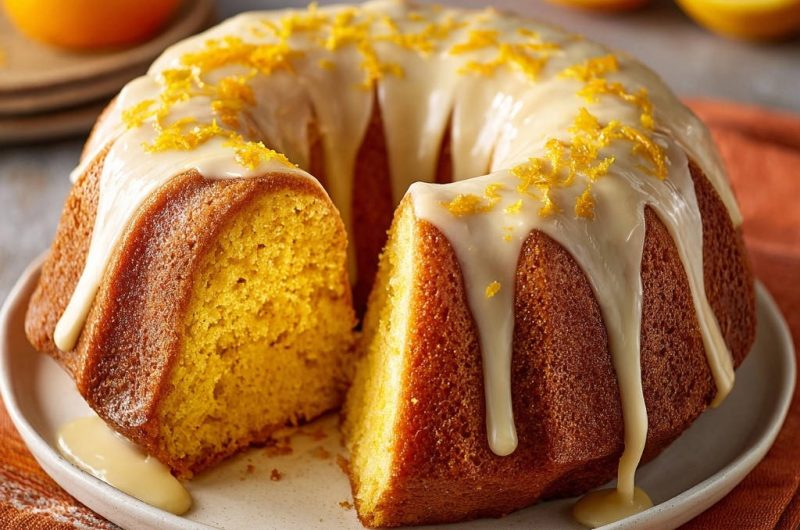
Orange Bundt Cake
Course: DessertCuisine: AmericanDifficulty: medium1
bundt cake (8-12 servings)20
minutes55
minutes450
kcal180
minutesTired of bundt cakes sticking? This gorgeous orange bundt cake recipe reveals the secret to perfect unmolding every time. Enjoy a showstopping citrus-infused cake with a sweet orange glaze that’s sure to impress.
Ingredients
For the Cake:
2 and 1/2 cups all-purpose flour
2 teaspoons baking powder
1/2 teaspoon salt
1 cup (2 sticks) unsalted butter, softened
1 and 3/4 cups granulated sugar
4 large eggs
1 tablespoon orange zest
1/2 cup fresh orange juice
1/2 cup milk
For the Glaze:
2 cups powdered sugar
3 to 4 tablespoons fresh orange juice
For Garnish:
1 teaspoon orange zest
Directions
- Preheat your oven to 350°F (175°C). The absolute secret to a perfect bundt cake that doesn’t stick is precise pan preparation. Thoroughly grease a 10-cup bundt pan with softened butter, ensuring every nook and cranny is coated. Use a pastry brush to work the butter into all the intricate details of the pan. Then, liberally dust the buttered pan with all-purpose flour. Rotate the pan, gently tapping it, to make sure the flour evenly coats all surfaces. Invert the pan and tap out any excess flour. This creates a non-stick barrier.
- In a medium bowl, whisk together the flour, baking powder, and salt. Set aside.
- In a large bowl, cream together the softened butter and granulated sugar with an electric mixer until light and fluffy, about 3 to 4 minutes.
- Add the eggs one at a time, beating well after each addition until fully incorporated.
- Stir in the orange zest.
- In a separate small bowl, whisk together the orange juice and milk.
- Alternately add the dry ingredients and the wet ingredients to the butter mixture, beginning and ending with the dry ingredients. Mix on low speed until just combined. Be careful not to overmix the batter.
- Pour the batter evenly into the prepared bundt pan. Smooth the top with a spatula.
- Bake for 50 to 60 minutes, or until a wooden skewer inserted into the center of the cake comes out clean.
- Remove the cake from the oven and let it cool in the pan on a wire rack for 10 minutes. This resting period is crucial for easy release.
- After 10 minutes, carefully invert the bundt cake onto the wire rack to cool completely. Gently lift the pan. If the pan was prepared correctly, the cake will release smoothly. Allow the cake to cool fully before glazing.
- To make the glaze: In a small bowl, whisk together the powdered sugar and orange juice until smooth and pourable. Add more orange juice a teaspoon at a time if the glaze is too thick, or more powdered sugar if it’s too thin.
- Once the cake is completely cool, drizzle the glaze evenly over the top, letting it drip down the sides.
- Garnish with the fresh orange zest before serving.
Notes
- The key to a perfect release is thorough pan preparation and allowing the cake to cool for 10 minutes in the pan before inverting.